Transatlantic

Quarantine and courtesy flags for the West Indian island nation of Antigua are raised to the spreaders as Flying Fish enters territorial waters. Photograph: © Bob Cardenas

There is a story from every leg of the journey as Flying Fish has traveled around the world. The story for this passage across the Atlantic is one of brotherhood.

My brother Bob and I are salt and pepper, and I don’t just mean our hair color. Bob is an analytical thinker; I look at clouds and think they resemble dogs. Bob sees something broken, and he repairs it; I see something broken, and although I try to repair it, I inevitably make the problem worse. Bob is gregarious; I am a social misfit. Bob sells dream houses; I sell dreams.

We have just completed a 2,500-mile passage from Cape Verde to Antigua aboard Flying Fish. This is not our first transatlantic passage together. In 1976, we sailed with our sisters and parents from Florida to Portugal in a Cal 43 named Free Spirit. Two years later, our parents allowed Bob and me to sail Free Spirit from Gibraltar back to Florida. That’s when things went sideways. That voyage led to a weird estrangement with my brother, lasting over 45 years.

Those many years ago, I had been caretaking Free Spirit in the Mediterranean. Bob was writing his thesis on the sexual behavior of clams at Florida State University. When our parents asked us to bring the boat home, they gave Bob $500 for provisions. Bob arrived in Gibraltar with two buddies, an Israeli hitchhiker named Dadi, and a Moroccan rug. Bob had made a side trip to Tangier and used the $500 to buy the rug. There was no money remaining for provisions.

“How are we going to eat, Bob?” I asked.

“Haven’t you ever scavenged behind restaurants and grocery stores?” he answered. “They throw away a bunch of really good food.”

And so Free Spirit was provisioned for a long ocean passage with sacks of rotting produce obtained by dumpster-diving behind Gibraltar’s restaurants and grocery stores.

Bob is three years older than me. Before he arrived in Gibraltar, I sailed Free Spirit for months through the Mediterranean. Once we met up, Bob and I each assumed that we personally had the responsibility as captain to bring the ship safely home. Our parents never made the designation. They probably thought that their two boys were mature enough to work it out for themselves. Apparently, we were not.

We fought about everything from sail changes to course plotting to who slept where. It got worse as we got hungrier. Not even the fish cooperated by taking our trolled lures. We began rationing food (Here’s a quarter of a rotten potato for your supper.) To make matters worse, we had sailed into a high-pressure ridge west of the Canary Islands and were becalmed for days. Free Spirit’s engine didn’t work. The battery had no power to start the engine, and there was no way to charge the battery. It was an ill-fated voyage. I kept thinking, “This is going to end up being a sea-going Lord of the Flies.”

Halfway across the ocean, the fishing line we trailed behind Free Spirit finally came tight. A marlin had become entangled with a white rag lure we had been trolling behind the boat. Bob and I battled to reach the rod first. He strong-armed the marlin to the side of the sailboat. Then, with savage appetite, the crew of Free Spirit descended upon the marlin with knives, cutting fillets and eating some of the fish raw.

After 30 days at sea, we made landfall in Tobago. I left Free Spirit soon after that. Bob and his two buddies continued onward. (The Israeli hitchhiker vanished, much to the wrath of local immigration authorities.) My brother and I never fully recovered from the acrimony of that trip. Our lives went in different directions. We were always polite when we saw one another, but for nearly a half-century, there was a distance between us that we had not found a way to bridge.

Rain? What rain? Bob Cardenas, reveling in the elements aboard Flying Fish. Photograph: © Jeffrey Cardenas

Late last year, as my wife Ginny and I were en route from the Canary Islands to the Caribbean aboard Flying Fish, we encountered a serious issue that jeopardized not only the completion of that passage but our safety as well. We had communication via satellite phone. I called on my family for help–including my brother, who was quick to respond. Bob stepped up and, at all hours of the day and night, he helped work the problem. Ginny and I diverted to Cape Verde to complete repairs. Bob’s efforts over those difficult four days were the catalyst that reactivated our brotherhood. Sadly, Ginny’s trip was over, but Bob agreed to join me aboard Flying Fish for another shot at the transatlantic.

This 2,500-mile passage across the ocean with Bob was fast–15 days in sloppy weather with spitting rain, wind speeds to 35 knots, and steep swells from different directions that rolled the boat from gunwale to gunwale. We split our time into four-hour watches, but when one of us needed more rest, the other was happy to pick up the slack. Bob did more than his share of feeding us. This time the fish did cooperate, and Bob exhibited his culinary skills, including a creative dish of fried sargassum weed (no rotten potatoes.)

Our night watch conversations aboard Flying Fish danced around the fateful voyage of Free Spirit 45 years ago. But, because of our selective memories, or for the simple desire not to dredge up ill will, we chose instead to focus on the present. On this passage to the Caribbean, I think my brother and I both understood that we were experiencing something that far transcended just another sailboat ride. We were strengthening our brotherhood and rebuilding the bridge.

Passage completed with no squabbles and minimal bloodshed (a gaff wound to the wrist). Photograph: © Jeffrey Cardenas

For the daily details and observations of our passage from Cape Verde to Antigua, check out the notes on this page. Click on the box labeled “Legends and Blogs” for the daily passage notes.


Thanks for sailing along with us as Flying Fish resumes its passage into the Caribbean and toward Key West.

As always, Sailing is not just about the wind and the sea; equally important are the places, the flora, fauna, and people encountered along the way.

Please click “Follow” at the bottom of this page so that you don’t miss a new update,- and please consider sharing this post with others who might enjoy following the voyage of Flying Fish. I welcome your commentsand I will always respond when I have an Internet connection. I will never share your personal information.

You can follow the daily progress of Flying Fish, boat speed (or lack thereof), and current weather as we sail into the Atlantic by clicking this satellite uplink: https://forecast.predictwind.com/tracking/display/Flyingfish

To see where Flying Fish has sailed since leaving Key West in 2017, click here: https://cruisersat.net/track/Flying%20Fish.

Instagram: FlyingFishSail
Facebook: Jeffrey Cardenas

Text and Photography © Jeffrey Cardenas 2021

Let this be a time of grace and peace in our lives   – Fr. John Baker

2021 Year in Review: Flying Fish Images

Eastern Mediterranean to The Cape Verde Islands

“To live is the rarest thing in the world…” -Oscar Wilde

Life aboard Flying Fish in 2021 featured a year of obstacles, astonishment, and kindness.

COVID still raged worldwide, but vaccines kept many people from dying. Generous souls in Malta found a way for me to receive a vaccination from one of the country’s thousands of unused doses, despite a bureaucratic edict prohibiting foreigners from receiving the jab.

As climate change accelerated, storms became more potent. Sahara Desert winds filled the sky with sand. Voyaging sailors banded together, helping one another with repairs and brainstorming solutions for staying safe in the changing conditions at sea.

On shore, despite another year of pandemic and political uncertainty, many people found solace in nature and creativity. On the salon bulkhead of Flying Fish, I kept a crayon drawing by Charlie Vialle, a spirited six-year-old French girl who was sailing the world with her parents. The drawing is of Flying Fish skipping across waves under a bright sun in the company of birds and porpoises. Charlie said, “Flying Fish is a good boat.”


Mid-Winter Departure

Mid-Winter sailing in the Mediterranean is for the (snow) birds

The 2021 sailing itinerary for Flying Fish was ambitious: I would depart the Turkish coastline in the eastern Mediterranean and sail to America. This was the beginning of my fourth year en route around the world, and it was time to think about closing the circle. To accomplish this, I would have to get started early.

The Eastern Mediterranean in January is cold. Temperatures dropped below freezing. On the first leg of the journey from Turkey to Malta, I encountered sleet onboard for the first time in my tropical life. I didn’t like it.

Shipping traffic in the Mediterranean backed up because the massive container ship Ever Given was stuck sideways in the Suez Canal, blocking the passage of 369 ships and causing billions of dollars of world supply chain delays that continue to affect global trade. Flying Fish dodged the traffic and bypassed the lovely Greek Islands, which remained closed to tourism because of COVID.

After 750 miles, Malta was a welcome landfall, but a series of storms known as gregales reminded me that it was still mid-winter in the Mediterranean.

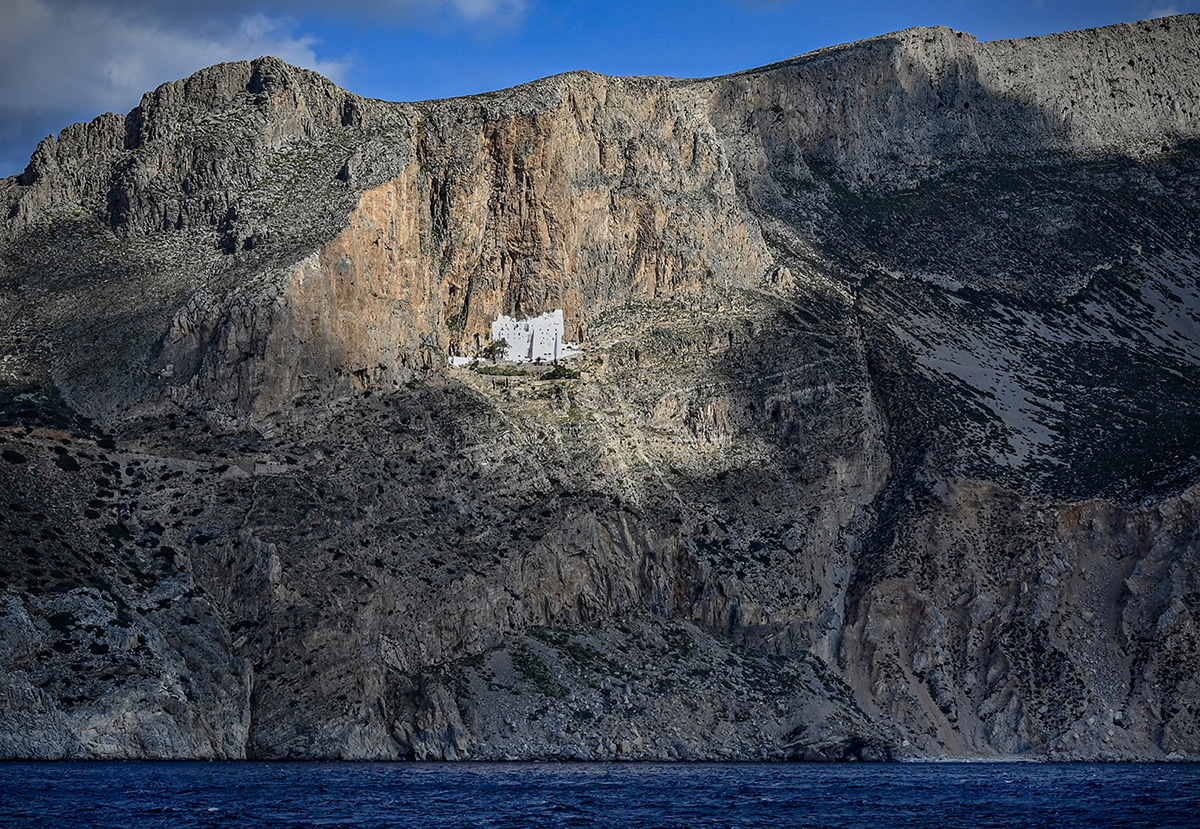
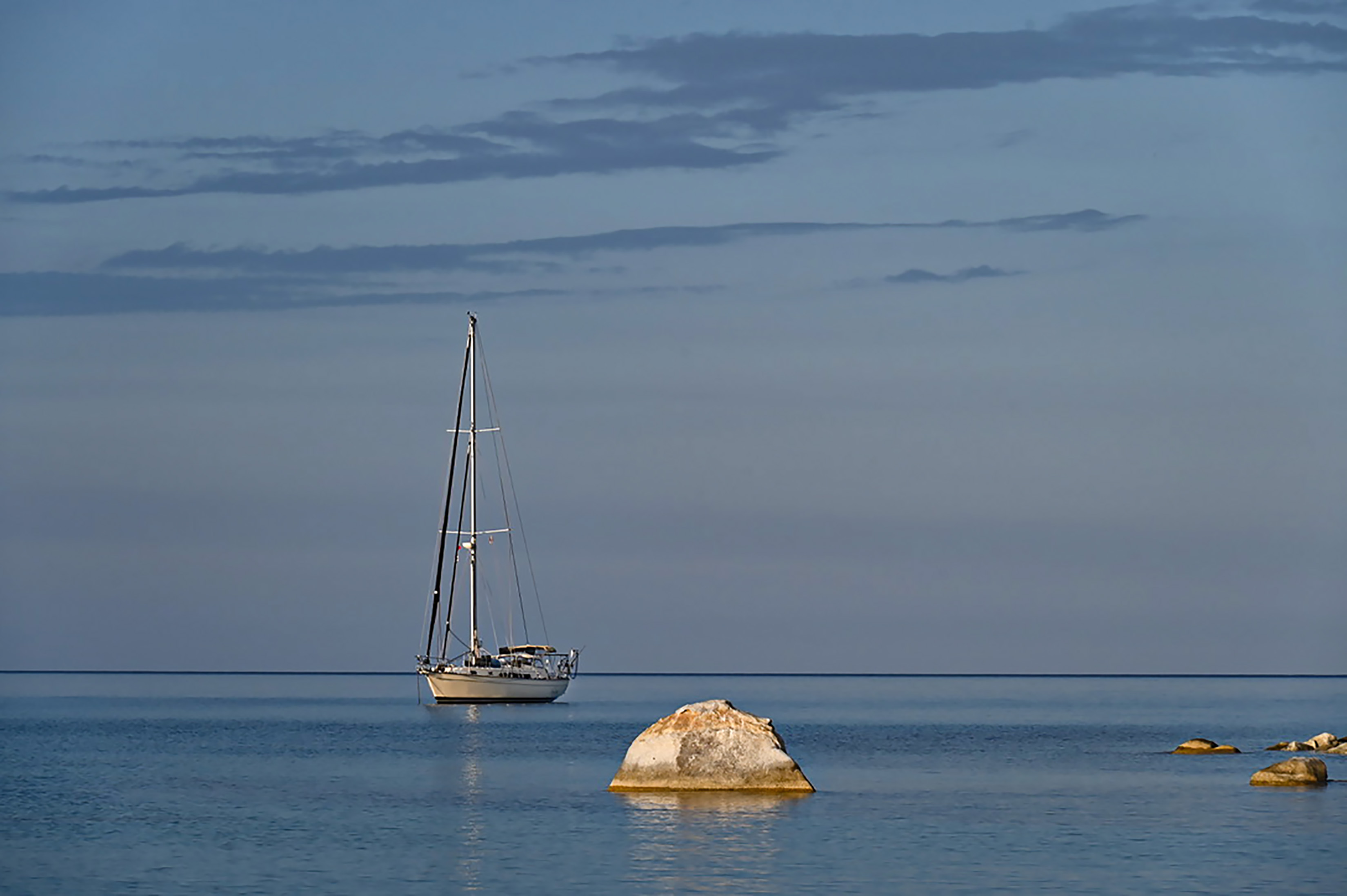
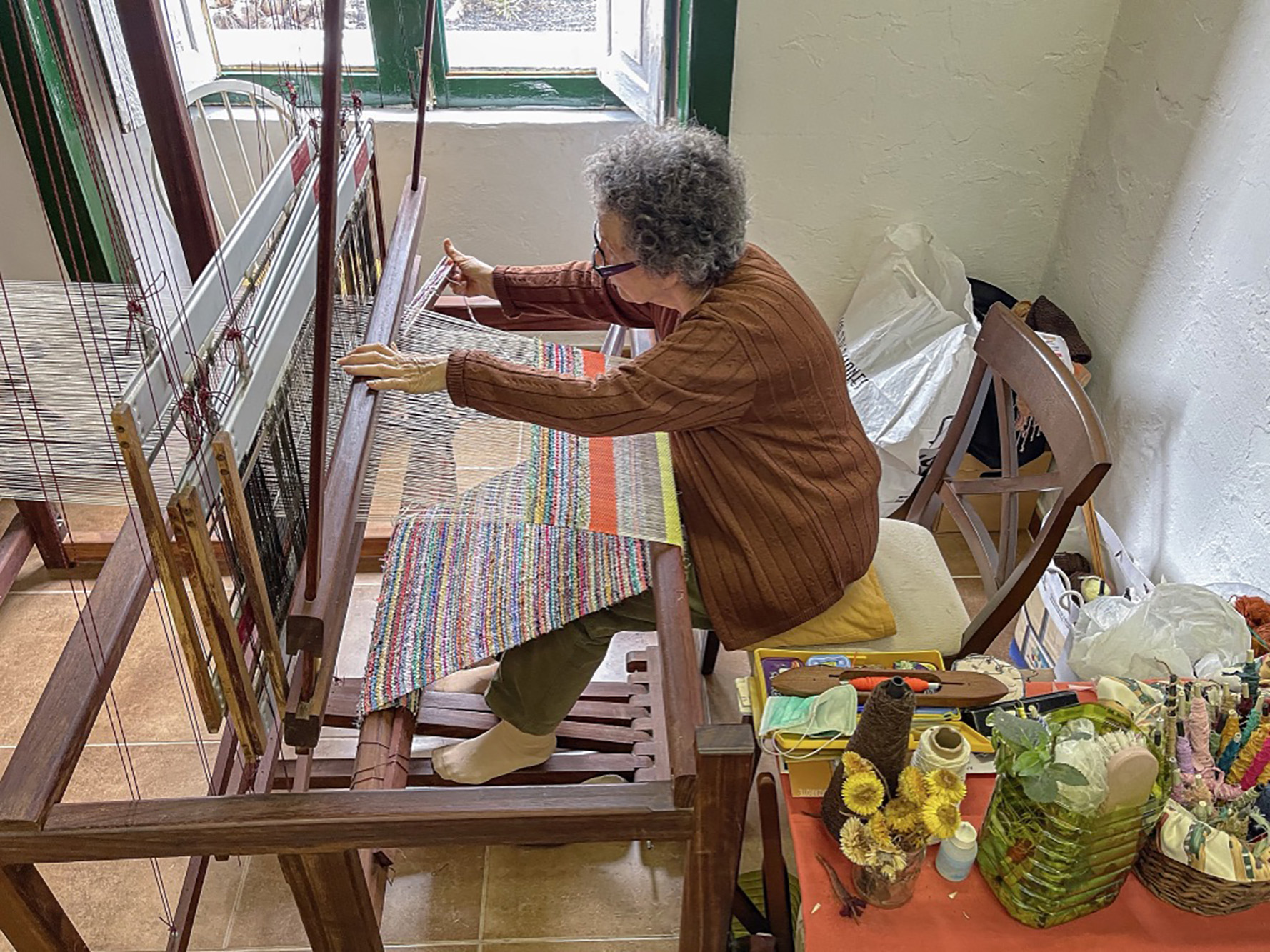
Click a photo in the gallery below and scroll for captions and high-resolution images © Jeffrey Cardenas


Places of Wonder

The engineering feat of Porto Flavia, Sardinia, cut into the sheer rock, made it unique at the time of its construction in 1923

I was continually in a state of wonder at the history surrounding this leg of the passage around the world.

I sailed in the wakes of the ancient Egyptians, Julius Cesar, and Admiral Horatio Nelson. In the Middle Sea, the Hellenic ruins of the Eastern Mediterranean were gradually replaced by surviving relics of the Renaissance and the ascension of Europe. At Malta, 2021 Easter services in the stunning St John’s Cathedral were cancelled because of the pandemic, but a generous security guard opened a side door, allowing me a glimpse of the cathedral’s Baroque grandeur.

I continued to Sardinia from Malta, and welcomed my sailing mate Ginny Stones aboard Flying Fish. We savored the food and wine and the rugged anchorages from Cagliari to the Gulf of Orosei. Ginny’s visit was brief, and after a month, I sailed onward to the Balearic Islands, mainland Spain, Gibraltar, and finally to the Atlantic Ocean islands of the Canaries and Cape Verde.

Click a photo in the gallery below and scroll for captions and high-resolution images © Jeffrey Cardenas


Joyful People

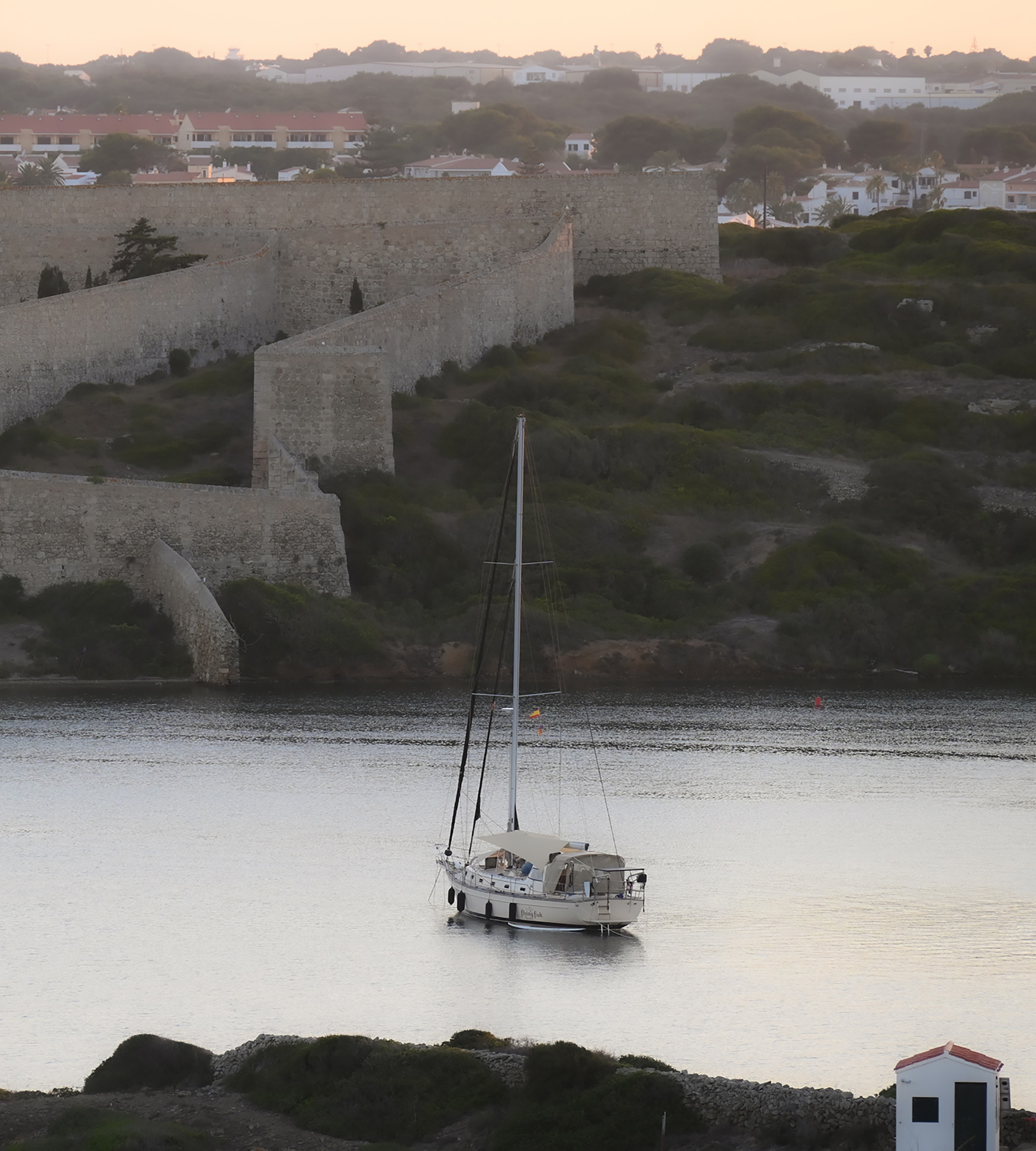
Charlie Vialle, age 6, takes the helm of Flying Fish at Cala Teulera in Menora

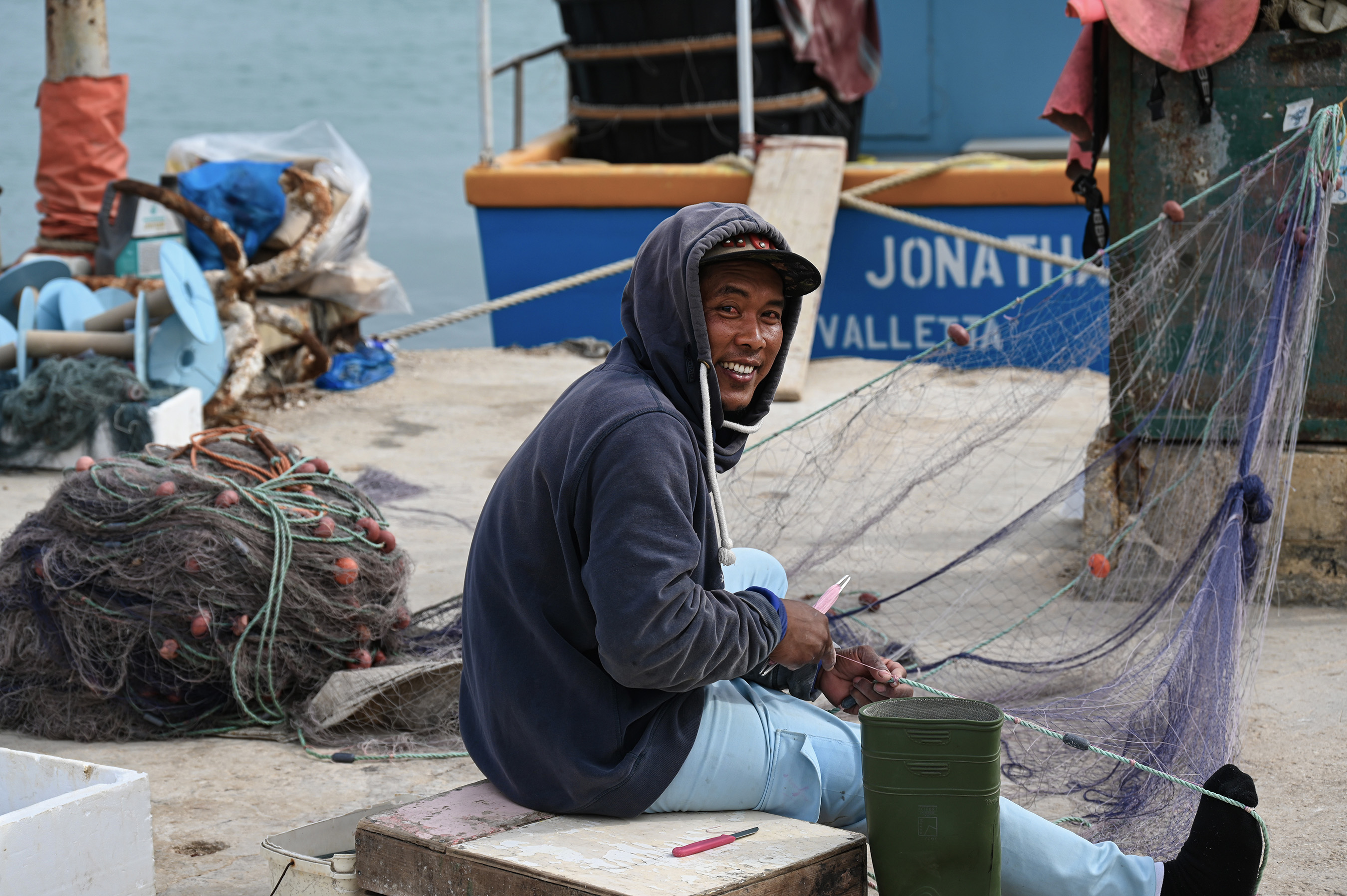
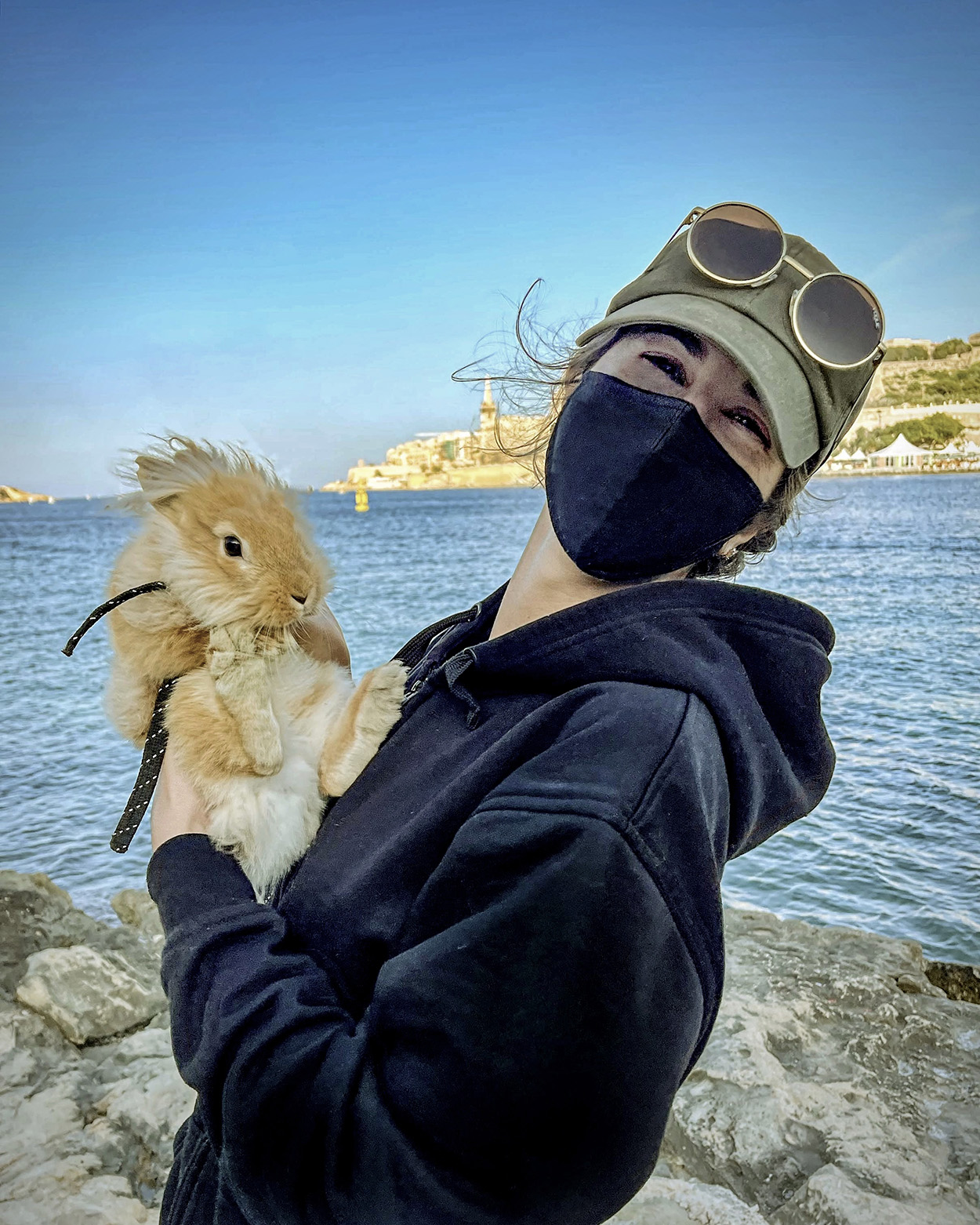
From Turkey to the Strait of Gibraltar, the people of the Mediterranean welcomed me as I journeyed into their towns and villages aboard Flying Fish. Despite my vaccination, I still needed COVID tests at every landfall. None was more enjoyable than in Sardinia, where a lovely Italian doctor came aboard Flying Fish and stuck a swab up my nose.

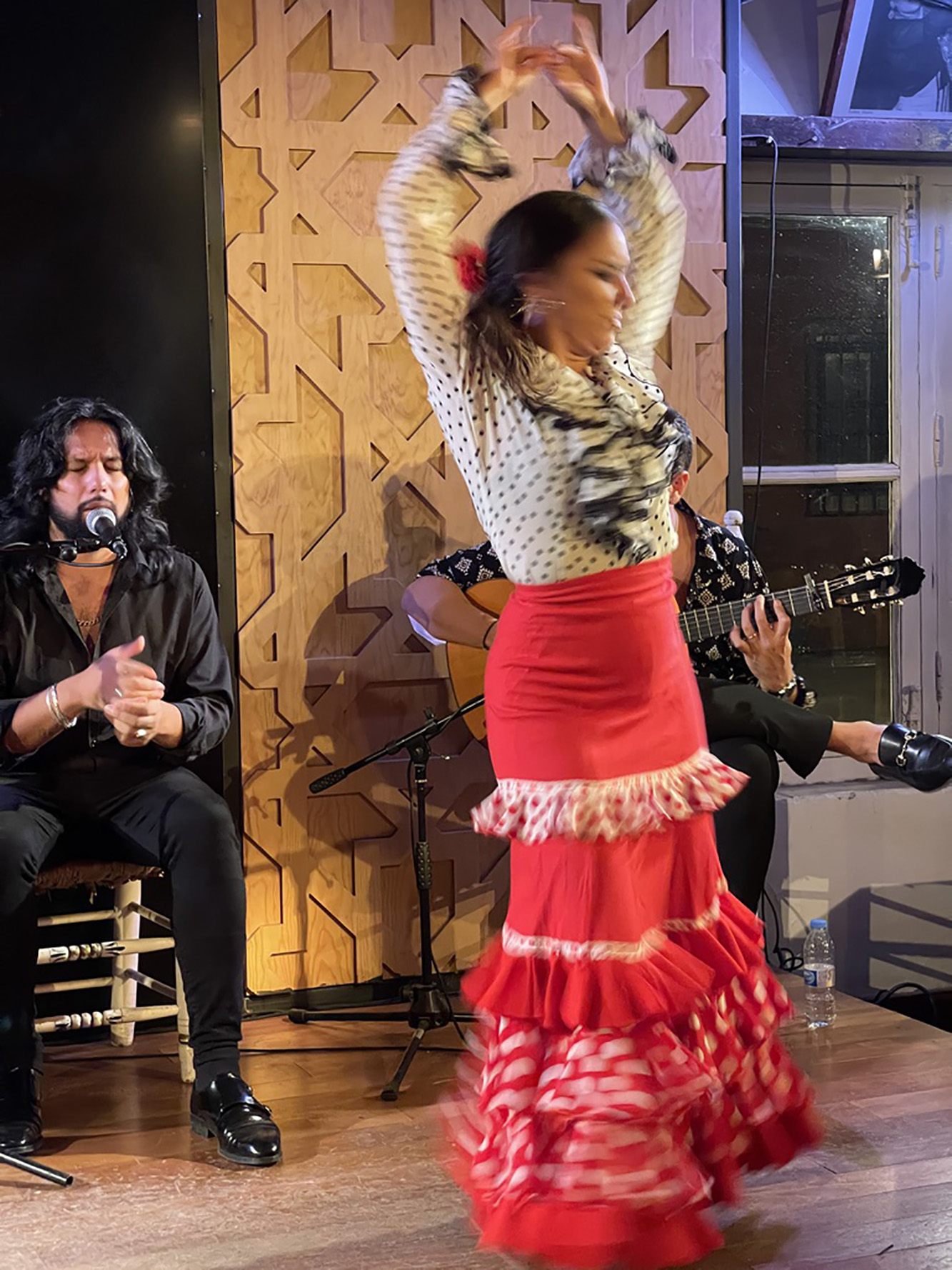
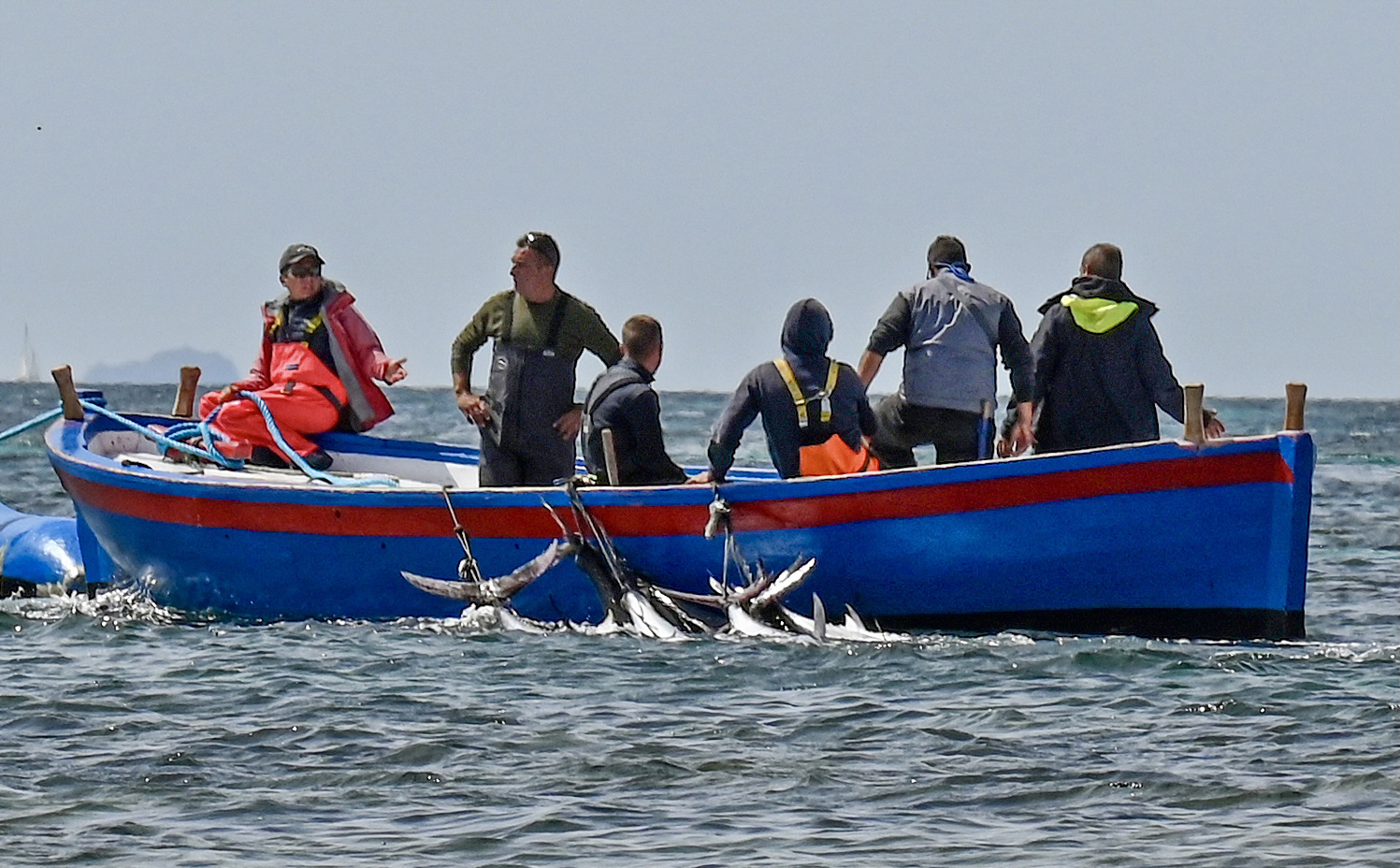
The cafes were full of life, and Ginny found herself surrounded by Italian schoolboys. Three men, all named Mehmet, helped make repairs to Flying Fish in Turkey. I swooned to Flamenco in Grenada, ate fresh tuna hand-caught by Italian fishermen, swayed to a drum circle on a dark beach in Ibiza, and watched a man exercise his swimming horse in the harbor of Marsaxlokk, Malta.

The world was still in the midst of a global pandemic, but you would never know it by the smile in the eyes of the people I met in the Mediterranean.

Click a photo in the gallery below and scroll for captions and high-resolution images © Jeffrey Cardenas


Bizarre Nature

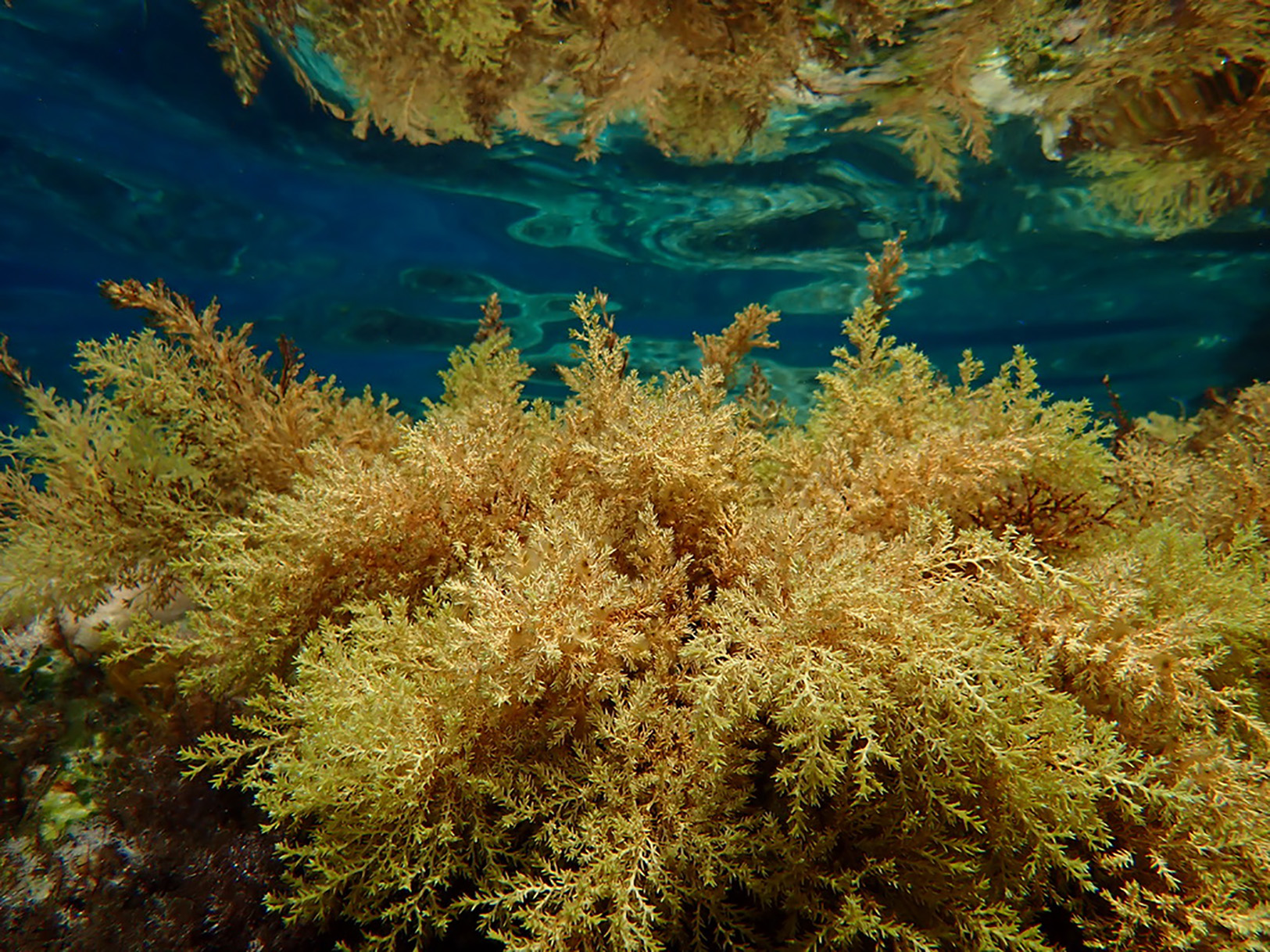
The natural beauty of the Mediterranean is unique in the world.

There are no multicolored coral reefs as in Polynesia. The fish population in the Mediterranean has been feeding people for eons, and in many areas that resource is depleted. There are, however, plenty of two-legged animals (usually wearing thongs in the summertime), especially in the chichi beach resorts of the Mediterranean.

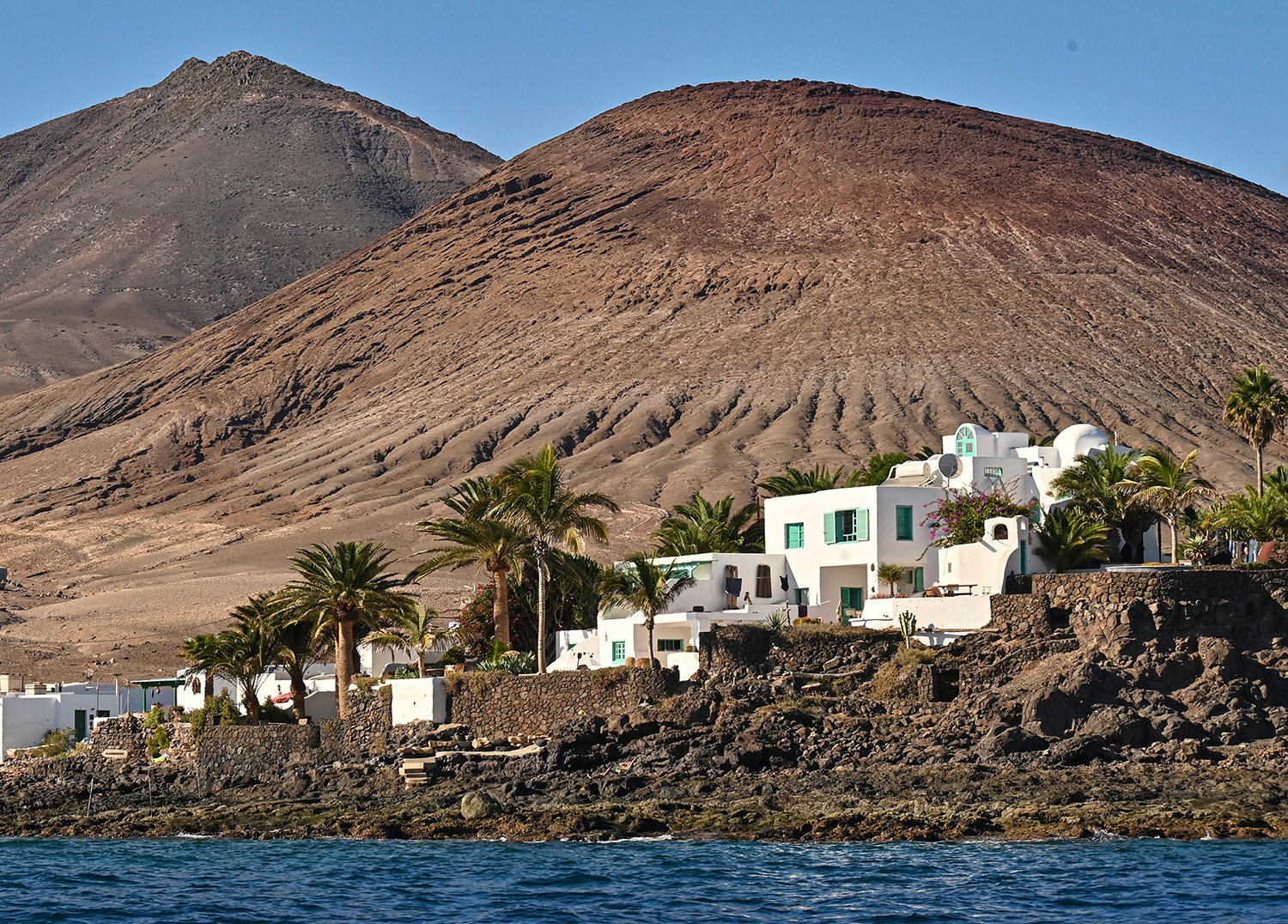
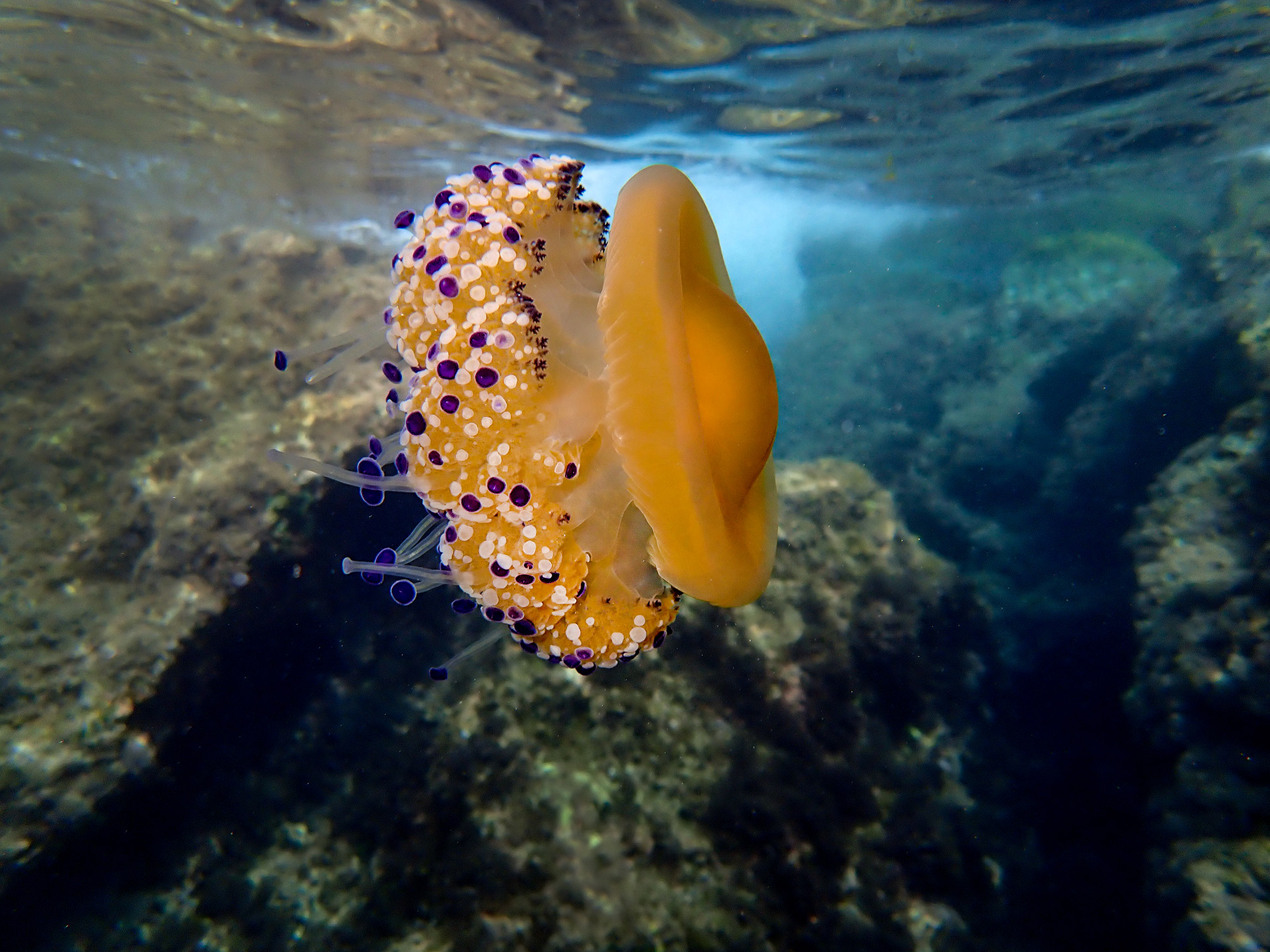
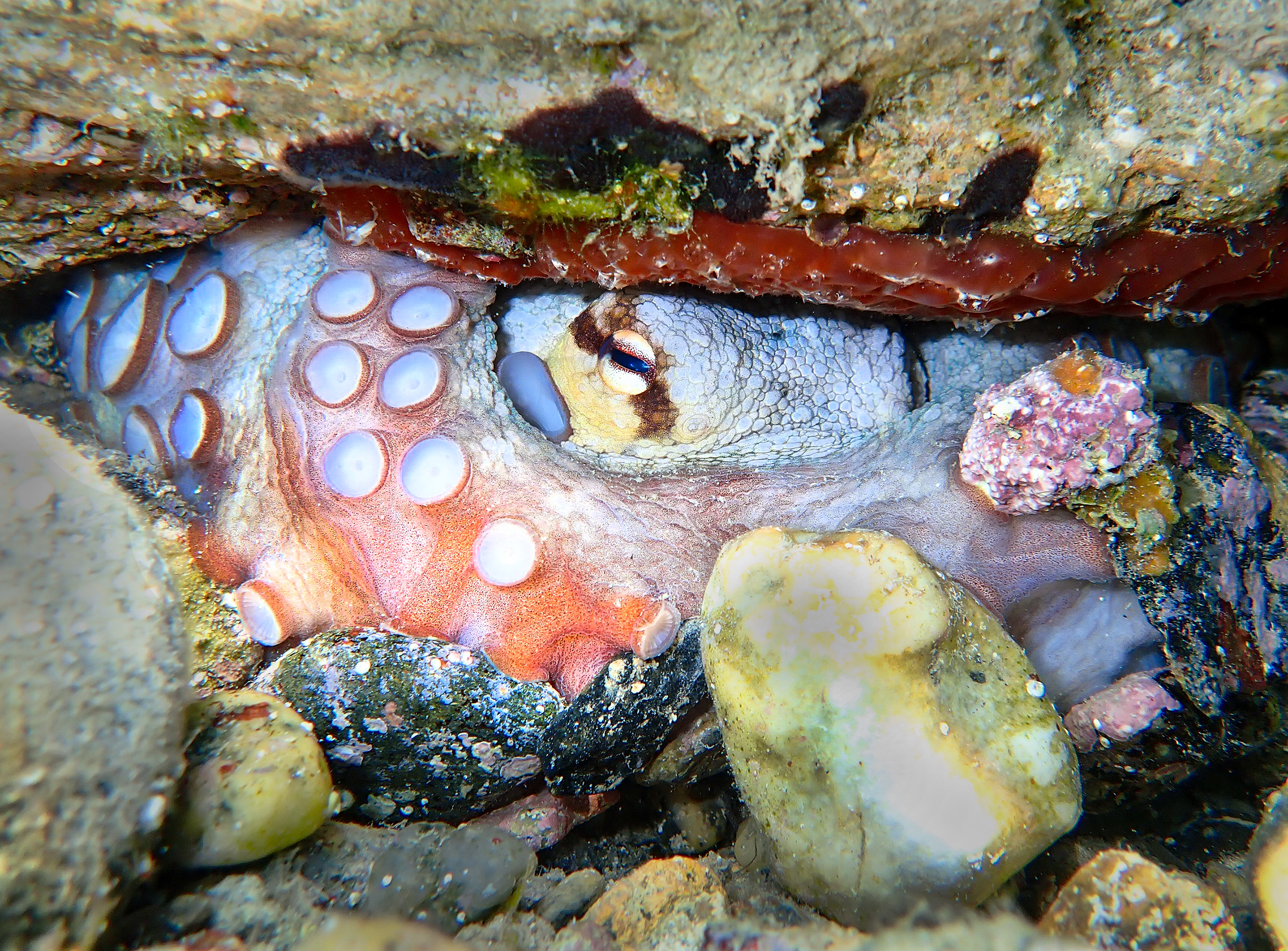
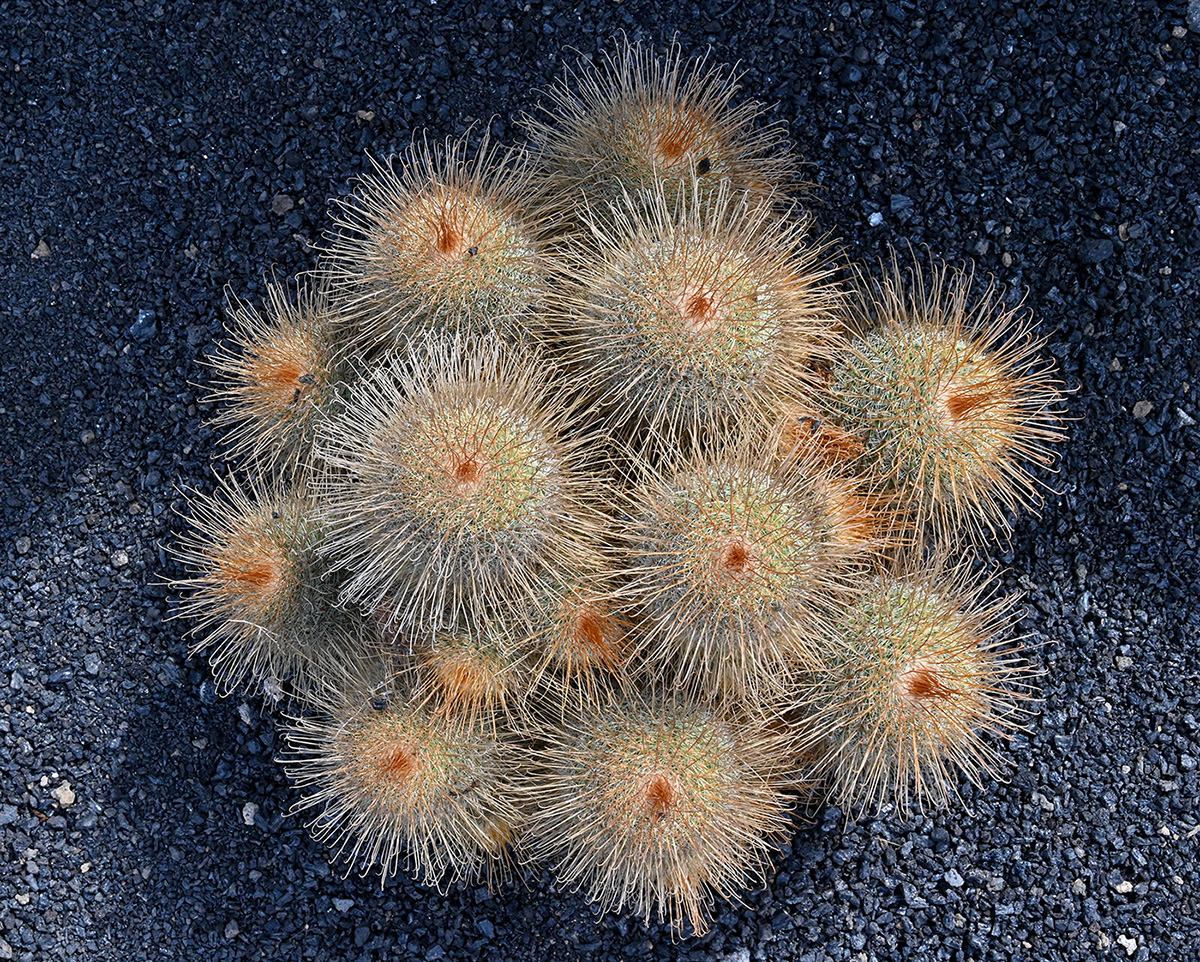
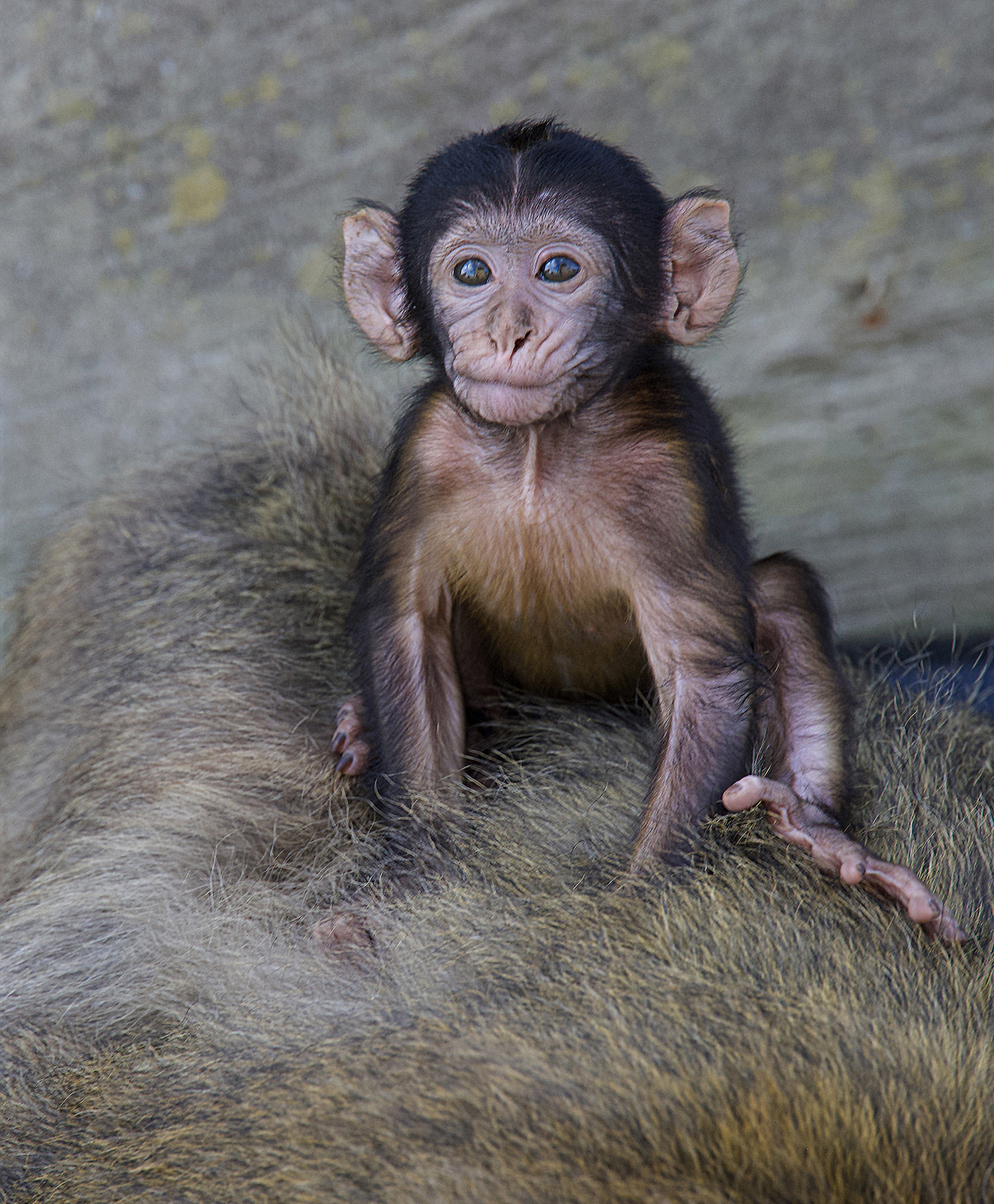
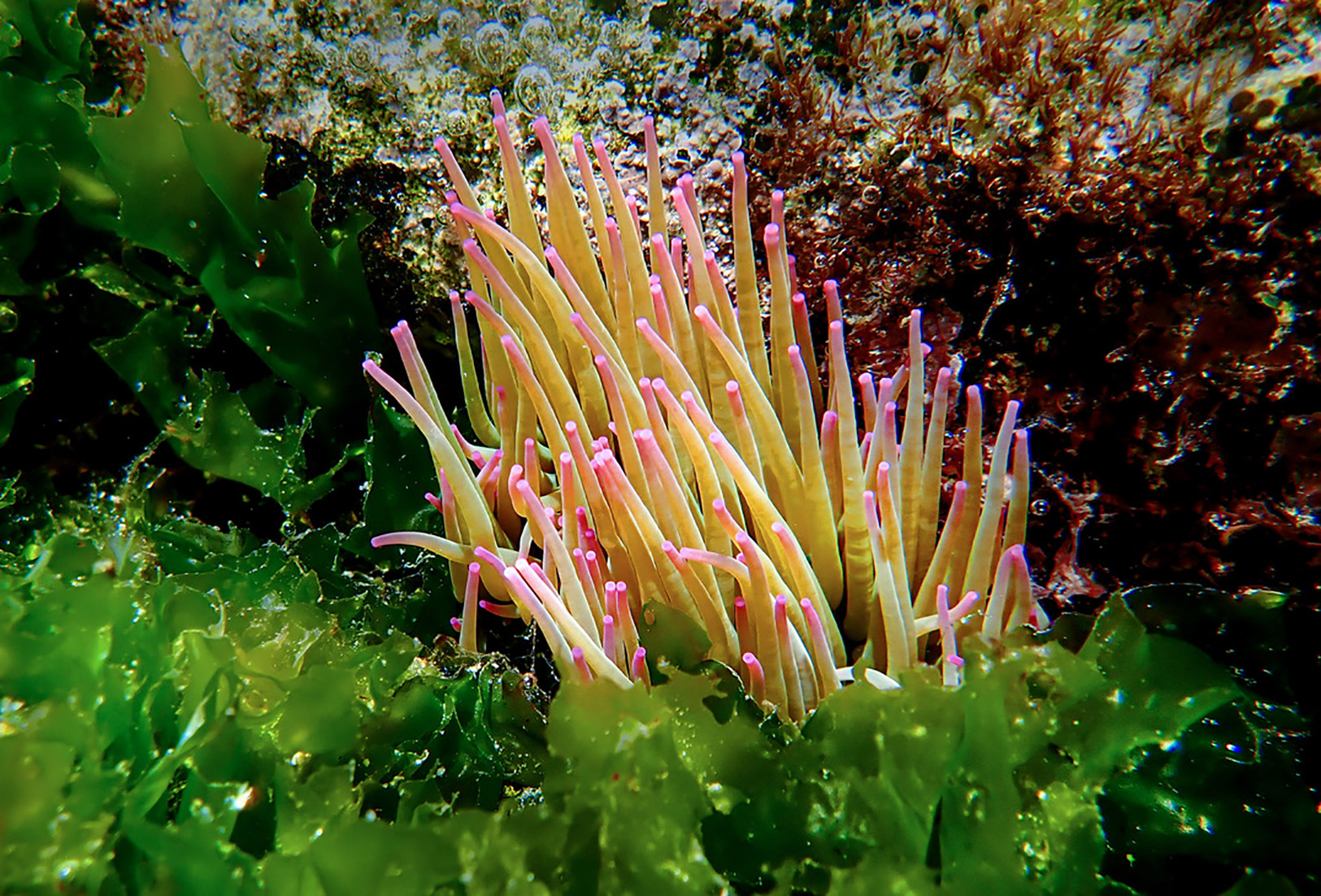
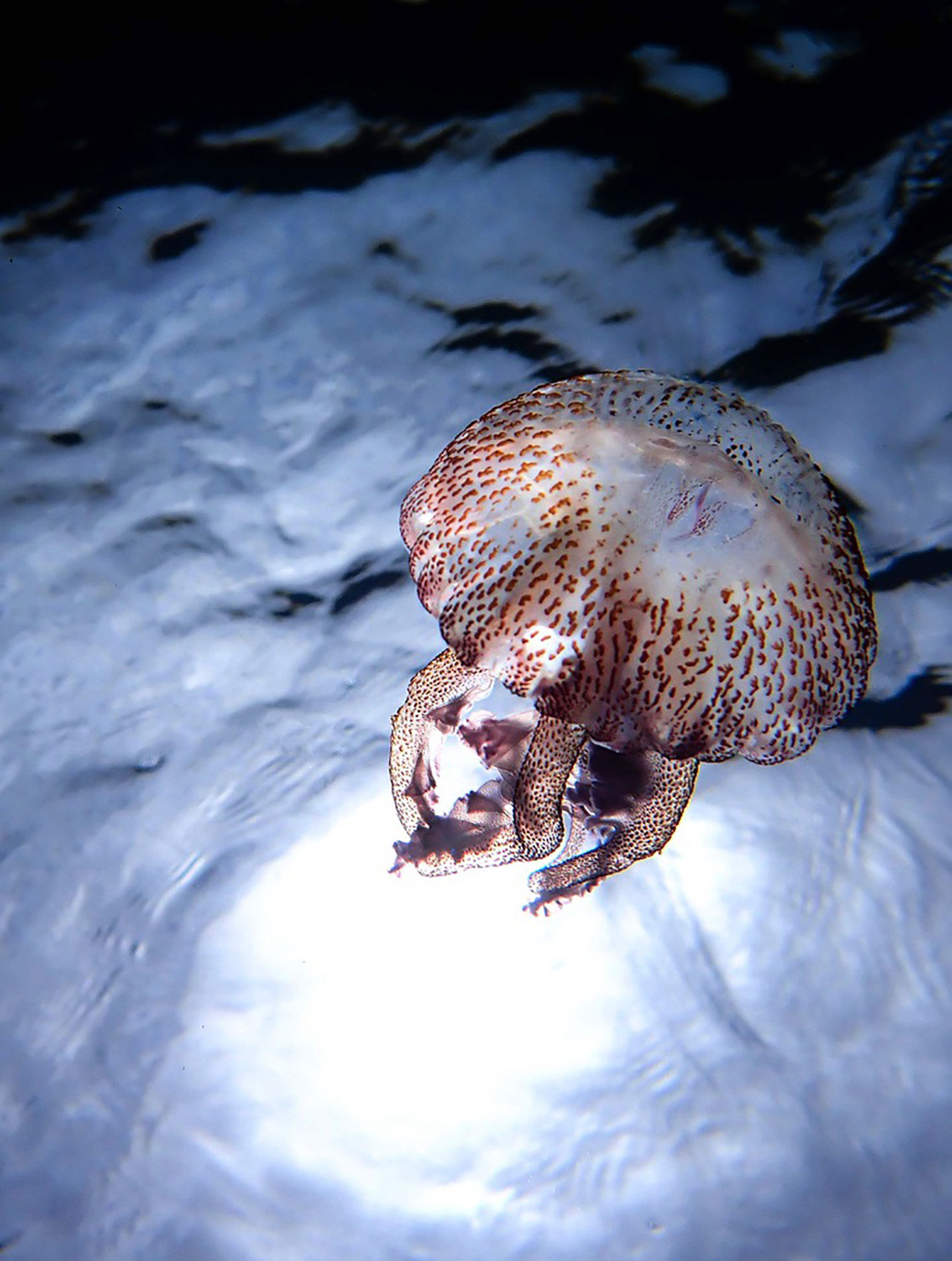
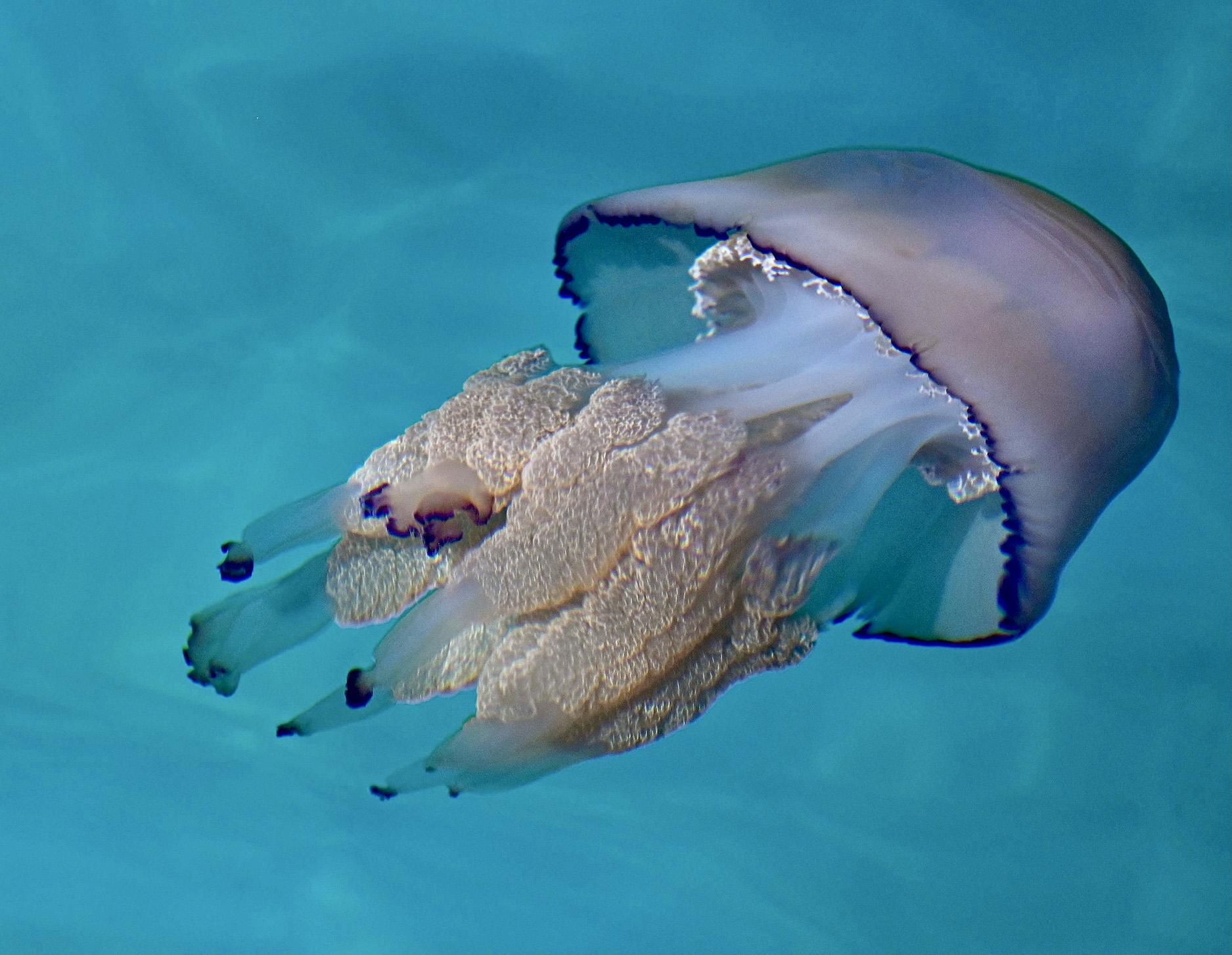
I was more fascinated in searching out the unusual lifeforms. Jellyfish intrigued me. The Fried Egg Jellyfish is being researched for properties to treat cancer patients. I had always loved eating octopus, until I became friendly with these hyper-intelligent creatures living in the Mediterranean. Octopus is no longer on my menu. In Gibraltar, I met the famous “Rock Apes,” macaque monkeys that suffered no fools among the thousands of tourists who visited there. Tease the monkeys with people food, and you are likely to get bitten. In Lanzarote, a volcanic island seemingly without shade, I spent days wandering among the exotic cacti that flourished there.

The basic tenet of nature is adapt or perish. It was a lesson that I would be reminded of during the final passage aboard Flying Fish this year.

Click a photo in the gallery below and scroll for captions and high-resolution images © Jeffrey Cardenas


A Memorable Passage

The year’s final passage aboard Flying Fish was the most memorable.

Ginny again joined me in Gran Canaria for the transatlantic passage to the Caribbean. We fueled and provisioned Flying Fish, and then waited for a perfect weather window to make the 3,000-mile crossing to the Caribbean. I had made this passage before. The Atlantic hurricane season had ended, and the forecast called for a 20-day downwind sleigh ride to Antigua.

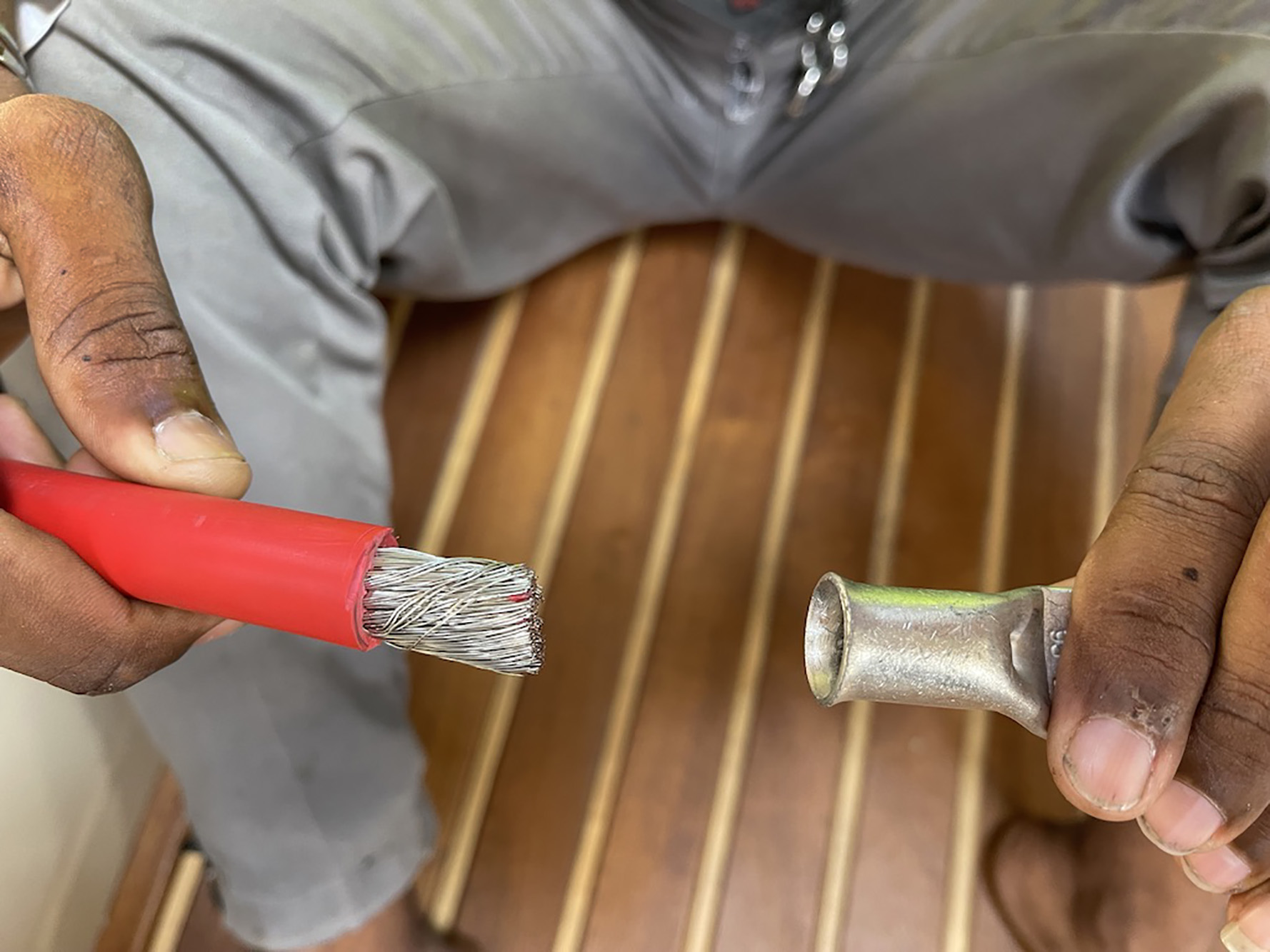
What we thought would be an idyllic sail became challenging in unexpected ways. Early on, the mainsail halyard parted, requiring a jury-rigged topping lift to get the sail back up. The weather intensified beyond its forecast, but the good ship Flying Fish is solid, and it handled 30-knot winds with ease. Suddenly, all DC electrical power quit (the result of an uncrimped battery cable, we found out later.) We were sailing traditionally with no autopilot, no navigation, no engine, no electric pumps, no lights, stove, or toilets. The wind increased to gale force near 40 knots. (A sailboat in the ARC Rally departing Gran Canaria at the same time suffered tragedy; a crew member was killed by a boom strike, another was injured, and the remaining crew member abandoned the boat at sea.) Our situation was not life threatening, but it was complicated to manage.

Rather than hand-steer our 22-ton cutter with no navigation except dead reckoning for the remaining three weeks to the Caribbean, Ginny and I decided instead to divert Flying Fish 500 miles to Cape Verde to sort things out. It was a difficult but correct decision.

Here’s the thing about undertaking and overcoming unexpected challenges at sea; the tough part is temporary, and when it is over the resulting feeling (endorphin rush, or whatever) is exhilarating–unlike anything ever experienced. Despite the hardship and disappointment, this memorable passage left me feeling vital, energetic, and present. It made me want more. Remembering the words of Oscar Wilde, I lived in 2021.

###

Click a photo in the gallery below and scroll for captions and high-resolution images © Jeffrey Cardenas

The 2021 route of Flying Fish from Didim, Turkey to Mindelo, Cape Verde

Flying Fish is being refitted in Cape Verde and will resume its passage toward Key West early in 2022.

As always, Sailing is not just about the wind and the sea; equally important are the places where Flying Fish carries me, and the flora, fauna, and people I encounter along the way.

Please click “Follow” at the bottom of this page so that you don’t miss a new update,- and please consider sharing this post with others who might enjoy following the voyage of Flying Fish. I welcome your commentsand I will always respond when I have an Internet connection. I will never share your personal information.

You can follow the daily progress of Flying Fish, boat speed (or lack thereof), and current weather as I sail into the Atlantic by clicking this satellite uplink: https://forecast.predictwind.com/tracking/display/Flyingfish. A Bonus: Click the “Legends and Blogs” box on the right side of the tracking page for passage notes while I am sailing offshore. 

To see where Flying Fish has sailed since leaving Key West in 2017, click here: https://cruisersat.net/track/Flying%20Fish.

Instagram: FlyingFishSail
Facebook: Jeffrey Cardenas

Text and Photography © Jeffrey Cardenas 2021

Let this be a time of grace and peace in our lives   – Fr. John Baker

An Ocean Ahead

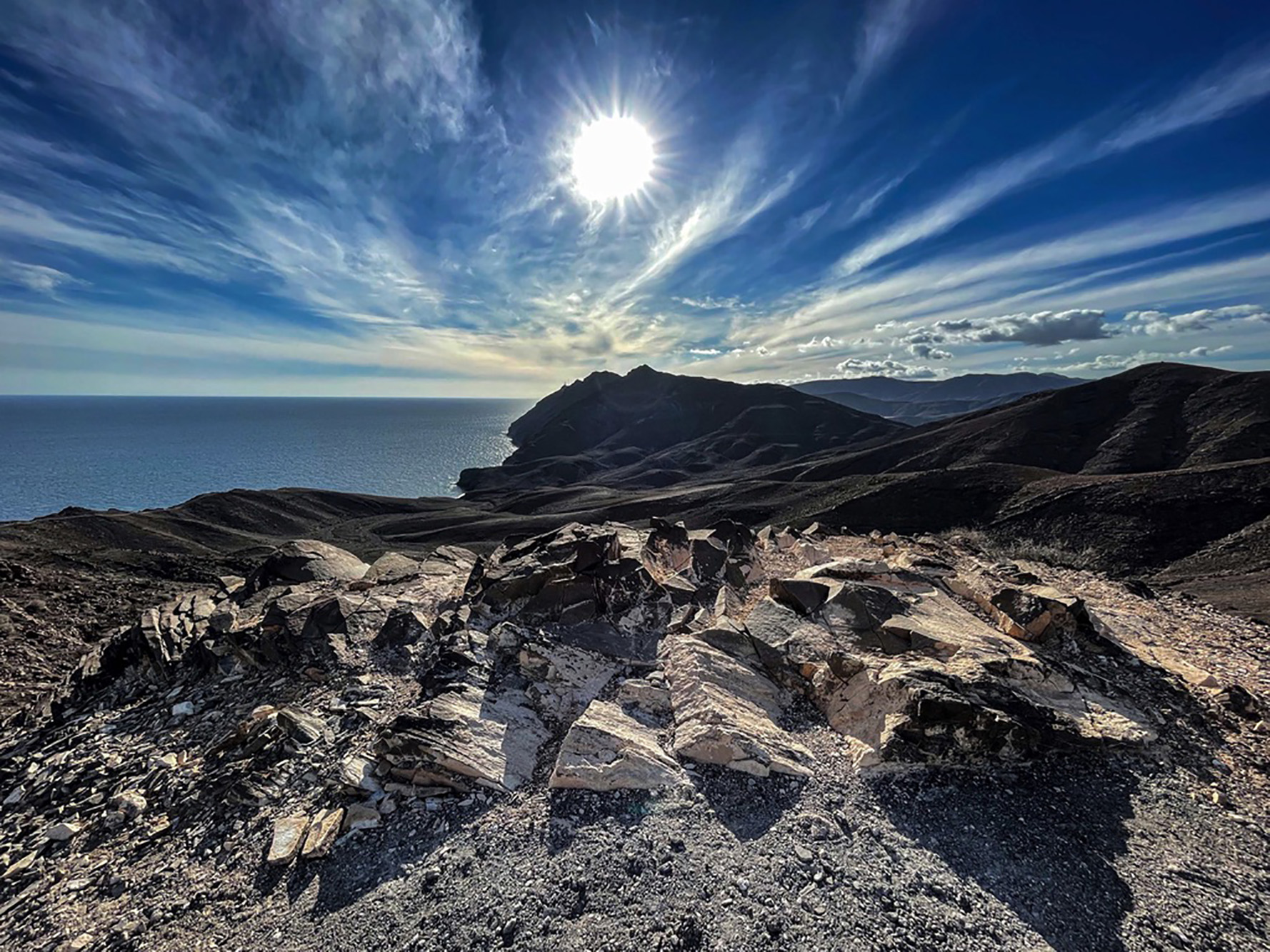
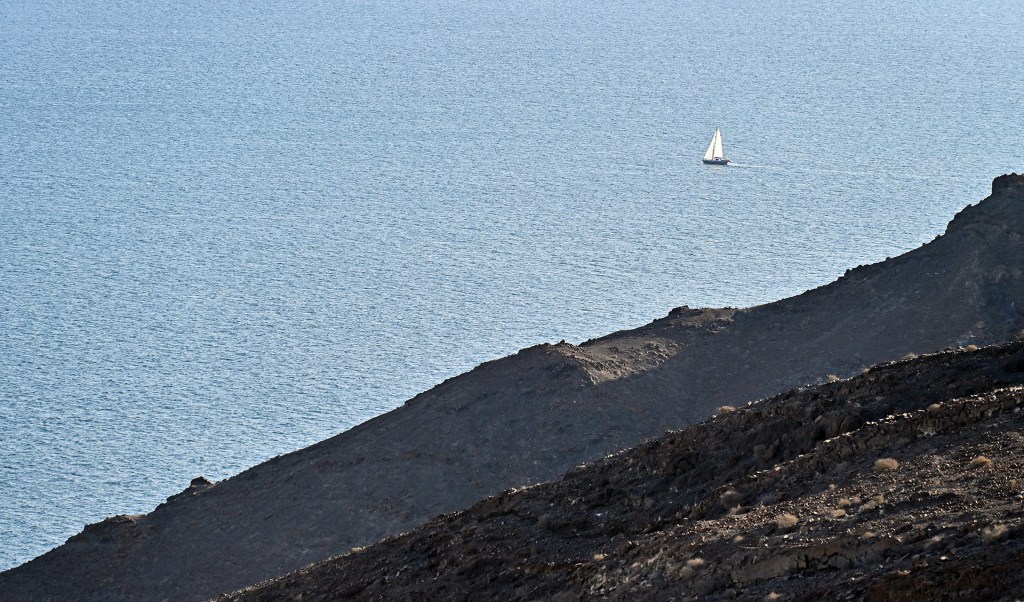
A view from the volcanic landscape of the Canary Islands as a sailboat gets underway in the direction of the northeast tradewinds. © Jeffrey Cardenas

Tomorrow, Flying Fish sets sail for the other side of the Atlantic Ocean. The excitement of an imminent departure has my body and mind vibrating with anticipation. One more ocean ahead.

Onboard for this passage is the inimitable Ginny Stones, mother, dog lover, lawyer, sailor, and my life partner. We haven’t seen a lot of each other in the four years that I have been sailing Flying Fish. I have sailed alone for much of this voyage. Along the way, Ginny has caught up with Flying Fish for visits in Panama and Papeete, New Zealand and Sardinia, but this will be our longest period of time together onboard. Change is good.

Our routing for this passage is Gran Canaria to Antigua, approximately 3,000 miles. Rather than follow a great circle route, we will first head south to the latitude of Dakar before turning west to find the northeast tradewinds. The weather will be erratic during our first week with a strong gale and building seas developing to the north and deep pockets of calm air settled in to the south. Once near the Cape Verde Islands, the forecasting changes to show the consistent east-to-west prevailing winds that will carry us to the Caribbean. If all goes well, the passage will take 18-21 days, and that should give Ginny and me plenty of time to become reacquainted.

This will be the last post until we reach the other side, but you can follow the satellite track of Flying Fish across the Atlantic here: https://forecast.predictwind.com/tracking/display/Flyingfish

There is also a space on that tracking page for passage notes, which I will post daily via satellite. Click the box, Legends and Blogs, for our thoughts and observations as we cross the ocean. Unfortunately, the low bandwidth of the satellite will not allow me to respond to your comments until we reconnect to WiFi again in Antigua.

Thank you for sharing this journey with us. Onward!

Ginny Stones, aboard Flying Fish in 2017, in our home waters of Key West. © Jeffrey Cardenas

Sailing is not just about the wind and the sea; equally important are the places where Flying Fish carries me, and the flora, fauna, and people I encounter along the way.

Please click “Follow” at the bottom of this page so that you don’t miss a new update,- and please consider sharing this post with others who might enjoy following the voyage of Flying Fish. I welcome your comments, and I will always respond when I have an Internet connection. I will never share your personal information.

You can follow the daily progress of Flying Fish, boat speed (or lack thereof), and current weather as I sail into the Atlantic by clicking this satellite uplink: https://forecast.predictwind.com/tracking/display/Flyingfish. A Bonus: Click the “Legends and Blogs” box on the right side of the tracking page for passage notes while I am sailing offshore. 

To see where Flying Fish has sailed since leaving Key West in 2017, click here: https://cruisersat.net/track/Flying%20Fish.

Instagram: FlyingFishSail
Facebook: Jeffrey Cardenas

Text and Photography © Jeffrey Cardenas 2021

Let this be a time of grace and peace in our lives   – Fr. John Baker

Siempre te recordaré, Lanzarote

Memory is the product of physical sensation, and what we taste, smell, hear, touch, and see forms the record of our life. The island of Lanzarote, so unique in every aspect, triggers each of the five sensations and maps them onto our brain’s cortex. As I set sail from Lanzarote this morning, I need only close my eyes to relive the past month on this idiosyncratic island in the Atlantic Ocean.

Gustatory, the sense of taste–At Arrieta, the succulent flavor of a grilled fish, still simmering, is served on the sand next to the sea. Along the Ruta de Los Volcanes, a chicken roasts over the raw-earth heat of an open volcanic fissure.

Olfactory–Before the first drops of a young Malvasía Volcánica reach my tongue, the aromatic mineral notes of this brilliant La Geria wine fill my head. Even Shakespeare’s characters longed for a “cup of canary.”

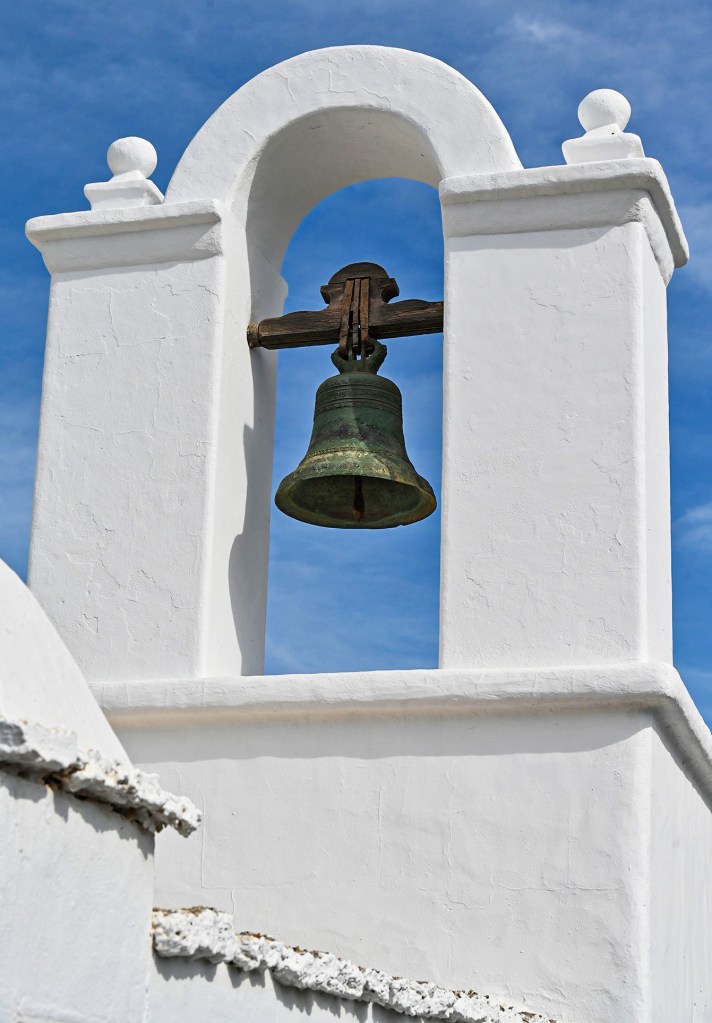
Auditory–Sunday morning church bells ring in the Haría Artesanal announcing the opening of the artisans market.

Somatosensory–In a Guatiza garden, the sensuous touch of a single finger moving along the velvet-textured leaves of aloe and agave terminates in a skin-piercing spine. It’s the age-old seduction of pleasure and pain.

Visual–In the historic quarter of the Villa de Teguise, a pretty girl in a colorful dress seeks shade against a whitewashed wall.

This is the Lanzarote that I will remember.

All images © Jeffrey Cardenas


Sailing is not just about the wind and the sea; equally important are the places where Flying Fish carries me, and the flora, fauna, and people I encounter along the way.

Please click “Follow” at the bottom of this page so that you don’t miss a new update,- and please consider sharing this post with others who might enjoy following the voyage of Flying Fish. I welcome your comments, and I will always respond when I have an Internet connection. I will never share your personal information.

You can follow the daily progress of Flying Fish, boat speed (or lack thereof), and current weather as I sail into the Atlantic by clicking this satellite uplink: https://forecast.predictwind.com/tracking/display/Flyingfish. A Bonus: Click the “Legends and Blogs” box on the right side of the tracking page for passage notes while I am sailing offshore. 

To see where Flying Fish has sailed since leaving Key West in 2017, click here: https://cruisersat.net/track/Flying%20Fish.

Instagram: FlyingFishSail
Facebook: Jeffrey Cardenas

Text and Photography © Jeffrey Cardenas 2021

Let this be a time of grace and peace in our lives   – Fr. John Baker

Canary Island Cacti

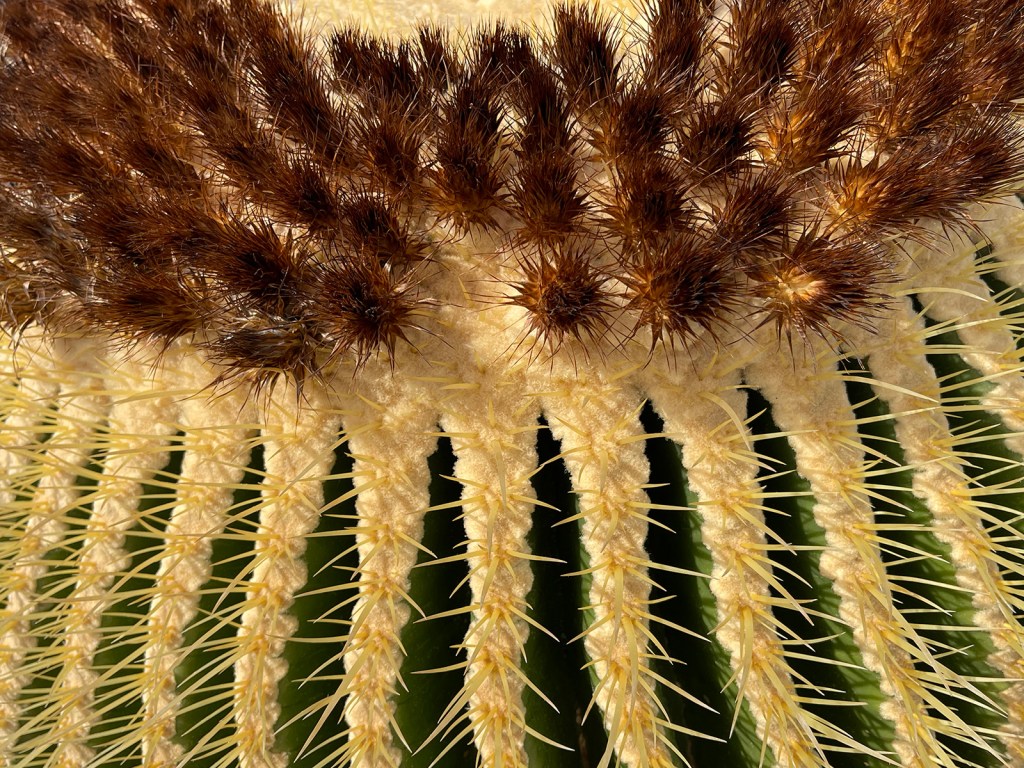
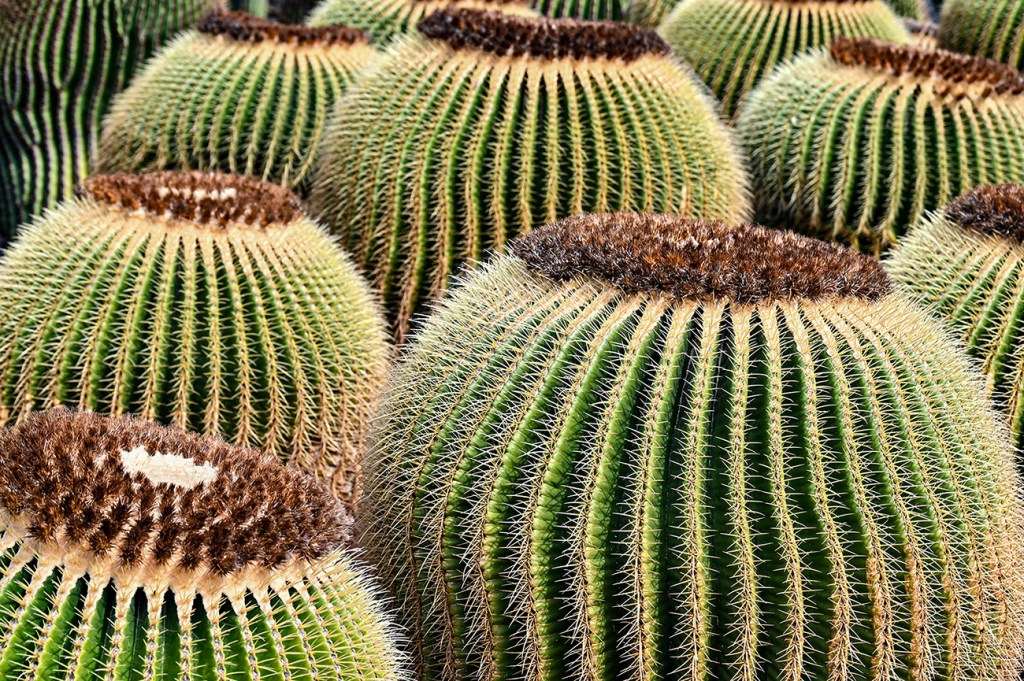
The Mother-in-Law’s Cushion cactus, Echinocactus grusonii, grows to an immense size and would certainly make for an uncomfortable seat. © Jeffrey Cardenas

An irony of Canary Island cacti is that, despite being a ubiquitous part of this island’s landscape, not a single variety of cactus originated here. Nearly all of them came from the Americas. They are travelers, like me. They want to be here. When the Spaniards brought the plants to the Canaries from the New World, it was as if the cacti said to this scorched earth, “Where have you been all of my life?” The climate is perfect for Cactaceae. It is arid and windy with hot sun and cool night air, and the black volcanic soil is an ideal medium for a cactus. In addition to grapevines and date palms, cacti are nearly the only other natural thing on the island of Lanzarote colored green. And the cacti are not just green; they also show hues of red, purple, pink, and yellow. Volcanoes turned much of this island into shades of burned toast. The cacti arrived in a rainbow of color.
Cacti are sustainable visitors. They don’t consume resources (irrigation). They literally squeeze water from stone and then hold it during long periods of drought with brilliant biology that includes a wax-like skin layer and water-retaining cell membrane. And what use is a cactus, you ask? Aside from being a beautiful plant (see below), their fruit–the prickly pear–is a delicious and important food source in the Canary Islands. (You haven’t lived until you have eaten a freshly grilled red snapper on the beach served with prickly pear salsa.) More importantly, the Opuntia variety of cacti produces a commodity to Lanzarote that was once equal to the value of gold and silver. Inconceivably, it originated in the form of a wingless female parasite called cochineal.[1]

“…one of the most precious products to come out of the West Indies is the cochineal, a commodity equal to gold and silver.”

–King Felipe III, 1620

Like an aphid or mealybug, the cochineal insect buries its proboscis into the fleshy leaves of the prickly pear cactus and satiates itself on the plant’s moisture and nutrients. As the parasite grows, it absorbs a red pigment that, when processed, becomes carmine. Carmine dye was used by Aztecs and Mayans as early as the second century BC. Cities conquered by Montezuma in the 15th century paid their yearly tributes in bags of cochineal dye.[2] After the Spanish conquest of the Aztec Empire, cochineal was exported to Spain, and by the 17th century, it was a commodity traded around the world. Cochineal dye became Mexico’s second-most valued export after silver.[3] Dye pigments produced from the cochineal insect gave the Catholic cardinals their vibrant robes and the English “Redcoats” their distinctive uniforms. The dried bugs parts were so highly prized that cochineal was regularly quoted on the London and Amsterdam Commodity Exchanges. Large-scale production of cochineal emerged, especially in Latin America and the Canary Islands.[4]

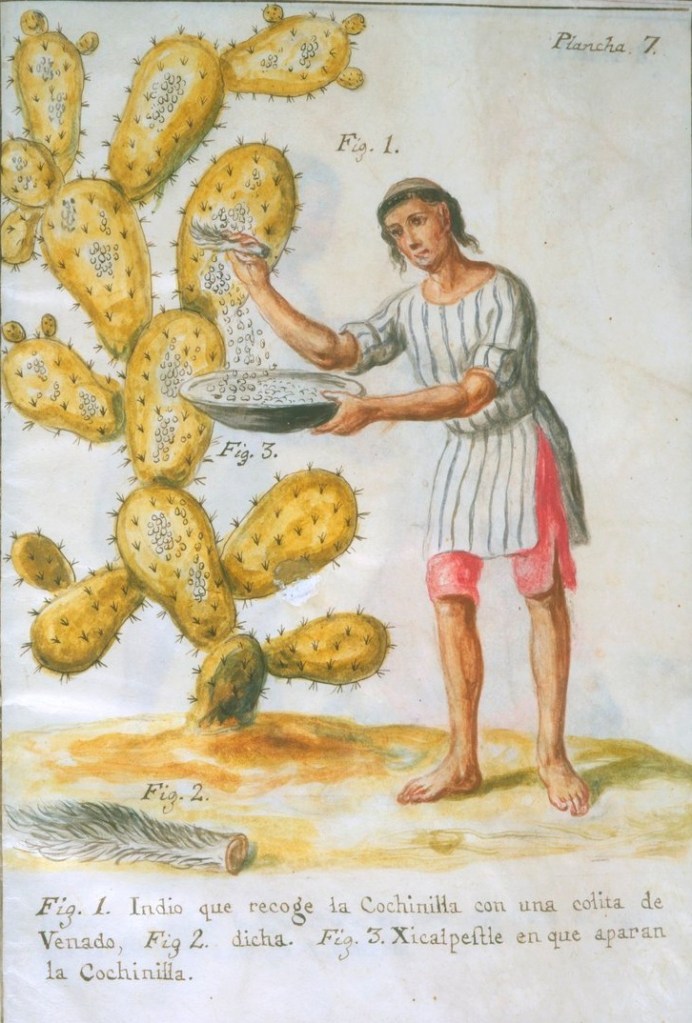
Mexican Indian Collecting Cochineal with a Deer Tail by José Antonio de Alzate y Ramírez, 1777 © Public Domain

Today, dry cochineal powder is currently selling online for as much as $500 per kilo. It takes about 80,000 to 100,000 insects to make one kilogram of cochineal dye, and the Canary Islands produces some 20 tons per year.[5] The carmine dye from Lanzarote’s plants and elsewhere is primarily used as a colorant in cosmetics and food. The water-soluble form of cochineal is included in the ingredients of a wide variety of products, including processed meats, ketchup, alcoholic drinks, juice beverages, candies, and dairy products. There was a brouhaha 10 years ago when customers discovered that Starbucks was using cochineal insect dye to make their Strawberry and Creme Frappuccino. After the inevitable headlines, Starbucks reconsidered its recipe and announced it no longer colors its coffee drinks with bugs.

I had my first taste of cactus at Lanzarote’s stunningly beautiful Jardín de Cactus in the northeastern village of Guatiza. The café there specializes in green prickly pear burgers (from locally-grown cactus) served in a carmine-red sesame seed bun with a glass of freshly-squeezed cactus juice. Yum! The Lanzarote Cactus Garden is a botanical wonderland in an abandoned picon (volcanic soil) mine at the heart of the island’s prickly pear plantations. The garden has over 4,500 specimens of cactus and other succulents, including 450 different species originating from five continents. The creation of Jardín de Cactus was the final inspiration of Lanzarote’s favorite son, environmental artist César Manrique, who died shortly after the garden was inaugurated. The garden and its integration of artistic creativity into the environment was an essential part of Lanzarote being named a UNESCO Biosphere Reserve in 1993.


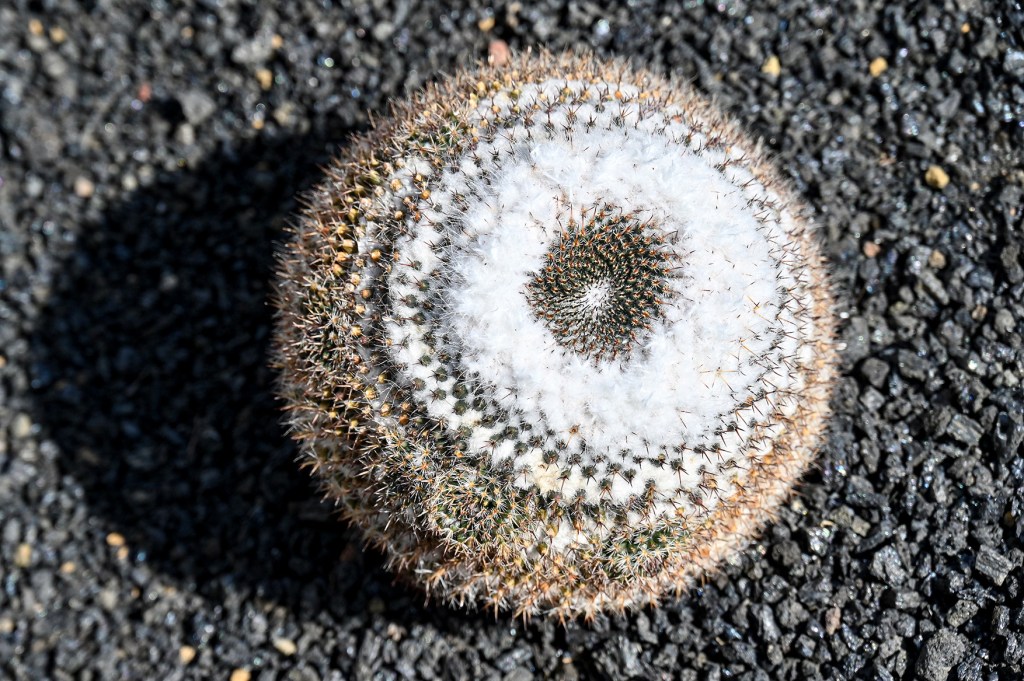
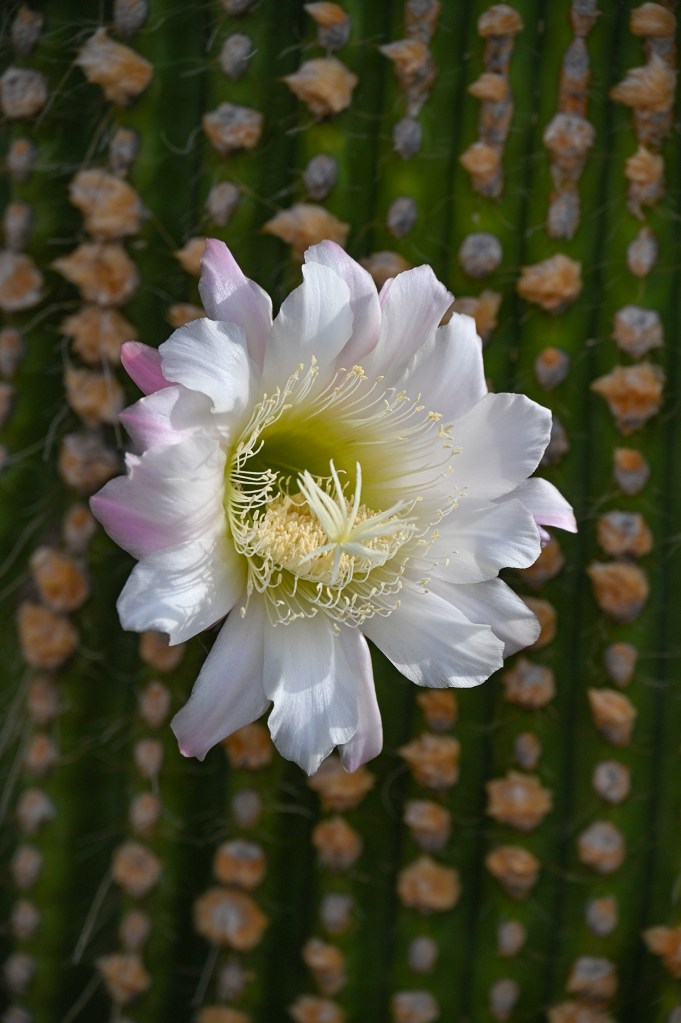
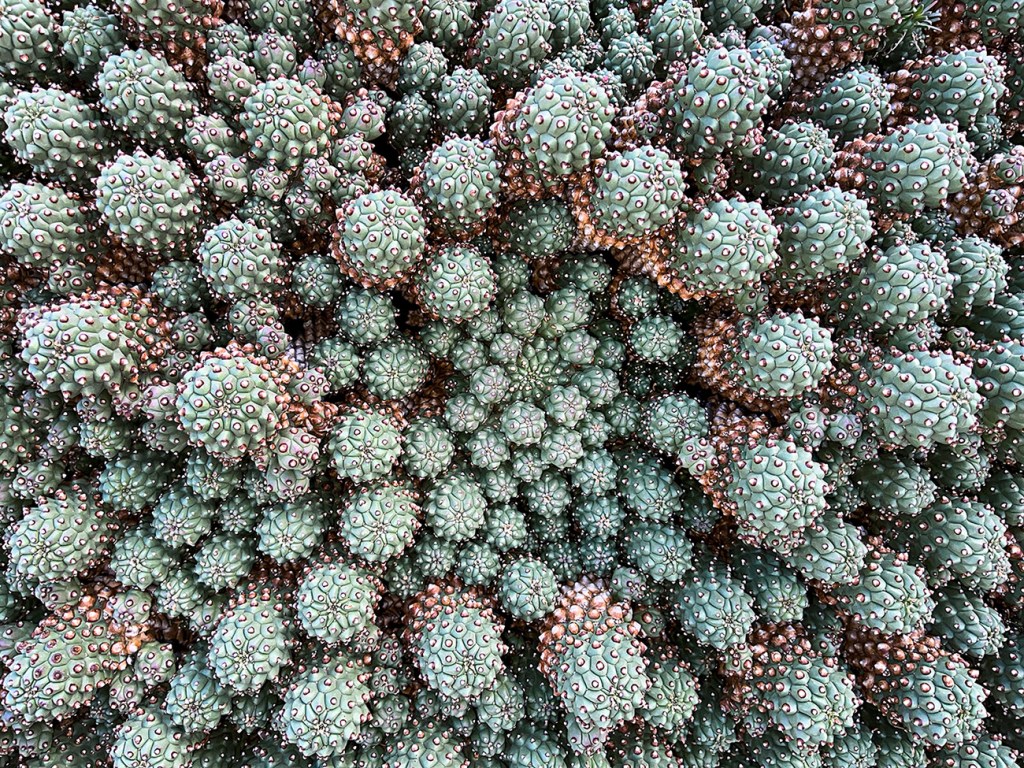
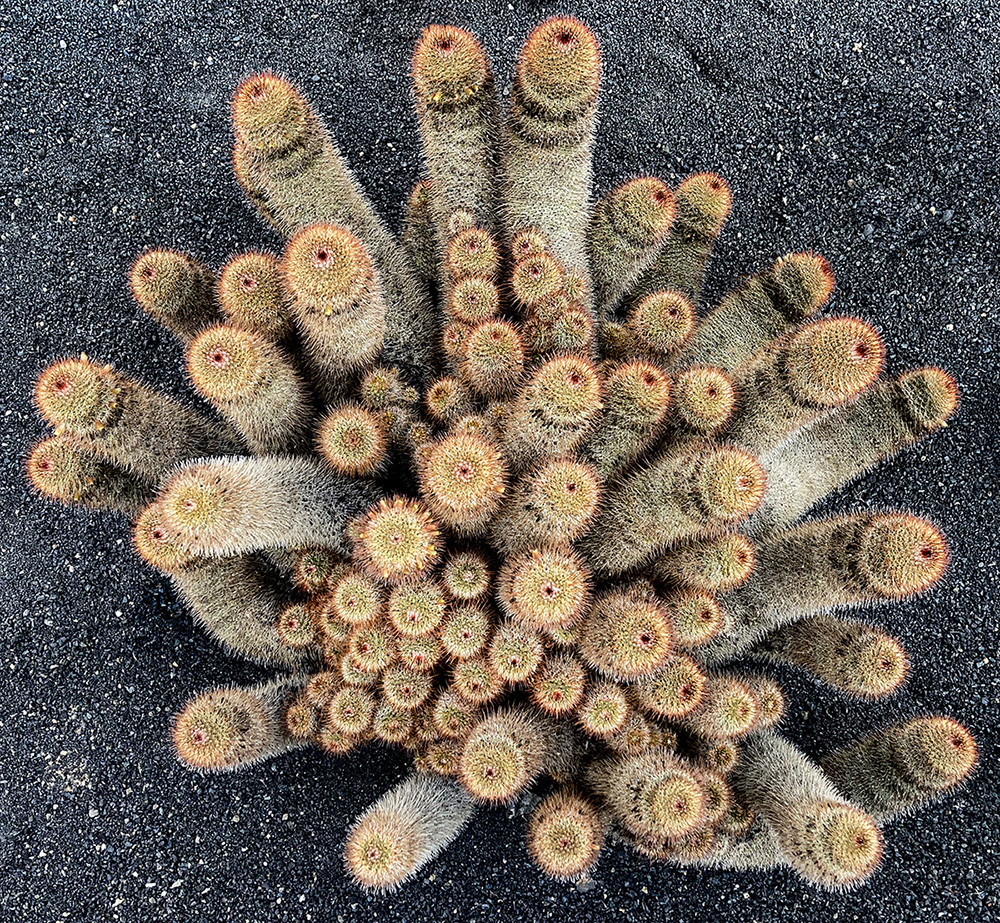
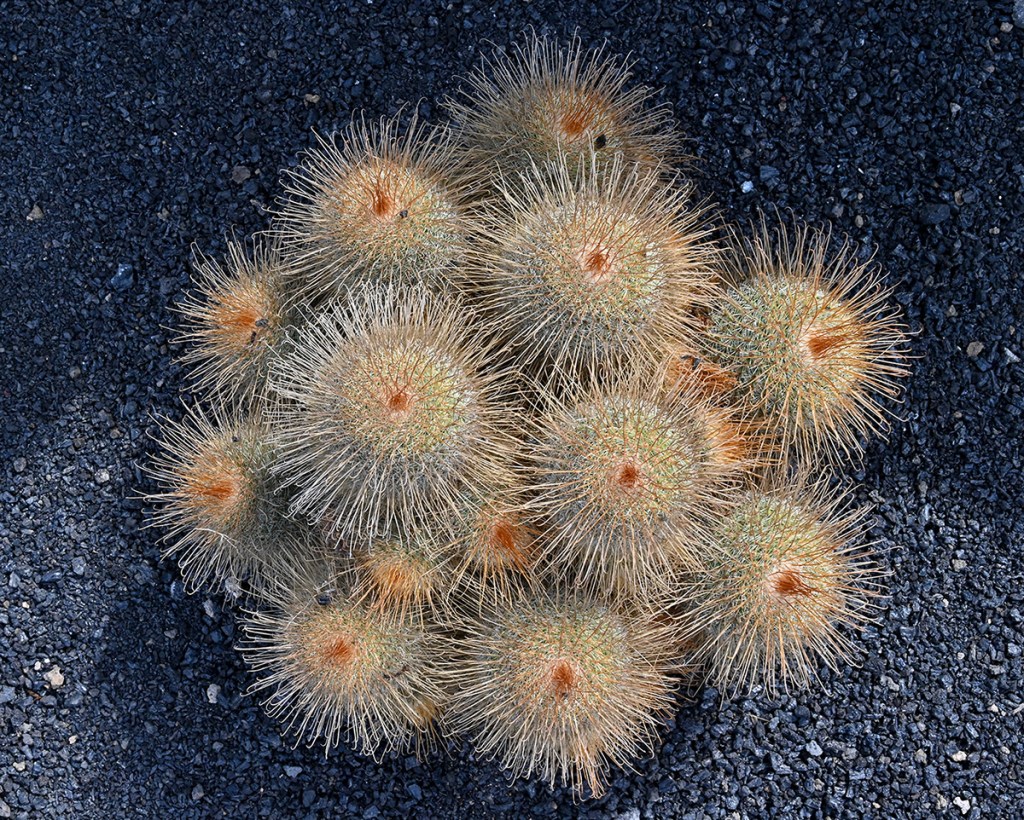
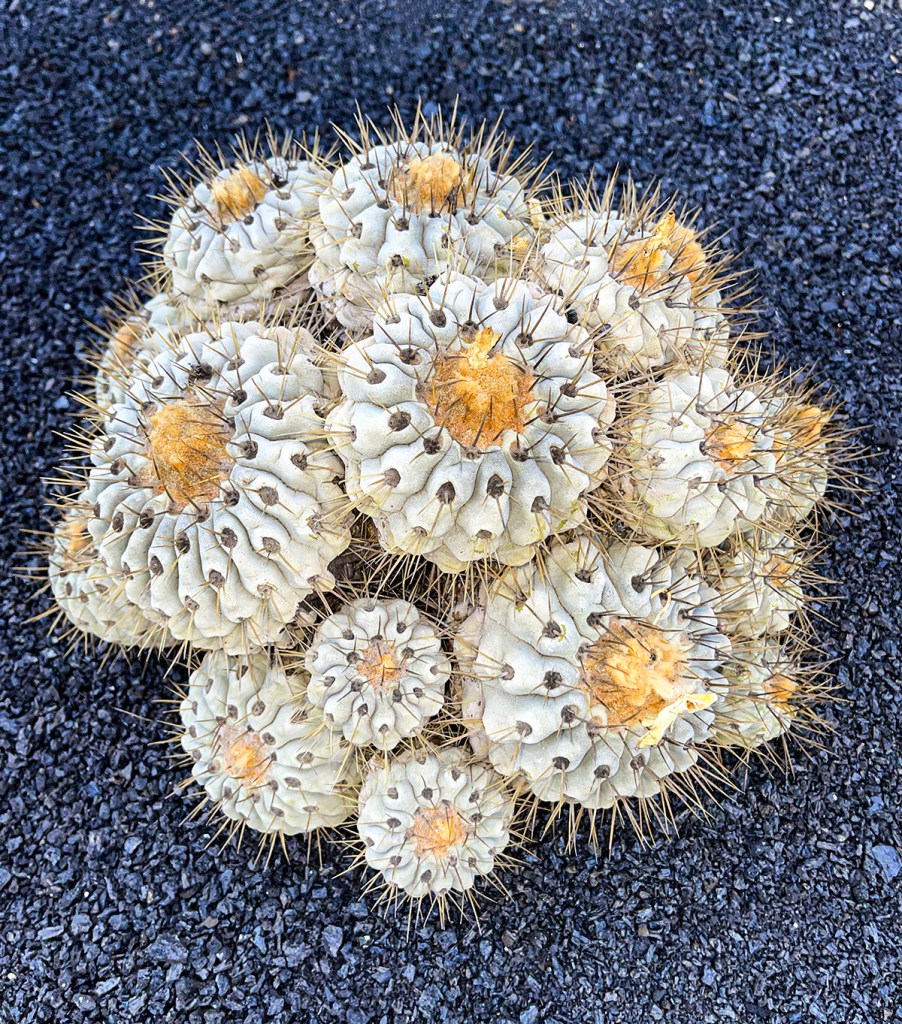
The images below were made from the Jardín de Cactus and other locations on Lanzarote. For you botanists in the crowd, several photos show Euphorbaicea instead of Cactaceae (can you pick them out?) because, like many things in nature, these plants are too beautiful to be ignored.

Click on any thumbnail photo below to be directed to a carousel of high-resolution, full-frame images that include data and camera settings.

All images: © Jeffrey Cardenas

A layer of black volcanic sand provides protection from the sun for these cacti in the garden of the El Grifo winery on Lanzarote. © Jeffrey Cardenas

REFERENCES

[1] Lanzarote Catus Garden, A Gardener’s Notes, Guillermo Benigno Perdomo Perdomo, 2018

[2] Timeline of Fabrics, Threads In Tyme, LTD, 2005

[3] The Bug that Changed History, J. Behan, 2006.

[4] A Perfect Red: Empire, Espionage, and the Quest for the Color of Desire, Amy Butler Greenfield, 2005

[5] Canary Islands Cochineal Producers, https://web.archive.org/web/20050624075803/http://www.arrakis.es/~rpdeblas/cochinea.htm 1998 and Tropical Commodities and their Markets, Foodnet, 2012

Special thanks: Antonio Manuel Martín Santos, Lanzarote Jardín de Cactus, for help with plant identification


Sailing is not just about the wind and the sea; equally important are the places where Flying Fish carries me, and the flora, fauna, and people I encounter along the way.

Please click “Follow” at the bottom of this page so that you don’t miss a new update, and please consider sharing this post with others who might enjoy following the voyage of Flying Fish. I welcome your comments, and I will always respond when I have an Internet connection. I will never share your personal information.

You can follow the daily progress of Flying Fish, boat speed (or lack thereof), and current weather as I sail into the Atlantic by clicking this satellite uplink: https://forecast.predictwind.com/tracking/display/Flyingfish. A Bonus: Click the “Legends and Blogs” box on the right side of the tracking page for passage notes while I am sailing offshore. 

To see where Flying Fish has sailed since leaving Key West in 2017, click here: https://cruisersat.net/track/Flying%20Fish.

Instagram: FlyingFishSail
Facebook: Jeffrey Cardenas

Text and Photography © Jeffrey Cardenas 2021

Let this be a time of grace and peace in our lives   – Fr. John Baker