Three Years Before the Mast

Thoughts, Lessons, and Observations
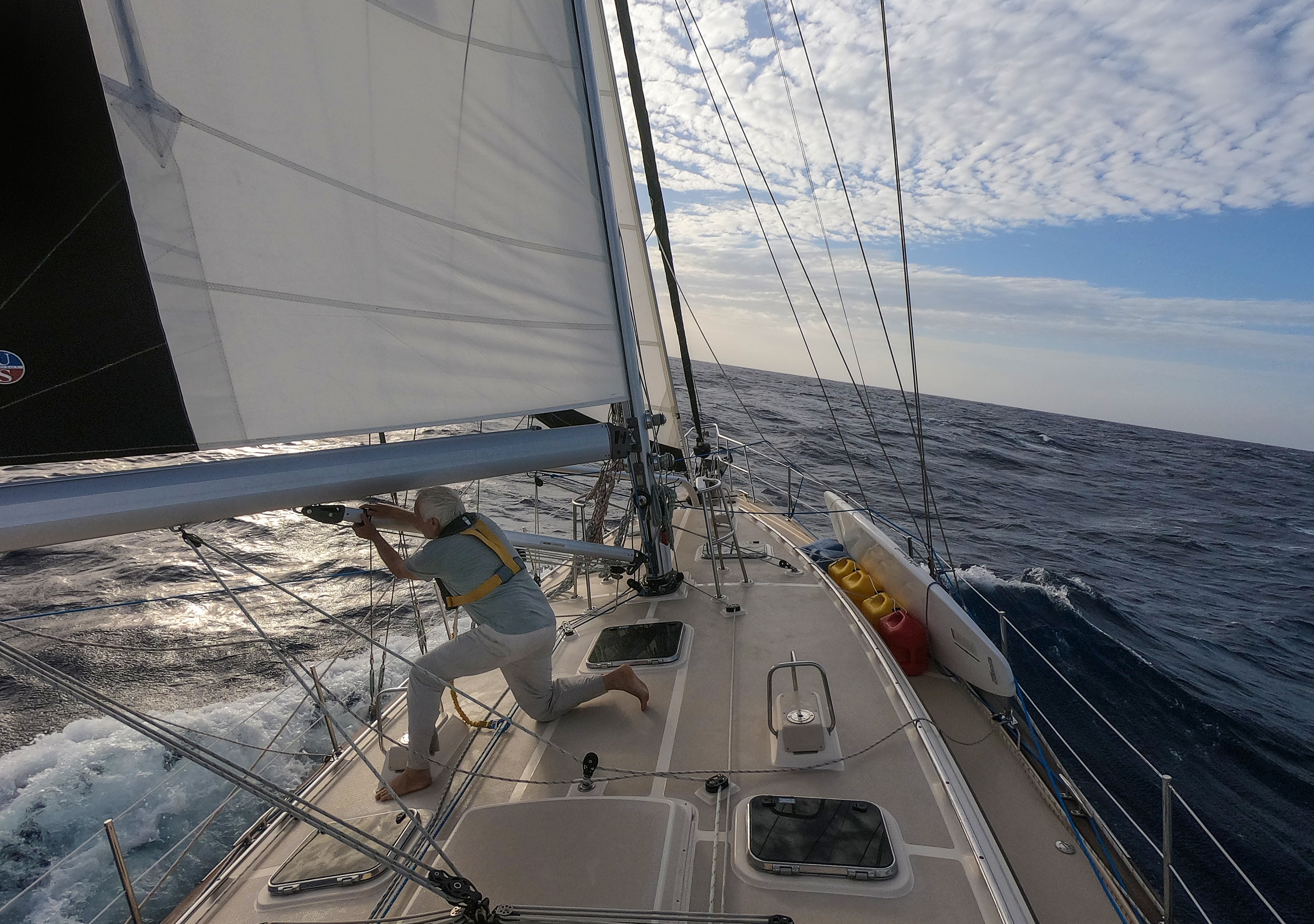
A thousand miles from land… what happens out here can only be resolved out here. © Photograph: Jeffrey Cardenas / image by remote

“There is a witchery in the sea –Richard Henry Dana, Two Years Before the Mast, published 1840.

On this day three years ago, Flying Fish slipped the lines from her berth at Safe Harbor in Key West and was underway on a passage that has carried her nearly 22,000 miles and two-thirds of the way around the globe. Along the route there have been wonders and joy, injuries and illness, moments of fear, revelation, and accomplishment. There has also been disappointment. This year, as the COVID-19 virus infected the world, Flying Fish traveled 5,000 of those miles alone–from Thailand to Turkey–on the deck of a freighter as I waited impatiently in quarantine on the other side of the world. I certainly do not seek sympathy for being separated from a boat when millions of other people are separated from their families, some permanently. These are days in which we all live in some form of isolation–physically and emotionally–as a result of health issues, personal decisions, or just simple fate. My isolation was self-imposed when I set off from Safe Harbor. It has been a journey both inward and outward, and one with eyes wide open. Here are some of the thoughts and lessons learned from these three years aboard Flying Fish.


Patience

When things become complicated I have learned that I have two simple choices: I can either let impatience darken my horizon, or I can seek strength in what I cannot control. When I sail alone, I navigate a fine path between what is manageable and what is not. It is essential at sea to know the difference. On a 1,300-mile passage between Tonga and New Zealand in October 2018, I knew that even the best weather window at this time of year would include at least one full gale raging eastward from the Tasman Sea. We can understand the weather but we cannot control it. On this passage I watched satellite weather maps, and, later, the darkening clouds themselves. As the gale approached I braced for impact. Howling wind and massive breaking seas made it seem as if the world was ending. It wasn’t. It was just a gale. I knew that this would pass. And it did.
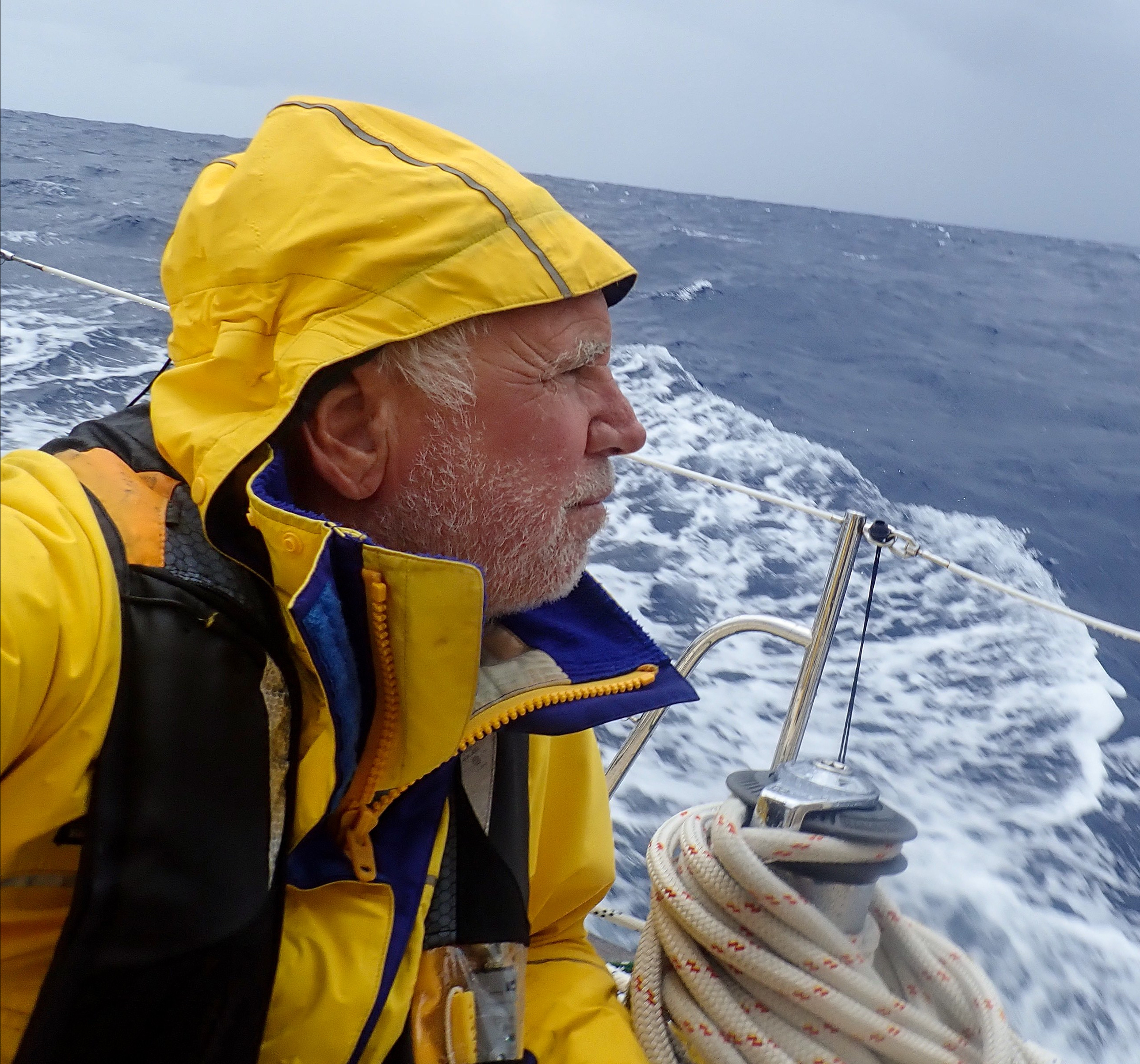
A face reflecting the wear-and-tear of sailing through consecutive gales en route to New Zealand. Photograph: © Jeffrey Cardenas / image by remote

Sanctity of Life

Who doesn’t believe in the sanctity of life? But the complex decision of what lives and dies at our hands is a gray area that can only be defined individually. These three years before the mast have given me a different perspective regarding co-existence on this planet. Aboard Flying Fish some days pass with no sign of life, nothing beyond my own beating heart–not birds or porpoise, not even any fish. Fish have been an important part of my life. I earned much of my livelihood as a fisherman. For decades, my job was to catch fish every day and catch as many of them as I could. In this pursuit the fish themselves became something less sentient. Sportfishing was entertainment and fish were a commodity. Catching or not catching represented profit or loss. But aboard Flying Fish, when sea life finally did appear, the creatures around me became companions during my long solitary journey. I loved watching shoals of tuna feed on the surface. My eyes followed the flight of every airborne flying fish. I was fascinated by the predatory saga when flying fish soaring above the wave tops were pursued by dorado from below and frigate birds from above. When I was hungry, I would catch one of the dorado. As one fish came to the boat it was often accompanied by dozens of its brothers. Initially, there was an overwhelming impulse to drop a line back for “just one more.” As the days and weeks at sea passed I wondered why I felt I needed more. I was just one person aboard Flying Fish. Why catch two fish when I could only eat one? I began having difficulty justifying why I wanted to feel the life struggle of another living creature? Two thoughts evolved as I gradually transitioned from anthropocentrism to a modified and more Eastern philosophy that holds all life as sacred: I learned that it is important for me to tread more softly. Equally important, I learned not to judge how others view the sanctity of life. I can live only within my own skin.

Co-existence. A Humpback whale breaches next to Flying Fish in Tonga’s Ha’apai Islands. © Jeffrey Cardenas

Changing Environment

I keep a worn copy of Rachel Carson’s The Sea Around Us aboard Flying Fish. Published in 1951, she wrote: “It is a curious situation that the sea, from which life first arose, should now be threatened by the activities of one form of that life.” I was horrified when I learned of Indonesian fishermen who poisoned and detonated homemade explosives on their pristine coral reefs. Granted, it is an effective method of fishing. The stunned reef fish float to the surface which makes gathering them more efficient. But how was it possible that those who were throwing explosives could not see that they were killing the reef for future generations? I considered this in the log of Flying Fish on August 25, 2019: “Many areas of Indonesia, including Flores Island, show evidence of reef bombing and cyanide fishing. I spent six hours on the not-yet-bombed shallow reefs of Sabibi Island yesterday. I was immersed in a dazzle and diversity of life that was simply difficult to comprehend. It was also beyond my comprehension that a person could drop explosives and poison a reef like this for the one-time opportunity to put some fish in a basket. That said, who am I to judge? My child has never been truly hungry. But would I blow up a coral reef to feed her?” How do we identify the line between immediate need and preservation for the future? And who gets to define that line?

Shallow water reefs still thrive in many parts of the tropical ocean where water quality is untainted by runoff, effluent, poison and explosive fishing devices. Photograph: © Jeffrey Cardenas

Orangutans Meet Global Economics

On the rugged island of Borneo in Southeast Asia’s Malay Archipelago there is a limestone cave believed to contain the oldest figurative art on earth, a depiction of a bull, carbon-dated to 52,000 years ago. Nearby is one of the largest coal mines in the world. Borneo is known for its ancient rainforest, home to wildlife including orangutans and clouded leopards. Soon, because of sea level rise and overpopulation, the Indonesian government will move its capital of Jakarta and 1.5 million new residents into what is left of the East Kalimantan rainforest. I have learned that even in the most remote areas of the world nothing is sacred when global economics are at stake. My daughter Lilly and I hoped to see the remaining wild orangutans so we sailed Flying Fish upriver from the south coast of Borneo. At the town of Kumai we anchored the sailboat and hired a riverboat guide to take us to the headwaters of Sekonyer River in Tanjung Puting National Park. Our destination was Camp Leakey, named after the legendary paleo-anthropologist Louis Leakey. We were amazed by the wildlife: Proboscis monkeys vaulted from the trees along the river. We heard the call of a rare rhinoceros hornbill. A False gharial crocodile warmed itself in the sun on the riverbank. And, finally, we saw wild orangutans. At the junction of two tributaries, the tannic but clear water flowing into the clear Sekonyer became jaundiced yellow in color. I asked what was causing it. Was this mud from a rainstorm upstream? “It’s always like this now,” our guide replied. “This tributary brings the runoff of mining and palm oil cultivation into the Sekonyer. Nothing lives here now.” Nothing lives here except more people with better jobs and higher incomes. But what is the cost to the natural habitat in one of the most remote places on earth?

From the security of her arboreal perch, a wild Kalimantan orangutan nurses her infant. © Jeffrey Cardenas

Vulnerability and Strength

I underestimated the level of mental and physical strength required to sail a boat around the world. It’s just sailing, right? It’s not that complicated. But when things go wrong at sea, they can go very wrong. Minor complications are exacerbated when sailing alone. Preparation is essential but even the most organized and experienced offshore sailors cannot completely prepare for the unexpected. In April 2019, I departed New Zealand for Fiji, a solo passage of 1,200 miles. Flying Fish was in better-than-new condition following a months-long refit in Opua. I was personally tuned up, too, eating “heaps” of healthy local produce and strength training daily in a nearby gym. My April departure date was based solely upon readiness and weather conditions. A dozen different weather routing sources finally established my best departure date as April 13. With a fresh Antipodean fall breeze aft of the beam I set sail from New Zealand to Polynesia. Fast forward three days to Latitude 29° 22′ 56” S and 174° 8′ 58” E, or about 700 miles SSW of Fiji. I am asleep in the cabin. Flying Fish is sailing a broad reach on autopilot in moderate but manageable conditions. All is well onboard, until it is not. I awaken suddenly to the roar of water. My world seems to turn upside down as an awful shower of glass, canned food, cookware, and a drawer full of cutlery rains down upon my head. I leap out of my berth onto shards of broken glass that tear into the soles of my feet. Water is pouring through an open hatch. In my semi-wakefulness I am convinced that Flying Fish is sinking in 13,000 feet of water. The boat has been knocked down–mast to the surface of the ocean–rolled broadside by a wave that must have exceeded by multiples any wave I had experienced since my departure from New Zealand. This rogue wave, perhaps caused by seismic activity near the Kermadec Islands, has flooded the cockpit of Flying Fish with nearly a ton of water. Gallons of seawater are inside the cabin and engine room. The boat is sitting heavy and deep. The breaking wave has stripped the deck of loose gear and canvas. A spare container of diesel on the deck has opened spreading a sheen of fuel oil and noxious fumes across the boat. I am disoriented, hyperventilating, and bleeding from the head and feet. I have never felt more vulnerable. Or alone. When my heart rate slows I realize this was a single, freak wave. The sea is once again normal. I pump water from the boat and assess damage. The hull is intact. The initial sense of vulnerability is replaced by an odd and unexpected feeling of inner strength. With the engine dead and the interior of the boat in shambles I deviate course to New Caledonia, the closest boatyard for repairs. I am still hundreds of miles and days from land but something within me has changed. I feel now as though I can face adversity at sea with a different level of confidence. I go below to make a pot of tea and attend to the debris aboard Flying Fish.

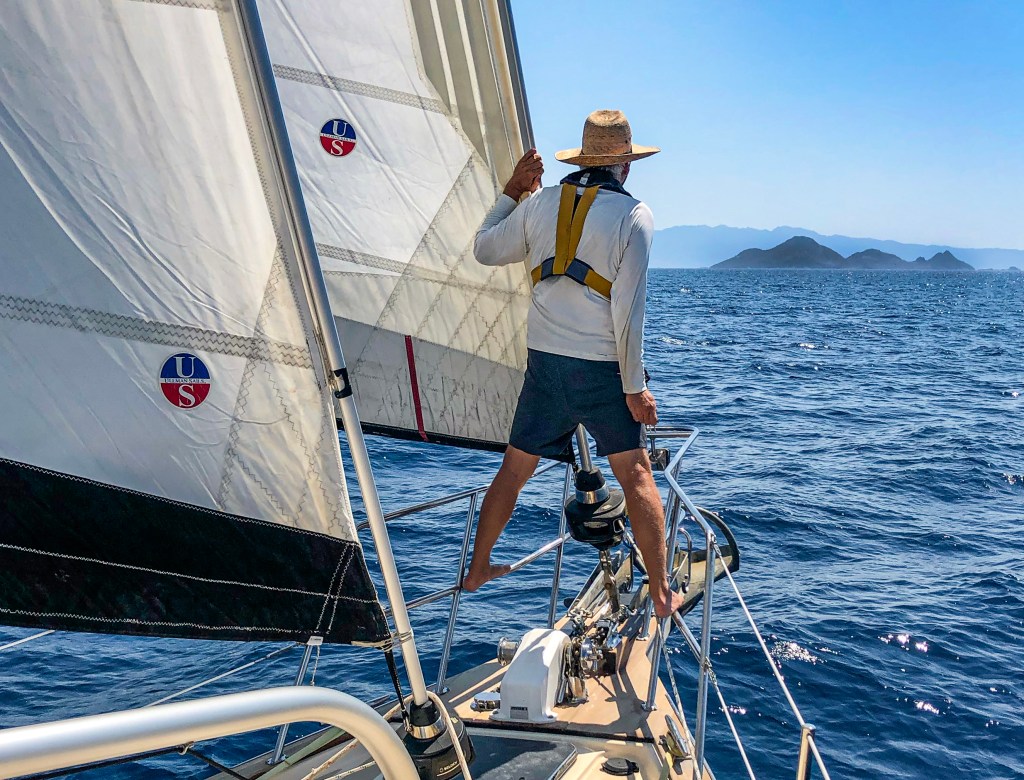
Prepping the foredeck of Flying Fish in anticipation of a gale in the Coral Sea near New Caledonia. Photograph: © Jeffrey Cardenas / image by remote

Gratitude

I returned briefly to Flying Fish in Turkey during the 2020 COVID season, but I sailed with a sense of survivor’s guilt. Was it right for me to be on a boat while others were quarantined in their homes? Now, in retrospect, I have replaced that guilt with gratitude. When we can choose the course of our lives we should consider it a privilege and act upon it. When fate chooses a different course for our lives we should seek positives along that route, even when none are immediately apparent. I recognize that this opportunity to navigate the globe is a privilege. I also know that at some point it will end. It may end sooner than I choose. Health, politics, and natural aging constraints are factors that will determine what remains possible for me aboard Flying Fish. It is essential that I live my best life, regardless of whether that life leads me to Borneo or to my backyard. During these three years before the mast I have learned that I cannot waste a single moment.

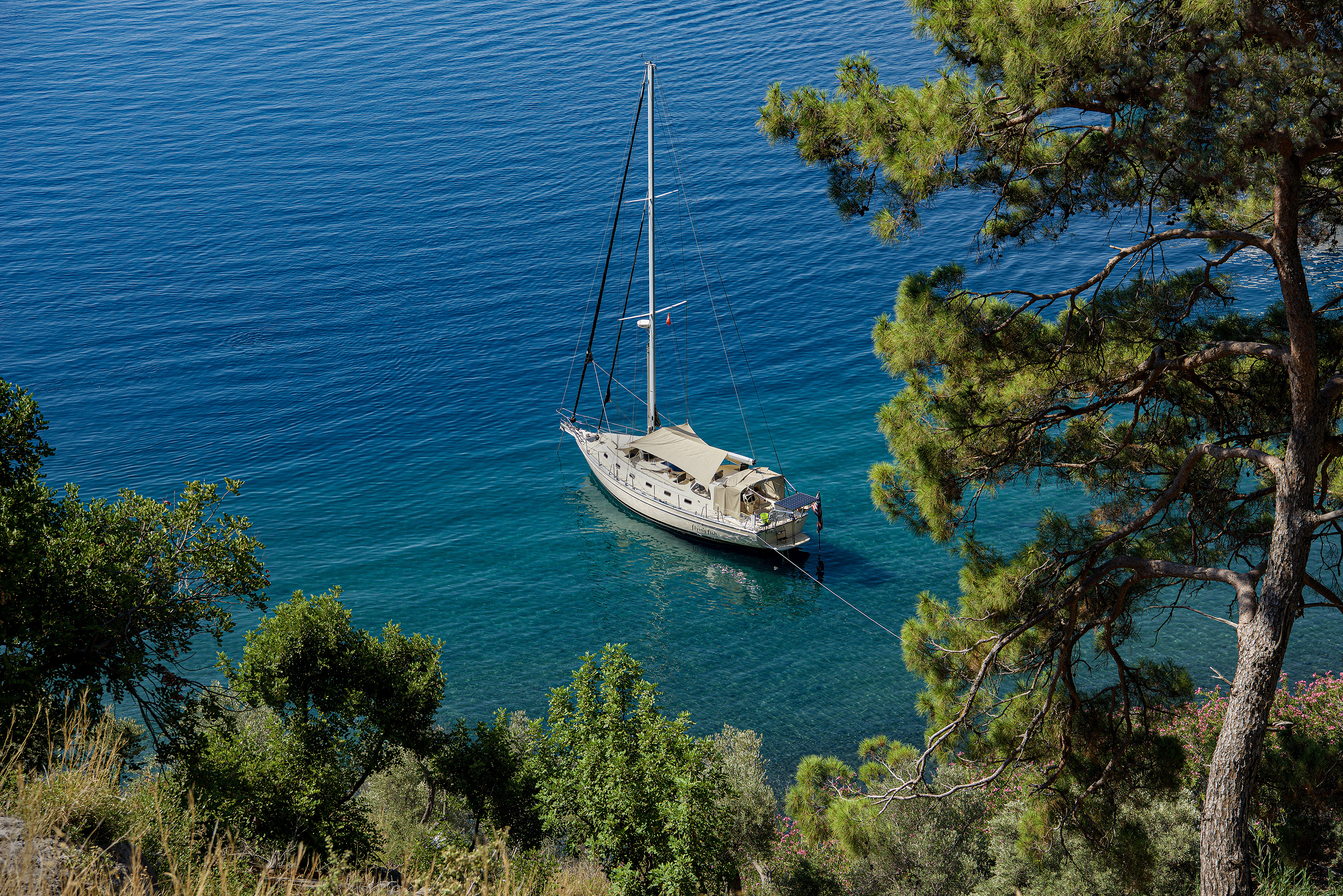
Turkey’s spiritual peak Babadağ, rising directly from sea level to a summit of 1,969 meters, watches over Flying Fish at anchor. © Photograph: Jeffrey Cardenas

Please subscribe at the bottom of this page so that you don’t miss a new update, and consider sharing this post with others who might enjoy following the voyage of Flying Fish. I welcome your comments.

I return to Flying Fish in January 2021. Once the voyage restarts you can follow the daily progress of Flying Fish into the Mediterranean, and onward, by clicking this link: https://forecast.predictwind.com/tracking/display/Flyingfish

To see where Flying Fish has sailed since leaving Key West in 2017, click here: https://cruisersat.net/track/Flying%20Fish

Instagram: FlyingFishSail
Facebook: Jeffrey Cardenas

Text and Photography © Jeffrey Cardenas 2020

Let this be a time of grace and peace in our lives   –Fr. John Baker

Year in Review: Flying Fish Images of 2020

The Turkish Mediterranean 

Turkish flag and sail.sm

It has been a blessing to spend part of 2020 on a sailboat instead of in quarantine–or worse, in a COVID-19 hospital ward. More than a million people are dead of the virus. To have been able to isolate onboard Flying Fish during this health crisis was a privilege that I did not take for granted. Flying Fish is grounded for now.  My Turkish visa expired, requiring that I leave the country. The European Union, which controls most of the remaining Mediterranean coastline, is closed to visitors with U.S. passports. I cannot sail onward to Greece, Italy, France, or Spain until the virus is under control. Going forward during this time of politics and pandemic will require creative navigation at a date unknown. For now, it provides solace to look back at 2020 aboard Flying Fish


Coastline

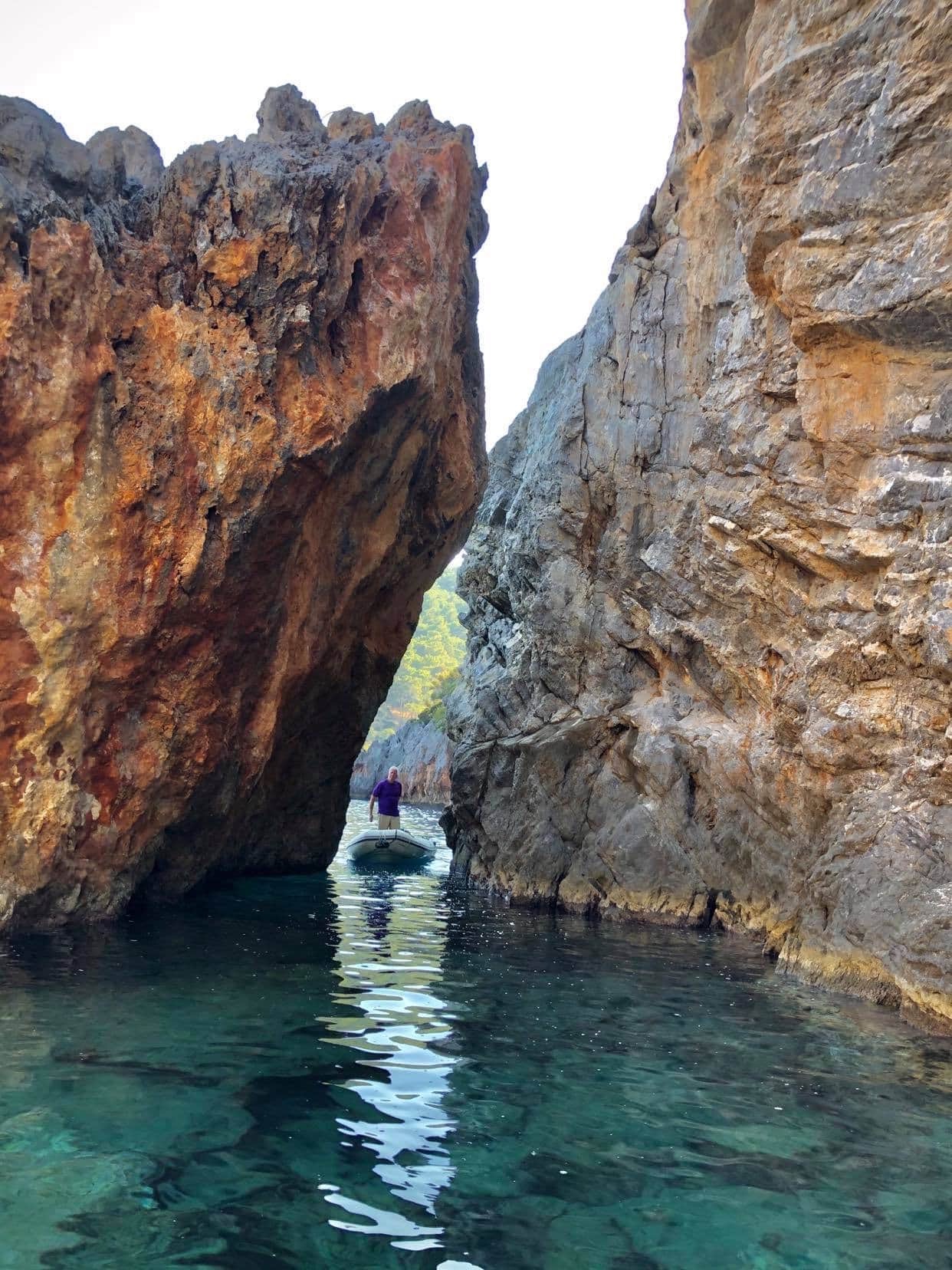
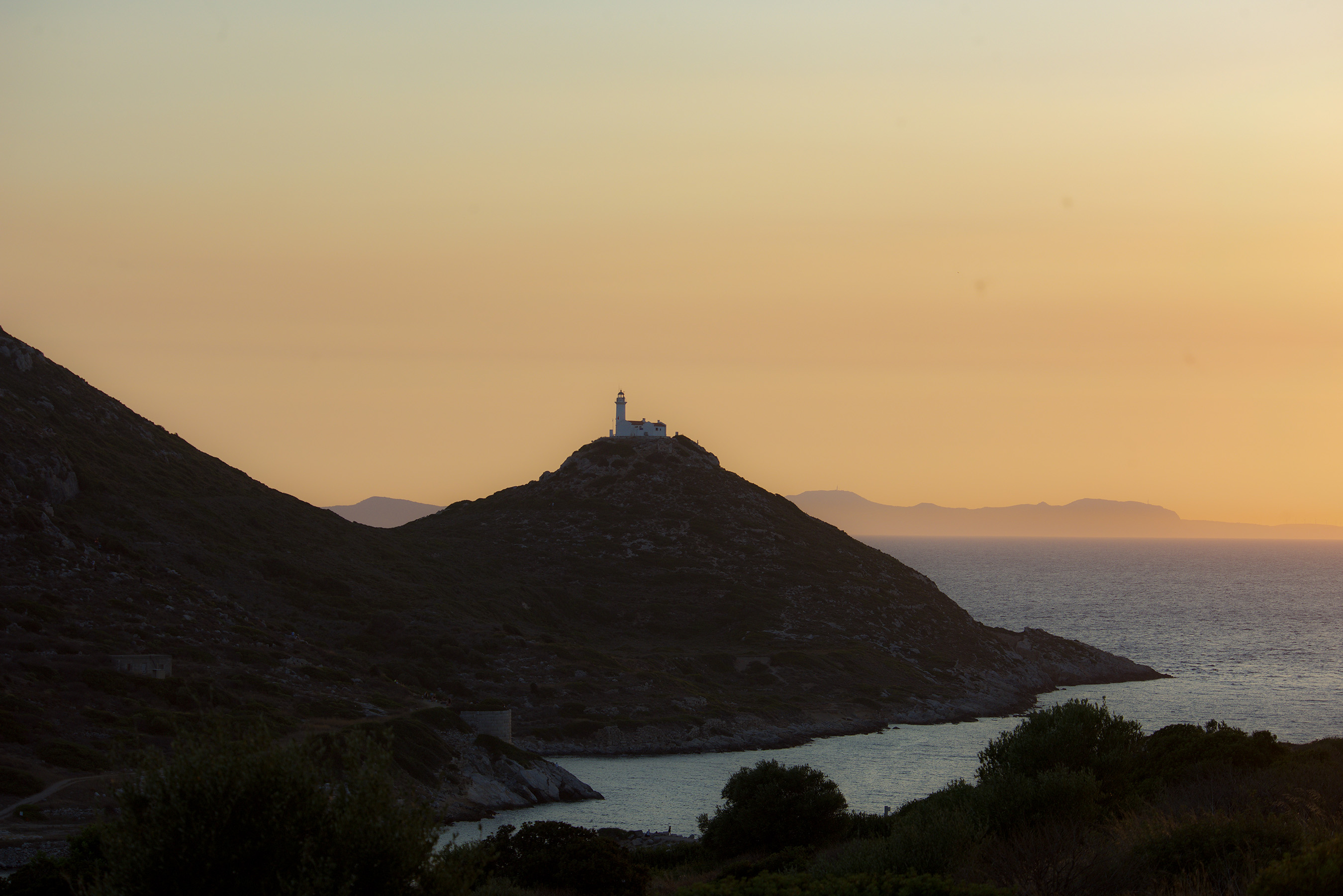
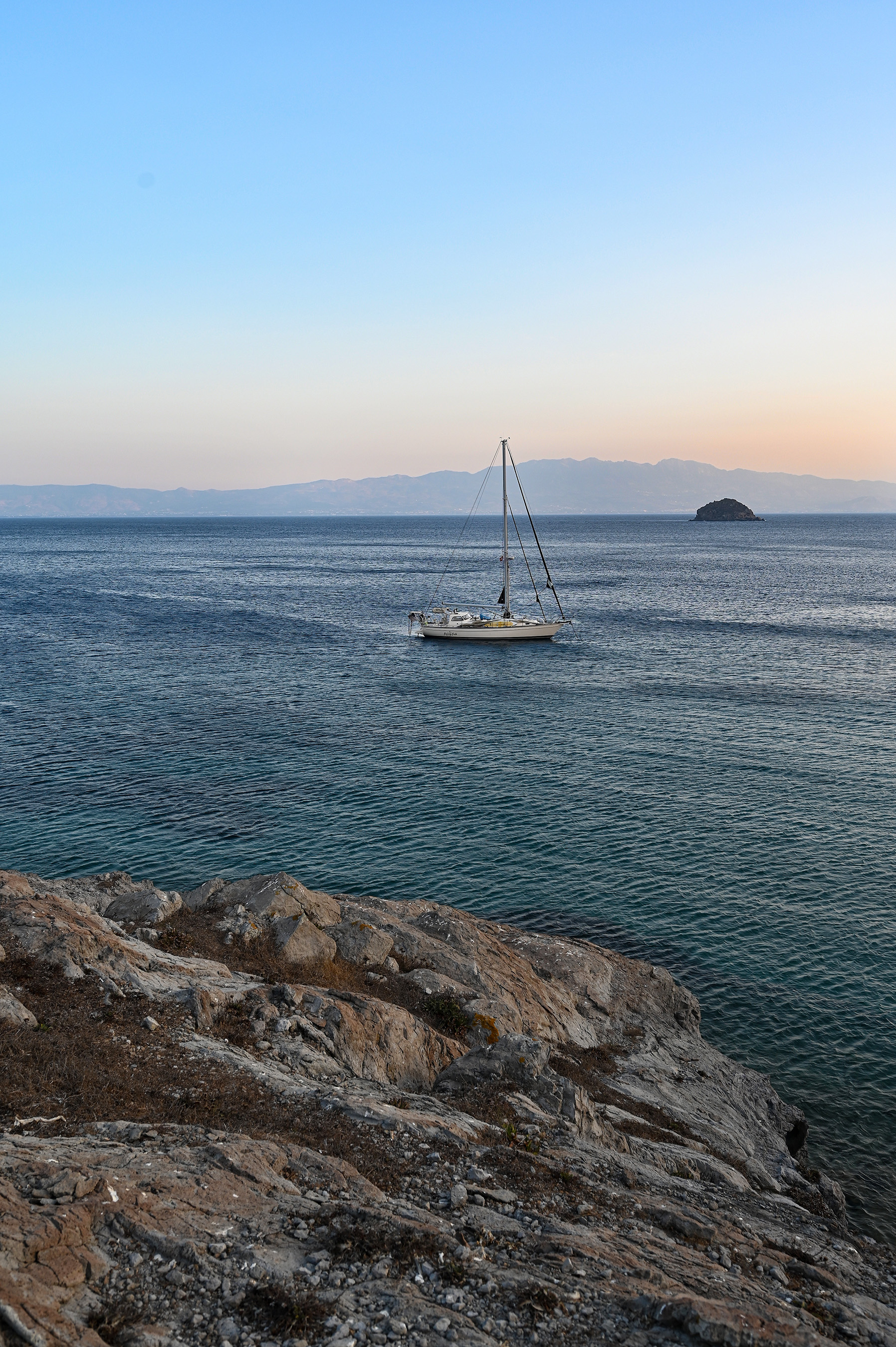
Isolation during the time of COVID was essential. Often, this quiet time alone was also euphoric. As I sailed along the Türk Rivierası, also known as the Turquoise Coast, it was my personal objective each day to seek out something positive. There was joy in the simplicity of a quiet anchorage. Where mountains met the sea I was utterly absorbed by the power of the Mediterranean landscape. Isolation in nature, I learned, has its own healing efficacy.

Click a photo in the gallery below to scroll high-resolution images


Ruins

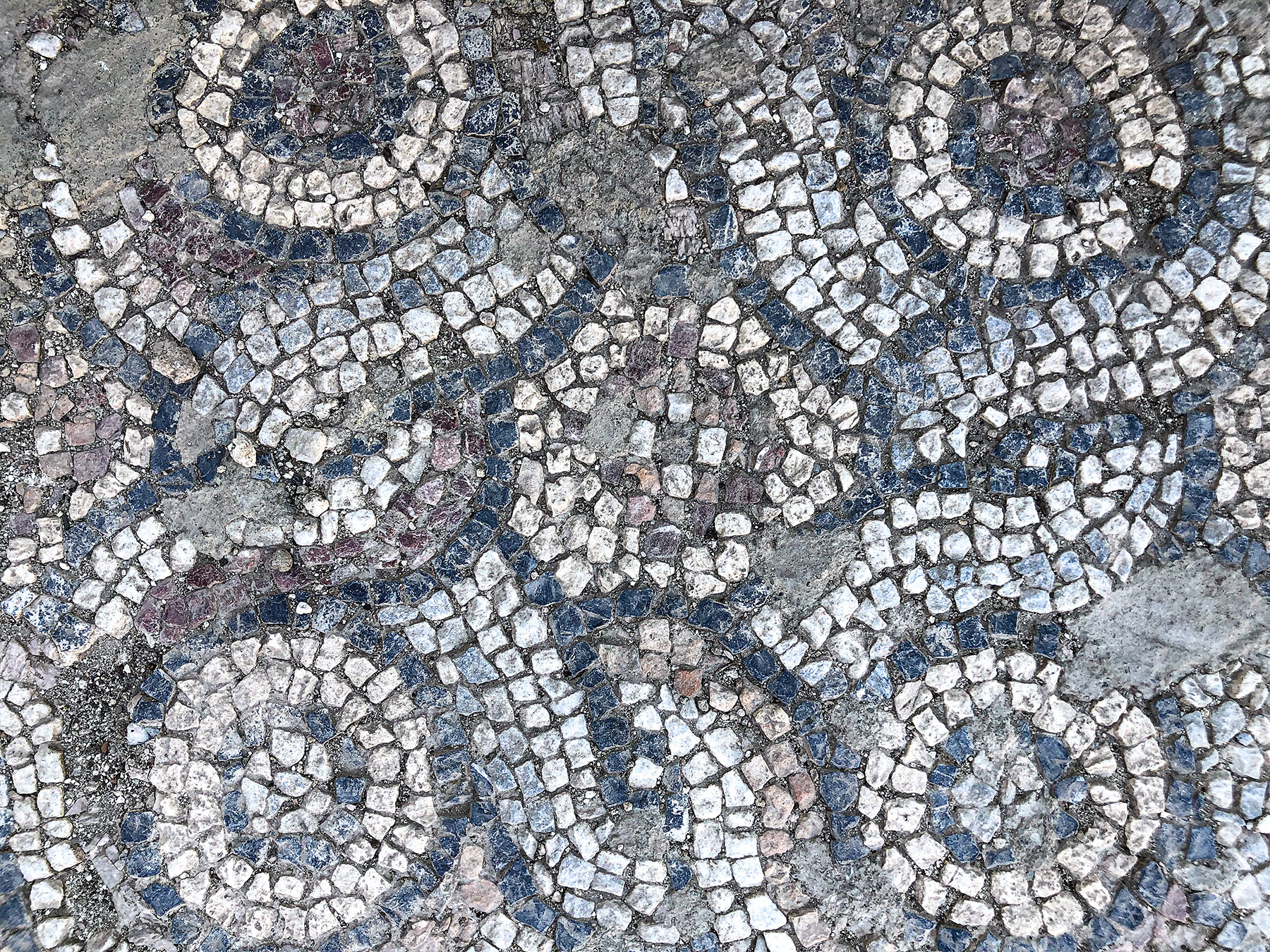
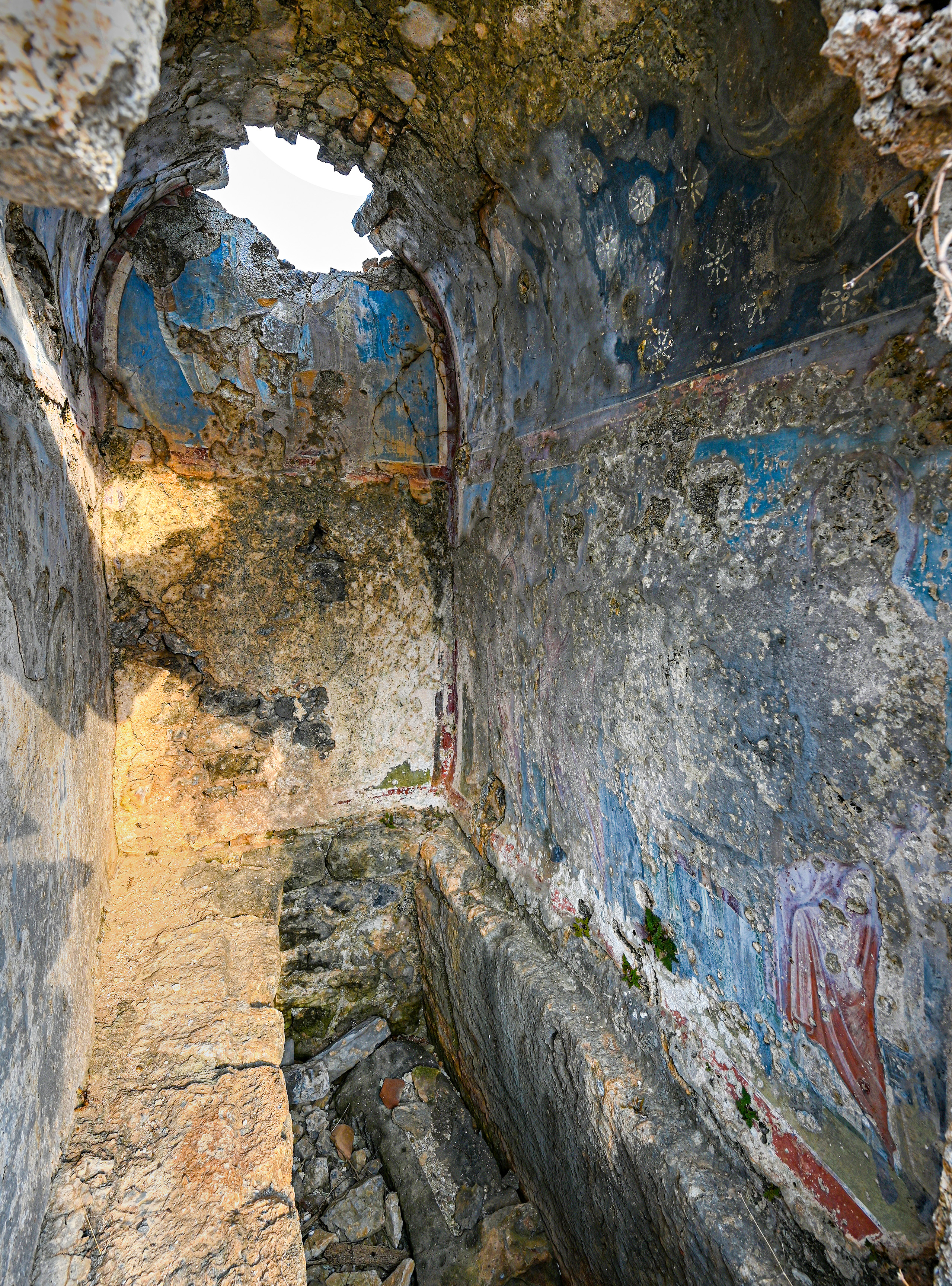
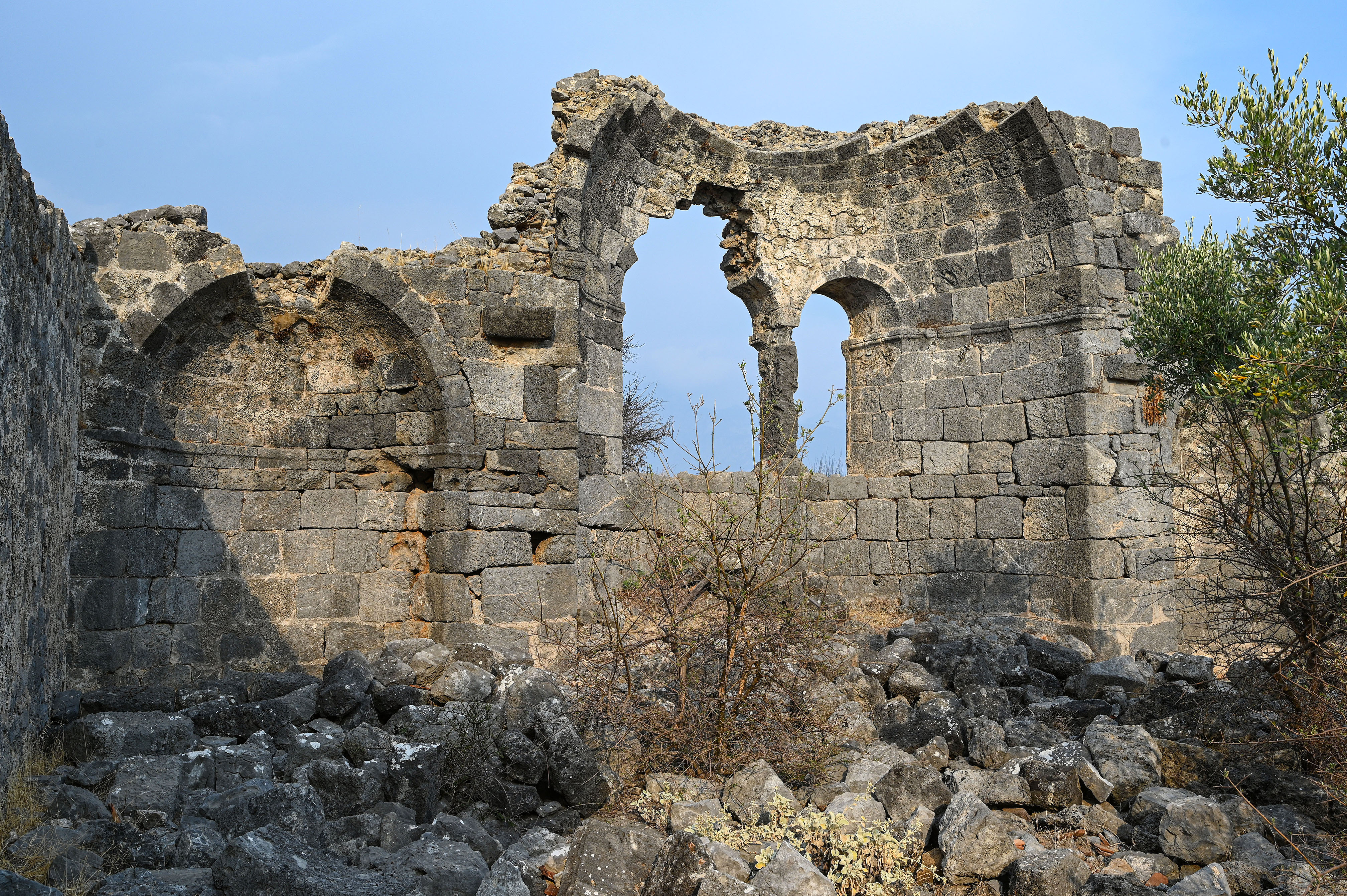
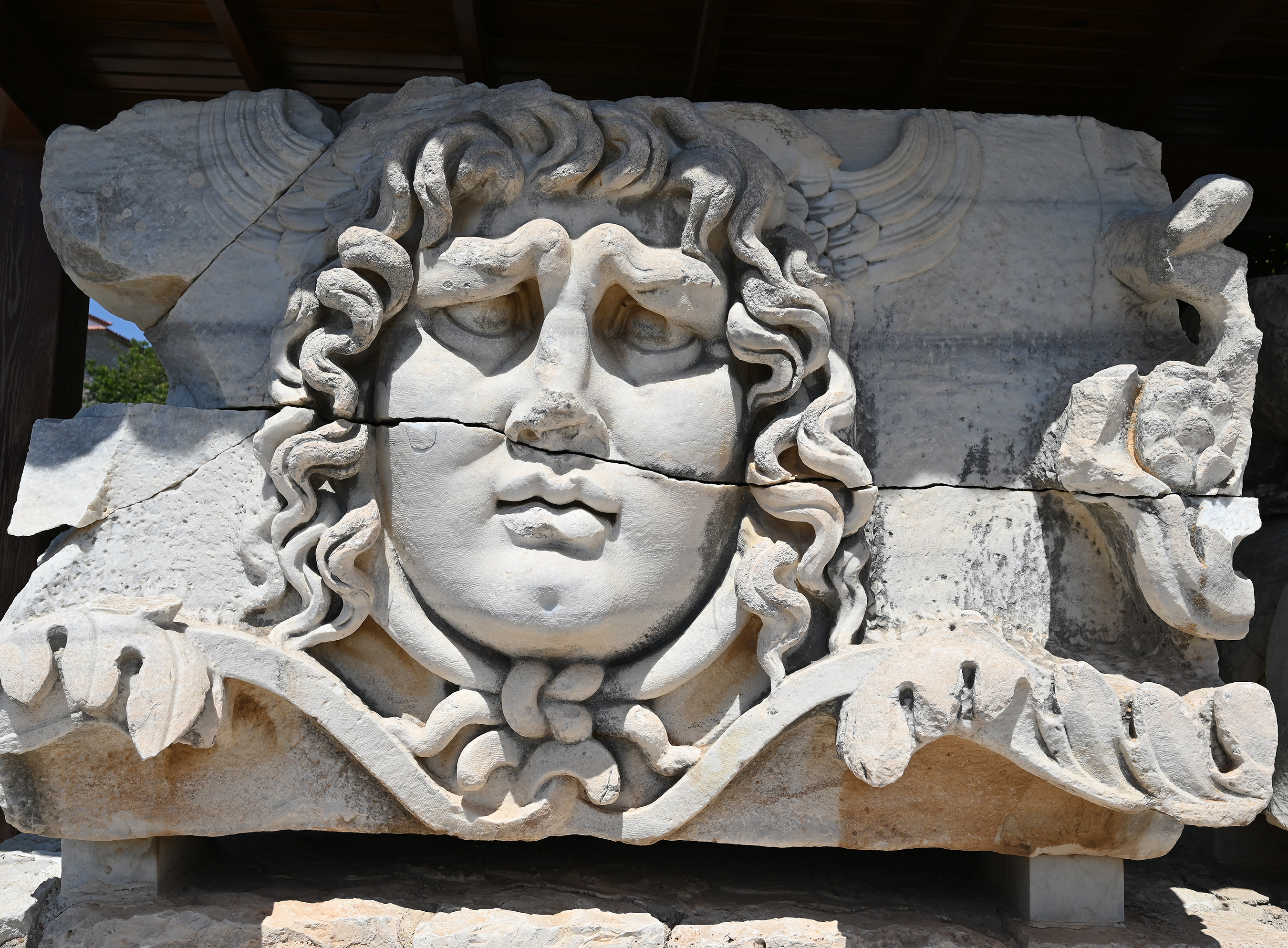
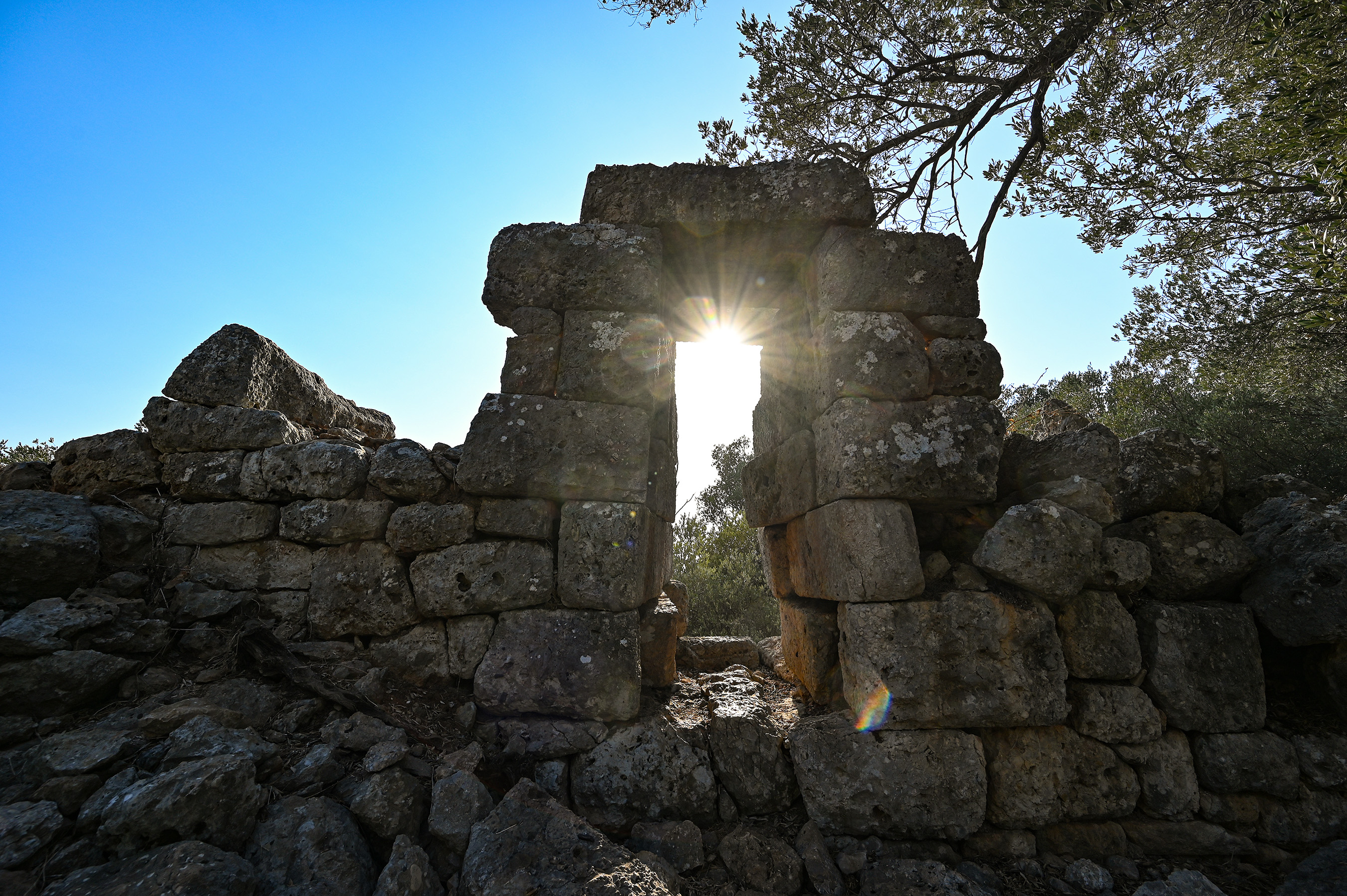
At every anchorage on the Turkish Mediterranean coastline there is evidence of ancient civilization. The ruins are a reflection of the greatness, the fallibility, the faith, and the arrogance of the human species. In 334 BC, Alexander the Great, at age 30, rampaged through what is now modern-day Turkey conquering the Persians and creating one of the largest empires of the ancient world stretching from Greece to northwestern India. Mark Antony is said to have chosen the entire Turkish Riviera as a wedding gift for his beloved Cleopatra. The volcanic mountains near Dalyan, are believed to have been the inspiration for the mythical Chimera — a fire-breathing monster that the heroic Bellerophon slew while riding into battle on the winged back of Pegasus. The ruins of Turkey were a constant reminder to me, coming from a nation less than 250 years old, of the fragility of great civilizations.

Click a photo in the gallery below to scroll high-resolution images


Underwater

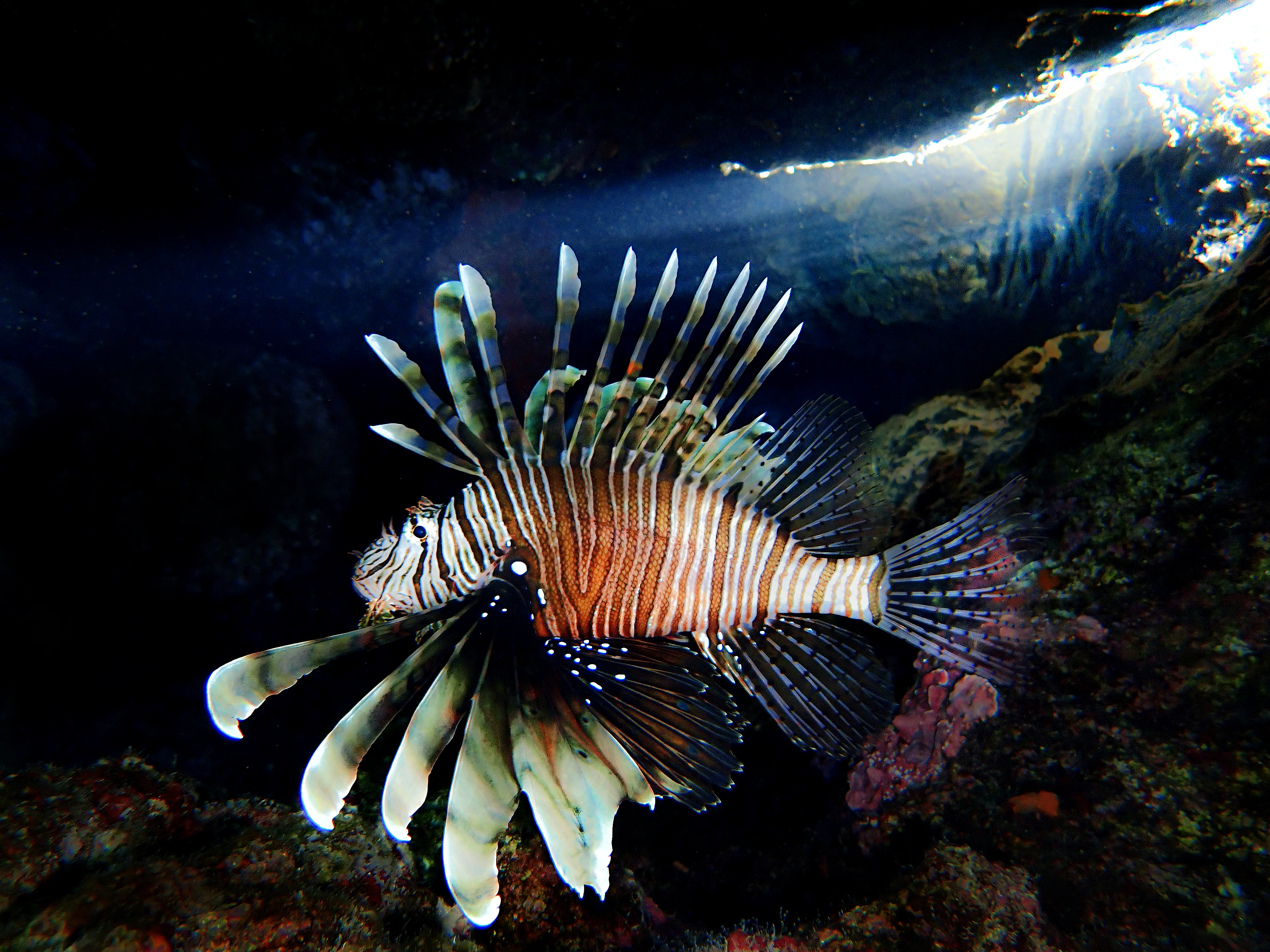
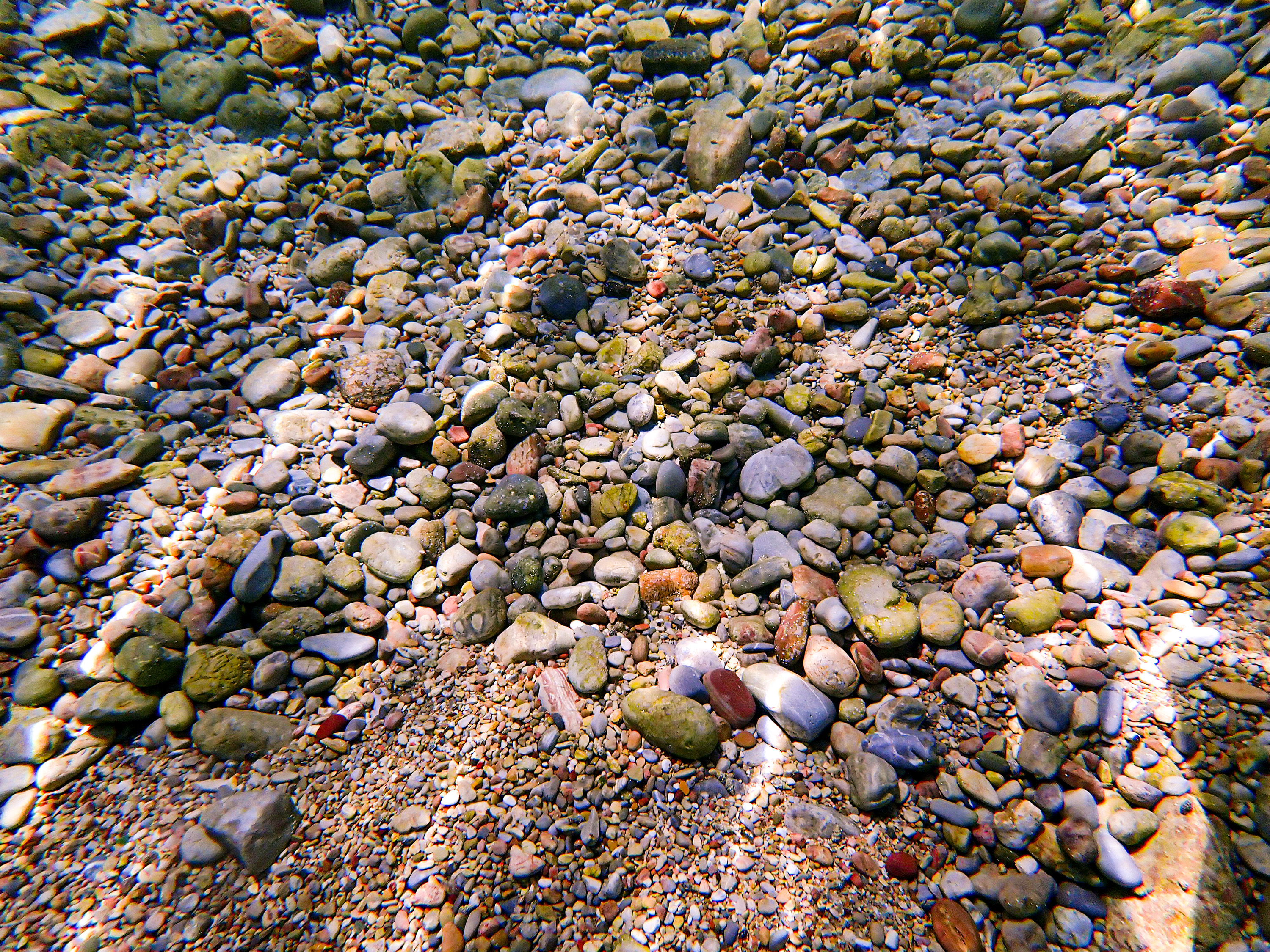
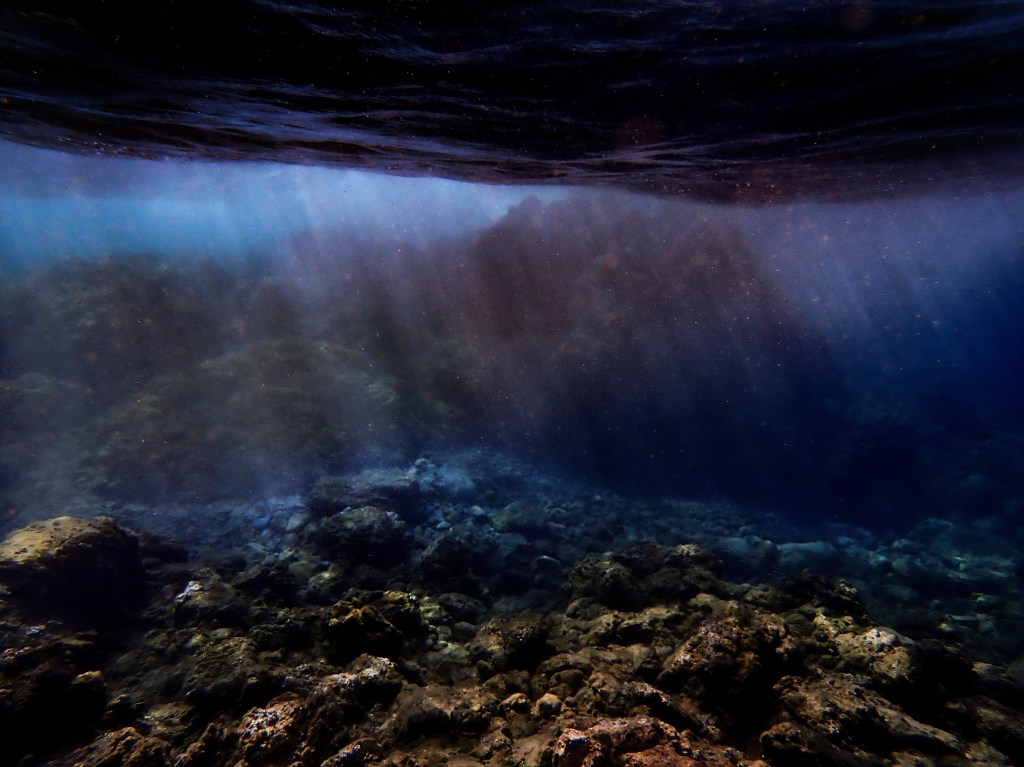
On this journey around the world, the keel of Flying Fish has passed over some of the most remarkable underwater landscapes imaginable. But along the Turkish Mediterranean the subsurface is in many ways understated. Instead of delicate tendrils of live coral and a multitude of colorful tropical fish, the Turkish Mediterranean sea bottom is often, like its shoreline, rugged and raw. Still, to a careful observer, there is life and color among the rocks. There is also history below the surface of the water. In a remote area of the Datça Peninsula I made a free dive to check that the anchor of Flying Fish was secure and I discovered nearby a mound of ancient pottery including pieces of amphora and several unbroken clay cooking pots. In the seaside village of Gümüşlük I dove over the ruins of ancient Myndos with its submerged roads, jetties, and walls made of interlocking stones perfectly cut and each weighing several tons. I wonder if future generations will see these same underwater treasures.

Click a photo in the gallery below to scroll high-resolution images


On Shore

The Turkish people welcomed me as if I were a part of their family, despite the fact I could not master the language with its distinctive characteristics of vowel harmony and extensive tongue-twisting agglutination. Usually a smile was the only translation necessary. The food is savory and fresh, often prepared and served only hours after being harvested from the garden or sea. Turkish wines are spectacular. The history of the Turks covers a time frame of more than 4,000 years. They endured invasions by the Mongols and Huns and Crusaders. Modern-day Turkey shares borders with Russia, Iran, Iraq, Syria, and parts of the Balkans. Yet, when it came to confronting a major global enemy–the infection of COVID-19–the Turkish government controlled the virus with early lockdowns and prudent precautions. Virus numbers never spiked in Turkey as they did elsewhere in Europe, Asia, and the Americas. The Turks are as resilient as they are resourceful.

Click a photo in the gallery below to scroll high-resolution images


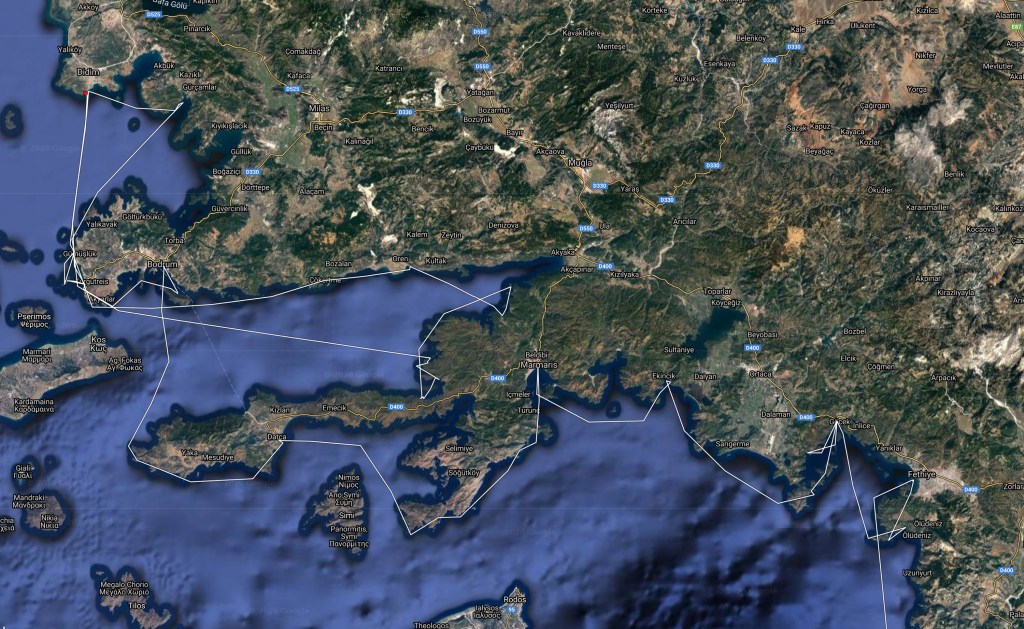
The route of Flying Fish in the Summer of 2020

Please subscribe at the bottom of this page so that you don’t miss a new update, and consider sharing this post with others who might enjoy following the voyage of Flying Fish. I welcome your comments.

Once the voyage of Flying Fish restarts you can follow the daily progress of Flying Fish into the Mediterranean, and onward, by clicking this link: https://forecast.predictwind.com/tracking/display/Flyingfish

To see where Flying Fish has sailed since leaving Key West in 2017, click here: https://cruisersat.net/track/Flying%20Fish

Instagram: FlyingFishSail
Facebook: Jeffrey Cardenas

Text and Photography © Jeffrey Cardenas 2020

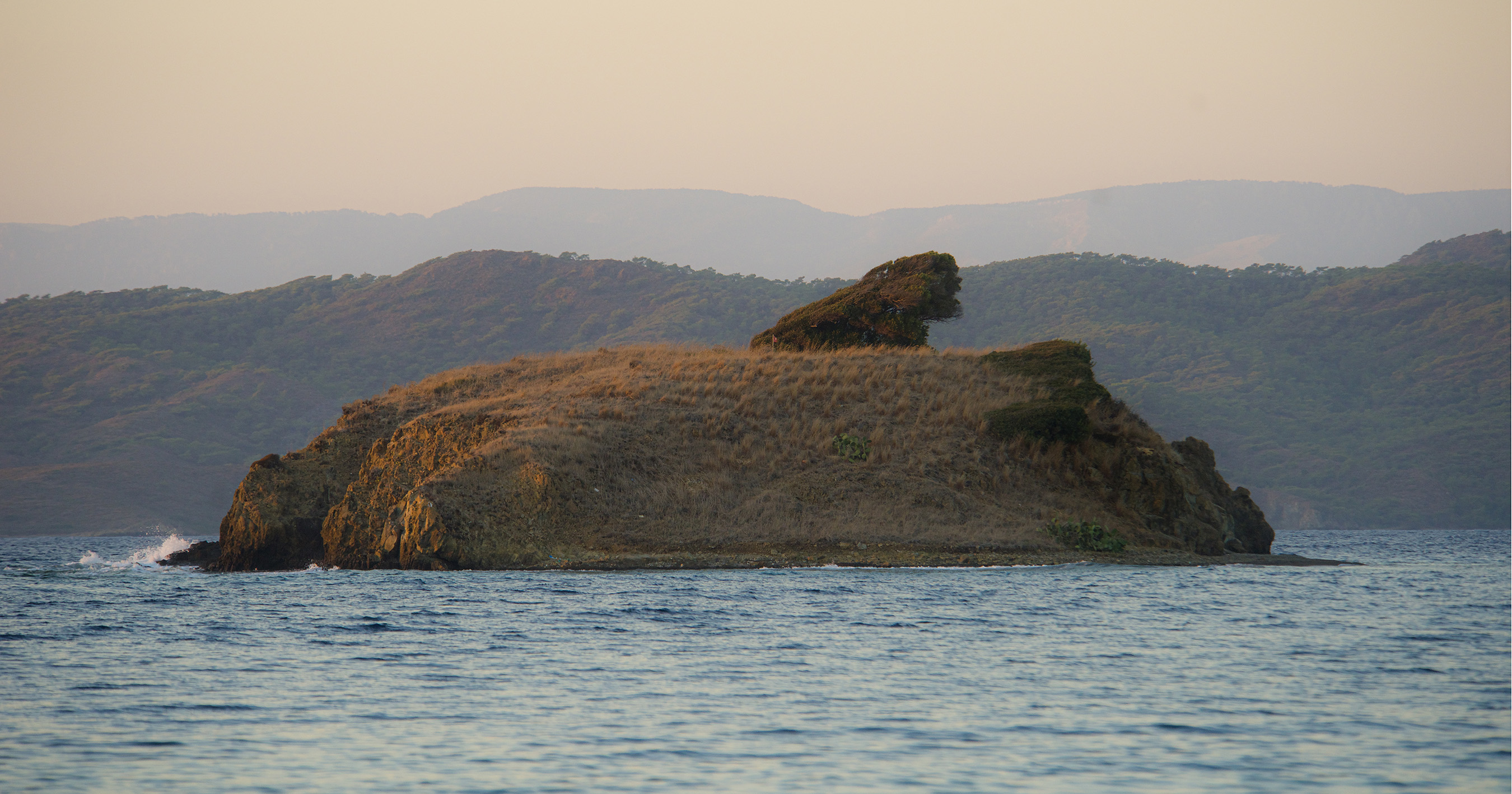
An Anonymous Island

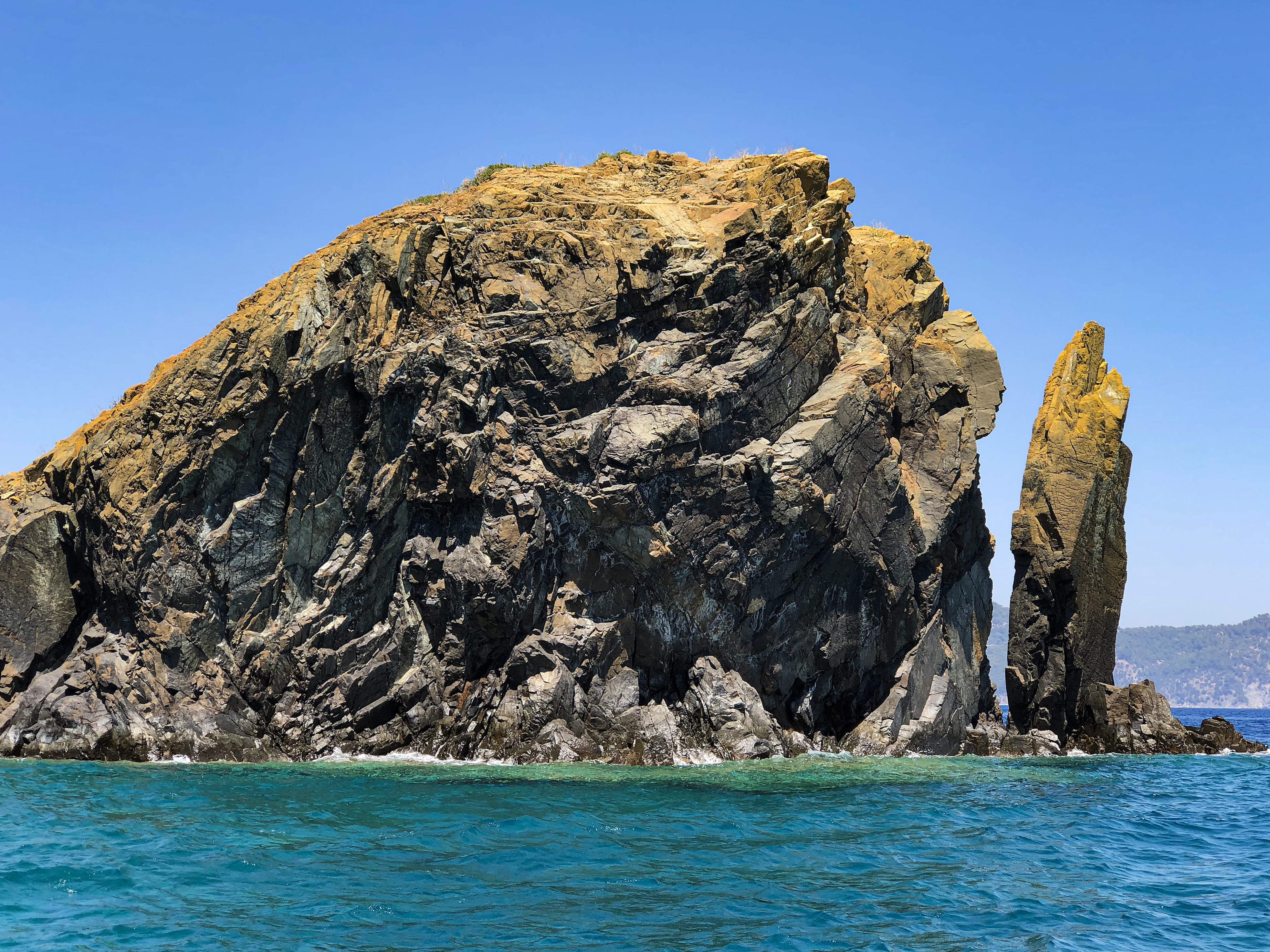
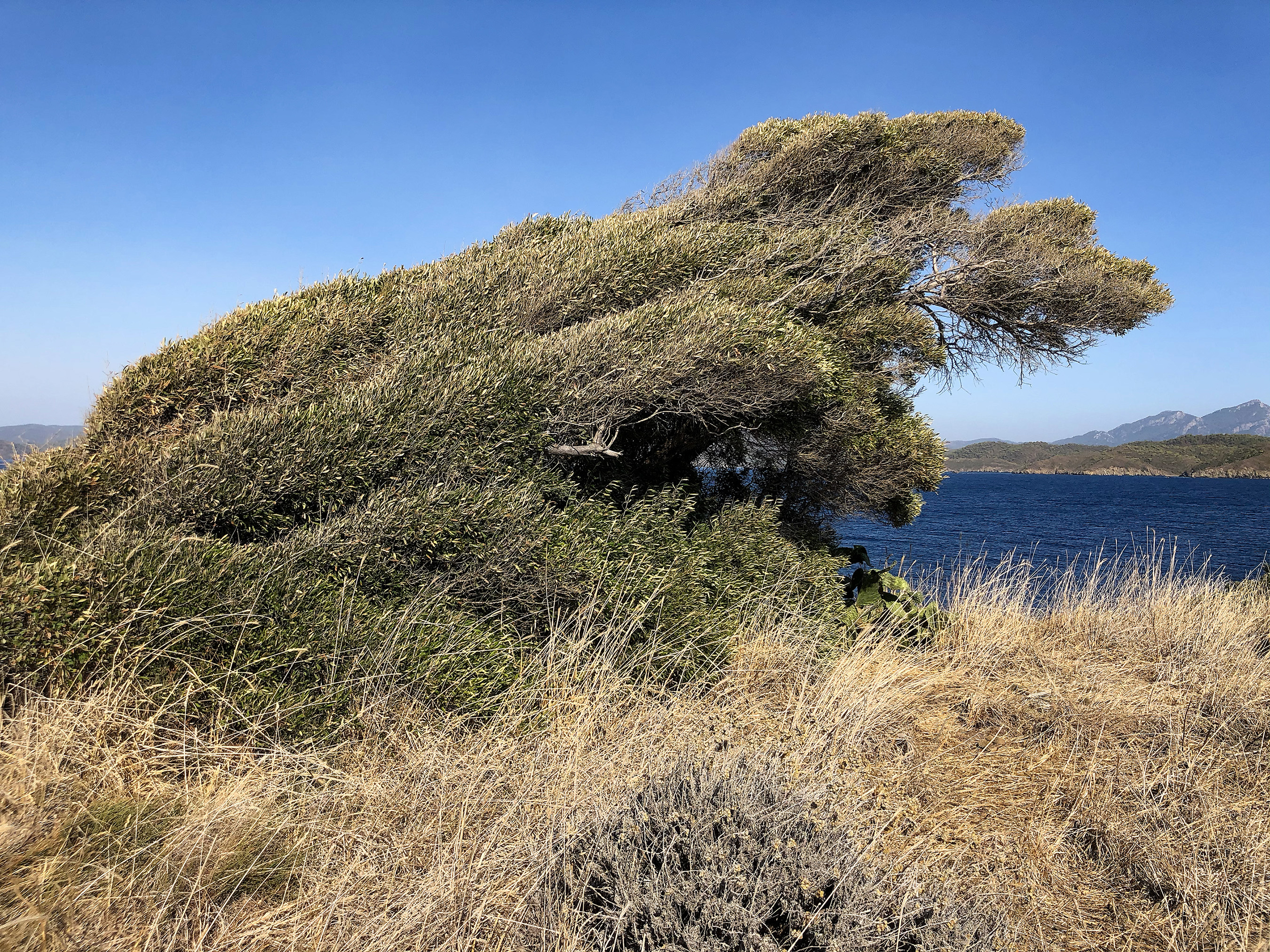
In the dramatic recorded history of the Aegean Sea, nothing of note happened on this island. There is no record of wars being fought here. It has not been written that this is where Cleopatra seduced Marc Antony. There are no ruins of Byzantine basilicas or tombs indicating that the island was once a place of pilgramage. It is just a rock rising from the floor of the sea that has given root to a single wind-bent olive tree. The island simply exists. That is what gives distinction to this understated place. In an increasingly complicated world there is solace in a place like this anonymous island.

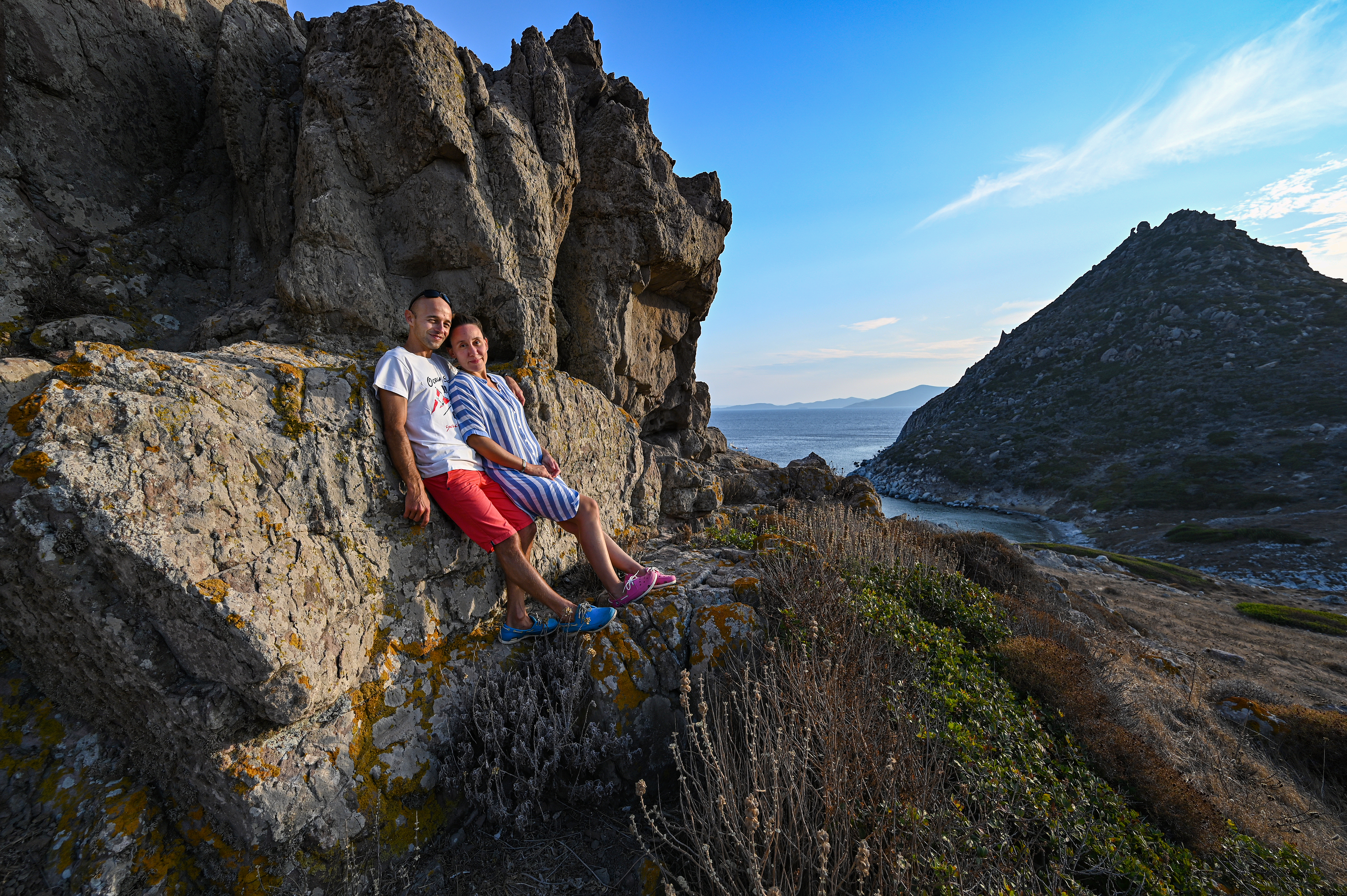
My passage along the Turkish Mediterranean coastline aboard Flying Fish has been one of quiet introspection during this summer of COVID. I feel an increasing need to seek isolated anchorages, to find music in the sound of wind on the water, to fill my lungs with clean air. Like the solo tree, I am content to just quietly exist.

During most of my travels in the Eastern Mediterranean this summer, history was everywhere I looked. All around me was evidence of great empires that thrived and then crumbled. Armies raged. There were acts of heroism and treachery. Natural disasters buried entire civilizations. As I lay at anchor in the lee of this tiny anonymous island I wonder if there are parallels in the history of these ancients that apply to our modern world?

In the current environment of pandemic and politics it is a particularly vulnerable time for the United States of America. Like many others, I sense a coming storm. I will soon be forced to leave the sanctuary of Flying Fish for an undetermined period of time. COVID restrictions prevent me from sailing onward. Visa restrictions prevent me from staying aboard Flying Fish. I love my country but it is clear that when I return it will be to a divided America that is at a tipping point in its own history.

How does one prepare for the uncertainty exacerbated by a continuing viral epidemic, racial hatred, climate crisis, and a vicious political cycle? There is no easy answer. The ancients could not figure it out and their civilizations vanished. I will have to remind myself of the good in this world. I will remind myself that there are places that still exist without confrontation. I will think back to these days on an anonymous island where nothing happened.

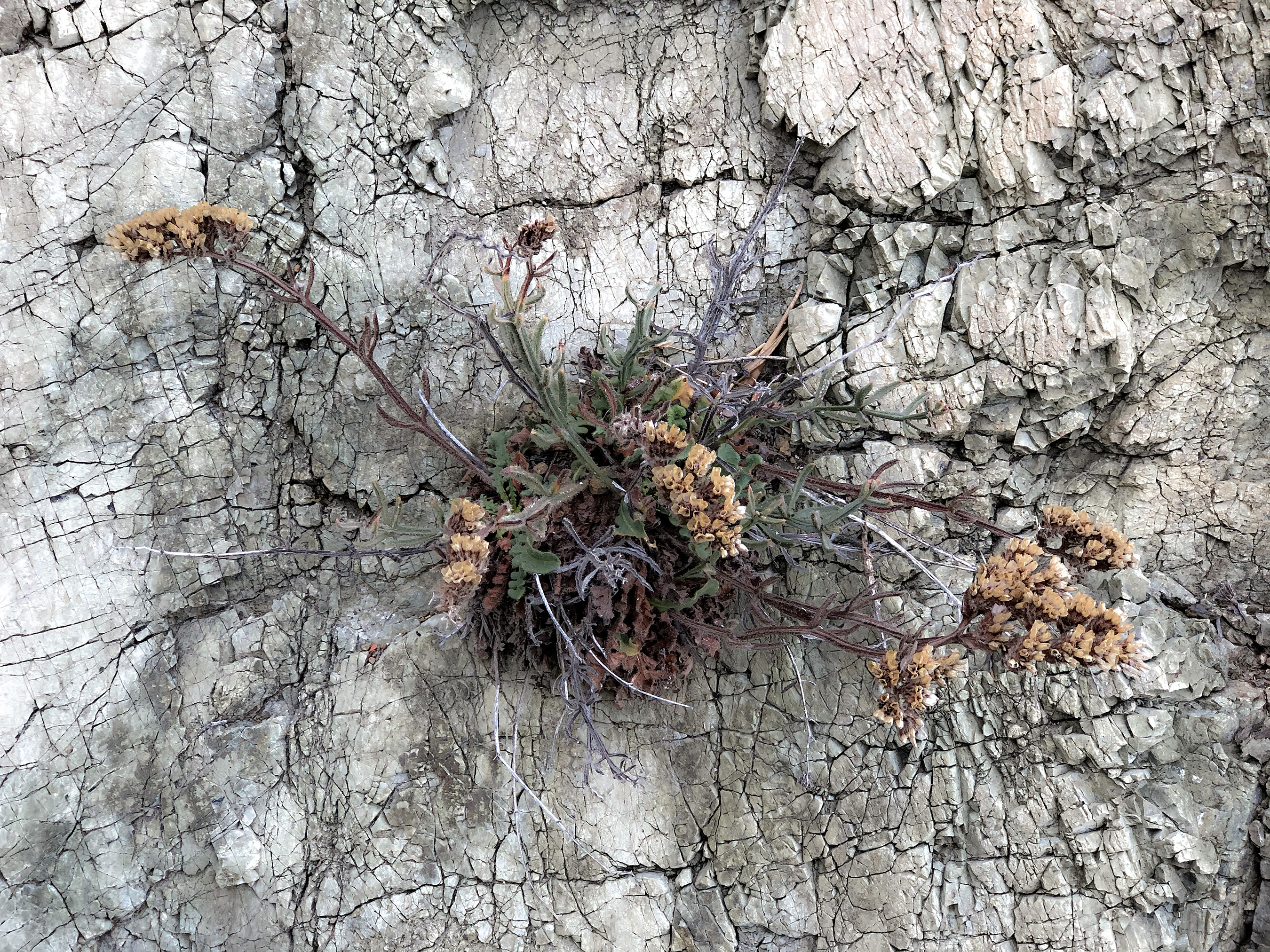
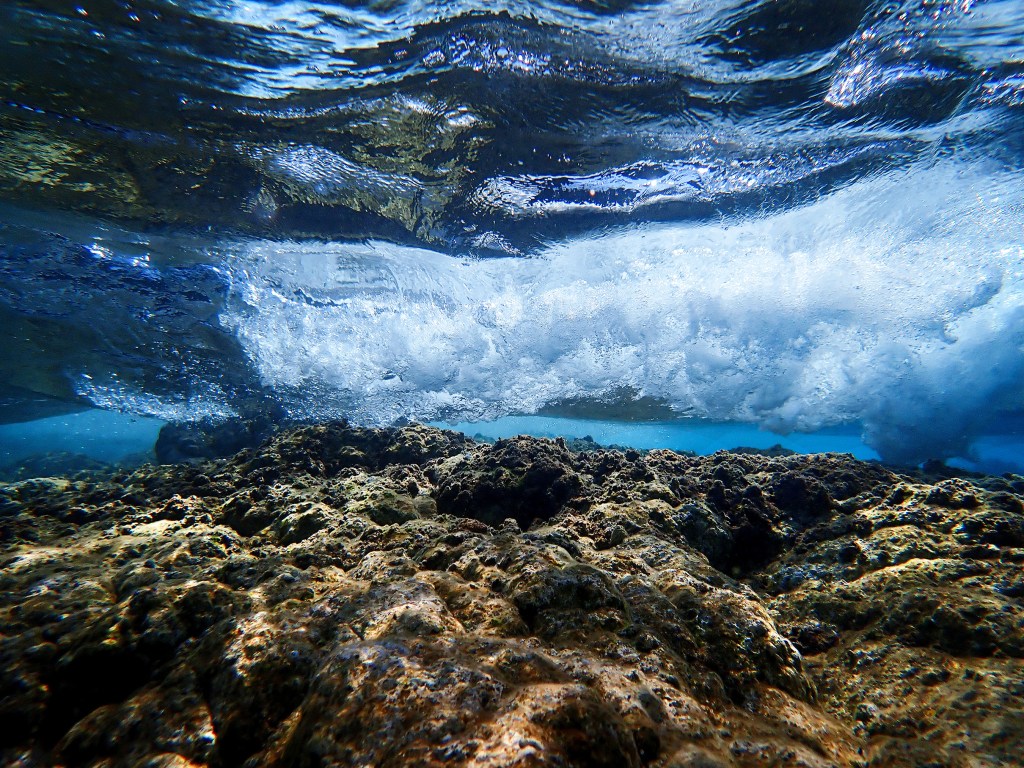
For a closer view of the nature on the island click each thumbnail image above and scroll through the series. Photographs: © Jeffrey Cardenas

one-tree-pufferfish.sm_

###

Please subscribe at the bottom of this page so that you don’t miss a new update, and consider sharing this post with others who might enjoy following the voyage of Flying Fish. Your comments encourage me to continue writing.

If you would like to follow the daily progress of Flying Fish into the Mediterranean, and onward, you can click this link: https://forecast.predictwind.com/tracking/display/Flyingfish

To see where Flying Fish has sailed since leaving Key West in 2017, click here: https://cruisersat.net/track/Flying%20Fish

Instagram: FlyingFishSail
Facebook: Jeffrey Cardenas

Text and Photography © Jeffrey Cardenas 2020

Abundance

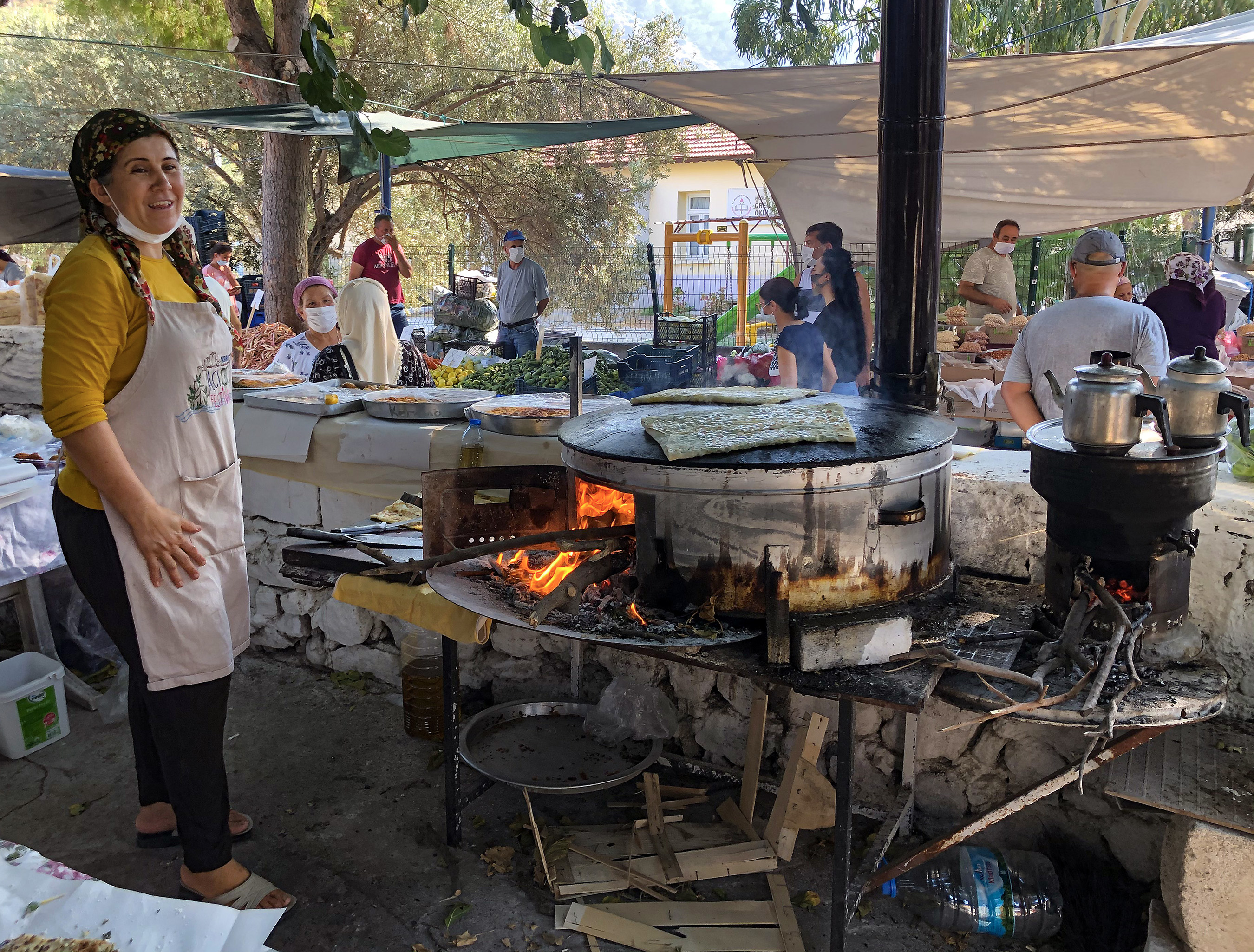
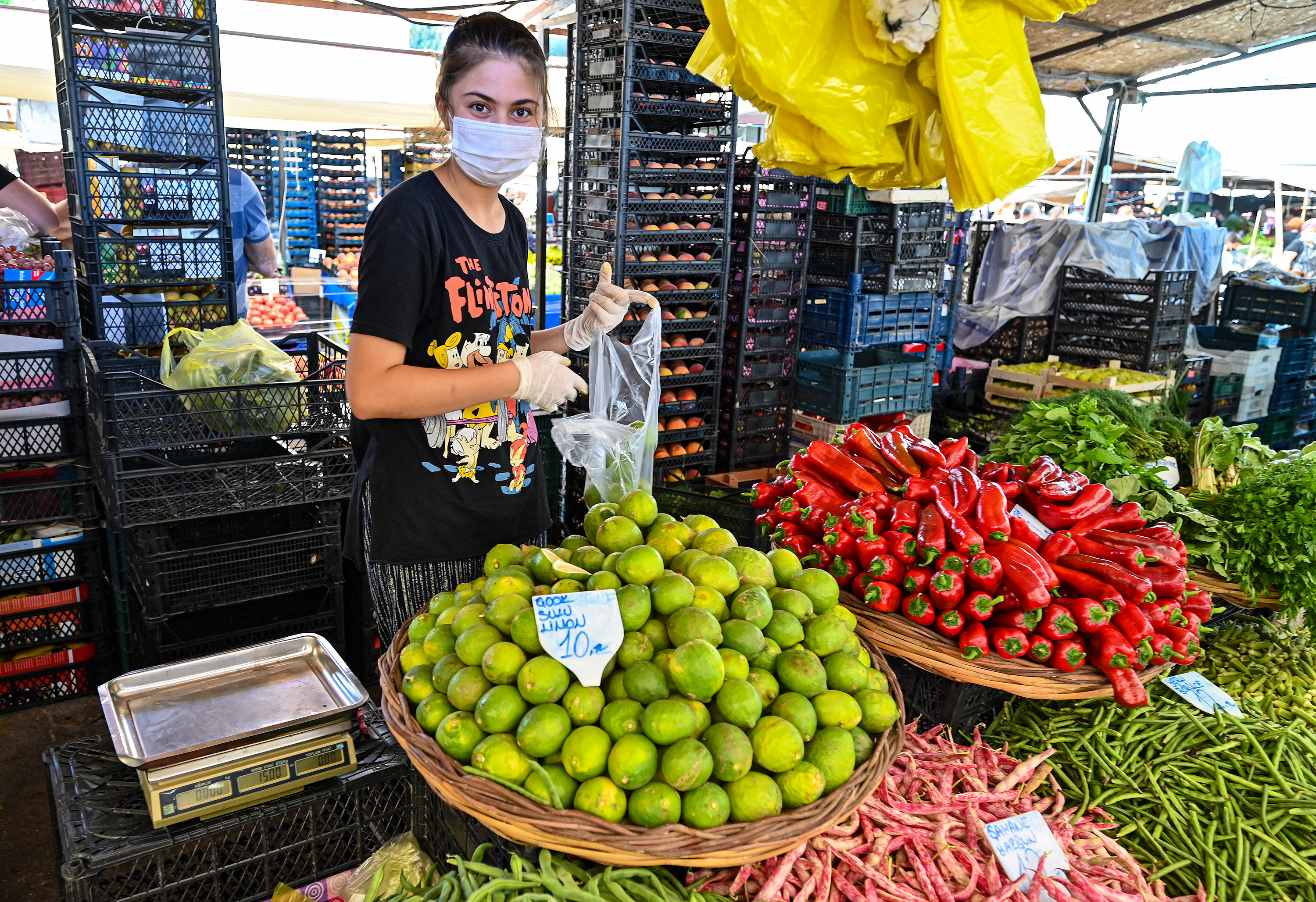
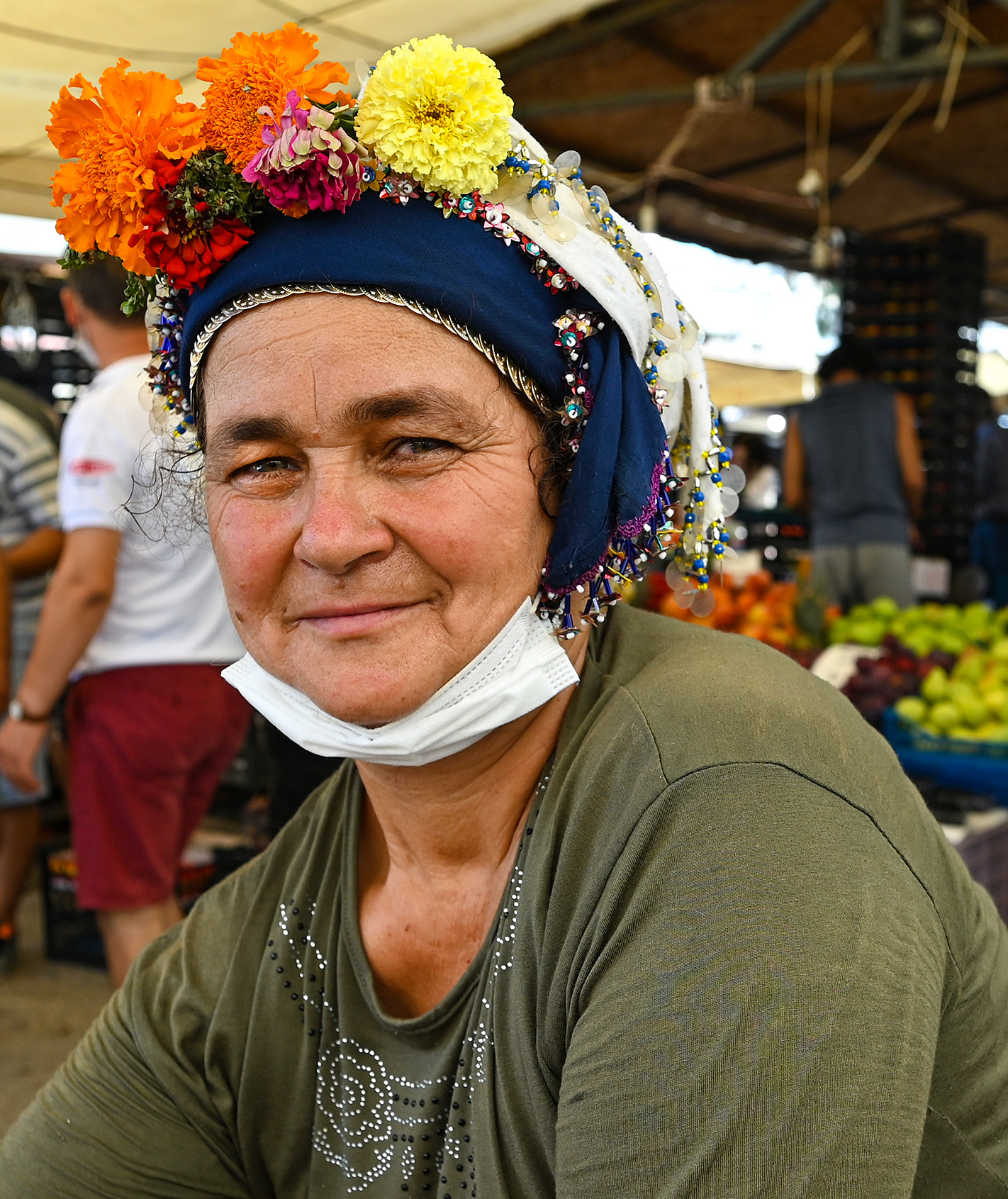
Market Day is the most festive day of the week in many parts of Turkey. Streets are closed to traffic. Vendors arrive in the early morning darkness to claim prime locations for showing their wares. It is a day to celebrate the abundance of summertime.

Top: Two sisters restock the the cherry bin. The t-shirt on the older sister might say, “Nope” but her smile says, Hoşgeldiniz–Welcome!

Above: A young girl selling fruit and vegetables, and dutifully wearing her COVID mask, cannot hide her amusement and curiosity when a foreigner tries to buy limes.

Right: An olive vendor adds fresh flowers to enhance the sartorial style of her traditional headscarf.

apricots


Please subscribe at the bottom of this page so that you don’t miss a new update, and consider sharing this post with others who might enjoy following the voyage of Flying Fish. Your comments encourage me to continue writing.

If you would like to follow the daily progress of Flying Fish into the Mediterranean, and onward, you can click this link: https://forecast.predictwind.com/tracking/display/Flyingfish

To see where Flying Fish has sailed since leaving Key West in 2017, click here: https://cruisersat.net/track/Flying%20Fish

Instagram: FlyingFishSail
Facebook: Jeffrey Cardenas

Text and Photography © Jeffrey Cardenas 2020

Seeking Aphrodite

Knidos columns.sm

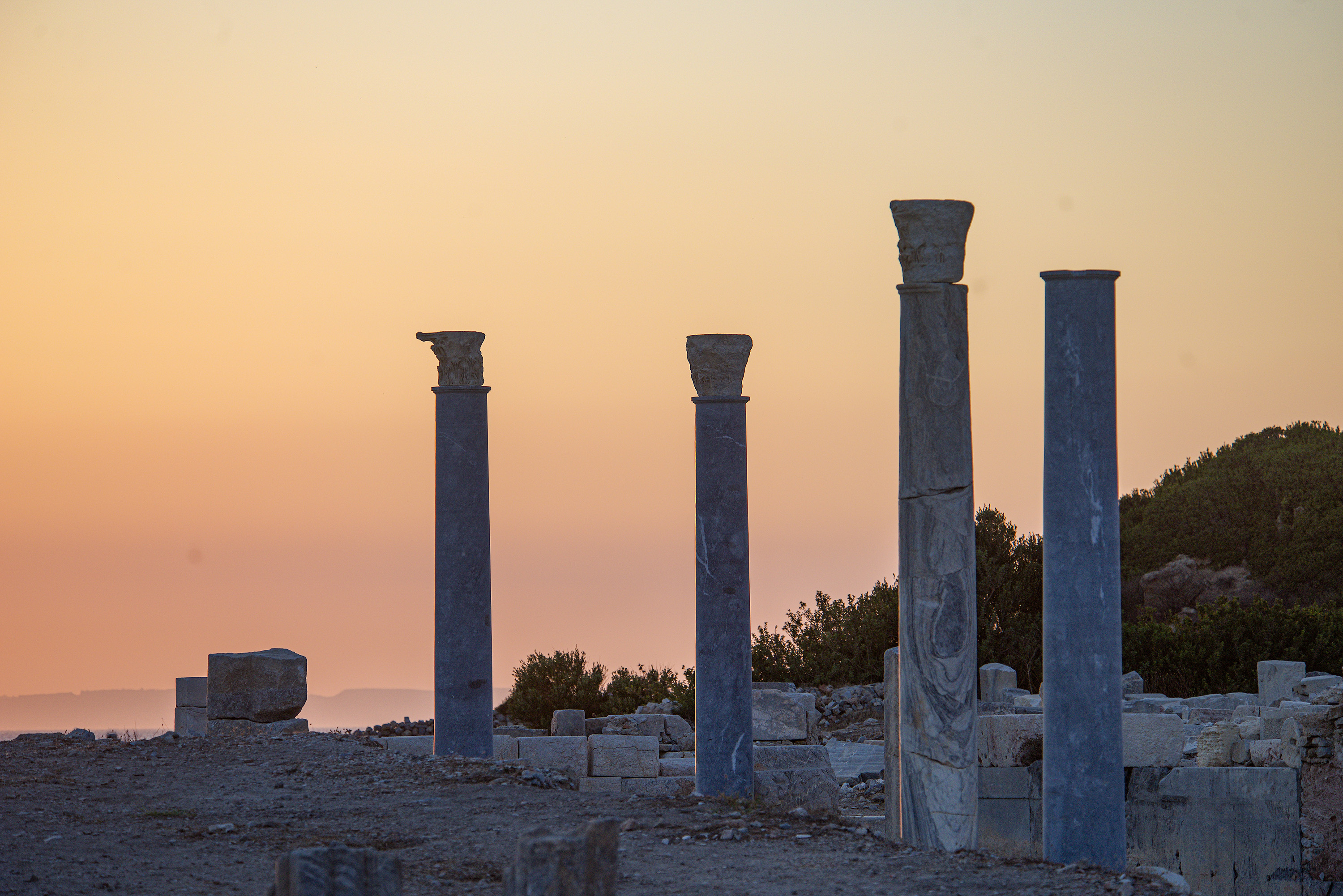
Amid the rubble of ancient Knidos there is an omnipresent ethos of the goddess Aphrodite.  Photograph: © Jeffrey Cardenas

Sailing along the Turkish Mediterranean coast is a continual voyage through antiquity. Ruins rise from the sea at nearly every headland to meet the mariner. At Knidos, there are the remains of a temple dedicated to Aphrodite and among its detritus is the essence of a goddess. In the history of classical art the sculpture of Aphrodite of Knidos may be the first example–it is certainly the most celebrated–of a woman portrayed entirely nude. I quickly furl the mainsail aboard Flying Fish and go ashore to ancient Knidos. 

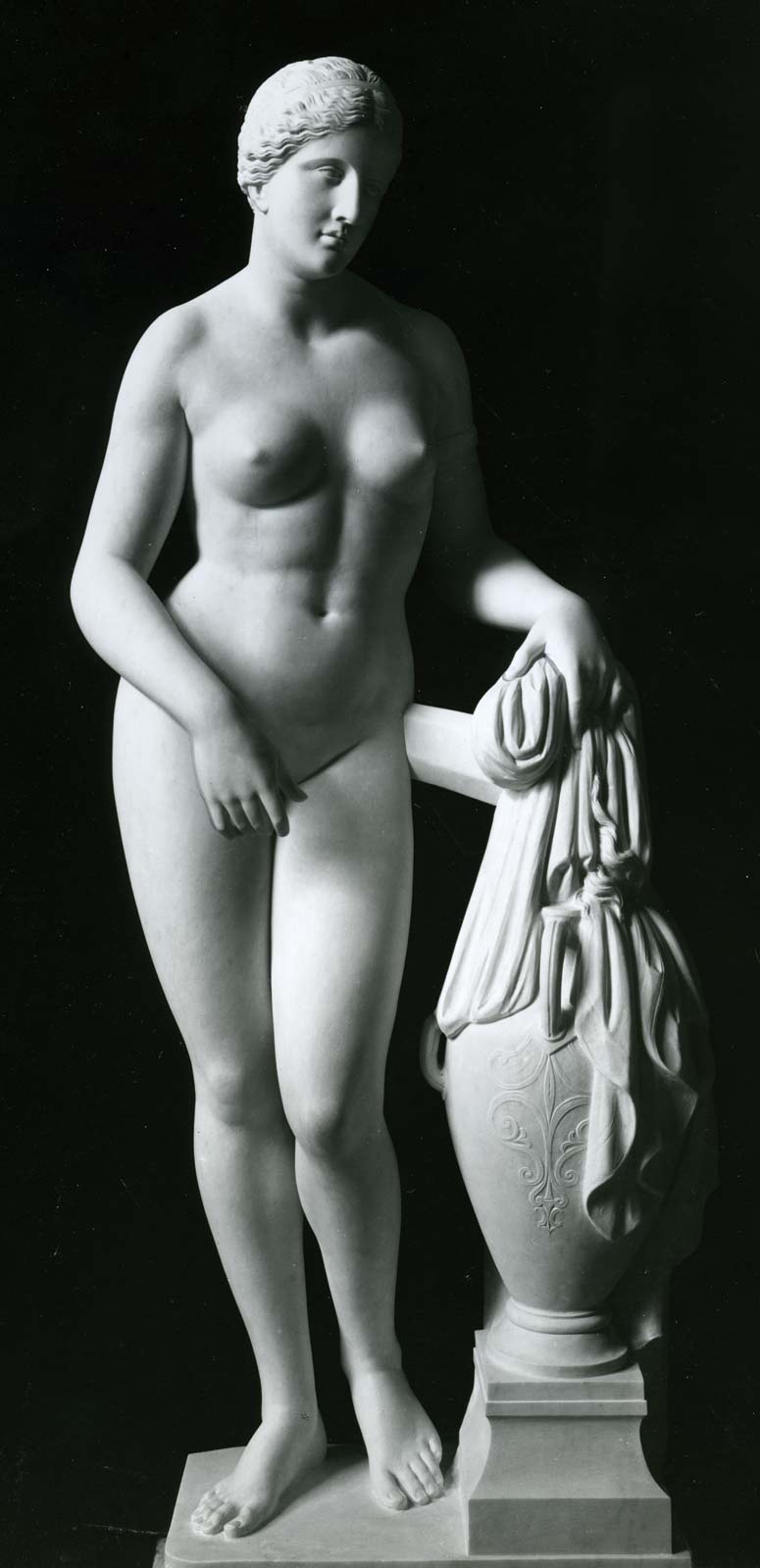
The Temple of Aphrodite Euploia (Aphrodite, Sea Goddess of Safe Voyages) has drawn sailors to this shoreline for more than 2,300 years. Knidos became prominent in the ancient world for hosting this sublimely erotic statue of the goddess, sculpted by Praxiteles in 365 BC. The structure housing it, now in ruins, was a circular Doric temple surrounded with colonnades. The goddess graced the center of the temple; her statue made of Parian marble. Aphrodite teased with a shy smile. Nothing hides her beauty other than a furtive hand veiling her modesty. The statue of Aphrodite was not traditionally placed in the end of the hall of the temple’s cella. Instead, it was sited in the middle of the circular foundation making it possible for visitors to admire the statue from all angles. The statue of the goddess was said to have a particularly attractive backside.

Aphrodite-of-Cnidus-statue-Roman-Praxiteles-Greek

Aphrodite of Cnidus, a Roman marble copy of the Greek statue by Praxiteles, c. 350 BC, Vatican Museum. –Public Domain

Knidos, or Cnidus in the 4th century BC, was a Hellenic city in southwestern Asia Minor, now on the Datça peninsula in modern-day Turkey. Because of this strategic geographical location the Knidians acquired considerable wealth in trade and commerce. The city was less than a mile long, and the entire area remains covered with architectural artifacts. In addition to the spectacular Corinthian temples on Knidos there was an acropolis, an odeum, and numerous marbled terraces and theaters. The ancient city was said to even have its own medical school.

Knidos is now a ruin and deserted, except for tourists and mariners who come to pay homage to its heritage. In ancient times, however, it was at the center of the world on the trade routes from Alexandria to Athens. Its harbor sheltered sailors from the violent meltemi winds. Scorched and bleached by the sun and surrounded by the turquoise Mediterranean Sea, Knidos is both harsh and idyllic. The walls of the ancient harbor still stand. Fragments of column and cornice and terracotta are scattered in the rocks and wind-sculpted bushes of the maquis. In summer the ground releases the fragrance of wild sage growing among shards of ancient earthenware.

Knidos remained somewhat isolated from the western world until The Society of Dilettanti, a group of British noblemen and scholars (and, ultimately, plunderers) sponsoring the study of ancient Greek and Roman art sent an exploratory mission there in 1812. Additional excavations were executed by Sir Charles Newton in 1857–1858 and the great treasures–including the colossal Lion of Knidos–were taken (by battleship) back to England. Missing, however, was the statue of Aphrodite. 

Aphrodite was an ancient Greek goddess associated with love, beauty, pleasure, and passion. She was syncretized with the Roman goddess Venus. In the Iliad she was the child of Zeus and Dione. She also had some well-known siblings including Apollo, Athena, Heracles, Helen of Troy, and the Cyclopes. Aphrodite was the surrogate mother and lover of the mortal shepherd Adonis, who was attacked by a wild boar and died in Aphrodite’s arms. With Athena and Hera, Aphrodite was one of the three goddesses whose feud resulted in the beginning of the Trojan War. But what history remembers most of Aphrodite, and what likely encouraged Praxiteles to bring her image to life, was her erotic beauty.

According to an account by Pliny the Elder, Praxiteles created two statues of Aphrodite (which were offered at the same price): one fully clothed and the other naked. The Greek town of Kos was horrified at the depiction of Aphrodite nude so they purchased the draped statue. Knidos bought the remaining Aphrodite and it was installed in a temple to the goddess where it gained a widespread cult-like following for its beauty. Coins issued in Knidos were minted in her honor. Later, King Nicomedes of Kos tried to buy naked Aphrodite from the Knidians promising to discharge their enormous state debt. The Knidians resolutely kept Praxiteles’ naked Aphrodite.

The statue became so widely known that epigrams were written of it. One anecdote has the goddess Aphrodite herself coming to Knidos to see the sculpture. Acknowledging her perfect likeness she says: “Paris, Adonis, and Anchises saw me naked. Those are all I know of. So how did Praxiteles contrive it?” A similar epigram is attributed to Plato: When Aphrodite saw her sculpture at Knidos she said, “Alas! Where did Praxiteles see me naked?”

The Knidos Aphrodite was different, in a decidedly erotic way. It is one of the first life-sized representations of the nude female form in Greek history, displaying an alternative idea to male heroic nudity. Praxiteles’ Aphrodite is shown reaching for a bath towel while covering her pubis, which, in turn leaves her breasts exposed. Up until this point, Greek sculpture had been dominated by male nude figures. Author Mary Beard writes in her book, How Do We Look: “The hands alone are a giveaway here. Are they modestly trying to cover her up? Are they pointing in the direction of what the viewer wants to see most? Or are they simply a tease? Whatever the answer, Praxiteles has established that edgy relationship between a statue of a woman and an assumed male viewer that has never been lost from the history of European art.”

Men were driven mad with desire for this image of Aphrodite. Pliny observed that some visitors to Knidos were “overcome with love for the statue.” The statue was so lifelike that it was said to “arouse viewers sexually as if she were a woman in flesh and blood.” In Erotes, an explicit essay written around AD 300 attributed to author Lucian of Samosata, a young man was once so overwhelmed by the image of Aphrodite that he broke into the temple at night and attempted to copulate with the statue. Upon being discovered by a custodian, he was so ashamed that he hurled himself over a cliff near the edge of the temple.

Sadly, Aphrodite of Knidos is no longer in existence. One theory is that the statue was removed to Constantinople (modern Istanbul), where it was housed in the Palace of Lausus in AD 475. When the palace burned the statue was lost. That was not the end, however, of the obsession with Aphrodite of Knidos.

Enter the curious appearance of American socialite archeologist Iris Cornelia Love.

Love claimed to be a direct descendant of both the explorer Captain James Cook and American founding father Alexander Hamilton, as well as the maternal great great granddaughter of Meyer Guggenheim. In 1969, with the Turkish archeologist Askidil Akarca, a granddaughter of the last sultan of the Ottoman Empire, Love sailed from Bodrum (ancient Halicarnassus) down the coast of Asia Minor to excavate the ruins of Knidos. On July 20, 1969, the day Neil Armstrong and Buzz Aldrin landed on the moon, Love uncovered a circular marble platform at the Knidos site. Additional finds included the foundation of a circular building with eighteen columns, a life-sized human hand of Parian marble comparable in size to copies of the statue of Aphrodite of Knidos, numerous votive offerings dating from the archaic through Hellenistic periods, and an inscription in marble beginning: “Prax…” The team of young archeologists believed they had found the site of the temple that once housed perhaps the most famous statue of the ancient world and one of Pliny’s Seven Wonders–Praxiteles’ Aphrodite.

Knidos Temple Aphrodite.sm

The excavated ruin many believe is the Temple of Aphrodite Euploia viewed from the cliff above at Knidos, Turkey. Flying Fish appears in the top right of the image.  Photograph: © Jeffrey Cardenas

 The discovery propelled Iris Cornelia Love to the kind of fame very few archaeologists achieve. She found herself on the front page of The New York Times, on prime-time national television interviewed by Barbara Walters, photographed by Harry Benson, partying with Andy Warhol. Tabloids ran headlines such as “Love Finds Temple of Love” and referred to her as “the mini-skirted archaeologist”. The discovery attracted intense international media attention when it was presented at the annual meeting of the Archaeological Institute of America. It also attracted many famous guests to the excavation site, including Mick and Bianca Jagger.

This fanfare called Love’s interpretation of the discovery into question. Critics accused her of converting the excavation into an exclusive holiday spot. Noted Turkish archaeologists disputed her conclusions. The Turkish government revoked her research license for Knidos. Love subsequently retired from archeology, devoted herself to breeding dachshunds (for which she won several prizes), and lived in Greece, Italy, and New York with her partner of many years, tabloid journalist Liz Smith. Iris Cornelia Love died this year at age 86, after being diagnosed with Covid-19.

I sit atop the jagged cliff overlooking the ruin of the Temple of Aphrodite Euploia and reflect upon myth and reality. (Could this be the same ledge where the besotted youth plunged to his death after being caught in flagrante delicto with the marble statue?) There is heat emanating from the rock and the quintessence of being in a rare place. I often wonder what it is that drives my ship. On this day it is the mythology of Aphrodite that puts fresh wind in my sails.


SOURCES

  • Erotes: “A Dialogue Comparing Male and Female Love,” attributed to Lucian of Samosata, 2nd century AD 
  • The Venus Pudica: “Uncovering Art History’s Hidden Agenda’ and Pernicious Pedigrees,” Generations and Geographies in the Visual Arts.
  • Aphrodite of Knidos: Joukowsky Institute for Archaeology & the Ancient World,
    Brown University
  • Pliny the Elder: Natural History XXXVI.4.20-I
  • Iris Love, Archaeologist who Discovered the Temple of Aphrodite: The Telegraph Obituaries, May 5, 2020
  • Love Among the Ruins: Departures, Martin Filler, March 30, 2010
  • Epigrams Plato: Wikipedia.org
  • Circe: Madeline Miller
  • The Aphrodite of Knidos: YouTube, Faces of Ancient Europe October 18, 2017 https://www.youtube.com/watch?v=dkwjgv3Nr90

Please subscribe at the bottom of this page so that you don’t miss a new update, and consider sharing this post with others who might enjoy following the voyage of Flying Fish. Your comments encourage me to continue writing.

If you would like to follow the daily progress of Flying Fish into the Mediterranean, and onward, you can click this link: https://forecast.predictwind.com/tracking/display/Flyingfish

To see where Flying Fish has sailed since leaving Key West in 2017, click here: https://cruisersat.net/track/Flying%20Fish

Instagram: FlyingFishSail
Facebook: Jeffrey Cardenas

Text and Photography © Jeffrey Cardenas 2020