Passing in the Night

Early morning landfall in Italy after crossing the Stretto di Sicilia between Africa and Europe. © Jeffrey Cardenas

From the Log of Flying Fish: 10 May 2021

I am sailing tonight through a chokepoint of continents.

Sicily and Europe are to starboard; the bright illumination of Palermo is visible far out to sea. To port, in darkness, there is Africa and the Tunisian shoreline once known as the Barbary Coast.

At 04:00 on this moonless night, I see the jaw-dropping silhouette of a mega yacht pushing fast to the east. My AIS shows the vessel as the 532-foot pleasure craft Eclipse, bound for Dubrovnik. Owned by Russian oligarch Roman Abramovich, Eclipse is said to be valued at nearly $1 billion. As it roars past, purple vanity lights under its hull shine deeply into the Mediterranean Sea.

This chokepoint is also one of the primary transit routes for migrants fleeing poverty and politics in Africa. Over 700,000 Africans crossed the Stretto di Sicilia to Italy in the past decade with the hope of opportunity and a new life in Europe. Most migrants leave the African shoreline entrusting their fate to human traffickers who grossly overload small boats of questionable seaworthiness with men, women, and children who can pay the price. Many pay the ultimate price; thousands have drowned making this passage. Human cargo passing through these waters continues to be a frequent, sometimes nightly, occurrence.

I have been thinking about this narrow passage in the Stretto di Sicilia for some time, wondering how I would respond if the shadow of a struggling migrant boat appeared to port, just as the silhouette of Eclipse had appeared to starboard.

If a private vessel, like Flying Fish, makes contact with migrants in the Mediterranean–even to lend assistance–it is an offense punishable by imprisonment from European Union authorities. Captains have been convicted of “human trafficking” for aiding migrants they felt were in distress. The irony is that international maritime law requires a captain to lend assistance to anyone in distress at sea. This legal contradiction would be fascinating to hear debated in a courtroom, but preferably not as a defendant.

Radio traffic is silent from the surveillance aircraft and patrol vessels in the straits tonight. I encounter no migrants on this dark expanse of water.

Larger questions loom: As I sail onward aboard Flying Fish, I wonder what am I doing for the greater global good? How do I reconcile my privilege and opportunity while others flee their homes with only the clothing on their backs? What is the solution? And if I am not a part of the solution, am I a part of the problem?

Along the Barbary Coast, some might argue that what is truly barbaric is the vast economic disparity of those of us aboard ships who are simply passing each other in the night.

###


Sailing is not just about the wind and the sea; equally important are the places to which this boat takes me.

Please click Follow at the bottom of this page so that you don’t miss a new update, and please consider sharing this post with others who might enjoy following the voyage of Flying Fish. I welcome your comments. I will always respond to your comment when I have an Internet connection. And I will never share your personal information.

You can follow the daily progress of Flying Fish, boat speed (or lack thereof), and current weather as I sail into the Mediterranean by clicking this satellite uplink: https://forecast.predictwind.com/tracking/display/FlyingfishClick the “Legends and Blogs” box on the right side of the tracking page for en route Passage Notes. 

To see where Flying Fish has sailed since leaving Key West in 2017, click here: https://cruisersat.net/track/Flying%20Fish.

Instagram: FlyingFishSail
Facebook: Jeffrey Cardenas

Text and Photography © Jeffrey Cardenas 2021

Let this be a time of grace and peace in our lives   –Fr. John Baker

Traditional Maltese Boats (and Kannoli)

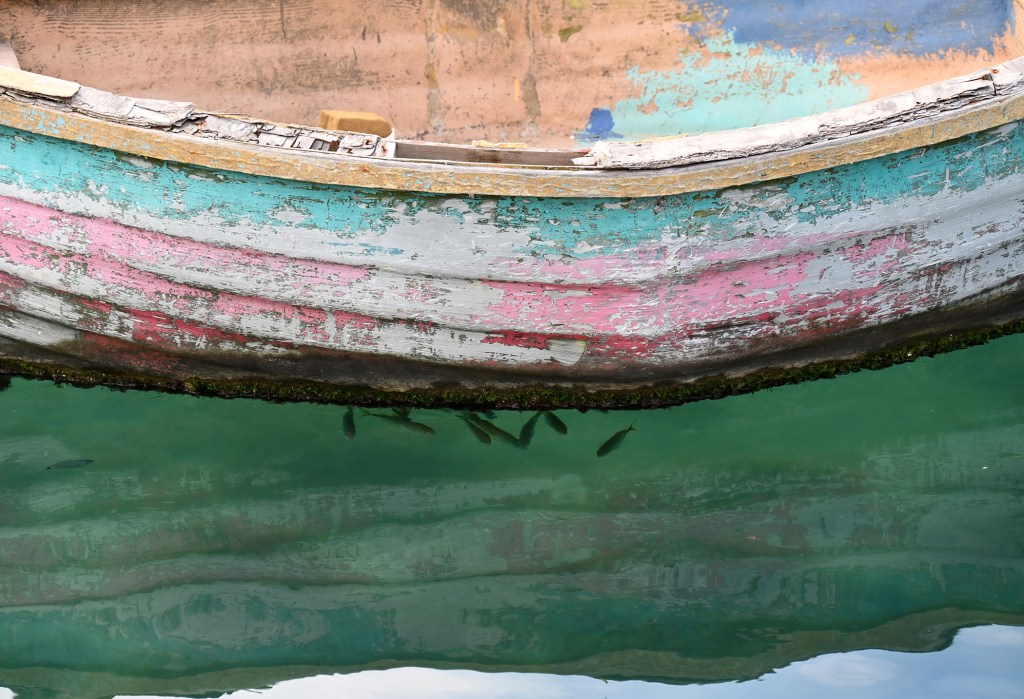
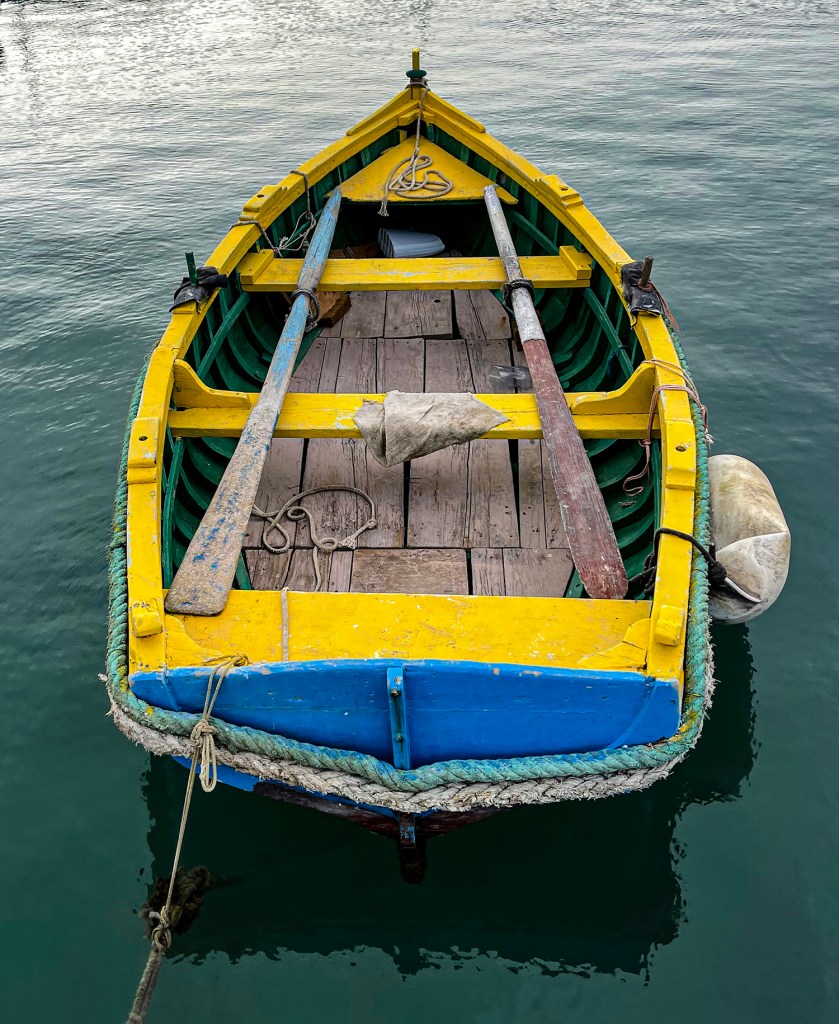
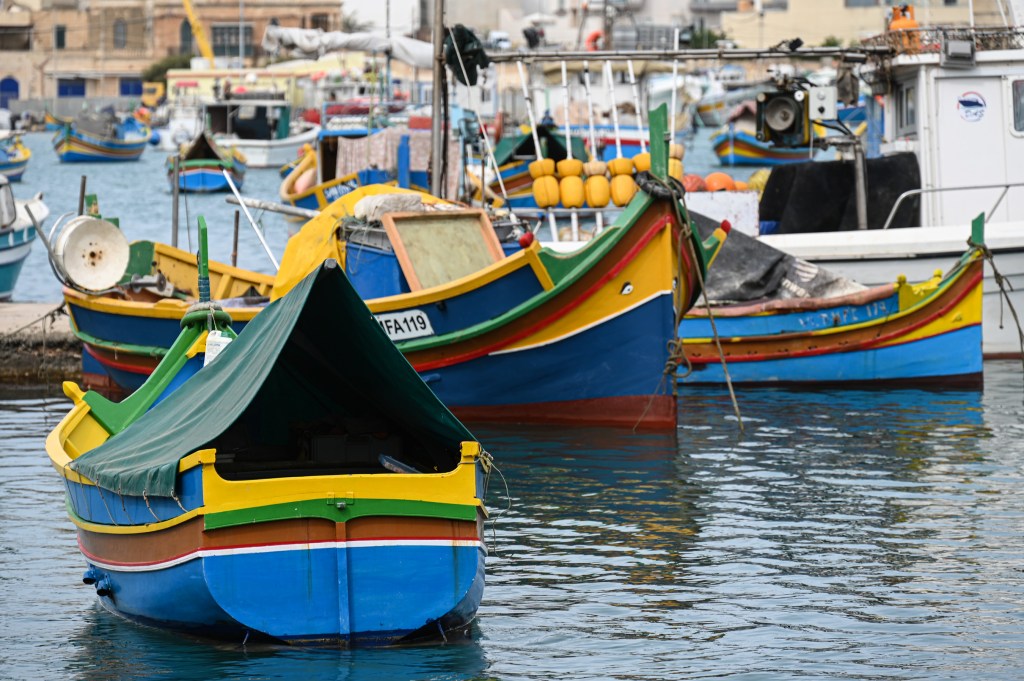
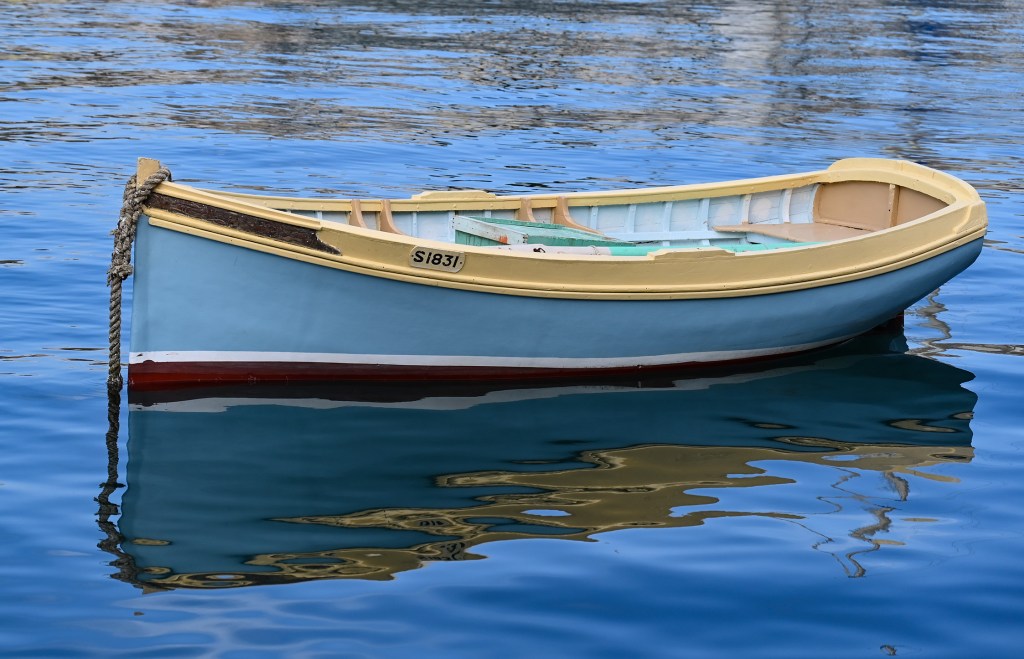
A boat owner paints his luzzu with pride (and a little music from the earbuds) at the traditional fishing harbor of Marsaxlokk in Malta. © Jeffrey Cardenas

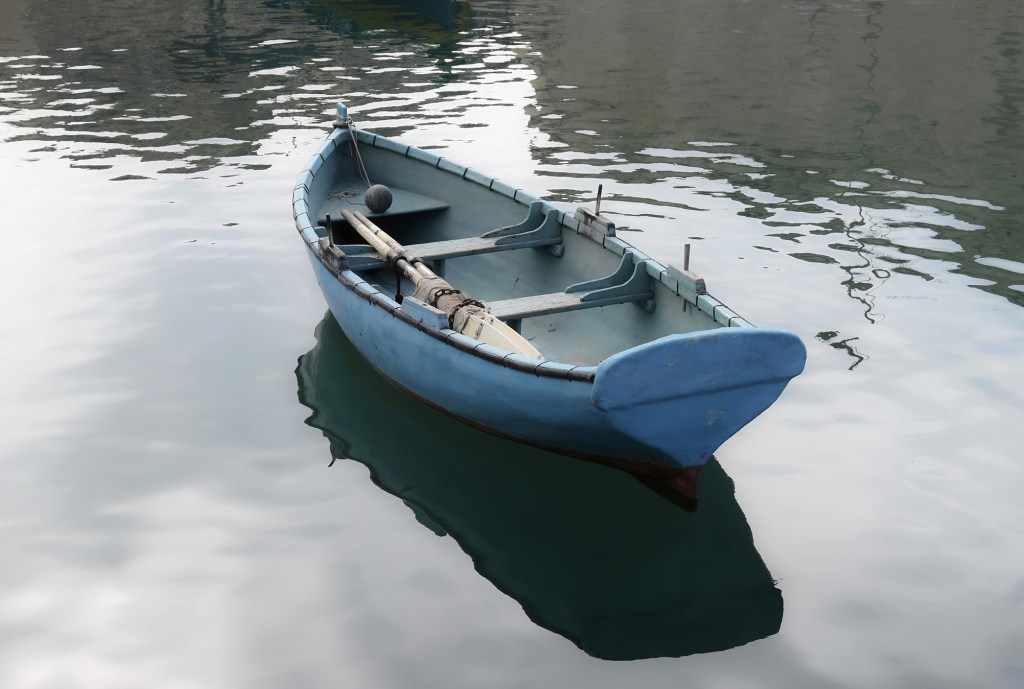
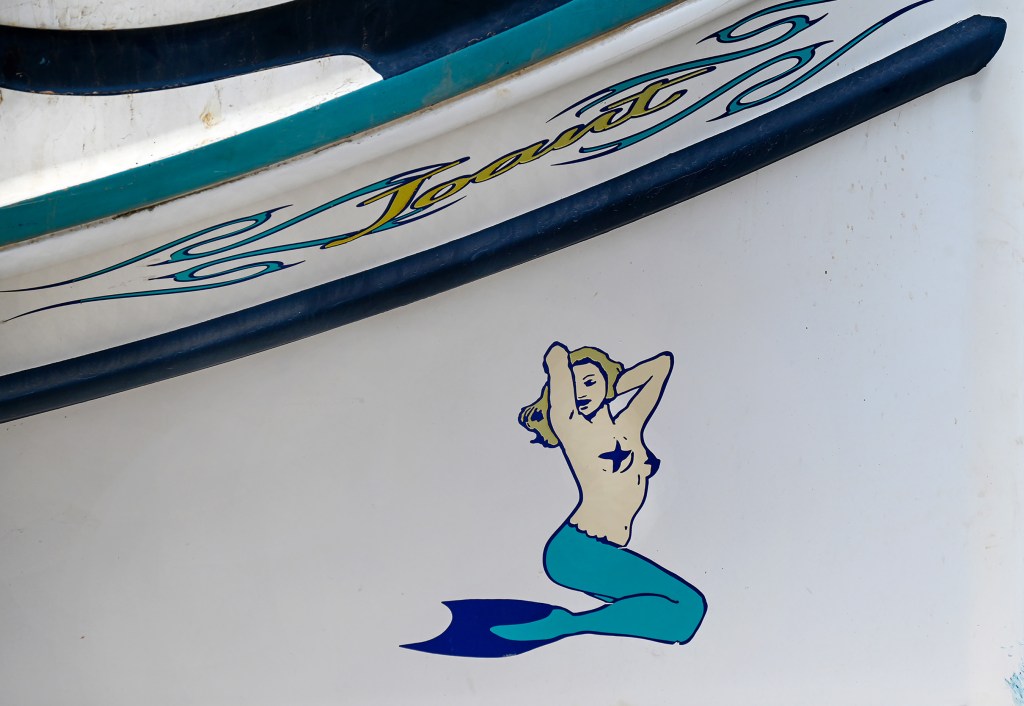
Maltese fishermen come from a long line of seafarers. I watch them moving about in the early morning of Msida Harbour, readying their traditional boats for another day on the water. Brightly painted luzzus and handcrafted rowing dories are loaded with nets and provisions. I am preparing for another day on the water, too. I will leave in a few hours on a 320-mile passage from Malta to Sardinia. I have a long to-do list this morning in Msida, but my attention is diverted by the scent of fresh-from-the-oven Maltese kannoli coming from the Busy Bee Bakery. Hmmm, I think as I turn toward the bakery. A sailor can’t go to sea without proper provisions…

The images of Malta’s traditional boats (not to mention the island’s kannoli) created memories I will carry on departure from this unique island. I arrived in Malta at a difficult time. The island was still in pandemic lockdown. Bars, restaurants, churches (even bakeries!) were closed indefinitely. Life was at a standstill, except at the waterfront. Each day, the sea came alive with fishermen in their traditional multicolored boats. Not even the worst virus in a century could stop the Maltese from going to sea.

It is interesting which images of a place etch into the grey matter and which fade away. I will sail from Malta with a little bit melancholy–there is never enough time–but also with a debt of gratitude. And, if things get rough, I have a sack of fresh-from-the-oven Maltese kannoli to help me along my way.


Malta’s Busy Bee kannoli. Passage provisions.

Sailing is not just about the wind and the sea; equally important are the places to which this boat takes me.

Please click Follow at the bottom of this page so that you don’t miss a new update, and please consider sharing this post with others who might enjoy following the voyage of Flying Fish. I welcome your comments. I will always respond to your comment when I have an Internet connection. And I will never share your personal information.

You can follow the daily progress of Flying Fish, boat speed (or lack thereof), and current weather as I sail into the Mediterranean by clicking this satellite uplink: https://forecast.predictwind.com/tracking/display/FlyingfishClick the “Legends and Blogs” box on the right side of the tracking page for en route Passage Notes. 

To see where Flying Fish has sailed since leaving Key West in 2017, click here: https://cruisersat.net/track/Flying%20Fish.

Instagram: FlyingFishSail
Facebook: Jeffrey Cardenas

Text and Photography © Jeffrey Cardenas 2021

Let this be a time of grace and peace in our lives   –Fr. John Baker

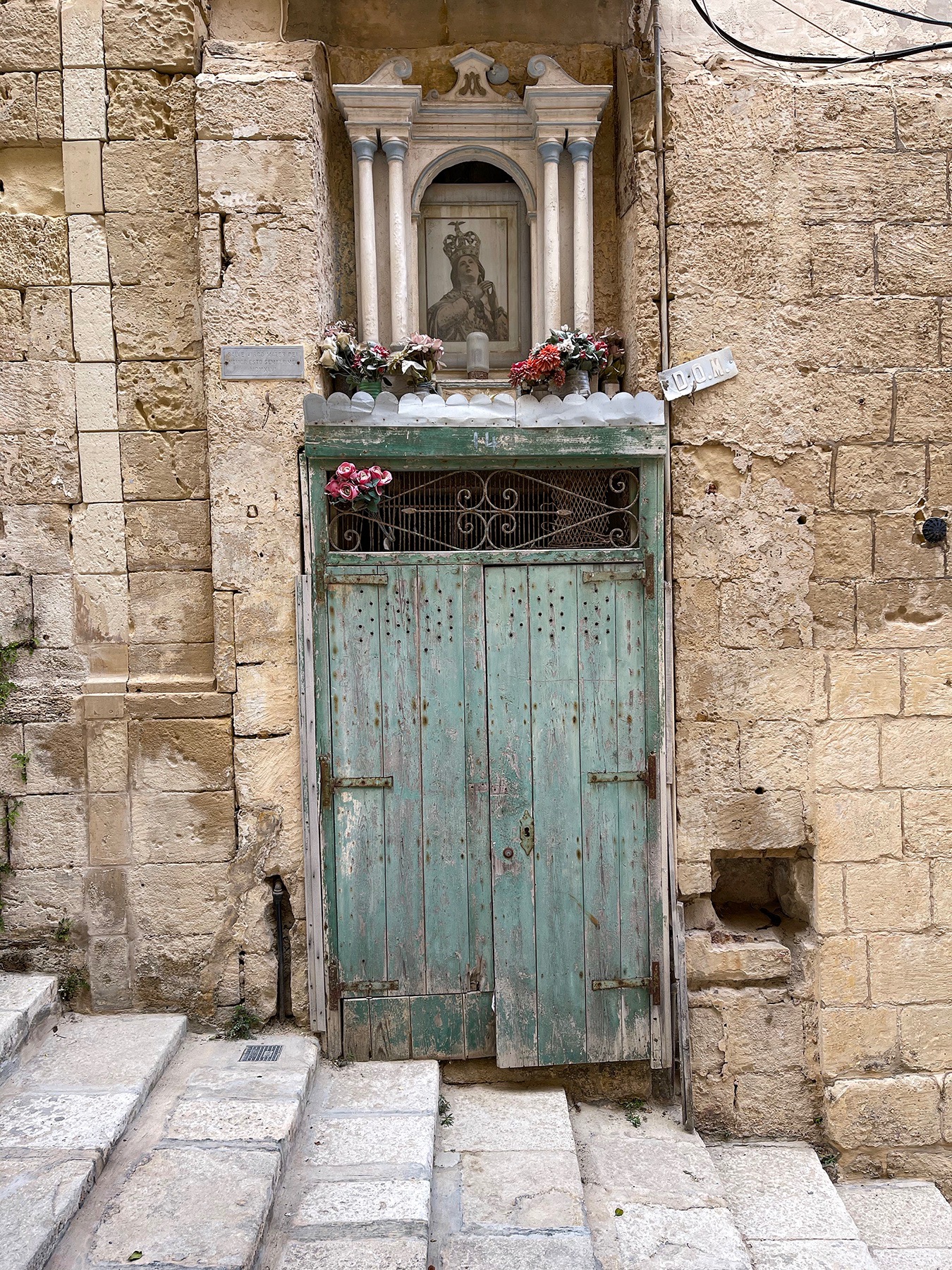
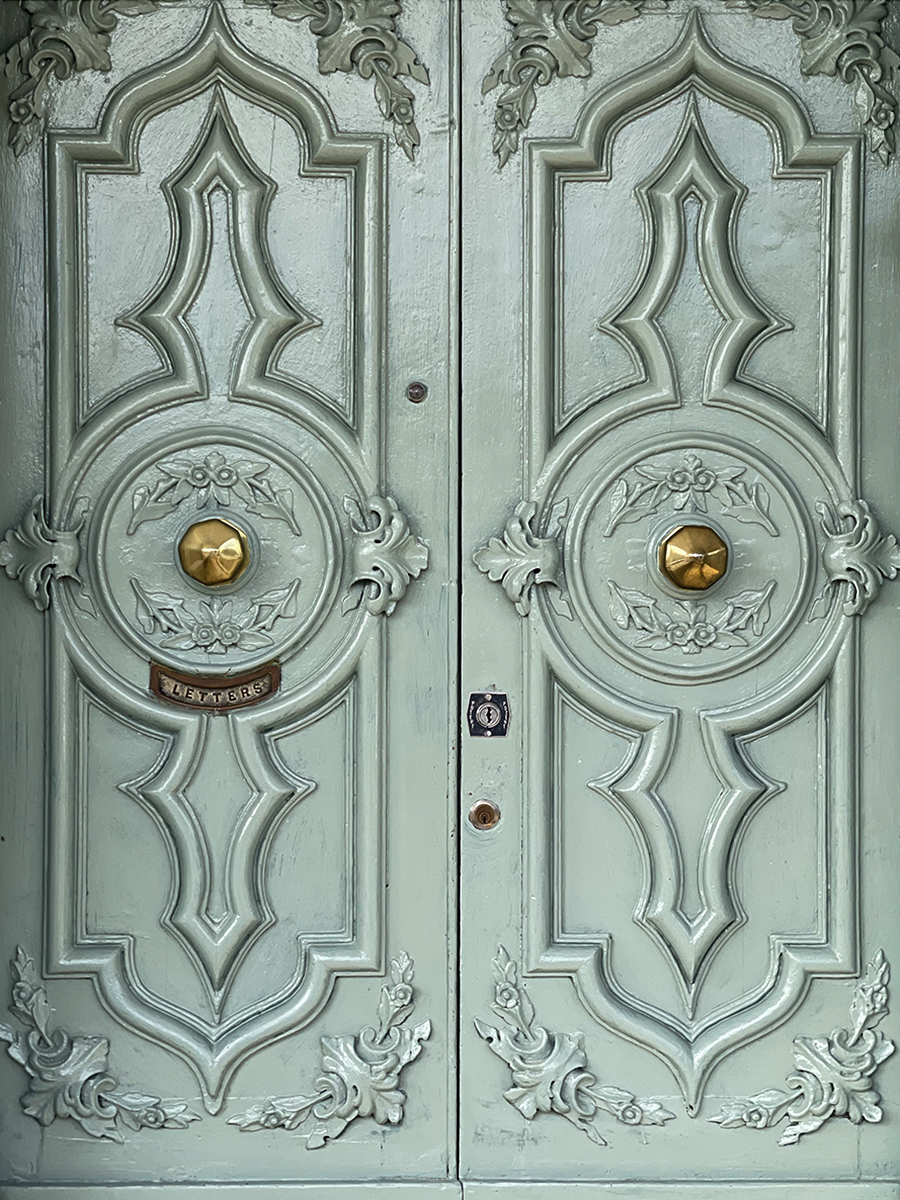
24 Doors Malta

The walled medieval city of Valletta withstood centuries of siege and world war and remained the spiritual center of Malta. Photograph © Jeffrey Cardenas

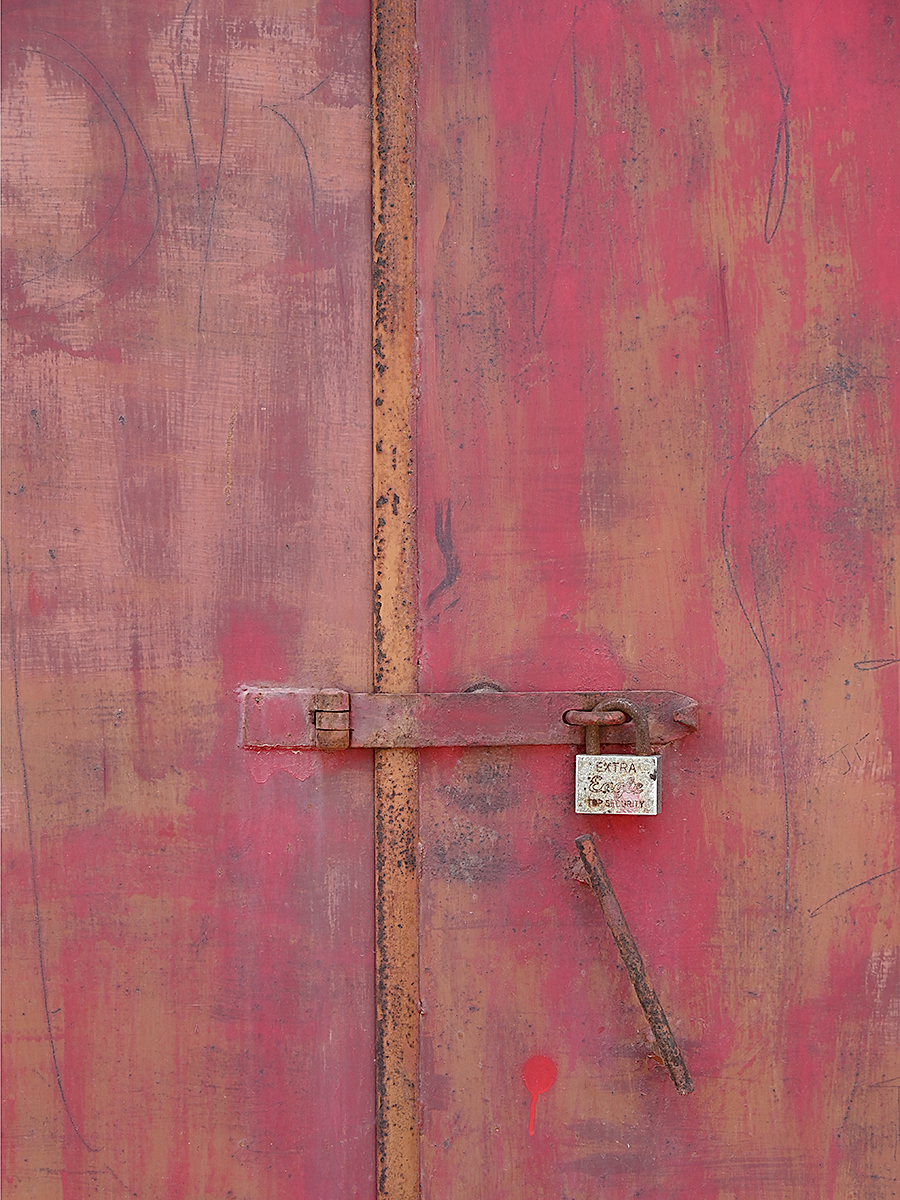
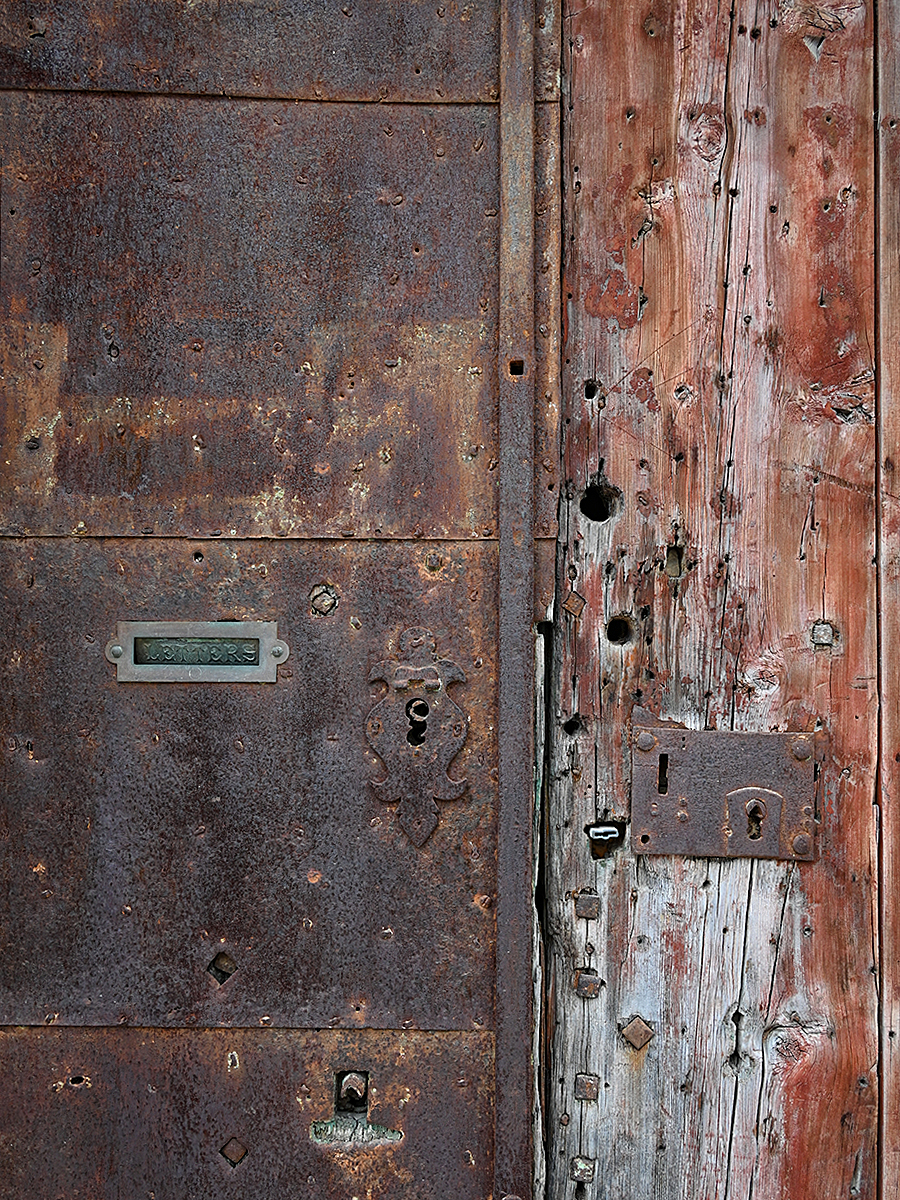
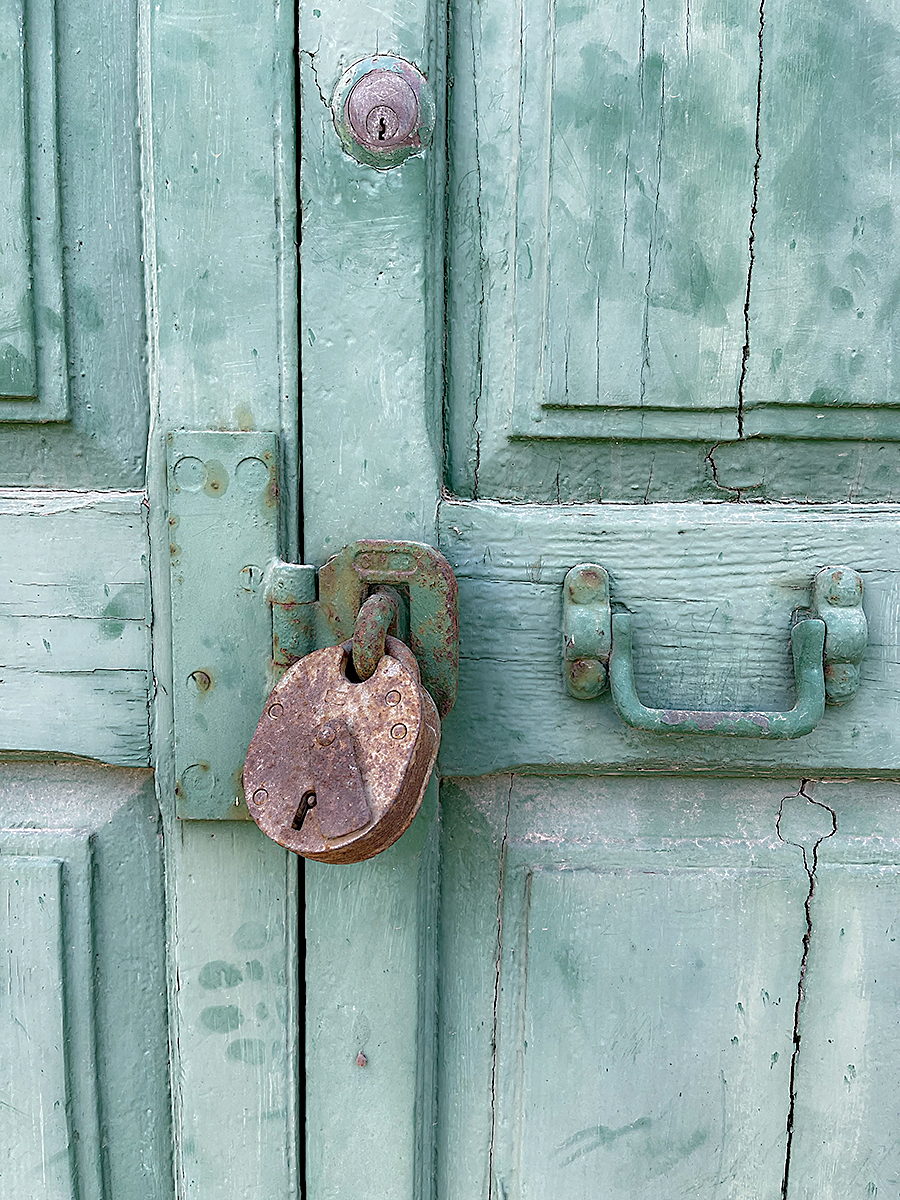
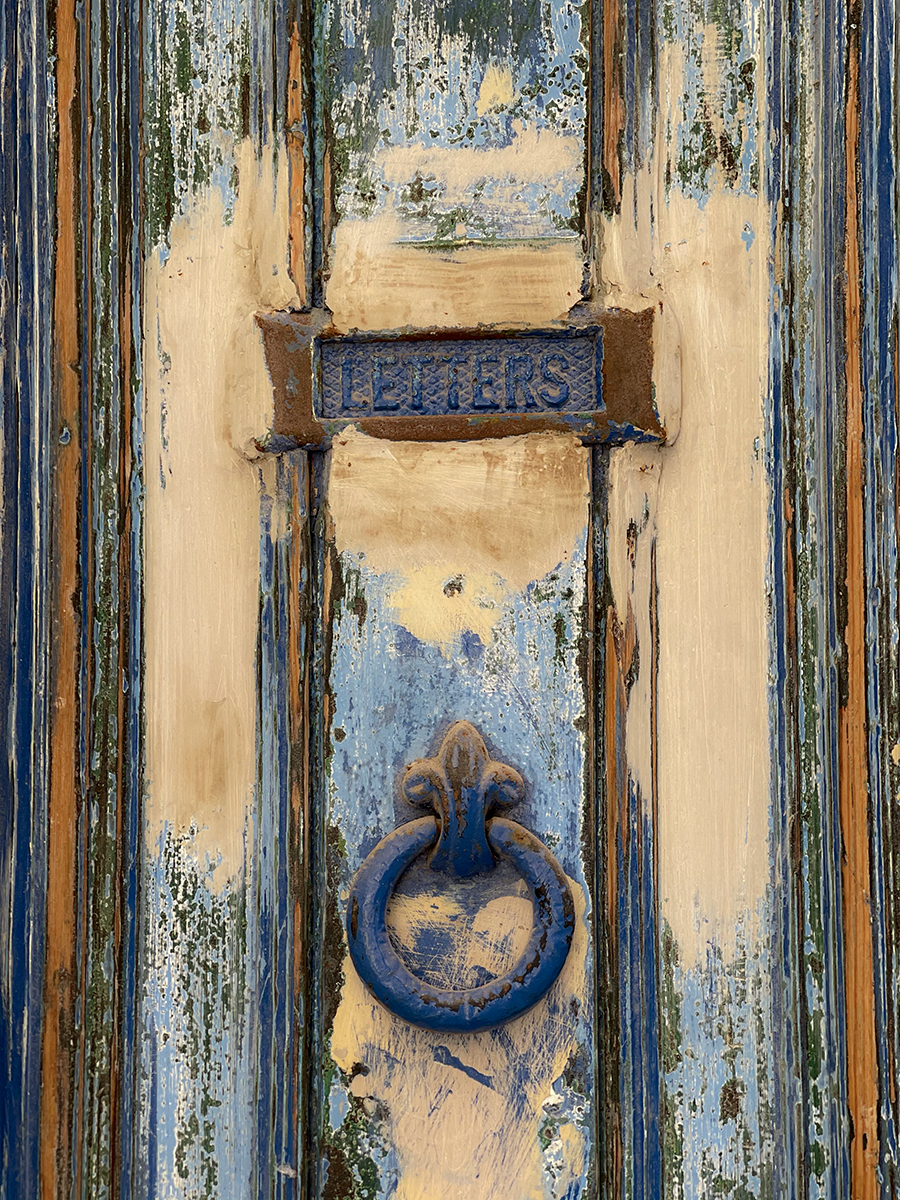
As I sail through a pandemic that seems to have no end, the significance of finding a portal allowing me to move onward has more meaning to me. Mediterranean Europe is on fire again with a new wave of coronavirus. As I prepared for my departure from Malta to Italy, my destination in Sardinia went from COVID Condition White (completely open) to Orange and then to Red (completely closed) in only three days. Much of Malta, where Flying Fish is currently moored, also remains closed. The cure for my restlessness this day is to walk through the medieval city of Valletta… and look at doors.

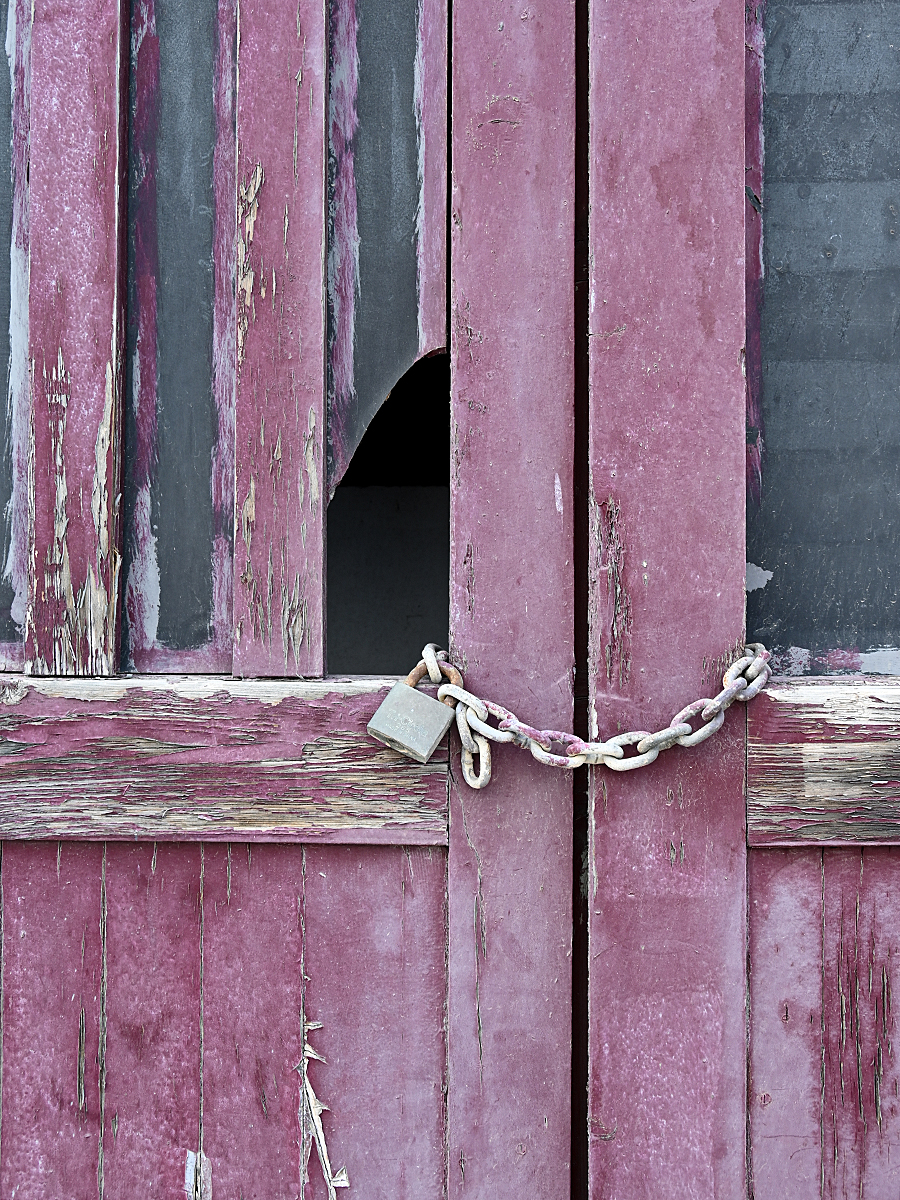
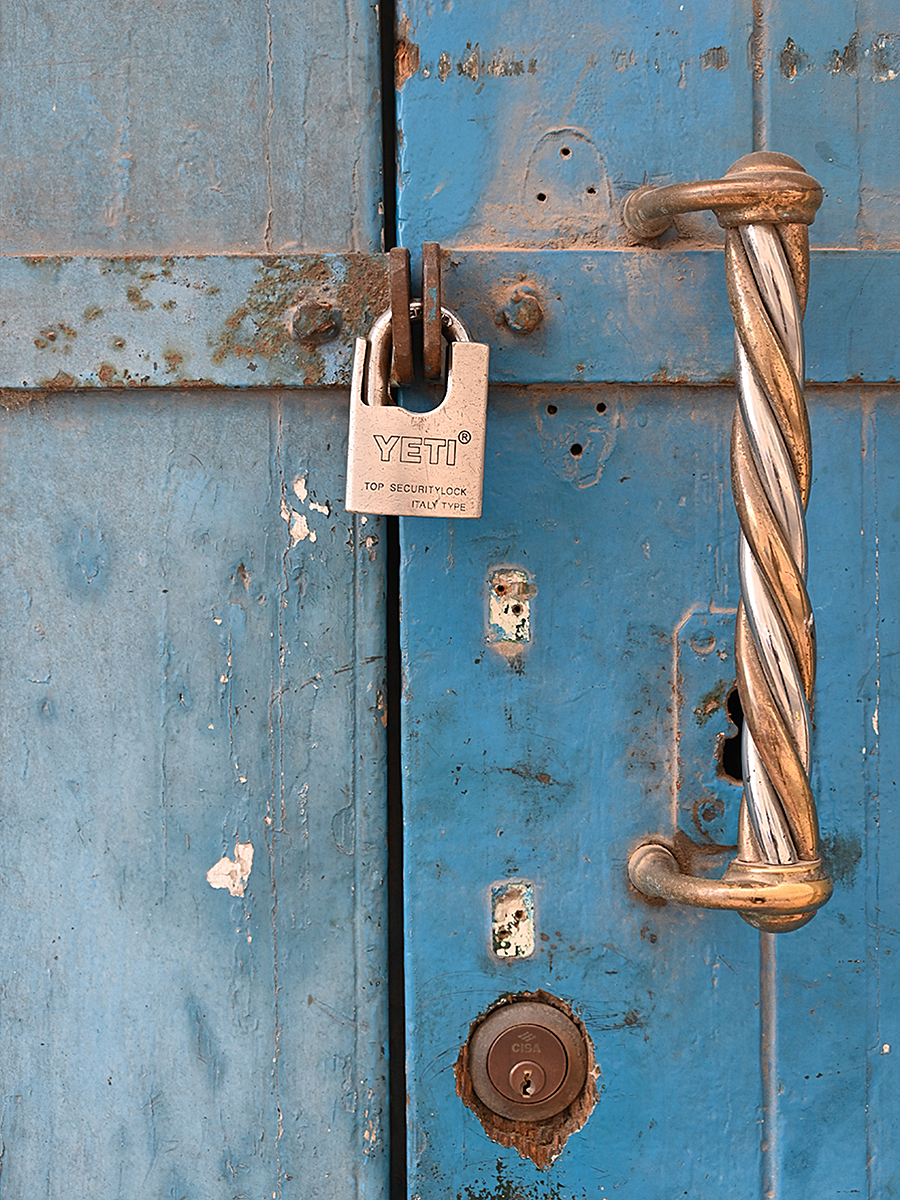
Doors control entry or exit, depending on which side you are on. They represent a border; doors divide and connect two worlds. They provide a passageway for starting something new or leaving something behind. A door is a universal symbol that implies transition, giving way from one domain to another. It is the place of passage between two completely different states. A door can divide a hostile and dangerous space from the comfort of a safe place.

“There are things known and things unknown, and in between are the doors.” –Jim Morrison

In Valletta today, most doors remain closed and locked. Some show centuries of use and wear. Others feature details of pride. All provide protection. And so it is with sailing in a pandemic. One day, the doors will reopen.


Sailing is not just about the wind and the sea; equally important are the places to which this voyage delivers me.

Please click Follow at the bottom of this page so that you don’t miss a new update, and please consider sharing this post with others who might enjoy following the voyage of Flying Fish. I welcome your comments. I will always respond to your comment when I have an Internet connection. And I will never share your personal information.

You can follow the daily progress of Flying Fish, boat speed (or lack thereof), and current weather as I sail into the Mediterranean by clicking this satellite uplink: https://forecast.predictwind.com/tracking/display/FlyingfishClick the “Legends and Blogs” box on the right side of the tracking page for en route Passage Notes. 

To see where Flying Fish has sailed since leaving Key West in 2017, click here: https://cruisersat.net/track/Flying%20Fish

Instagram: FlyingFishSail
Facebook: Jeffrey Cardenas

Text and Photography © Jeffrey Cardenas 2021

Let this be a time of grace and peace in our lives   –Fr. John Baker
Gregale

Gale force wind lashes Malta’s Marsamxett Harbour. Photo: © Jeffrey Cardenas

There is a Maltese expression: bahar jibla’ l-art, which translates as an event “when the sea wants to swallow the land.” It is a perfect description of the Mediterranean gregale that is sweeping over Malta this morning. Weather warnings for gale force winds reaching 40 knots from the northeast add an exclamation point to what has already been a winter of unstable Mediterranean weather.

The wind in Malta should abate by tomorrow, but a gregale is never taken lightly on this island with a rich maritime history. In February 2019, gregale winds in Malta reached Force 8 and 9 (50 knots), flooding streets and uprooting trees. The sea did “swallow the land” in Malta’s worst recorded gregale in 1555, causing waves that inundated the city of Valletta, drowning 600 people.

Today’s wind map for Malta and the Central Mediterranean Sea, with a future course line to Sardinia. Image Credit: PredictWind Offshore

Weather and religion frequently coincide, especially in this part of the world. The gregale is also known as euroclydon, meaning “a violent action.” Euroclydon was the Biblical cyclonic wind that wrecked the ship of St. Paul on the coast of Malta. “…About midnight the shipmen deemed that they drew near to some country; And sounded, and found it twenty fathoms: and when they had gone a little further, they sounded again, and found it fifteen fathoms. Then fearing lest we should have fallen upon rocks, they cast four anchors out of the stern, and wished for the day.

“And when neither sun nor stars in many days appeared, and no small tempest lay on us, all hope that we should be saved was then taken away.

Aboard Flying Fish, I have underestimated the severity of winter (now spring) Mediterranean weather. In Turkey and Greece, there was the Meltemi. Ahead lay the easterly Levante that funnels through the Straits of Gibraltar, the summer Sirocco is filled with Saharan sand, the Libeccio raises high seas in Corsica, the violent Mistral of southern France shoots cold air out of the Rhône Valley, and the northerly Tramontane is generally defined as “anything seen as foreign, strange, or even barbarous.”

With all of its idiosyncrasies, the weather is one of the most captivating aspects of sailing across the world’s oceans and seas. Weather can be fascinating (like a cobra coming out of a basket), it can be frustrating, or it can be otherworldly glorious. Weather always reminds me that I am human and that there exists a higher power than me.

Not even a gregale will move this canon embedded in Valletta’s shoreline. Photo: © Jeffrey Cardenas

Please click Follow at the bottom of this page so that you don’t miss a new update, and please consider sharing this post with others who might enjoy following the voyage of Flying Fish. I welcome your comments. I will always respond to your comment when I have an Internet connection. And I will never share your personal information.

You can follow the daily progress of Flying Fish, boat speed (or lack thereof), and current weather as I sail into the Mediterranean by clicking this satellite uplink: https://forecast.predictwind.com/tracking/display/FlyingfishClick the “Legends and Blogs” box on the right side of the tracking page for en route Passage Notes. 

To see where Flying Fish has sailed since leaving Key West in 2017, click here: https://cruisersat.net/track/Flying%20Fish

Instagram: FlyingFishSail
Facebook: Jeffrey Cardenas

Text and Photography © Jeffrey Cardenas 2021

Let this be a time of grace and peace in our lives   –Fr. John Baker
Passage to the Middle Sea

The rigging and foredeck of Flying Fish on passage in light air from Turkey to Malta. © Jeffrey Cardenas

A passage has a life of its own. Like a good book, there is a beginning, various plotlines, drama, and then it ends. The 680-mile passage of Flying Fish last week across the eastern Mediterranean from Turkey to Malta was no exception.

  • I felt some anxiety about my routing to Malta through Greek territorial waters. Greece and Turkey prohibit transit between their countries, and their war of words has recently escalated to saber-rattling.
  • Weather became an issue. A ferocious meltemi wind developed, unforcasted, soon after I departed from Turkey.
  • I experienced a startling “bump in the night” as Flying Fish’s keel met unseen rocks in a dark anchorage.
  • The meltemi turned into winter with freezing rain coating the deck.
  • As I continued into the Mediterranean, hundreds of merchant ships were stalled en route to Suez because a massive container ship had gone aground, closing the entire canal.
  • And in the middle of it all, I once again lost critical onboard electronics. Both the AIS and the autopilot became inoperative. I was electronically invisible to shipping traffic and, with my autopilot gone, I couldn’t even take my hands off the wheel to pee overboard.

Nobody said this was going to be easy.

The route from Turkey to Malta was an initial point of concern. Travel between ports in Turkey and Greece–COVID notwithstanding–has been shut down for months because of territorial sea disputes. Tensions are inflamed over an area of the continental shelf in the Aegean Sea believed to hold rich oil reserves. Territorial waters give the respective state(s) control over shipping. However, foreign ships usually are guaranteed “innocent passage” through those waters. Nevertheless, the Greek military continued a non-stop VHF radio broadcast, warning all vessels from Turkey not to “violate sovereign waters.” Short of heading several hundred miles south toward Egypt, transit through Greek territorial waters would be the only routing option for Flying Fish to sail west.

The passage began with a raging meltemi wind out of the Aegean. Meltemi winds form when a high-pressure system over Greece meets a low-pressure system over Turkey. North winds near gale force are often created in the chute between the two counter-rotating systems. Flying Fish struggled to make forward progress in steep, short-period seas between the islands. Temperatures plummeted as the northerly wind increased. Fortunately, there are abundant sanctuaries for protection from the meltemi among the Greek Islands. I dropped anchor to get some rest in a protected bay at sparsely inhabited Levitha Island, despite the questionable legality of doing so.

At 3 AM, I awoke to the sound of rock meeting fiberglass–never a good sound–and I realized that Flying Fish was not where I had dropped the anchor. In nearly 12,000 miles of sailing since leaving Key West, I had never, until this night, grounded the keel of Flying Fish. As the meltemi roared in the tight anchorage of Levitha, it created a vortex of wind spinning the boat around the anchor and into a rock below the surface. In my state of exhaustion hours earlier, I had made the cardinal error of situational awareness: I did not thoroughly examine my anchorage and allow adequate swing room. Awakened by this startling bump in the night, I sprung out of my berth, started the engine, winched up the anchor, and checked the bilge. There was no water ingress (external inspection would have to wait.) Flying Fish was floating. In pitch-black darkness and violent wind, I reversed my inward GPS track and motored out of the bay to deeper water. Only then I realized that I was half-naked and very, very cold.

“Being from the tropics, I like ice. I’m just not too fond of it when it comes out of the sky.”

By morning there was sleet on the deck of Flying Fish. Temperatures were above 0°C on deck, but freezing rain was falling from the sky. I was still wet from the night’s activity. Being from the tropics, I like ice. I’m just not too fond of it when it comes out of the sky. I needed to find shelter and regroup. The Greek Waters Pilot guide recommends a secure anchorage at Nísos Íos. The book says of the Manganari Bay anchorage: “The island is extremely popular with young sun-lovers. Nude bathing is tolerated here.” A caïque brings beachgoers “topless and bottomless” daily from Íos. But that wasn’t happening today.

News about the blockage of the Suez Canal was scarce over my satellite reports, but I began to see an unending line of merchant ships jamming the shipping lanes toward Port Said. Deciphering lights, radio calls, radar blips, and other electronic information can be like reading code. Why is one ship moving one way while all the others are doing something different? Much of that information transmits by AIS (Automatic Identification System) to my mapping electronics. The AIS tells me who is navigating the same water as Flying Fish, essential information for collision avoidance. Most of the ships noted on AIS were tankers (empty tankers, it turned out, heading to the Middle East for more oil). One vessel was moving much faster than the others. It was listed on AIS as a “Dredging Operator,” expertise much needed considering the current circumstances. The Suez Canal blockage was now a critical event with global economic implications.

And then–poof!–all of the AIS targets vanished from my navigation screens. Simultaneously, Flying Fish turned abruptly to windward as the autopilot disengaged. Not again! A year earlier, as I began a 3,000-mile passage across the Indian Ocean, Flying Fish experienced an identical system failure. Unable to resolve the problem, I diverted first to Sumatra and afterward to Phuket for repairs (and then came COVID and a circumnavigation interrupted… but that is a different chapter for another day.) Now, 150 miles out of Malta, the situation (it always happens at night) was frustrating but manageable. I would sail the final stretch into the historic Valletta harbor the way my forebears did, using my eyes for navigation and my hands to steer. Even at night, every cloud has a silver lining.

The historic walled city of Valletta, Malta glows in the evening light. Photograph © Jeffrey Cardenas

Please click Follow at the bottom of this page so that you don’t miss a new update, and please consider sharing this post with others who might enjoy following the voyage of Flying Fish. I welcome your comments. I will always respond to your comment when I have an Internet connection. And I will never share your personal information.

You can follow the daily progress of Flying Fish, boat speed (or lack thereof), and current weather as I sail into the Mediterranean by clicking this satellite uplink: https://forecast.predictwind.com/tracking/display/FlyingfishClick the “Legends and Blogs” box on the right side of the tracking page for en route Passage Notes. 

To see where Flying Fish has sailed since leaving Key West in 2017, click here: https://cruisersat.net/track/Flying%20Fish

Instagram: FlyingFishSail
Facebook: Jeffrey Cardenas

Text and Photography © Jeffrey Cardenas 2021

Let this be a time of grace and peace in our lives   –Fr. John Baker