Of Saints and Lesser Men

Bascilia Ruins.sm

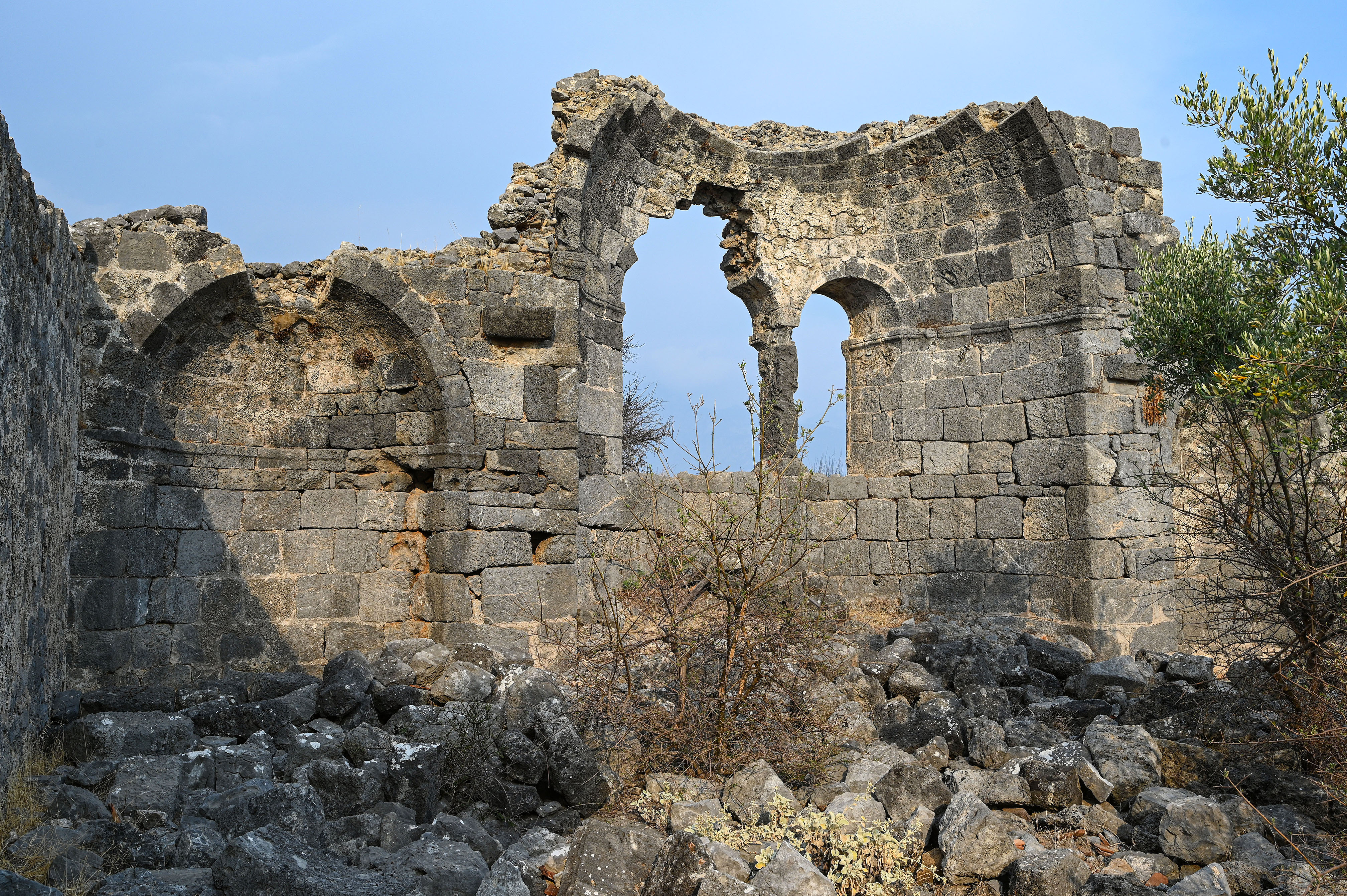
The ruins of the basilica at Karacaören Asadi.  Photograph: © Jeffrey Cardenas

The Byzantine tombs are visible from the sea and even before I set foot on this lonely eastern Mediterranean island I feel the spirit of those who lived, prayed, and died on Karacaören Adasi. I have come to see one tomb in particular. It is not clear who is interred here but I have been told that inside this tomb are remnants of an ancient fresco, a depiction of St. Christopher under a starry sky.

I have rejoined my cutter Flying Fish in southeastern Turkey after the COVID-19 pandemic separated us in March. I quarantined in Key West. Once the initial wave of coronavirus receded in Florida I caught the first flight available from Miami to Istanbul. (Turkey is a non-EU country and at the time of this writing was still admitting U.S. citizens.) Little did I know that the virus in America would return like a tsunami. I isolate now aboard Flying Fish, my immediate future a sea of uncertainty. It is a good time to be among the saints.

Under the watchful eye of the imposing peak Babadağ (Big Papa), I am aware that I will tread on consecrated land when I go ashore at Karacaören Adasi. It is not forbidden but still I feel compelled to tread softly. There is no tourism on this tiny island. No beach, resorts, villas, or roads. There is not even a boat landing on Karacaören Adasi. It is an imposing fortress of rock shards rising steeply from the sea. I anchor my dinghy offshore of the island, put cameras into a waterproof bag, and swim to the rocks. There is no evidence of a living soul on the island but still I sense that I am being watched.

Ruins are visible on many islands in this area of the Turkish Mediterranean. Ancient civilizations existed along the Lycian coastline for millennia. One island nearby, Gemiler Adasi, is a popular destination for large Turkish gulets (tour boats) that bring hundreds of tourists daily to its ruins. Gemiler Adasi is also consecrated land with dozens of ecclesiastical ruins and over 50 Christian tombs. It is thought that Saint Nicholas (Father Christmas) was buried on Gemiler Adasi in the 4th century AD. If so, Saint Nicholas must now be rolling over in his grave. The gulets arrive each morning blasting Turkish hip-hop from speakers loud enough to wake the dead. The day trippers pour out of the gulets and onto the island leaving in their wake soda cans, cigarette butts, and dirty disposable diapers. Saint Nicholas is the patron saint of merchants, archers, repentant thieves, prostitutes, children, brewers, and pawnbrokers. Saint Nicholas must also be a very forgiving soul.

I escape the noise of Gemiler Adasi and choose instead to explore uninhabited Karacaören Adasi. As I climb ashore I find a foothold in the 1,500-year-old steps cut into solid rock. The island is only a half-kilometer square but nearly every part of it contains evidence of a Byzantine civilization destroyed, presumably, by the earthquakes that frequent this part of the Mediterranean. In my periphery I catch a glimpse of something else. Something–or somebody–is moving among cedar trees and densely growing macchie shrubs.

On Karacaören Adasi I am thinking about the martyr St. Christopher. According to the legendary account of his life, Christopher was a Canaanite 5 cubits tall (7.5 feet) and said to be cursed with a fearsome face. The mythos of Christopher tells of one day when a child approached him and asked, because of Christopher’s great height, to be helped across a river. Christopher obliged. However, as they entered midstream, the river rose and the child’s weight increased. It was only with great effort that Christopher safely delivered the child to the other side. When he asked the child why he was so heavy, the child explained that, “He was the Christ and when Christopher carried Him, he also carried the weight of the world on his shoulders.” Afterward, Christopher traveled throughout Lycia proselytizing to those he met. This was unacceptable to Roman Emperor Decius, and in 251 AD he ordered the pious giant beheaded. Christopher was ultimately beatified and he became the patron saint of travelers.

The steps to the ruins of Karacaören Adasi lead to what archeologists have identified as a three-aisle basilica with a baptistery to one side. I walk amid the rubble, the ground littered with chunks of white marble, terra cotta, and mosaic. Round arches and domes that once brought light and warmth into this basilica still stand along the edges of the ruin but this house of worship is now open to the sky. Behind the basilica is a deep cistern cut into the ground. It is dry and bones are visible amid the debris at the bottom. Behind me I hear a quiet footstep, and then the displacement of small rocks.

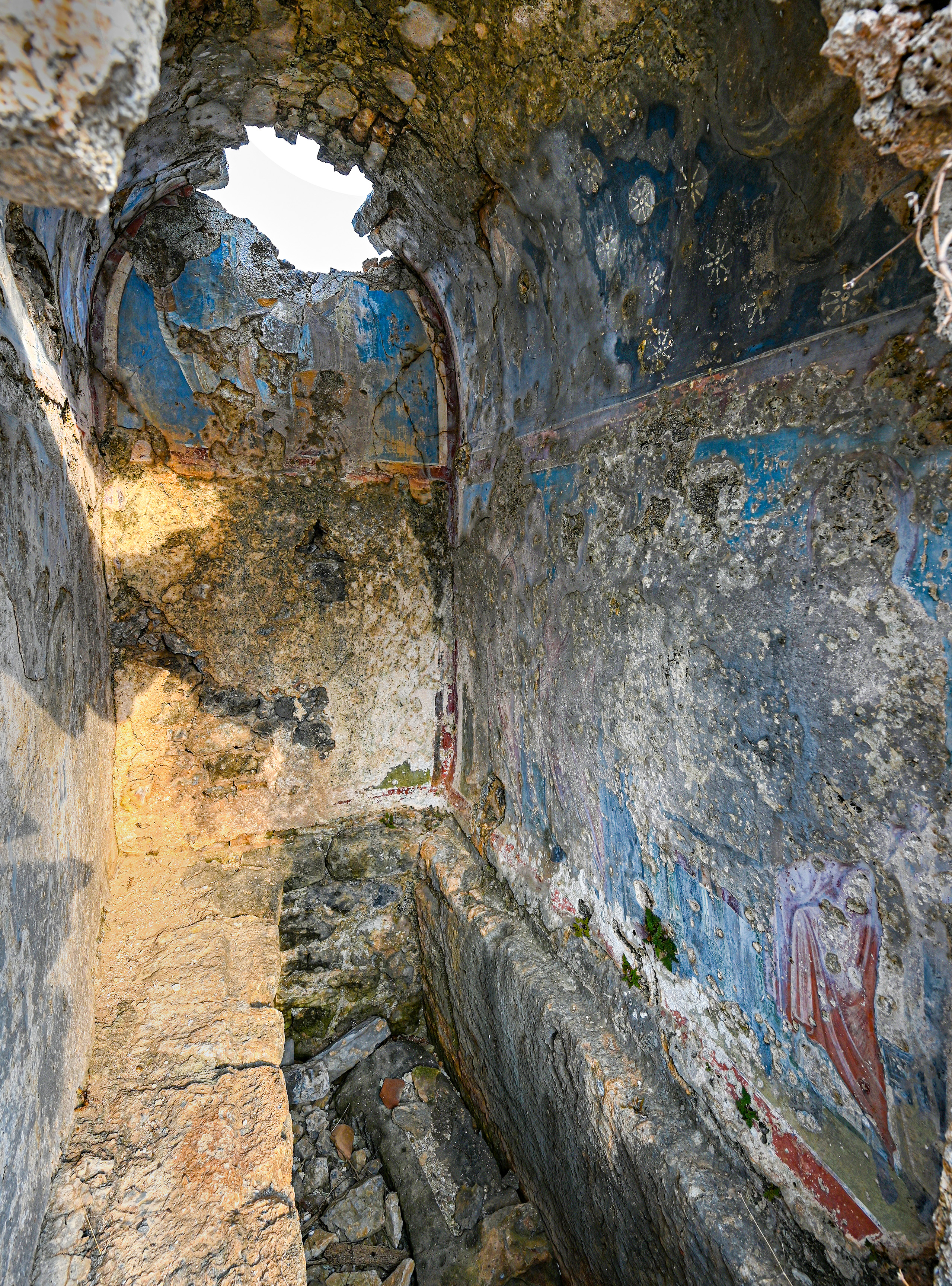
There are two rounded crypts together just outside what may have been the sacristy of the basilica. The rock doors of the tombs have been breached and the burial trenches unearthed. The domed ceilings are still largely intact. Inside one of the crypts, above the grave of an unknown Lycian, is what remains of the centuries-old the fresco said to be the image of St. Christopher rendered under the stars a Mediterranean sky.
tomb2.sm_

The excavated tomb. Is this the storied fresco of St. Christopher on the island of Karacaören Adasi?  Photograph: © Jeffrey Cardenas

It is gratifying to see something this ancient, free of graffiti and garbage, and to think of the hands and souls that created the artwork so many years ago. This is pure unrestored history. I cannot clearly make out the image of what may or may not be St. Christopher but the red pigment depicting the flowing robes of this subject is clearly visible on the walls. Did the artist who painted this sit on the same stone that supports me now and admire the work? And who was privileged to be buried under this fresco? A high priest, a nobleman?

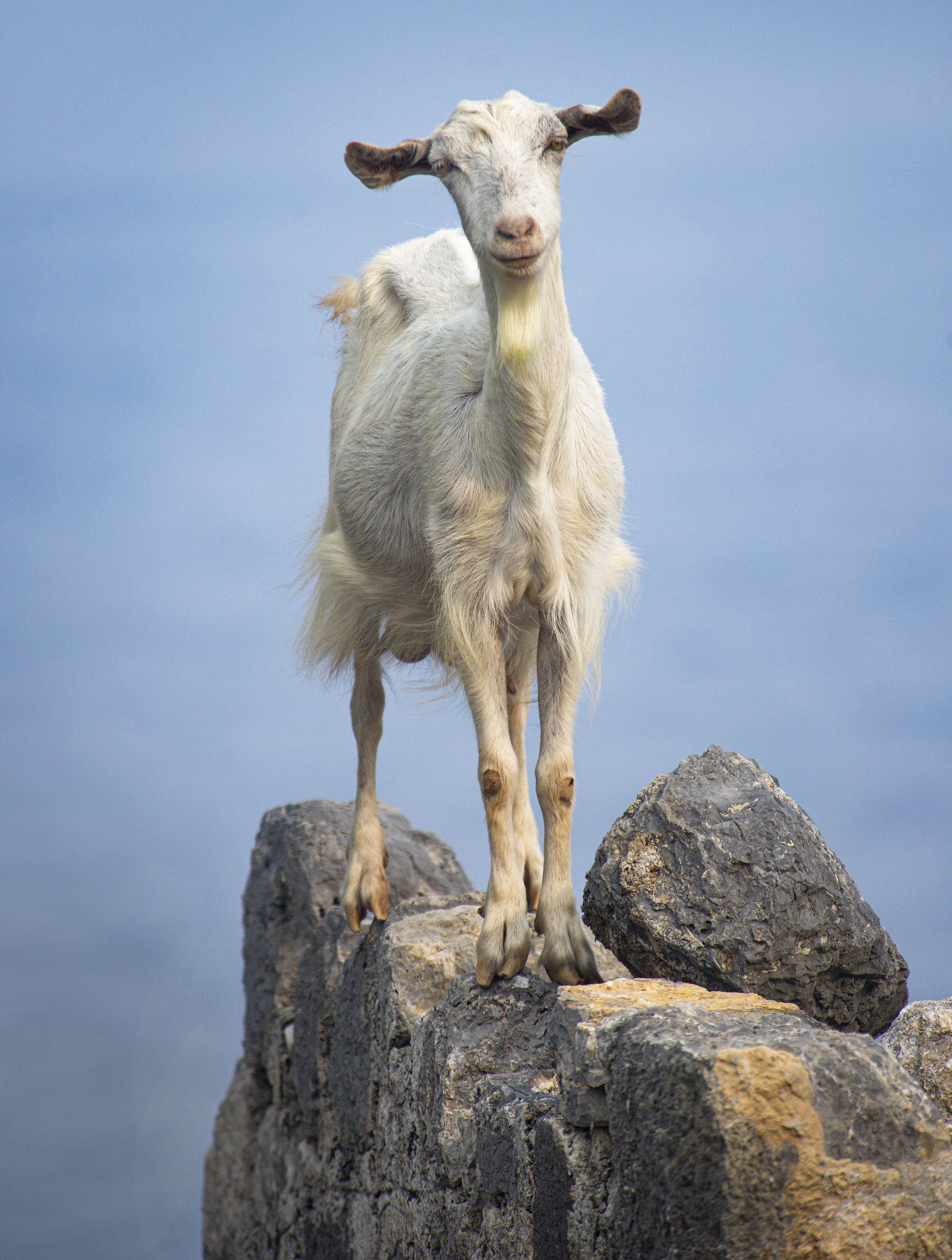
I am lost in quiet reverie until I hear–definitively–the sound of movement just outside of the tomb. I stand quickly and strike my head on the wedged-shaped voussoir stones that support the ceiling of the crypt. For a moment I see my own sepulcher stars… Then, outside, there is the sound of footsteps running away. I quickly emerge from the tomb. Who’s there? It takes a moment for my eyes to adjust to the bright Mediterranean light. And then I am face-to-face with my apparition. A white goat stands atop the ruins, smiling at me. 

###
karacaoren-white-goat-sm

The Karacaören apparition, a happy white goat. Photograph: Jeffrey Cardenas


Please subscribe at the bottom of this page so that you don’t miss a new update, and consider sharing this post with others who might enjoy following the voyage of Flying Fish. Readers encourage me to continue writing.

If you would like to follow the daily progress of Flying Fish into the Mediterranean, and onward, you can click this link: https://forecast.predictwind.com/tracking/display/Flyingfish

To see where Flying Fish has sailed since leaving Key West in 2017, click here: https://cruisersat.net/track/Flying%20Fish

Instagram: FlyingFishSail
Facebook: Jeffrey Cardenas

Text and Photography © Jeffrey Cardenas 2020
A Mother’s Gift

Cutty Shark2

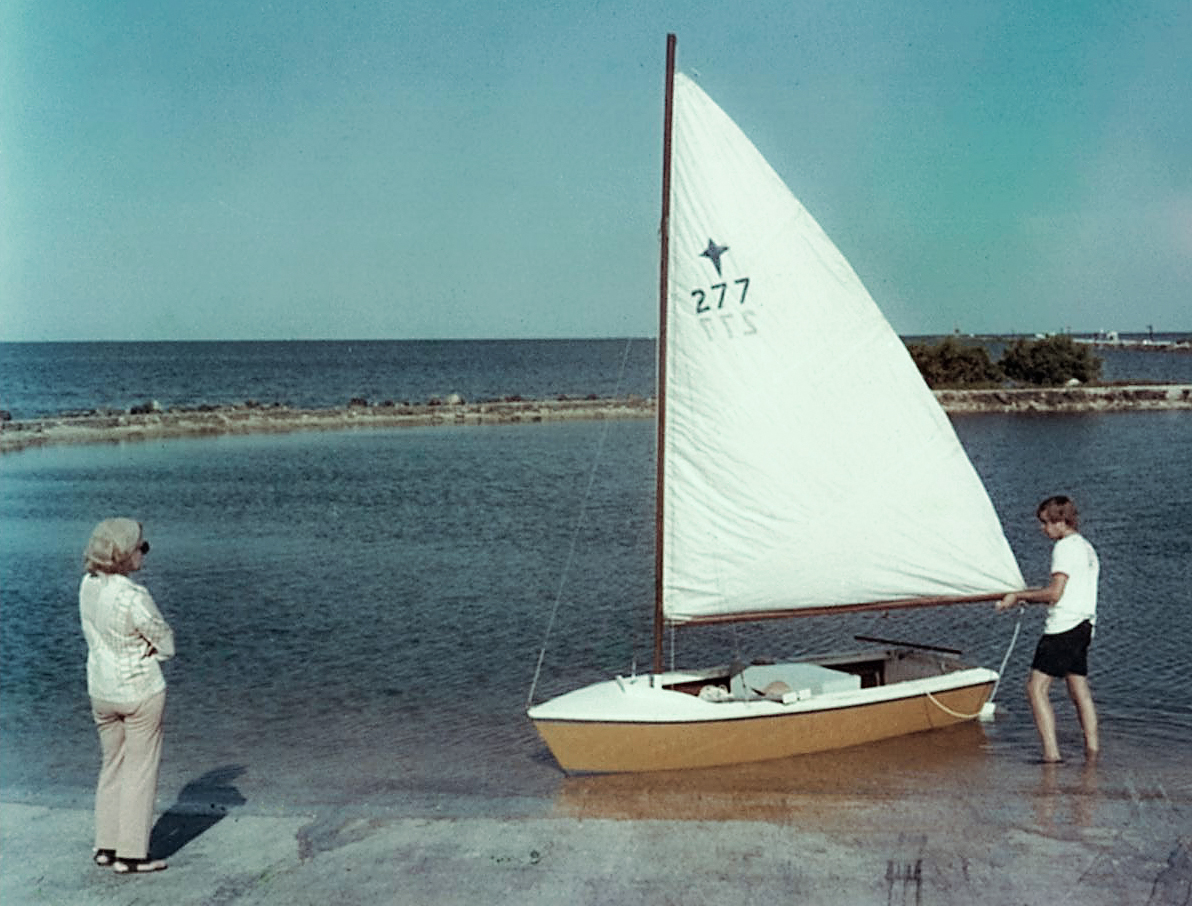
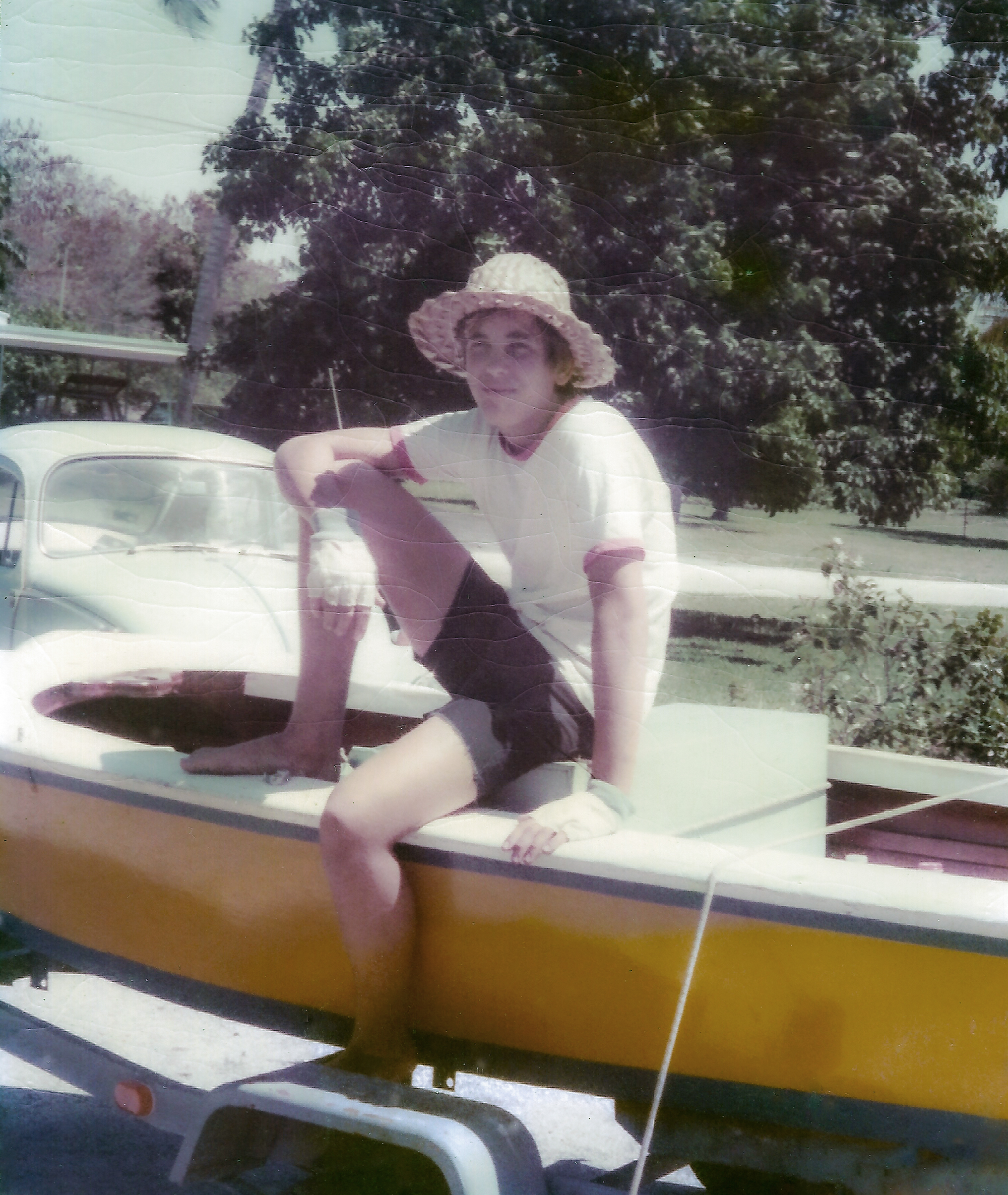
My mother bids me farewell as I embark on my first solo sailing adventure

This image from a half-century ago is etched into my heart. I am a 14-year-old boy running away from home in a 12-foot sailboat. Or so I’ve told my parents. I’m sick of school, I don’t have any friends, I want to be alone. Mom watches from the shoreline as I prepare my sails for departure. Instead of lecturing me, locking me into my bedroom, or simply saying, “No you can’t go”– as another parent might–my mother encourages me to set sail. She tells me to be safe. She tells me that home will be waiting for me when I want to return.

It was 1969. I was living between ages. Kids a few years older were hitchhiking to Woodstock that year. Many others were dying in Viet Nam. A quarter-million were marching in Washington to protest the war. Richard Nixon had been elected president. Neil Armstrong and Buzz Aldrin walked on the moon. And a British sailor, Robin Knox-Johnson, became the first person in history to sail alone non-stop around the world. At age 14, it was clear who I wanted to emulate.

Mom was born Alvina Sorzickas, the daughter of conservative Lithuanian immigrants who lived in Chicago. She rebelled against her strict upbringing. She was the first in her family to go to college, graduating from the University of Illinois with degrees in both Journalism and English History. She was also crowned as a beauty queen. Mom dated Hugh Hefner (once was enough). Then Mom met Dad and they fell in love in front of the bronze lion at the Chicago Art Institute. They quickly married and moved to South Florida to live an independent life closer to the ocean.

In 1969, Mom had just turned 40. She was a high school teacher raising four children and a squirrel monkey named Sandra. We lived in Ft. Lauderdale with a yard big enough to work on a couple of boats. I acquired a plywood sailing dinghy. Inspired by the image of a clipper ship on the label of a bottle of scotch whiskey, I painted my little boat bright yellow and called her Cutty Shark.

JC early sailing 2.sm

School sucked, I was “going to sea” in a 12-foot boat

One day during the middle of my 9th-grade school year I announced to my parents that school sucked and I was “going to sea” in Cutty Shark. I would sail from Ft. Lauderdale to Key West, for starters. After that, I thought, who knows? The world is my oyster.* I hadn’t read Shakespeare yet but Mom was a drama teacher so I’m sure she understood that sentiment. I remember the conversation, my parents looking sternly at me across the dinner table. Dad said, “Well, when you get where you’re going give us a call.”

Sadly, I have misplaced the log from the voyage of Cutty Shark. Fortunately, Mom, now at age 91, has a better memory than me and she has filled in some of the details. Because my little boat would founder in seas rougher than a knee-high whitecap, I decided to sail the backcountry route of 175 miles from Ft. Lauderdale to Key West. I couldn’t afford charts so I navigated with a Gulf Oil road map of the Keys. My plan was to stop each night on a deserted island and sleep in a jungle hammock tied to the mangroves. I would catch fish to eat, I thought, but I had forgotten my fishing pole. Later, a fisherman in Biscayne Bay would take pity on me and loan me his rod and reel. He trusted me to return it one day, he said, because I wasn’t “one of those long-haired hippies rioting in the streets.”

In the Middle Keys, I encountered rough weather late one afternoon and I ran Cutty Shark hard before a squall for the sanctuary of an island. As night fell I hurried to get my jungle hammock rigged before the thunderstorm hit. Having no time to cook, I stuffed my mouth with cold beef stew from an open can. I zipped myself into the hammock just as the sky opened with a torrent of rain and lightning. Soon I had a nauseating feeling in my stomach. Then that feeling quickly went south to my gut. Uffft! I had to get out of the hammock. Fast. The hammock zipper was jammed. The bellyful of bad beef stew erupted into diarrhea as I thrashed in the enclosed jungle hammock. Crazed, I tore my way out of the hammock’s mosquito netting. Lightning bolts were arcing into the mangroves. I was covered in mierda. Suddenly, in the strobe of a lightning flash, there was the form of something big crashing toward me in the mangroves. Was it the mythical Everglades Skunk Ape? (I had a vivid imagination). Free from the tangle of the hammock, I ran through the darkness–seemingly for my life–tripping over prop roots and through spider webs. I could see a distant light coming from Long Key State Park. A bathroom in the park was open. Safe! I crawled under the open sink and fell asleep on the floor. When I awoke the next morning the squall had passed. Excrement and mud were still caked on my clothing and skin. I wasn’t alone. I peered out from under the sink. A more civilized camper was watching me, warily, while he shaved and brushed his teeth. I missed home.

Things always look more positive in the light of day and so I continued my little voyage in Cutty Shark. On a sandbar near Sawyer Key, I saw naked people walking along the flats. Ever curious, I jibed to a starboard tack for a better look. A man and a pretty woman, with two young children in tow, greeted me warmly. “You look hungry,” the woman said. I was a 14-year-old boy and she was naked. Of course I was hungry. Sawyer Key is a part of the Great White Heron National Wildlife Refuge but a corner of the island remained private. The couple, sea hippies, had staked out a modest homestead and were living off the land. They had a garden and a few fruit trees with key limes and papaya. I had caught a couple of small barracudas earlier in the day. “Bring your fish and join us for supper,” the woman said. I wish I could remember their names, they were so kind to me. The children ran unattended around the island like baby barbarians. The man, hair to his shoulders and skin tanned brown from the sun, rolled a homegrown smoke. After dinner, we soaked in the warm tidal pools on the rocky shoreline at the edge of the Gulf of Mexico. I don’t recall discussing any of the momentous news events that were swirling around us in the outside world. We were in a bubble of calm. The woman took my hand softly and said, “You can sleep here tonight.”

I arrived in Key West like so many other wanderers. It was the end of the line. The island was a quiet little fishing village. Green turtle, lamb’s wool sea sponges, and Tortugas pink shrimp were still being harvested in Key West. It was apparent, however, that times were changing. In 1969, the first cruise ship docked at the Navy’s pier in the Truman Annex. Key West was moving toward a tourist-based economy. Traditional Conch houses were being replaced by hotels. Still, I was grateful to have the opportunity to arrive under sail at this unique island. It would eventually become my home. I tacked my little yellow boat into Key West Bight, tossed a line around a piling, and dropped a dime into a payphone. Mom and Dad said they would be happy to drive down to Key West to pick me up. They’d even buy me a lobster dinner at the A & B Lobster House. I was ready to return to school. The ocean would call me back soon enough.

Mom and Dad went on to encourage all of my sailing adventures. They didn’t stand in the way three years later when I left Florida for New England in 18-foot Icarus. A few years after that I was sailing alone across the Atlantic aboard 23-foot Betelgeuse. Among the ship’s stores I found stashed onboard Betelgeuse was a box with dozens of small, individually wrapped gifts. “Open one each day of your passage across the ocean,” said a note from Mom. The wrapped packages contained little treats like chocolate, smoked oysters, and books–something each day to bring a smile and thoughts of a mother’s love.

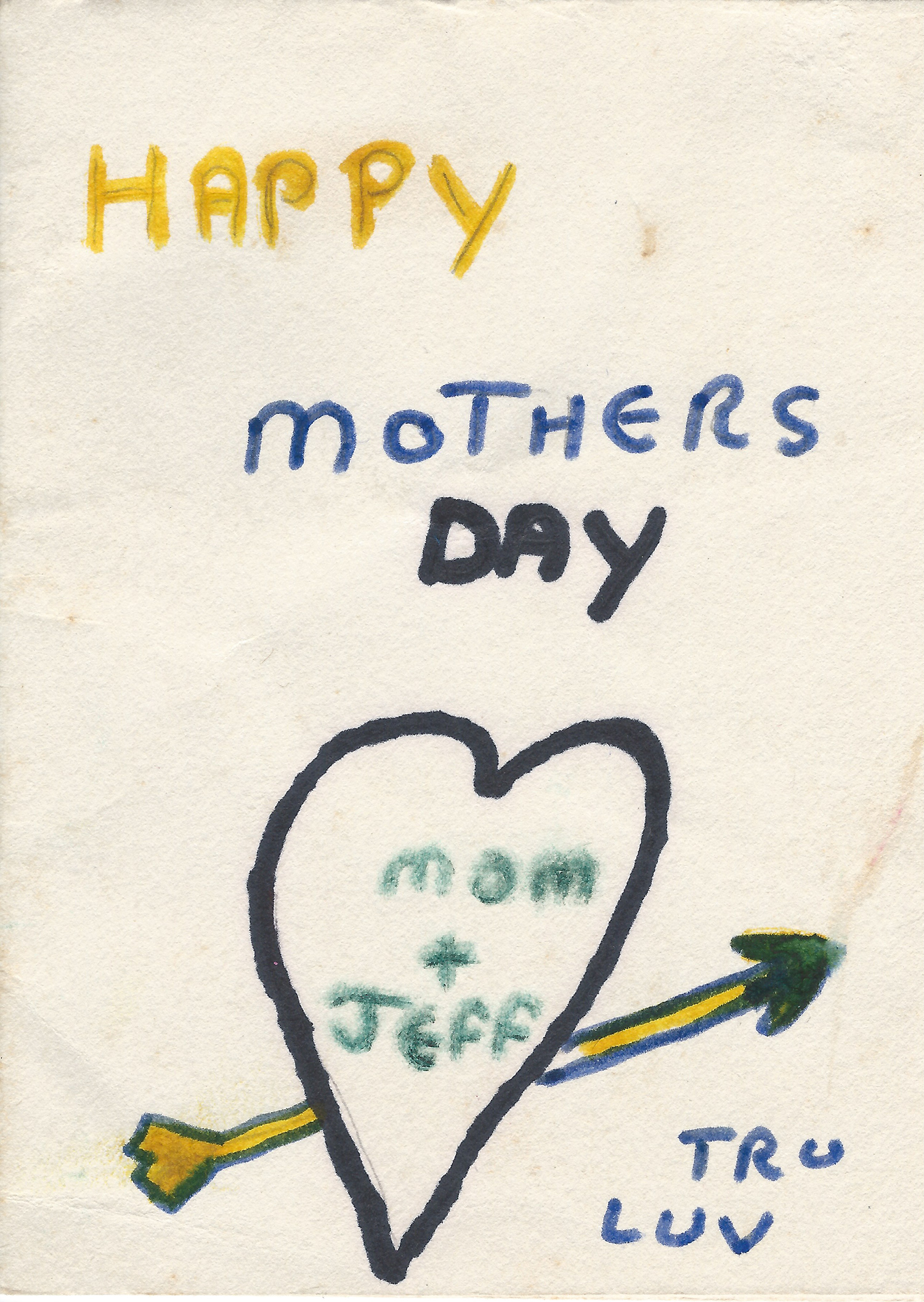
Our best moments as a family were spent aboard sailboats. In a wonderfully reckless burst of inspiration, Mom and Dad once took all of the kids in our family out of school to sail from Florida to Europe. For a teacher, Mom didn’t always have strict regard for organized schooling. Instead, she taught us the lessons of fully living our lives. Now in their 90s, Mom and Dad are healthy and still fully living their lives. “Who knows,” my Dad said at the beginning of the coronavirus lockdown, “maybe your Mom and I will meet you aboard Flying Fish later this year to go sailing with you in the Mediterranean.”

Mothers Day card.sm

###


* Why then the world’s mine oyster, Which I with sword will open. –William Shakespeare


As the coronavirus recedes, and when it becomes safe to travel again, I hope to rejoin Flying Fish where she is moored in Fethiye, Turkey to continue my journey onward. Please subscribe at the bottom of this page and you will be among the first to know when I am back aboard my little ship.

I welcome new readers. Please consider sharing this post with others who might enjoy following the continuing voyage of Flying Fish.

To see where Flying Fish has sailed since departing Key West in 2017, click here: https://cruisersat.net/track/Flying%20Fish

Instagram: FlyingFishSail
Facebook: Jeffrey Cardenas

Text and Photography © Jeffrey Cardenas 2020
 

Into Suez with No One at the Helm

FF Suez sm

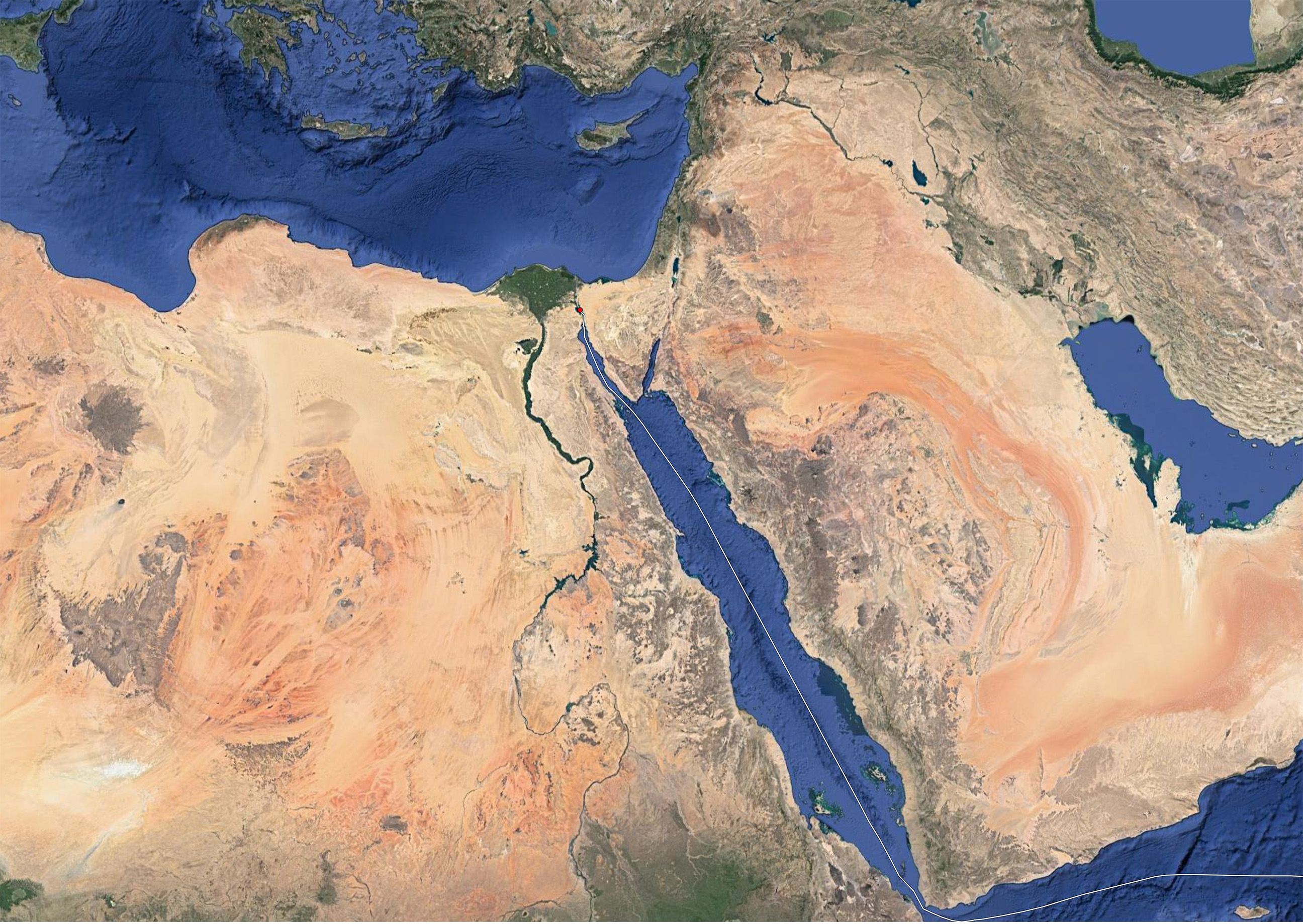
The satellite track of Flying Fish as she transits the Red Sea and into the Suez Canal. Map courtesy of PredictWind

From thousands of miles away, I watch Flying Fish today on a computer screen as she transits the great Suez Canal without me. It is painfully disappointing.

Please don’t misunderstand me. I clearly understand today’s reality: We are in the midst of a global crisis. Tens of thousands of people are sick and dying. More each day. Our world is changing by the moment. By the grace of God, I am healthy now and so are the people I love. My gratitude far outweighs my disappointment.

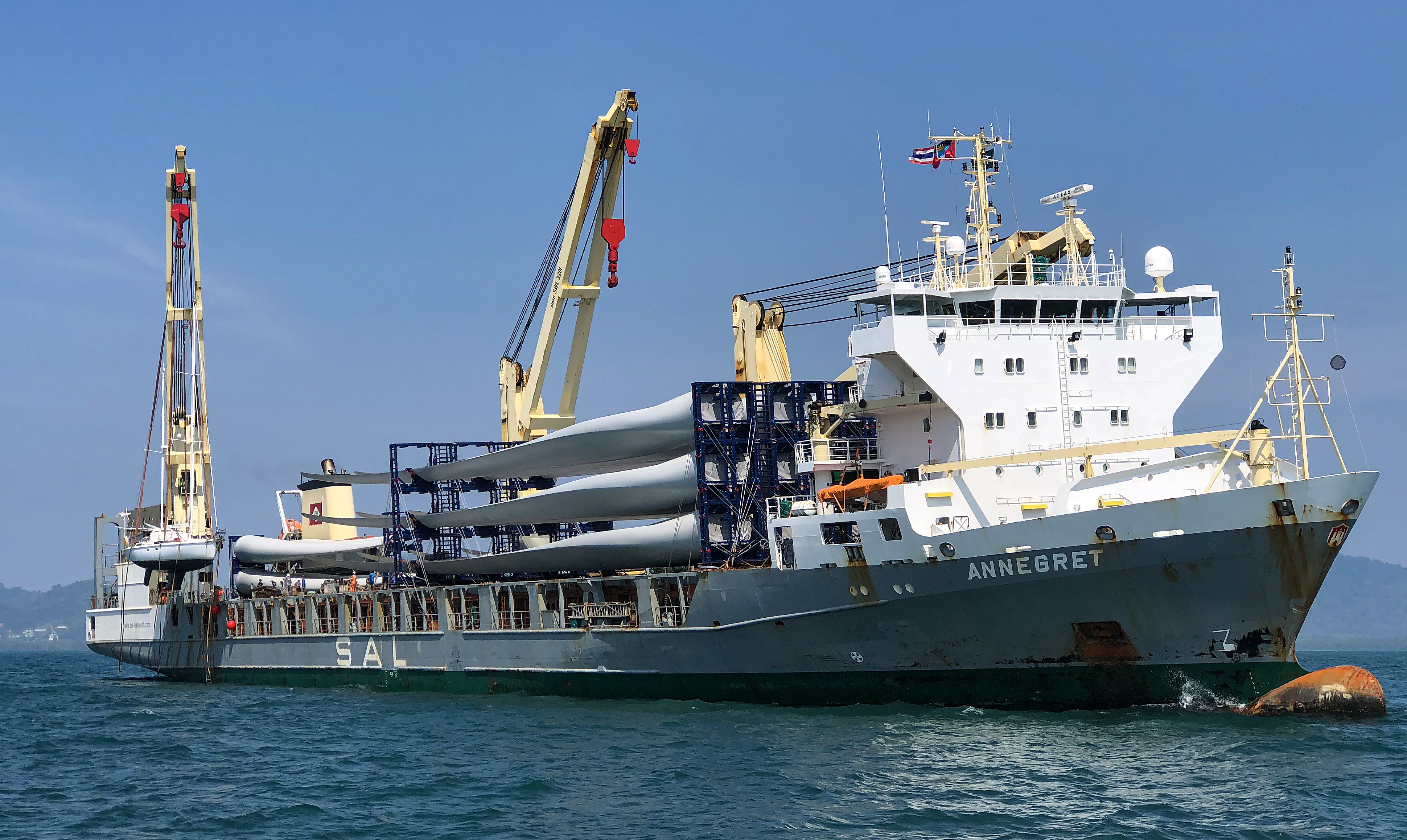
It seems like yesterday that borders around the world began closing because of COVID-19. Less than two weeks ago I made the decision in Phuket, Thailand to put my circumnavigation on hold and find a safe place for Flying Fish. I wanted to return to Key West to be closer to family. I secured a last-minute passage for Flying Fish aboard the freighter Annegret. There were only two destination choices available, Turkey or Norway. I choose  Fethiye, Turkey for Flying Fish and then I began shuttling from airport to airport until I reached home. By the next morning most of the planet was in lockdown. I immediately went into, and I remain in, strict quarantine. I have no regrets about leaving the boat behind but I carry some weight of survivor’s guilt. What karma in my life allowed me to find a safe place isolate and be with my family while so many others struggle?

As for Flying Fish, she sails today with no one at her helm on the back of the freighter through the Suez Canal. She transits this gash in the sand where engineering triumphed over nature and severed Africa from Asia. Flying Fish passes the Middle East to starboard. To the west are the great pyramids of Giza, the massive Nile River Delta, and the storied Mediterranean port of ancient Alexandria. In two days, some 400 miles north in Fethiye, the freighter will attach a crane to Flying Fish and lower her into the Mediterranean Sea. I won’t be there to take her lines and guide her into port. A shipping agent has been hired to do that. It will be the first time since Flying Fish has left the builder’s yard that I will leave her helm in the hands of someone else.

I realize that speaking of sailing during times like this can be offensive when so many other people are simply trying to breathe. But there is one thing that unites all of us and drives forward. It is a hope for normalcy.

Annegret.sm

M/V Annegret in Phuket loading cargo bound for the Mediterranean Sea. © Jeffrey Cardenas


I am not aboard Flying Fish but you can see where she is the Mediterranean Sea here: https://forecast.predictwind.com/tracking/display/Flyingfish

Please subscribe at the bottom of this page and you will be among the first to know when I rejoin my little ship. And please consider sharing this post with others who might enjoy following the (future) voyage of Flying Fish.

To see where Flying Fish has sailed since leaving Key West in 2017, click here: https://cruisersat.net/track/Flying%20Fish

Instagram: FlyingFishSail
Facebook: Jeffrey Cardenas

Text and Photography © Jeffrey Cardenas 2020
Sailing in the Time of COVID-19

IMG_9258

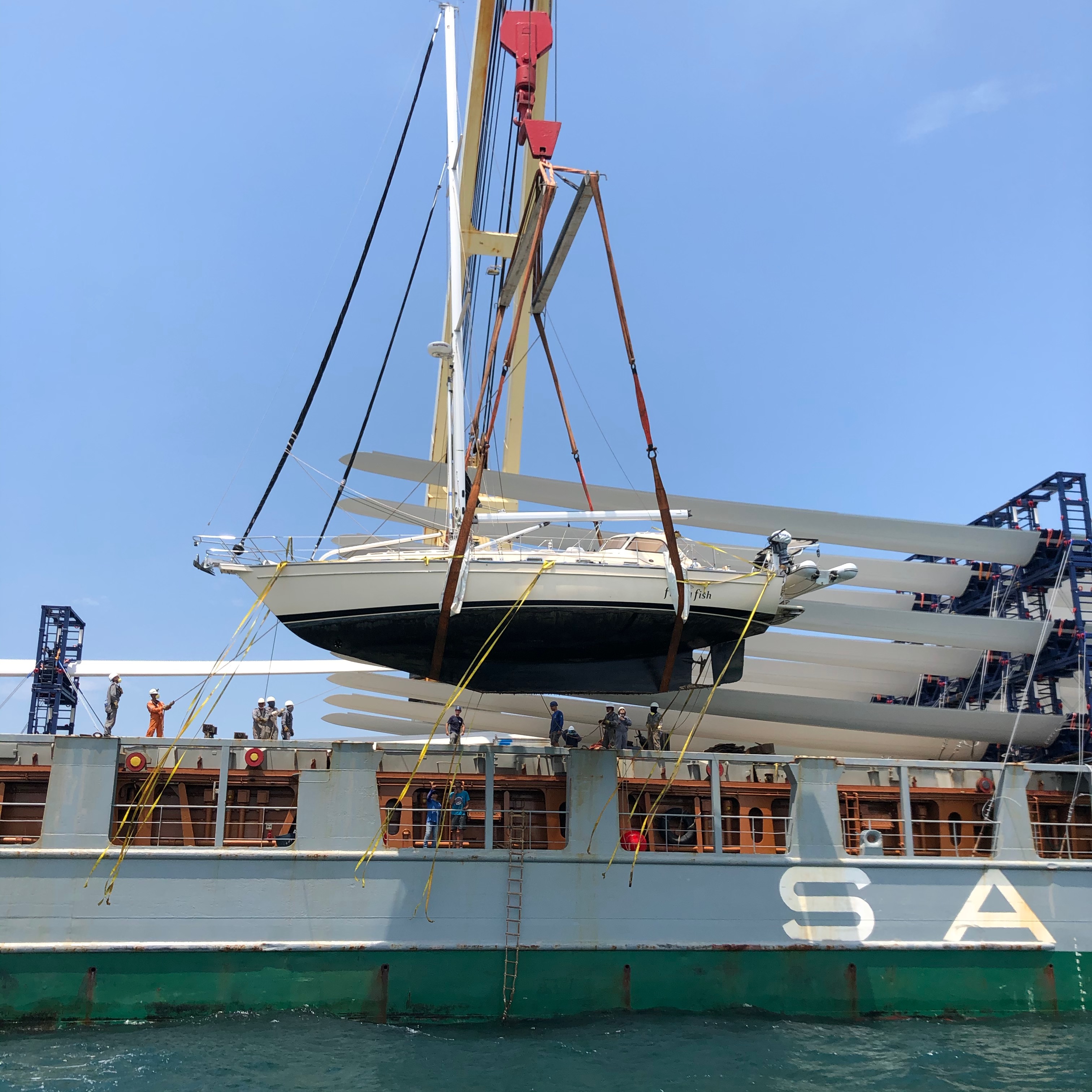
Flying Fish is hoisted out of the water in Phuket, Thailand for transport on the back of a freighter to the Eastern Mediterranean. Photo: © Jeffrey Cardenas

It has become clear to me, perhaps later than it should have, that this is not an appropriate time for me to be wandering around the world on a personal adventure. For those of us who are not sailing with our families it is a time to point the compass in the direction of home.

With that in mind, yesterday I had Flying Fish loaded on the back of a freighter in Phuket, Thailand  bound for the Mediterranean Sea. It will bring me nearly 5,000 miles closer to home. After that… who knows. The world is spinning so quickly now that it seems impossible to plan for the future.

Ports worldwide are closing as the pandemic–and the panic–sends cruising sailors in search of a safe harbor. Most islands and countries around the Indian Ocean have closed their borders. Some sailors have been denied entry into countries that had already issued them visas. A number of boats are backtracking as they scramble to find legal dry land. It is rapidly becoming a real-life Waterworld.

Remaining in Thailand was an option for Flying Fish, but it would have been short-term security. Thailand has the virus like nearly every other spot on earth. Once a U.S. citizen  is officially in Thailand their visa is limited to 30 days. I had only a couple of weeks before my visa expired and I would be required to leave the country. But to where? The number of countries accepting foreign visitors was rapidly diminishing as borders closed. Turkey was still open. I accepted transport by freighter (the shipping company would not allow me to ride along) and I booked a flight to Istanbul.

It is interesting how priorities shape in a crisis. While many have suggested that being on a boat in the middle of the ocean might be the safest place in the world to avoid getting sick, being healthy while your family may be at risk is not how families take care of each other.

I am not home yet. Flying Fish will be unloaded in Fethiye, Turkey at the end of March. Once she arrives I will look for a secure place to moor the boat while I determine if and when I can re-enter the United States. My family is healthy now, by the grace of God, but if any of us do become ill the distance between us is now 5,000 miles closer.

Lahaina Rainbow2

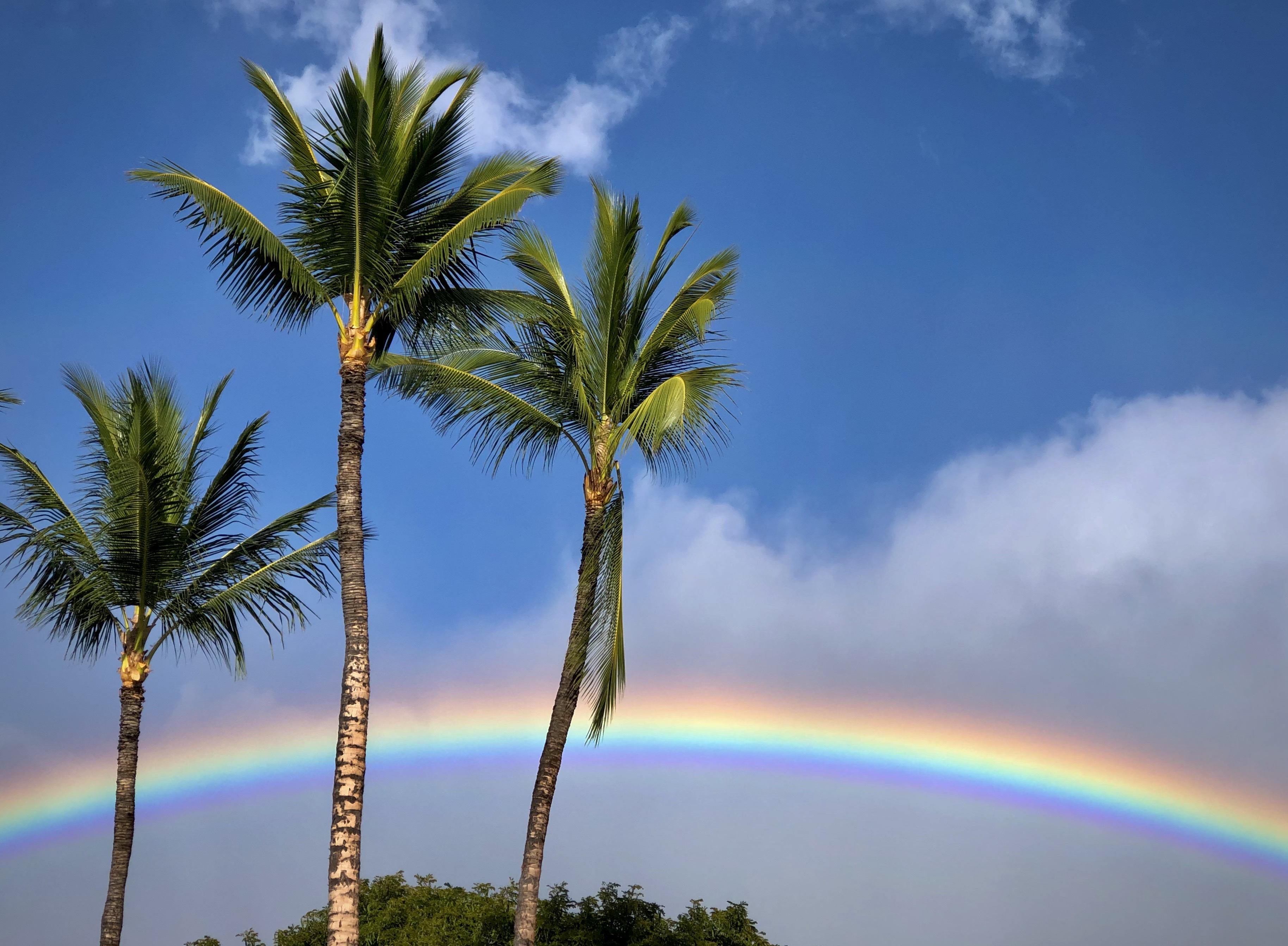
A Pacific Ocean rainbow and hope for a brighter future. Photograph: © Jeffrey Cardenas

I am not aboard Flying Fish but you can still follow her daily progress as she hitchhikes aboard a freighter from Southeast Asia across the Indian Ocean to the Mediterranean Sea. Click this link: https://forecast.predictwind.com/tracking/display/Flyingfish

Please subscribe at the bottom of this page so that you don’t miss a new update, and consider sharing this post with others who might enjoy following the voyage of Flying Fish.

To see where Flying Fish has sailed since leaving Key West in 2017, click here: https://cruisersat.net/track/Flying%20Fish

Instagram: FlyingFishSail
Facebook: Jeffrey Cardenas

Text and Photography © Jeffrey Cardenas 2020
Malacca Won’t Release Me

07B3D81A-FA2C-49C5-BC24-31130B30BD15

Flying Fish, sails furled, motors into the port of refuge at Sabang, Banda Aech, Sumatra. Photograph: © Jeffrey Cardenas

I thought I had put my squabble with the Strait of Malacca behind me. Apparently not. I am diverting Flying Fish to Sumatra.

Geography: The southern end of the Strait of Malacca is the bottleneck at Singapore. Langkawi is at the northern end, and to sail to the Maldives it is necessary to cross the mouth of the Strait, which is about 300 miles wide east to west. During the NE Monsoon season—now—weather comes into the Strait from the Bay of Bengal. It can provide a glorious broad reach all the way to the Maldives resulting in what a Swiss friend described few weeks ago as “champagne sailing.”

Champagne sailing was also the forecast for my passage. Unfortunately, the bubbly was served flat. Contrary to the weather prediction, there was no wind. I motored over a calm sea for more than 36 hours. What concerned me more, however, were two new electronics failures aboard Flying Fish.

The AIS (Automatic Identification System) tells other boats where I am. It is essential, and also a legal requirement, in high-traffic locations like the Strait of Malacca. My AIS failed last night whileFlying Fish was in a traffic jam of supertankers. Course confusion reigned as the big iron tried to pinpoint exactly where I was and how to avoid crushing me. Within moments of losing the AIS, I was in the glare of an Indonesian patrol boat’s spotlight.

Next was a warning alarm aboard Flying Fish announcing that my GPS signal was lost. This system, of course, tells me where I am. The GPS continued to flicker on and off through the rainy night, not the kind of instrument I want to depend on for the next 15,000 miles.

Sabang, in the Banda Aceh province of Sumatra, provided a port of refuge. It will give me an opportunity get online and on the phone to resolve my issues.

Being here also helps me to understand how minor my issues are. I am humbled by a life-sized statue of a woman, arms raised in terror, as a flood of water presses against her legs. My boat problems are insignificant compared to the reality of the world around me. In this province 164,000 people—a third of the entire population—drowned when a 2004 tsunami swept ashore.

NOTE: On passages when I have no cell or WiFi signal, I activate a satellite tracking link that shows my daily position, current weather, and includes a few personal thoughts from the daily log of Flying Fish. I will not be able to respond to messages via satellite but I love the idea that you are sailing along with me. If you would like to follow the daily progress of Flying Fish into Southeast Asia and the Indian Ocean via satellite you can click this link: https://forecast.predictwind.com/tracking/display/Flyingfish

Please subscribe at the bottom of this page so that you don’t miss a new update, and consider sharing this post with others who might enjoy following the voyage of Flying Fish.

To see where Flying Fish has sailed since leaving Key West in 2017, click here: https://cruisersat.net/track/Flying%20Fish

Instagram: FlyingFishSail
Facebook: Jeffrey Cardenas

Text and Photography © Jeffrey Cardenas 2020