
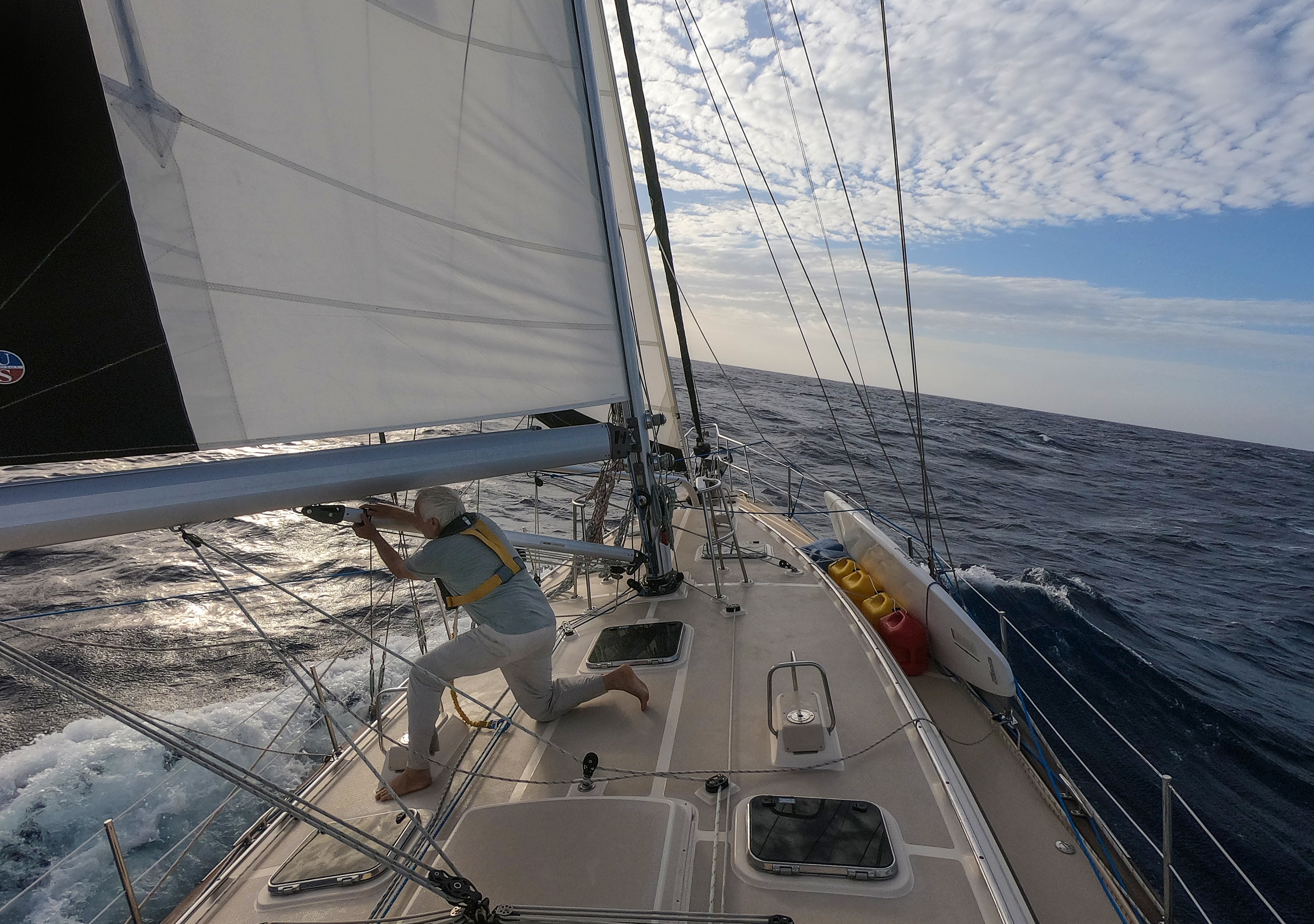
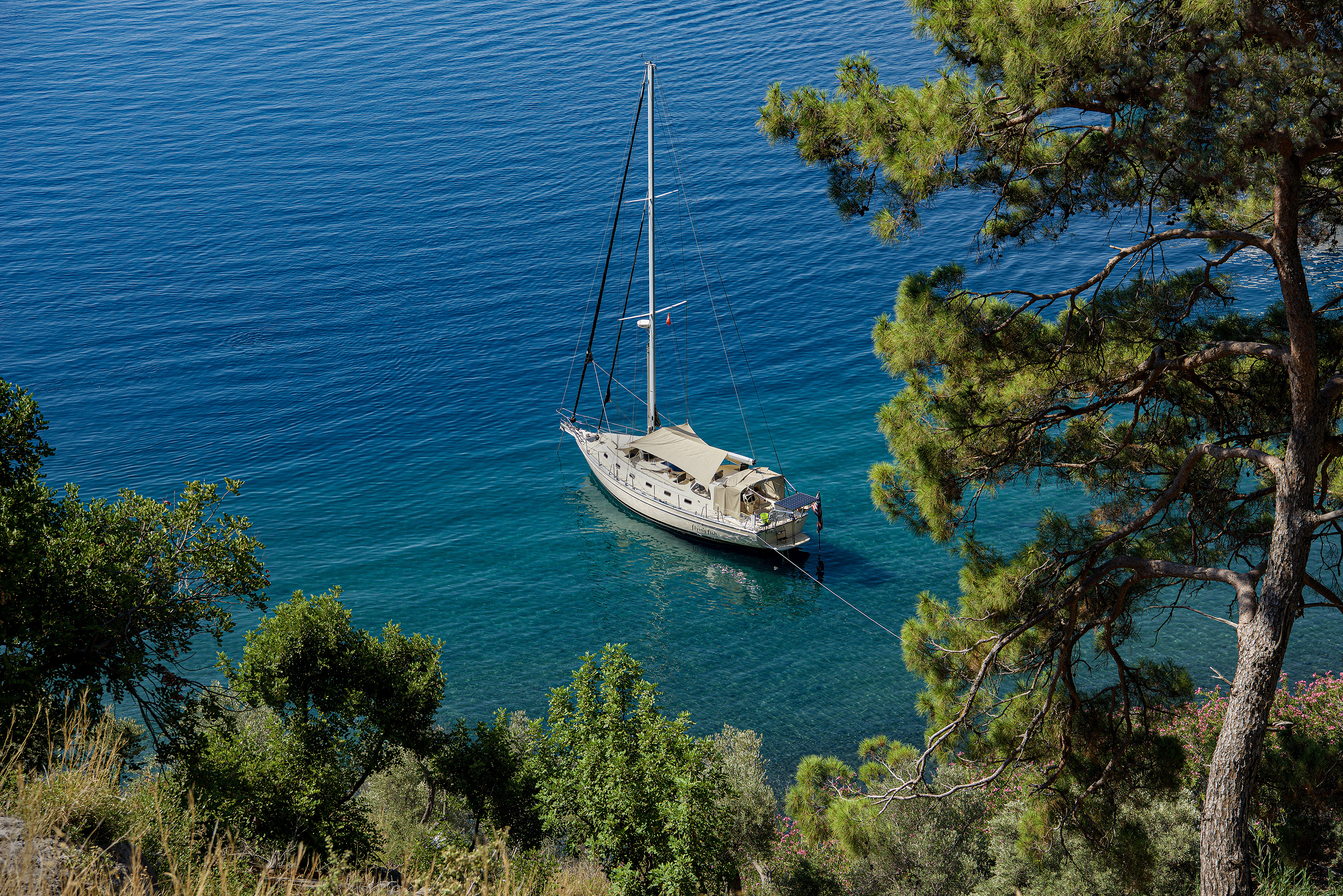
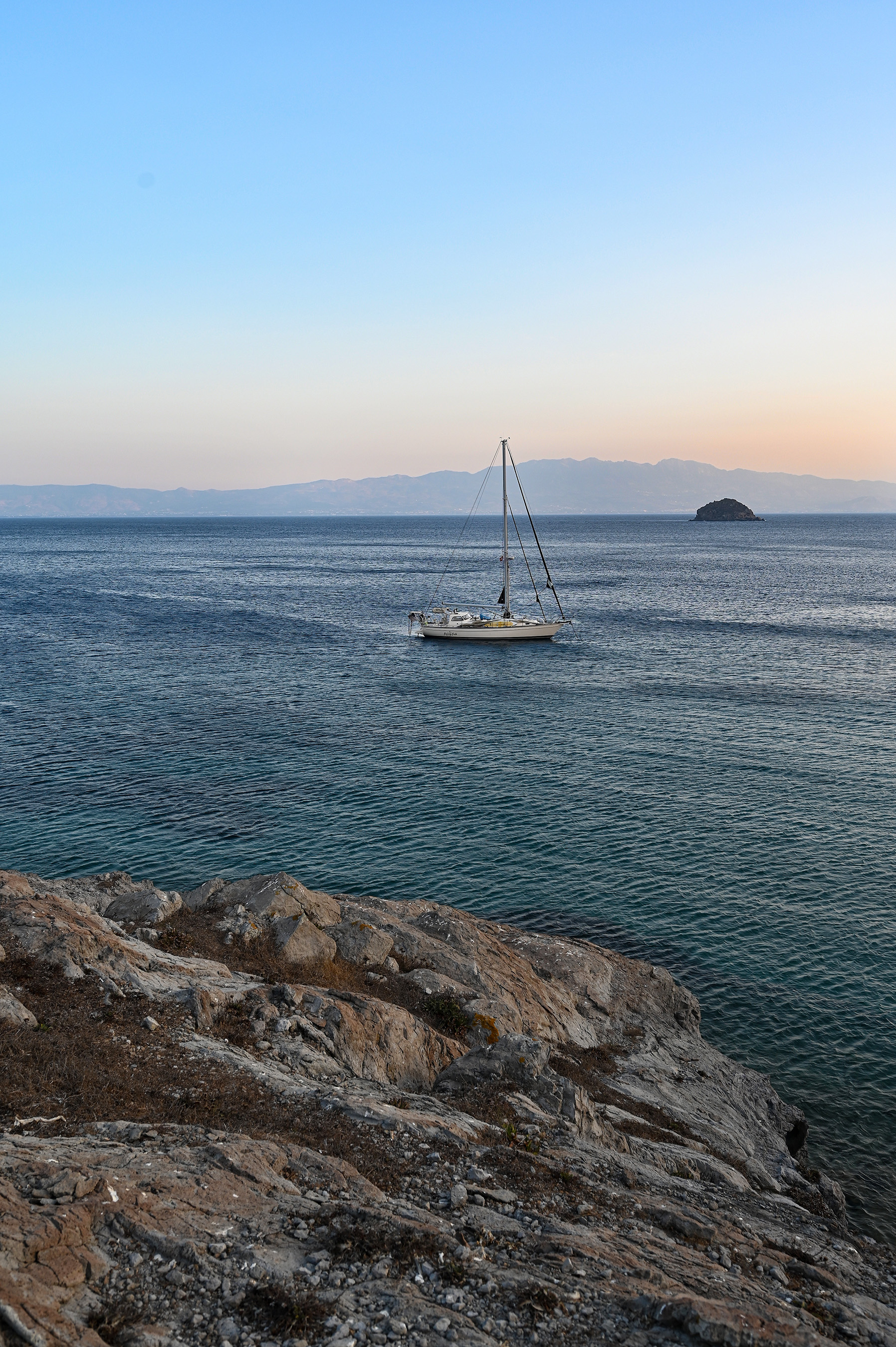
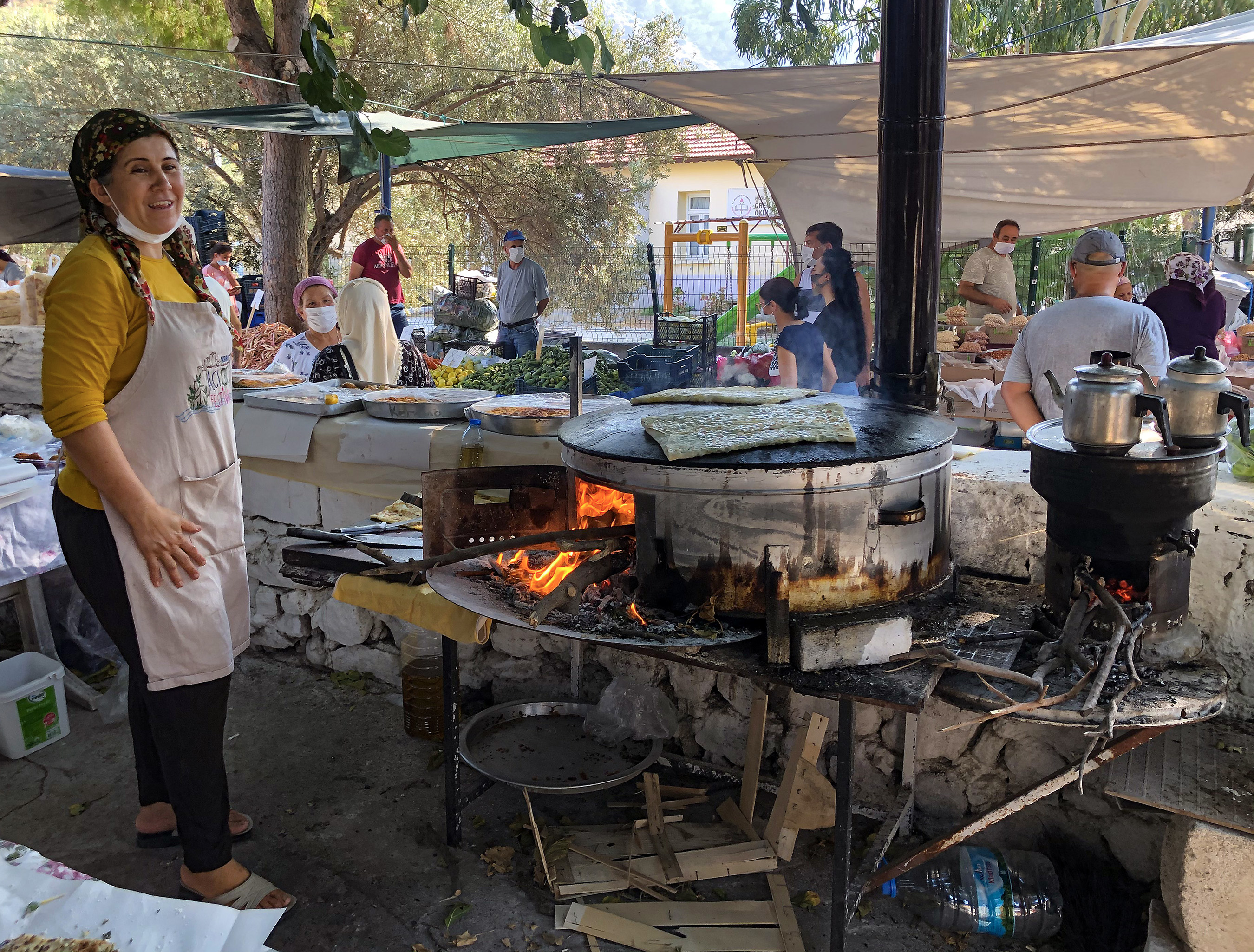
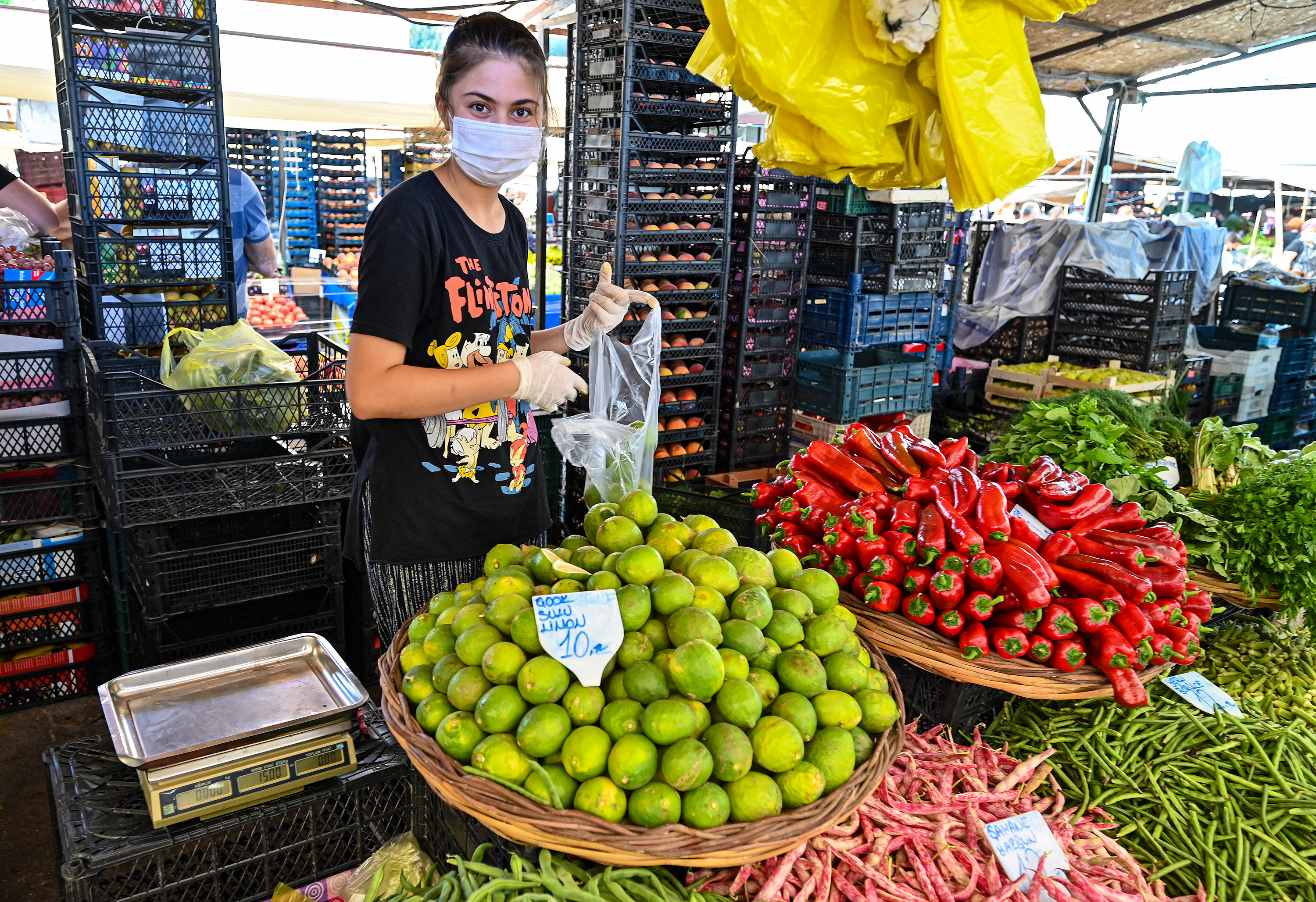
It has been 181 days, 12 hours, 17 minutes since Flying Fish was last underway. But who’s counting? What matters is that I am sailing today. I am departing Turkey where, despite the struggle of the pandemic, I was warmly welcomed. My destination today is Malta, 680 nautical miles due west.
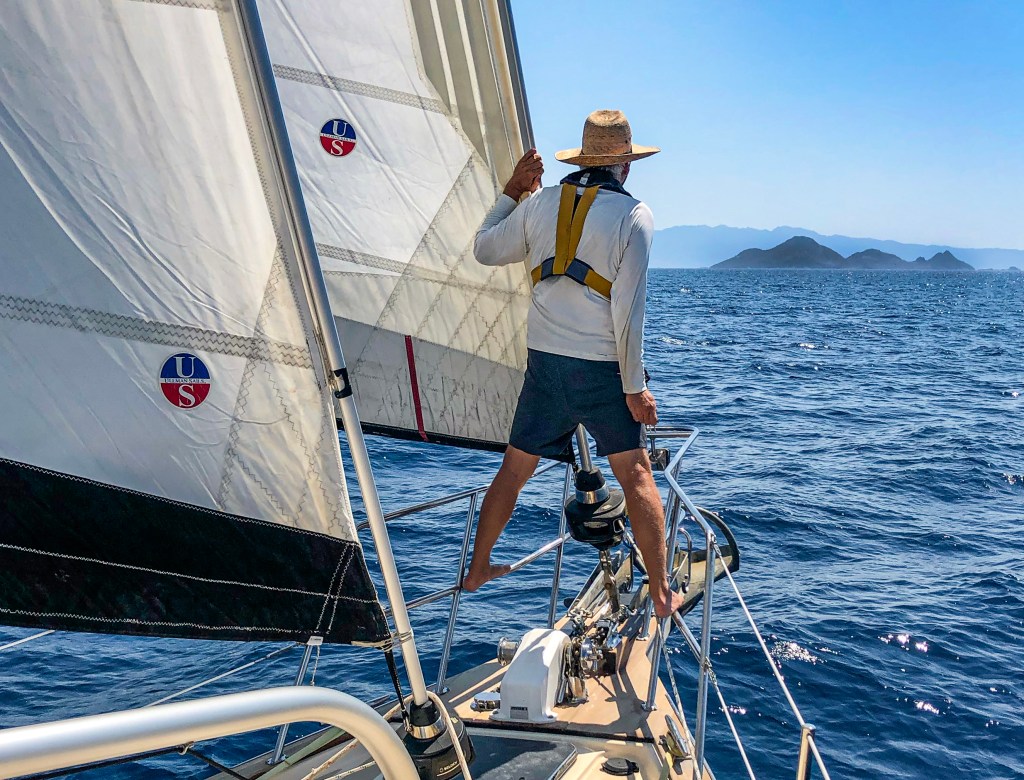
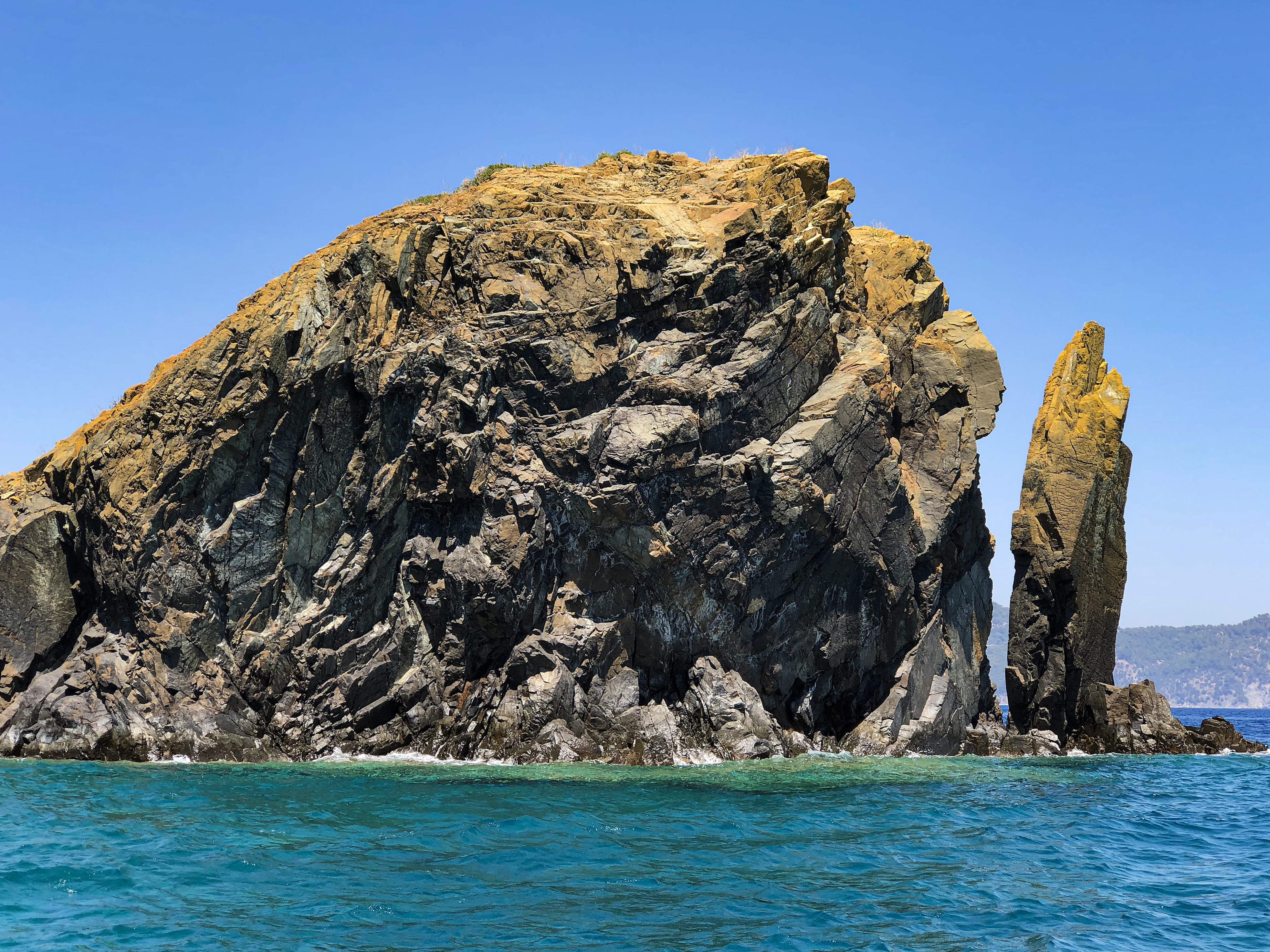
I will transit the Greek Dodecanese islands. These ragged nuggets of rock piercing the sea are the tops of mountains that once stood upon the great plain of the Aegean. The Cyclades come next. I hope to sail inside the crater of the drowned volcano at Santorini. Sadly, I will only be able to see the storied whitewashed villages of Santorini at a distance from the deck of Flying Fish. Greece is still in COVID lockdown and entry is not permitted to those holding U.S. passports.
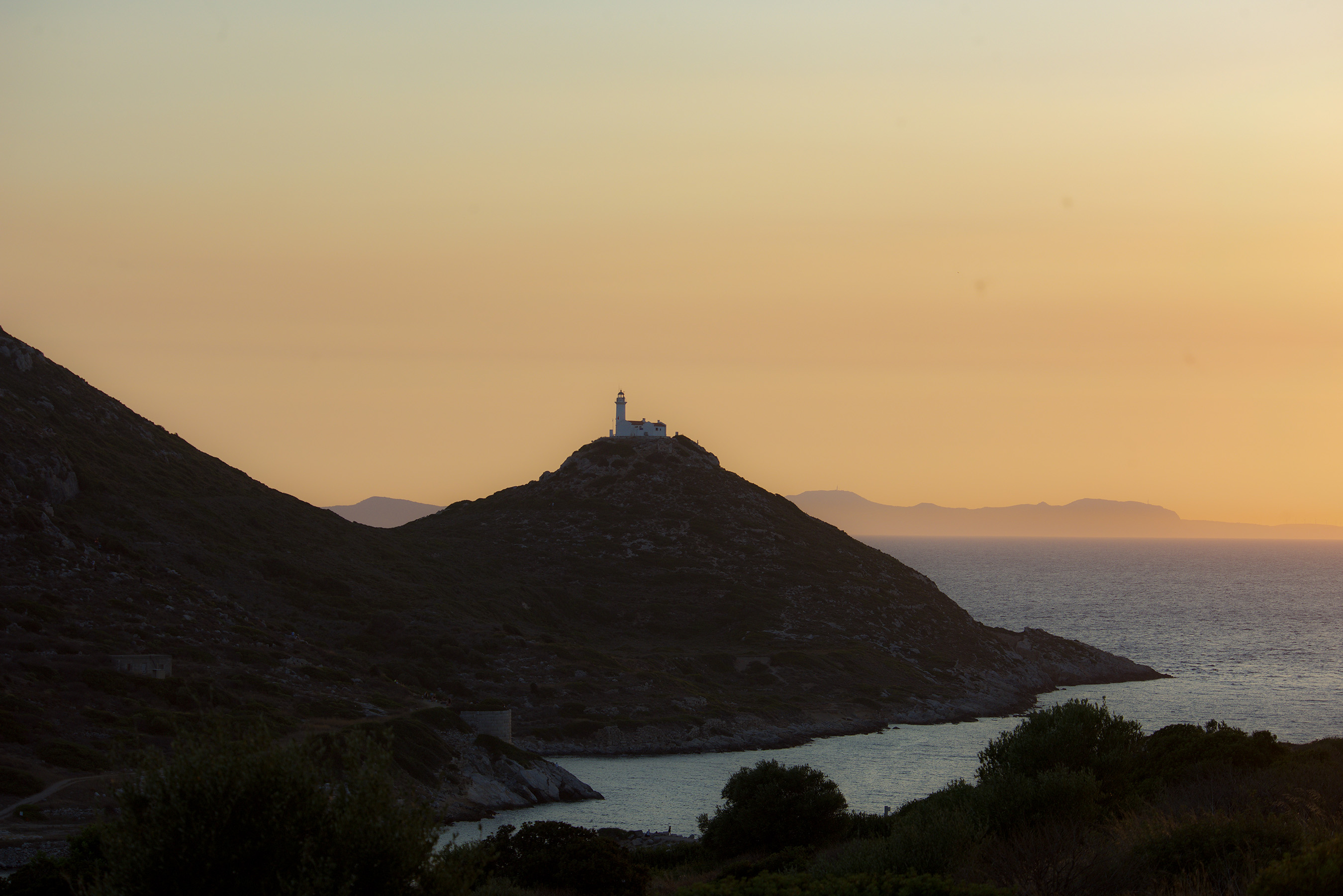
Peloponnesos will pass to starboard, its forbidding coastline hanging from the southern tip of Greece like the roots of a wisdom tooth. The people here are descended from Spartans, warriors who successfully defended this ancient trading route of silk, pearls, and opium from both the Ottomans and Romans. Weather in the Southern Ionian Sea can be equally fierce. Authors Rod and Lucinda Heikell write that the twin capes here, Tainaron and Maléas, “have acquired a reputation as minor Cape Horns.”
What follows is 425 miles of open water to the geographical center of the Mediterranean–Malta. Although the European Union is still closed to Americans, Malta (a member state of the EU) is currently admitting travelers holding U.S. passports, if they meet certain conditions. Flying Fish, because of an extended time spent in the “corridor country” of Turkey, meets Malta’s entry conditions.
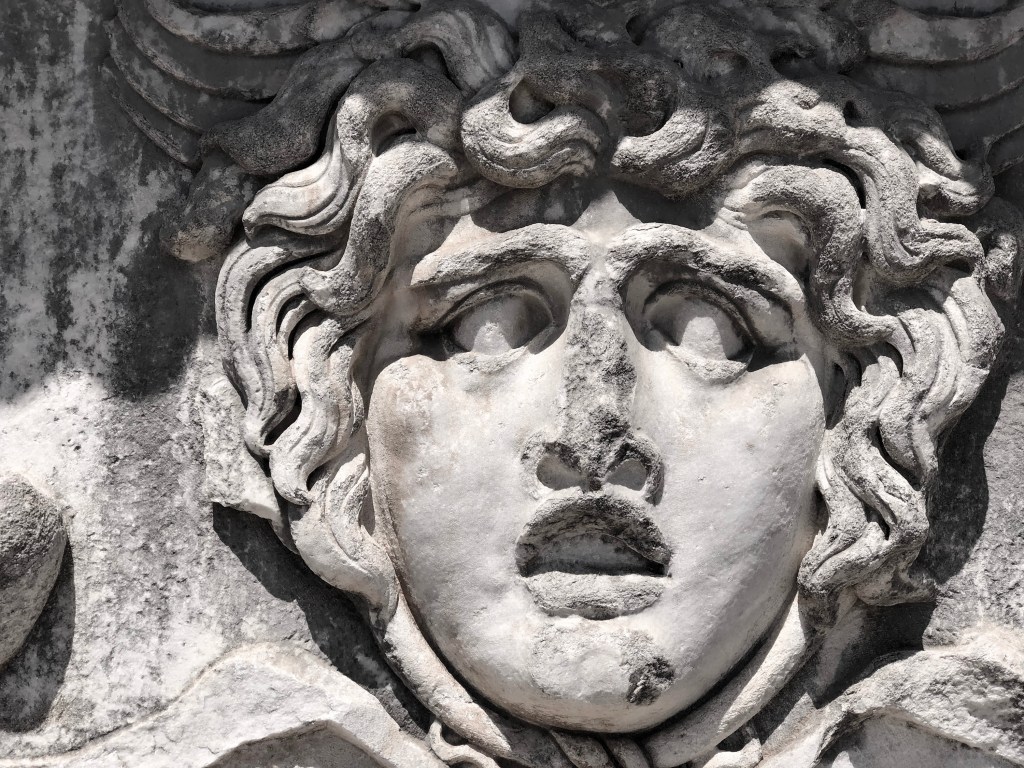
Malta is located about 200 miles north of Libya and 200 miles east of Tunisia. It is one of the world’s smallest and most densely populated countries with a population of nearly 500,000 people living on 122 square miles. The ancient Greeks called the island Μελίτη (Melitē) meaning “honey-sweet”, probably for the endemic subspecies of black bees living on the island. There is a unique natural history in Malta. Pleistocene fossil deposits reveal the existence and extinction of dwarf hippos, giant swans, and pygmy elephants. With creatures like that maybe mythology was closer to real life than we imagine.
Mythology and region have always been conjoined in this part of the world, and Malta has a long-standing relationship with both folklore and the Catholic faith. Christianity came to Malta in the form of a shipwreck. In 60 AD, St. Paul the Apostle had been arrested for his religious teachings and was being transported to Rome by ship. A Mediterranean storm overwhelmed the vessel. New Testament Acts 27:41 describes the wreck: “But striking a reef, they ran the ship aground; the bow stuck and remained immovable, but the stern was being broken up by the force of the waves.” St. Paul survived by swimming ashore in Malta where he continued to preach the euaggelion, the “good news,” of the gospel.
“But striking a reef, they ran the ship aground; the bow stuck and remained immovable, but the stern was being broken up by the force of the waves.”
–New Testament Acts 27:41
Religion and art are also integrated into the culture of Malta. There are no fewer than 359 churches in Malta and many of them feature the works of Old Masters. The St. John’s Cathedral in Valletta is a Baroque crown jewel with “intricately carved stone walls and a floor that is an iridescent patchwork quilt of marble tomb slabs.” (A sign reads: “Stiletto Heels Not Permitted.”) Painted ceilings and side altars chronicle the life of the namesake of the cathedral. In the Oratory is displayed the Caravaggio masterpiece, The Beheading of Saint John the Baptist. I hope to celebrate Easter Sunday Mass here.
When I am asked why I leave the comfort of home on these extended journeys, I can only respond that I am moved by a sense of place. I want the see the headlands where Spartan warriors defended the Spice Routes. I want to touch the earth that supported dwarf hippos and giant swans. I want to immerse my body into the water where an Apostle of Jesus Christ swam ashore after a shipwreck. These are the things that motivate me to raise the sails today and press onward.

Please subscribe (for free!) at the bottom of this page so that you don’t miss a new update, and please consider sharing this post with others who might enjoy following the voyage of Flying Fish. I welcome your comments. I will always respond to your comment once I have an Internet connection.
You can follow the daily progress of Flying Fish, my speed (or lack thereof), and current weather as I sail into the Mediterranean by clicking this satellite uplink: https://forecast.predictwind.com/tracking/display/Flyingfish. Look for en route notes and log excerpts on the right side of the tracking page.
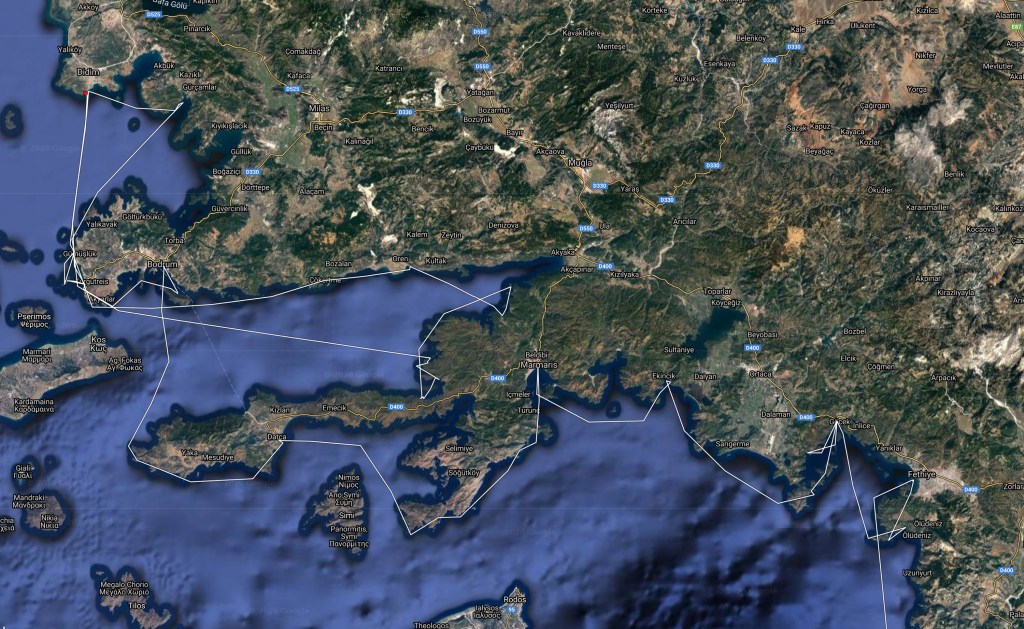
To see where Flying Fish has sailed since leaving Key West in 2017, click here: https://cruisersat.net/track/Flying%20Fish
Instagram: FlyingFishSail
Facebook: Jeffrey Cardenas
Text and Photography © Jeffrey Cardenas 2021
Let this be a time of grace and peace in our lives –Fr. John Baker
























 Stella Maris Sail