2021 Year in Review: Flying Fish Images

Eastern Mediterranean to The Cape Verde Islands

“To live is the rarest thing in the world…” -Oscar Wilde

Life aboard Flying Fish in 2021 featured a year of obstacles, astonishment, and kindness.

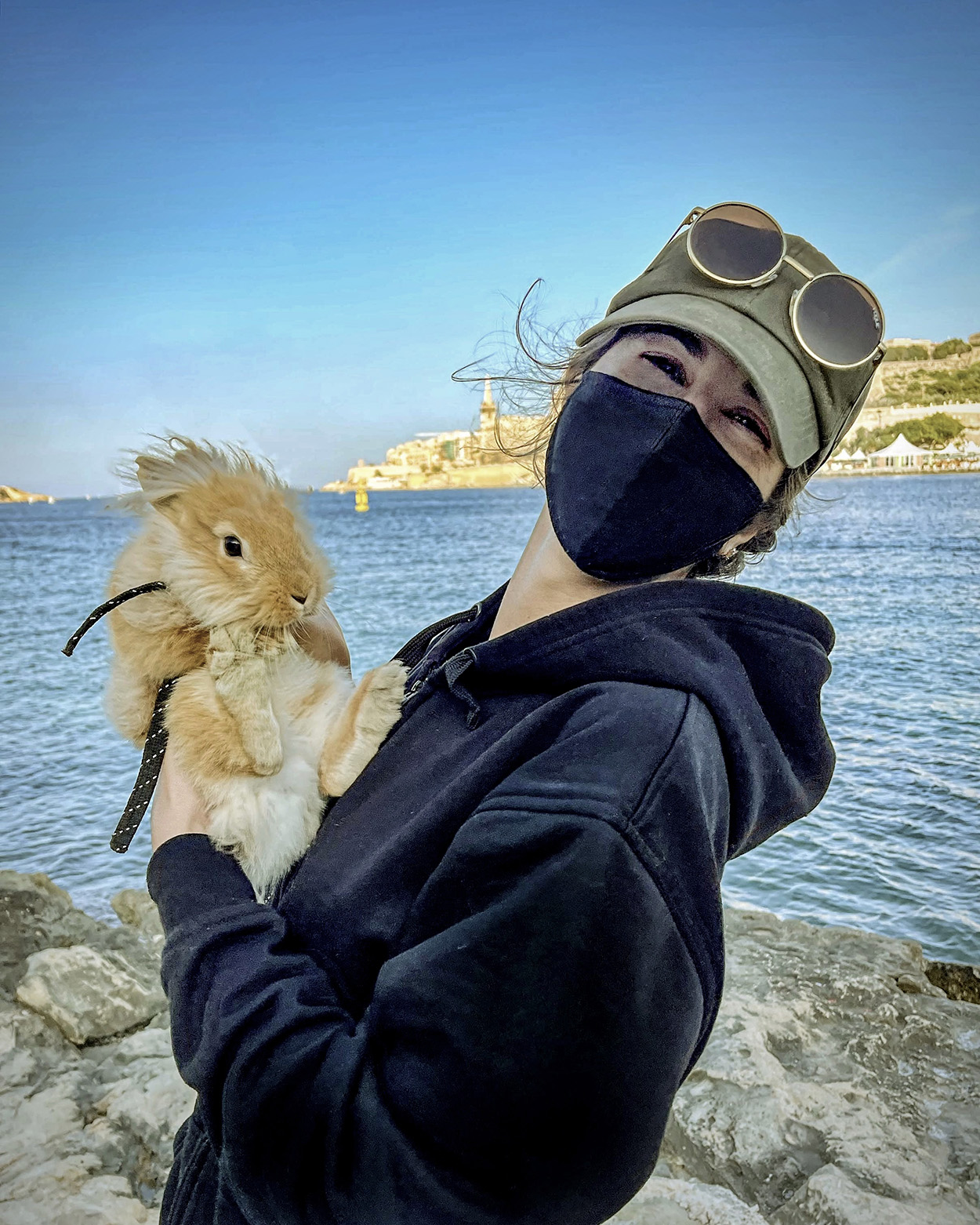
COVID still raged worldwide, but vaccines kept many people from dying. Generous souls in Malta found a way for me to receive a vaccination from one of the country’s thousands of unused doses, despite a bureaucratic edict prohibiting foreigners from receiving the jab.

As climate change accelerated, storms became more potent. Sahara Desert winds filled the sky with sand. Voyaging sailors banded together, helping one another with repairs and brainstorming solutions for staying safe in the changing conditions at sea.

On shore, despite another year of pandemic and political uncertainty, many people found solace in nature and creativity. On the salon bulkhead of Flying Fish, I kept a crayon drawing by Charlie Vialle, a spirited six-year-old French girl who was sailing the world with her parents. The drawing is of Flying Fish skipping across waves under a bright sun in the company of birds and porpoises. Charlie said, “Flying Fish is a good boat.”


Mid-Winter Departure

Mid-Winter sailing in the Mediterranean is for the (snow) birds

The 2021 sailing itinerary for Flying Fish was ambitious: I would depart the Turkish coastline in the eastern Mediterranean and sail to America. This was the beginning of my fourth year en route around the world, and it was time to think about closing the circle. To accomplish this, I would have to get started early.

The Eastern Mediterranean in January is cold. Temperatures dropped below freezing. On the first leg of the journey from Turkey to Malta, I encountered sleet onboard for the first time in my tropical life. I didn’t like it.

Shipping traffic in the Mediterranean backed up because the massive container ship Ever Given was stuck sideways in the Suez Canal, blocking the passage of 369 ships and causing billions of dollars of world supply chain delays that continue to affect global trade. Flying Fish dodged the traffic and bypassed the lovely Greek Islands, which remained closed to tourism because of COVID.

After 750 miles, Malta was a welcome landfall, but a series of storms known as gregales reminded me that it was still mid-winter in the Mediterranean.

Click a photo in the gallery below and scroll for captions and high-resolution images © Jeffrey Cardenas


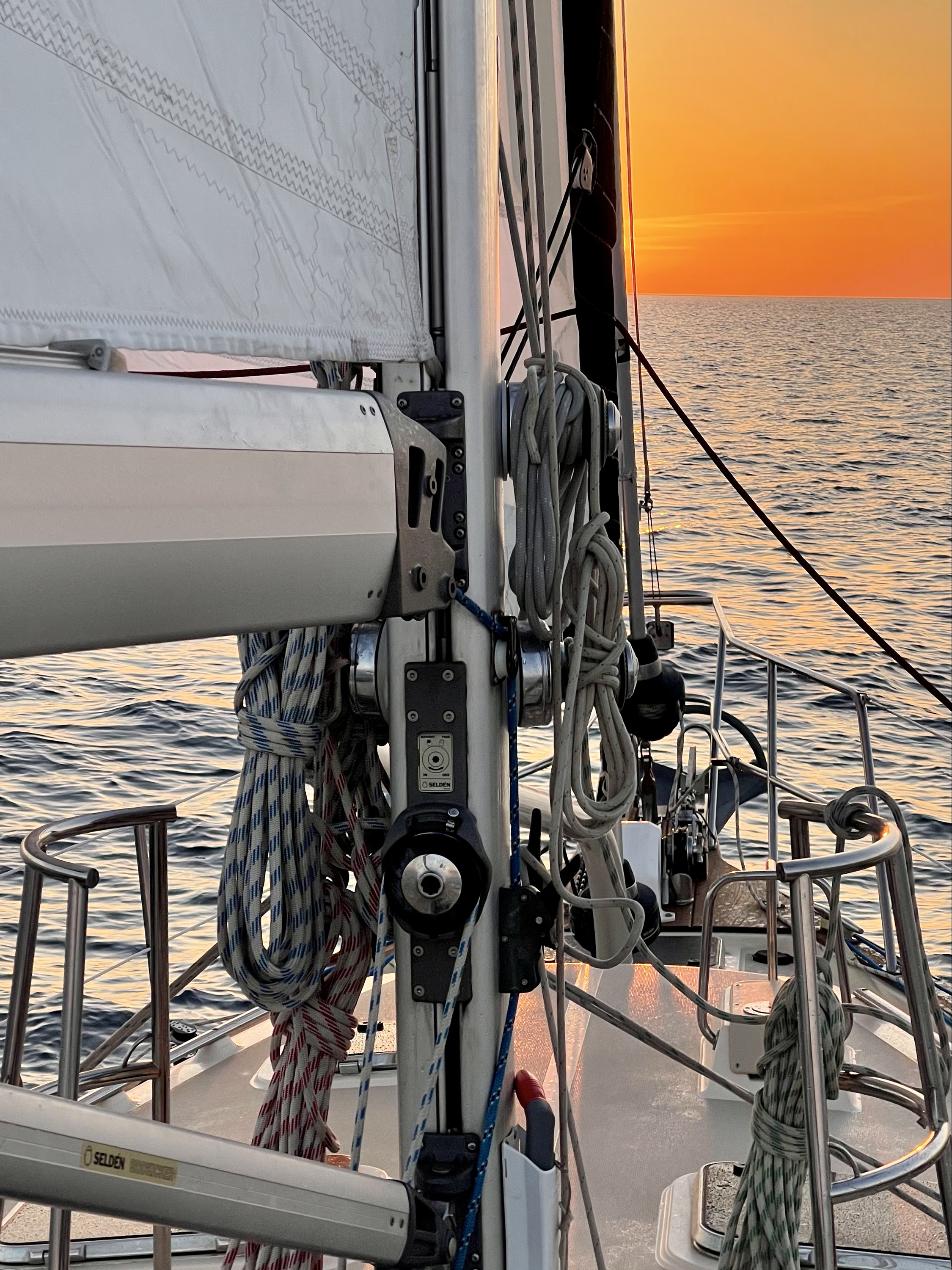
Places of Wonder

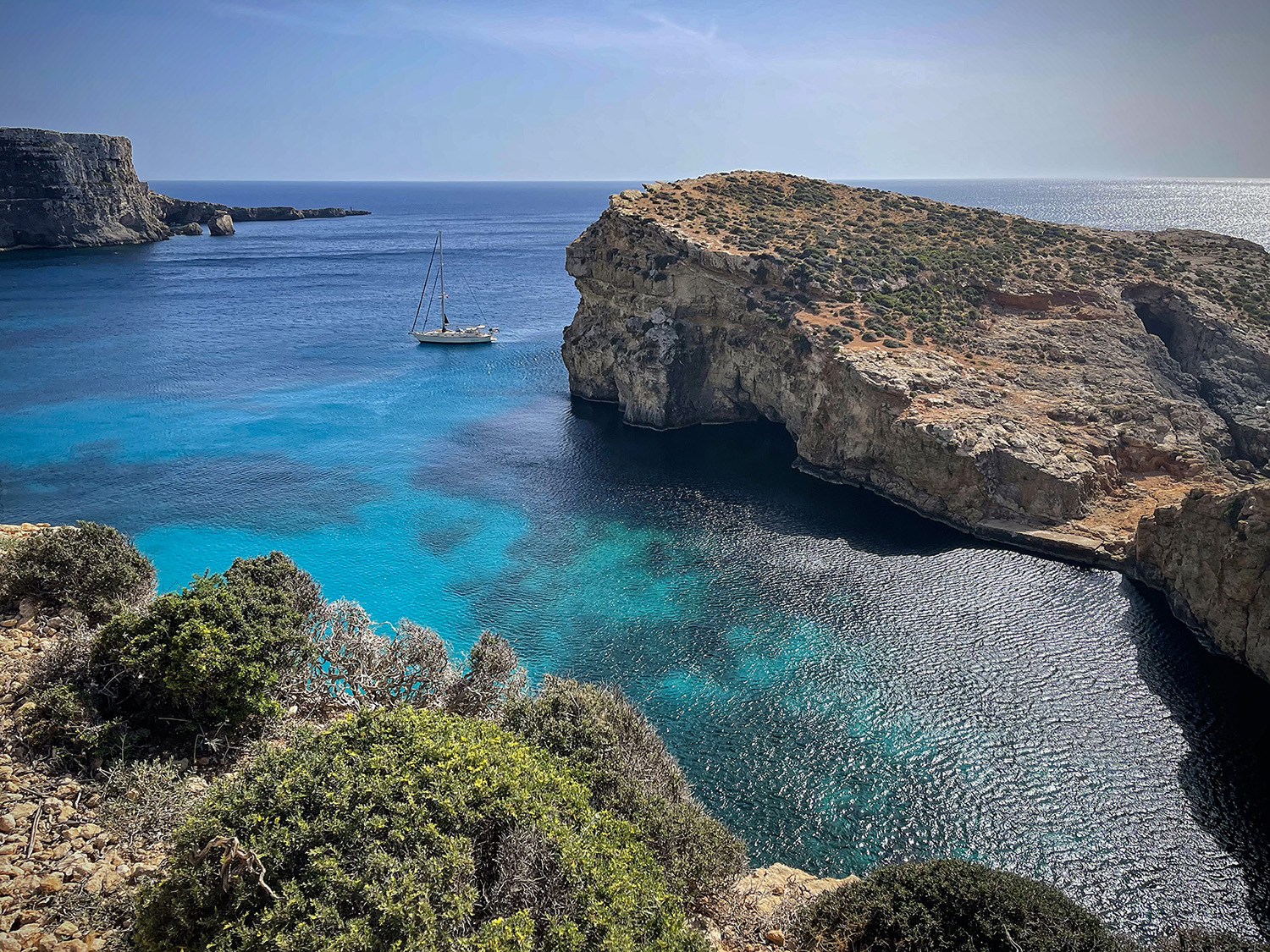
The engineering feat of Porto Flavia, Sardinia, cut into the sheer rock, made it unique at the time of its construction in 1923

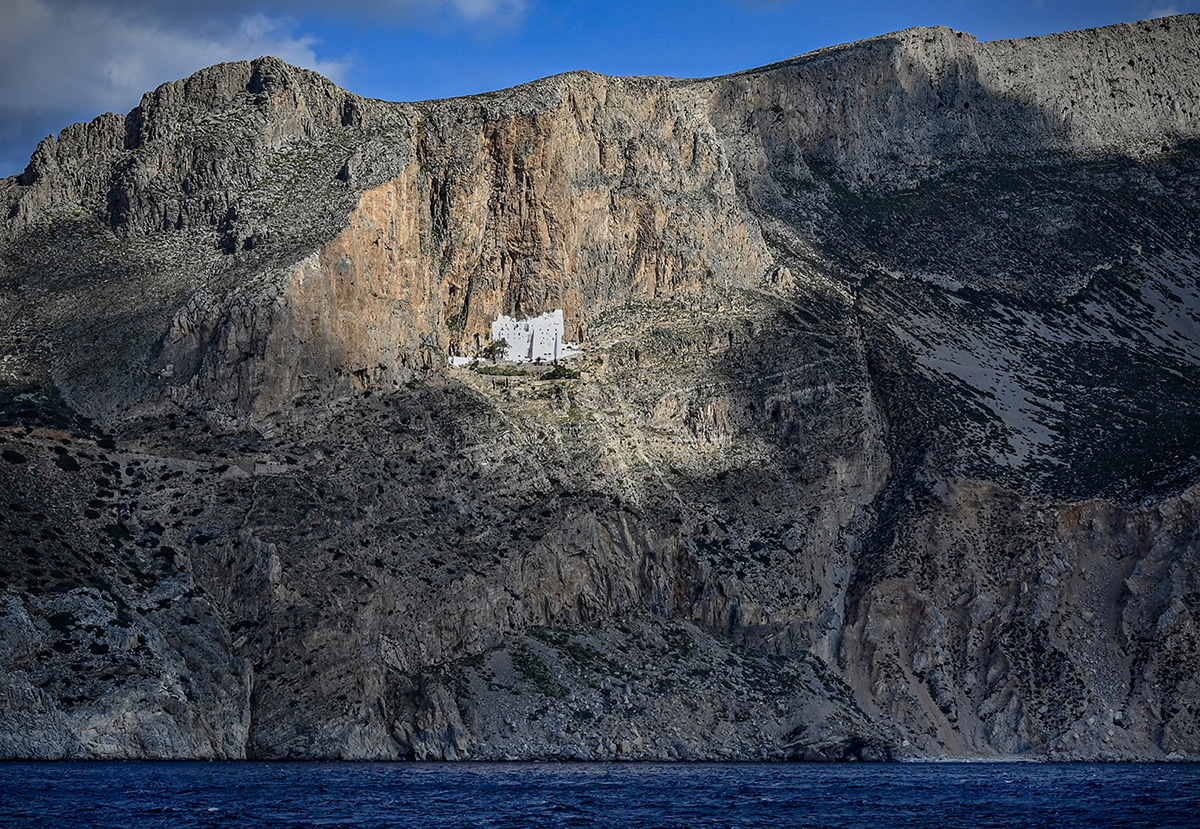
I was continually in a state of wonder at the history surrounding this leg of the passage around the world.

I sailed in the wakes of the ancient Egyptians, Julius Cesar, and Admiral Horatio Nelson. In the Middle Sea, the Hellenic ruins of the Eastern Mediterranean were gradually replaced by surviving relics of the Renaissance and the ascension of Europe. At Malta, 2021 Easter services in the stunning St John’s Cathedral were cancelled because of the pandemic, but a generous security guard opened a side door, allowing me a glimpse of the cathedral’s Baroque grandeur.

I continued to Sardinia from Malta, and welcomed my sailing mate Ginny Stones aboard Flying Fish. We savored the food and wine and the rugged anchorages from Cagliari to the Gulf of Orosei. Ginny’s visit was brief, and after a month, I sailed onward to the Balearic Islands, mainland Spain, Gibraltar, and finally to the Atlantic Ocean islands of the Canaries and Cape Verde.

Click a photo in the gallery below and scroll for captions and high-resolution images © Jeffrey Cardenas


Joyful People

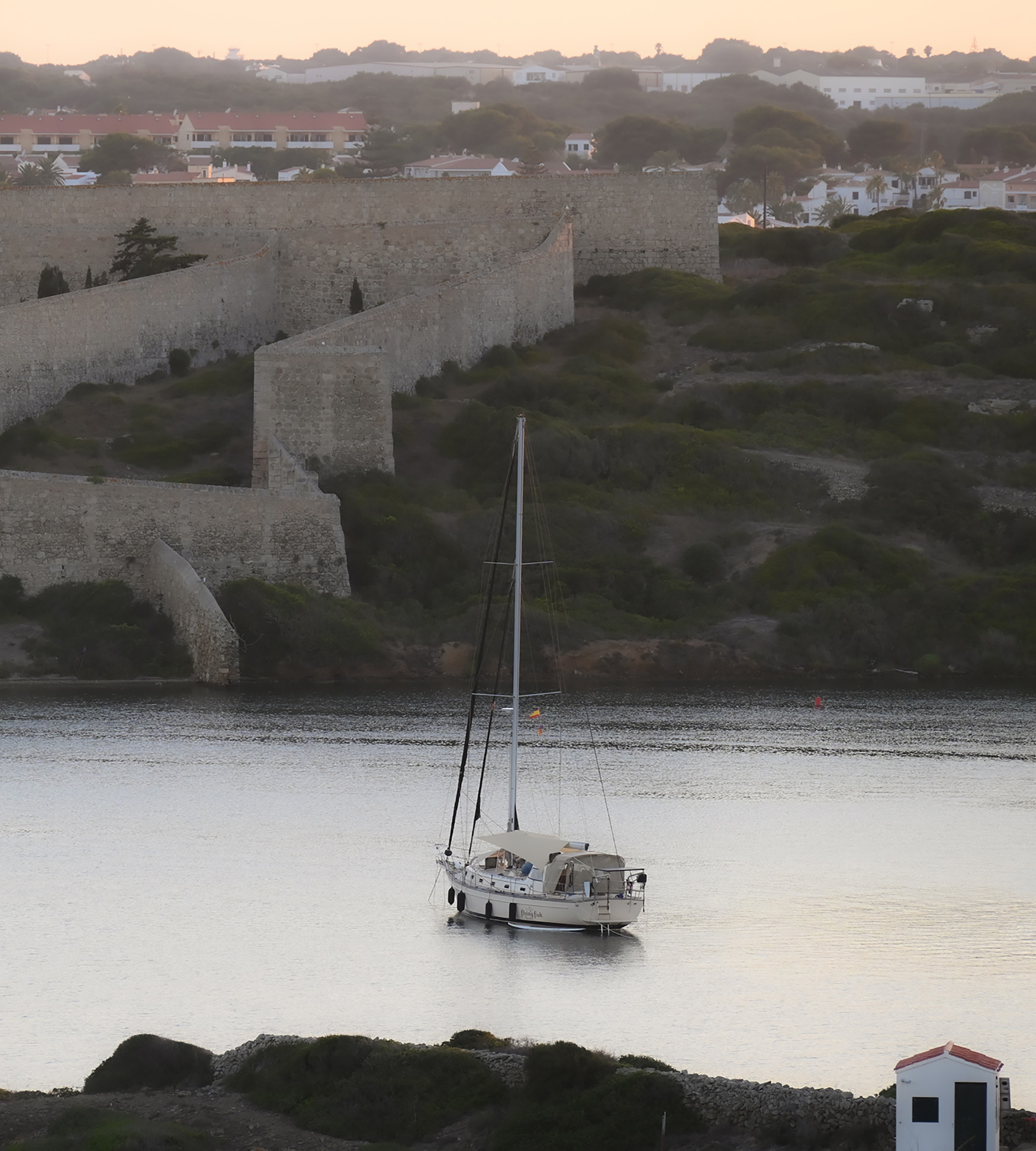
Charlie Vialle, age 6, takes the helm of Flying Fish at Cala Teulera in Menora

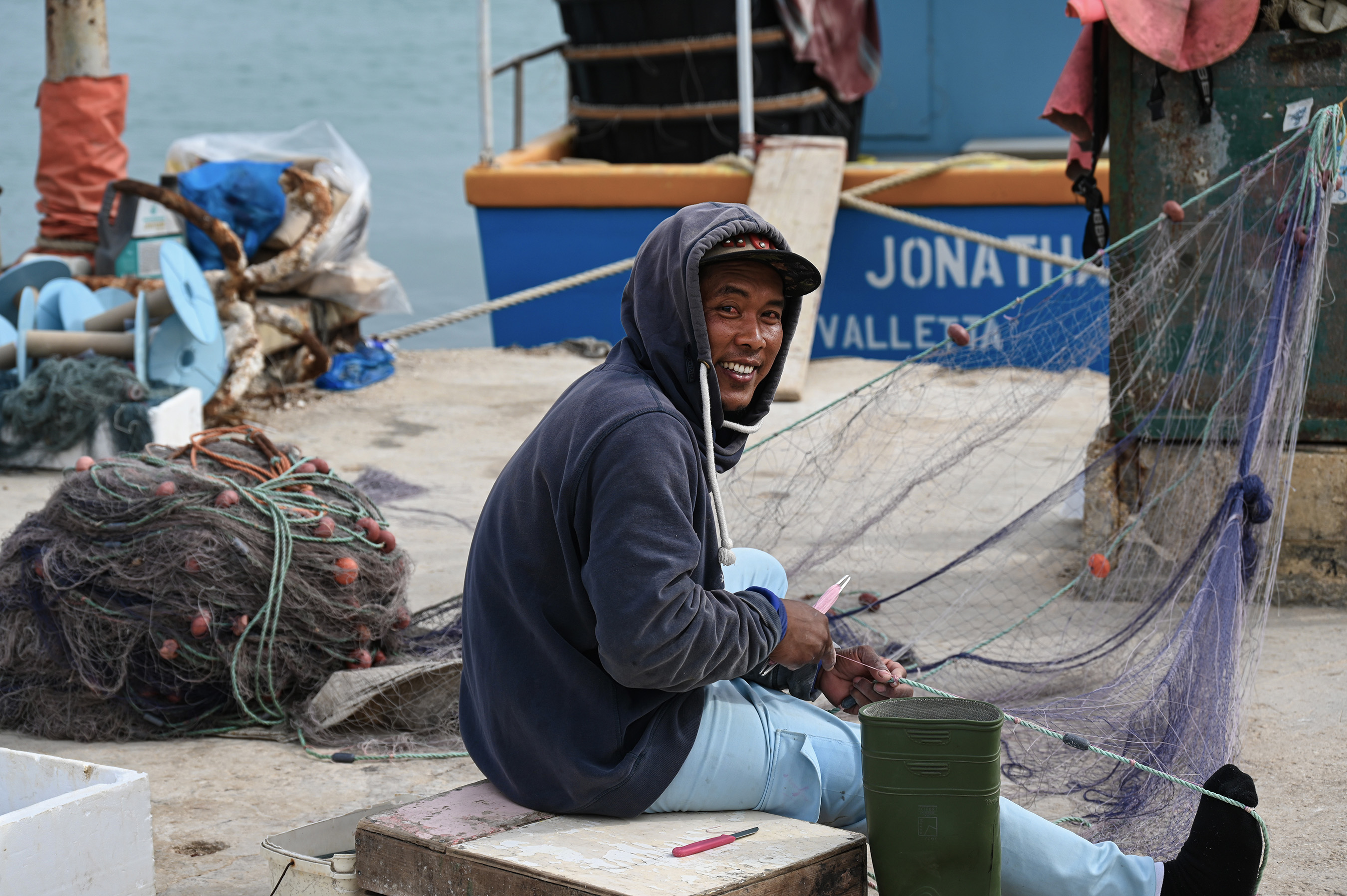
From Turkey to the Strait of Gibraltar, the people of the Mediterranean welcomed me as I journeyed into their towns and villages aboard Flying Fish. Despite my vaccination, I still needed COVID tests at every landfall. None was more enjoyable than in Sardinia, where a lovely Italian doctor came aboard Flying Fish and stuck a swab up my nose.

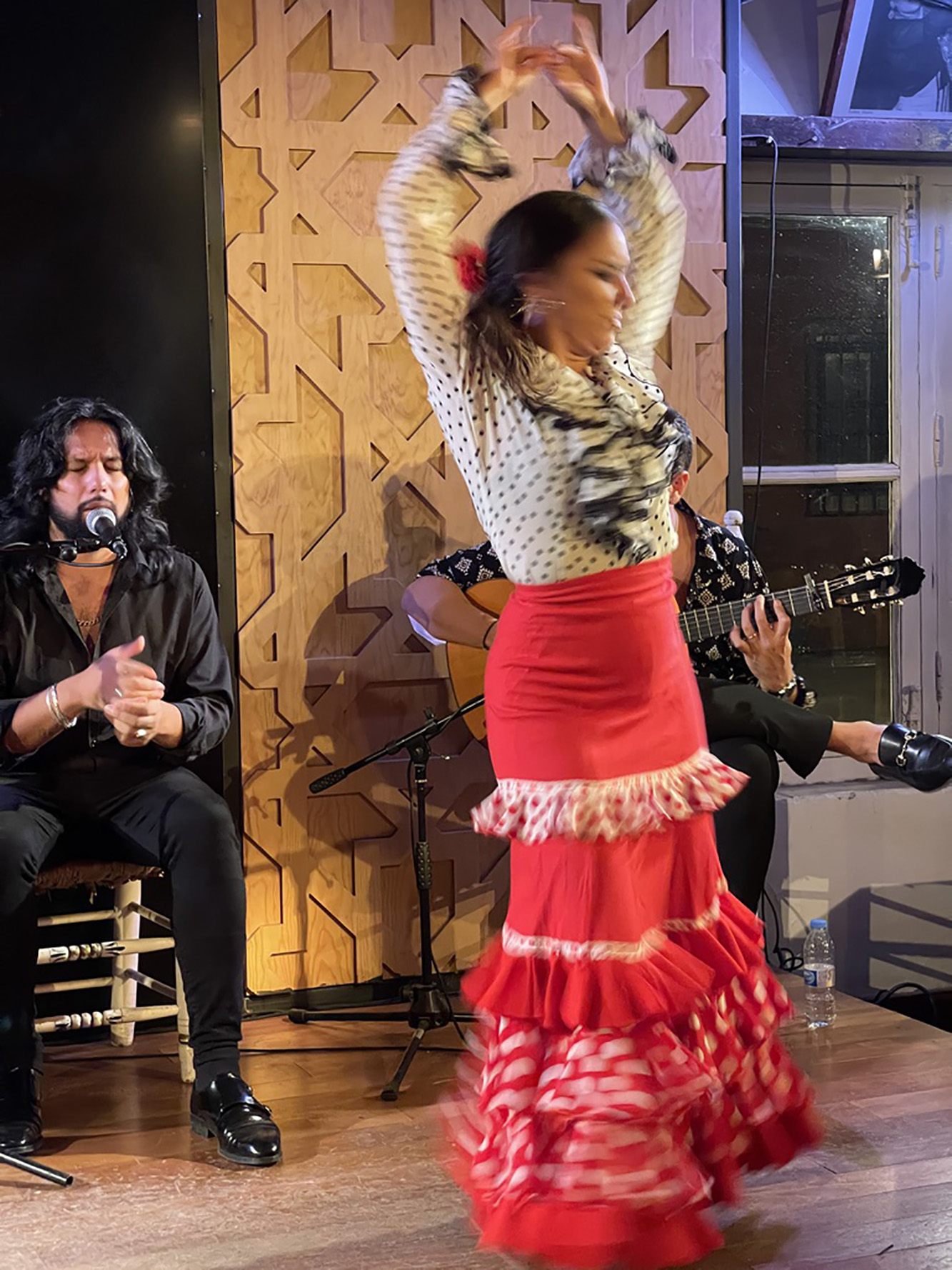
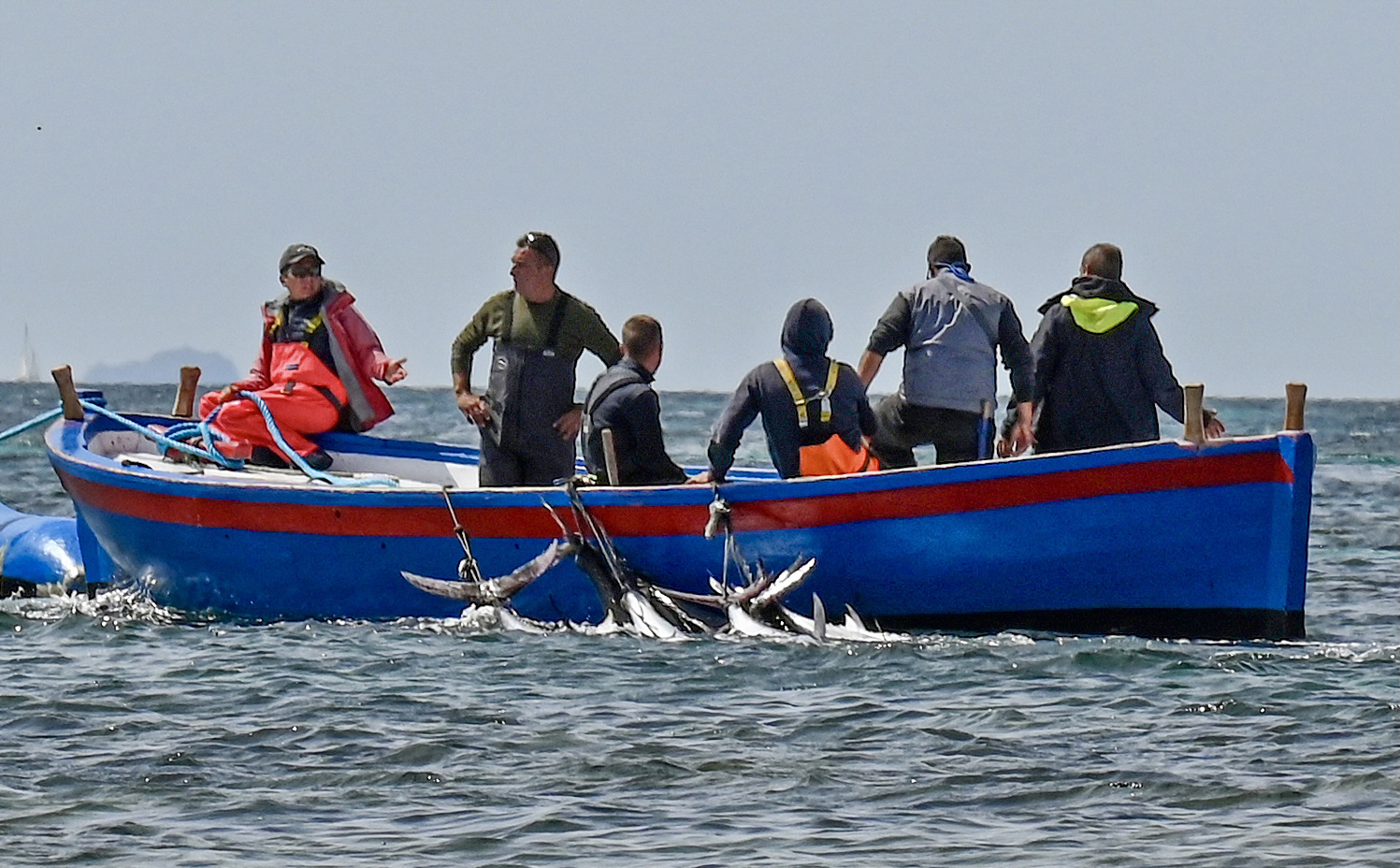
The cafes were full of life, and Ginny found herself surrounded by Italian schoolboys. Three men, all named Mehmet, helped make repairs to Flying Fish in Turkey. I swooned to Flamenco in Grenada, ate fresh tuna hand-caught by Italian fishermen, swayed to a drum circle on a dark beach in Ibiza, and watched a man exercise his swimming horse in the harbor of Marsaxlokk, Malta.

The world was still in the midst of a global pandemic, but you would never know it by the smile in the eyes of the people I met in the Mediterranean.

Click a photo in the gallery below and scroll for captions and high-resolution images © Jeffrey Cardenas


Bizarre Nature

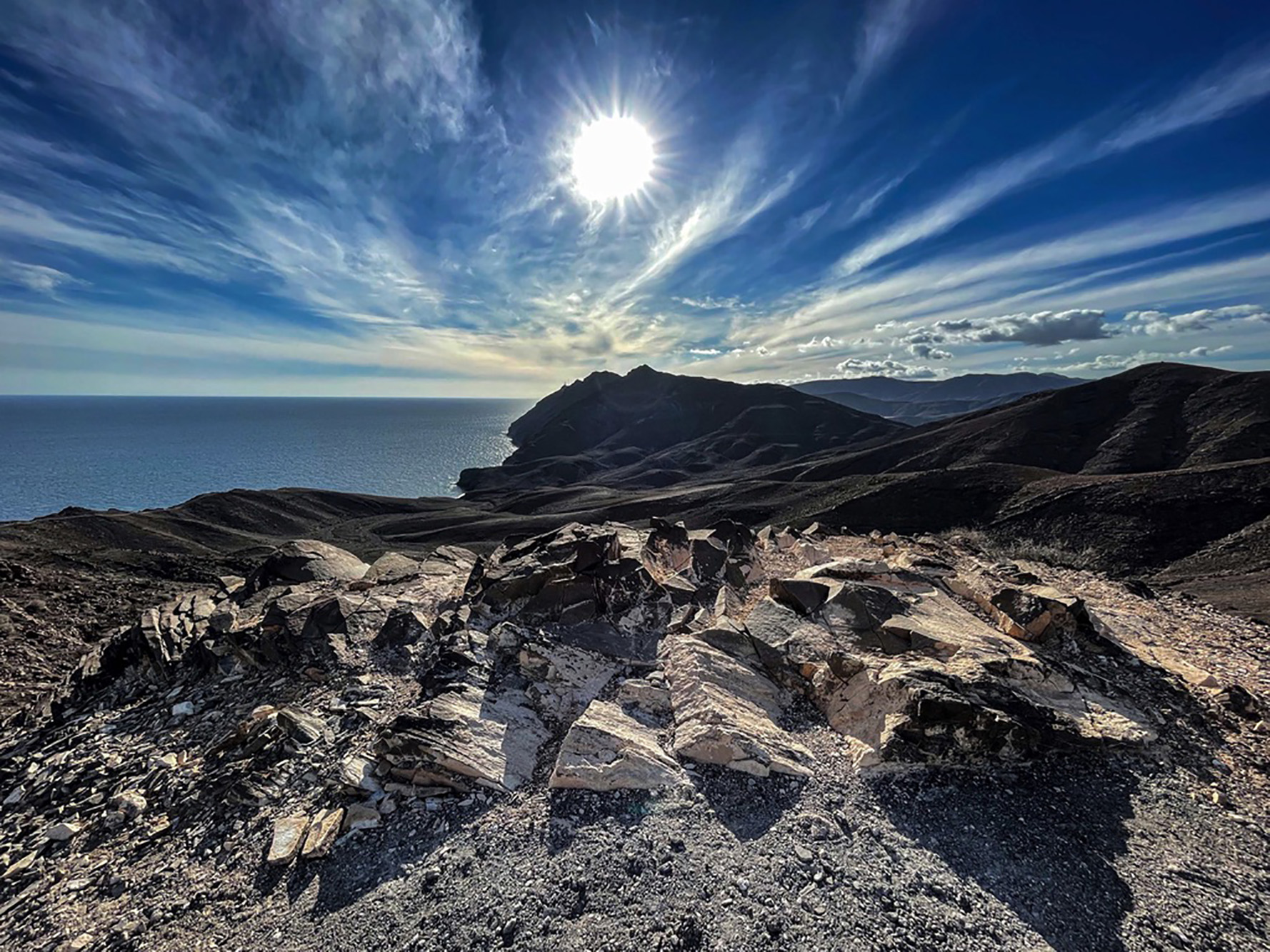
The natural beauty of the Mediterranean is unique in the world.

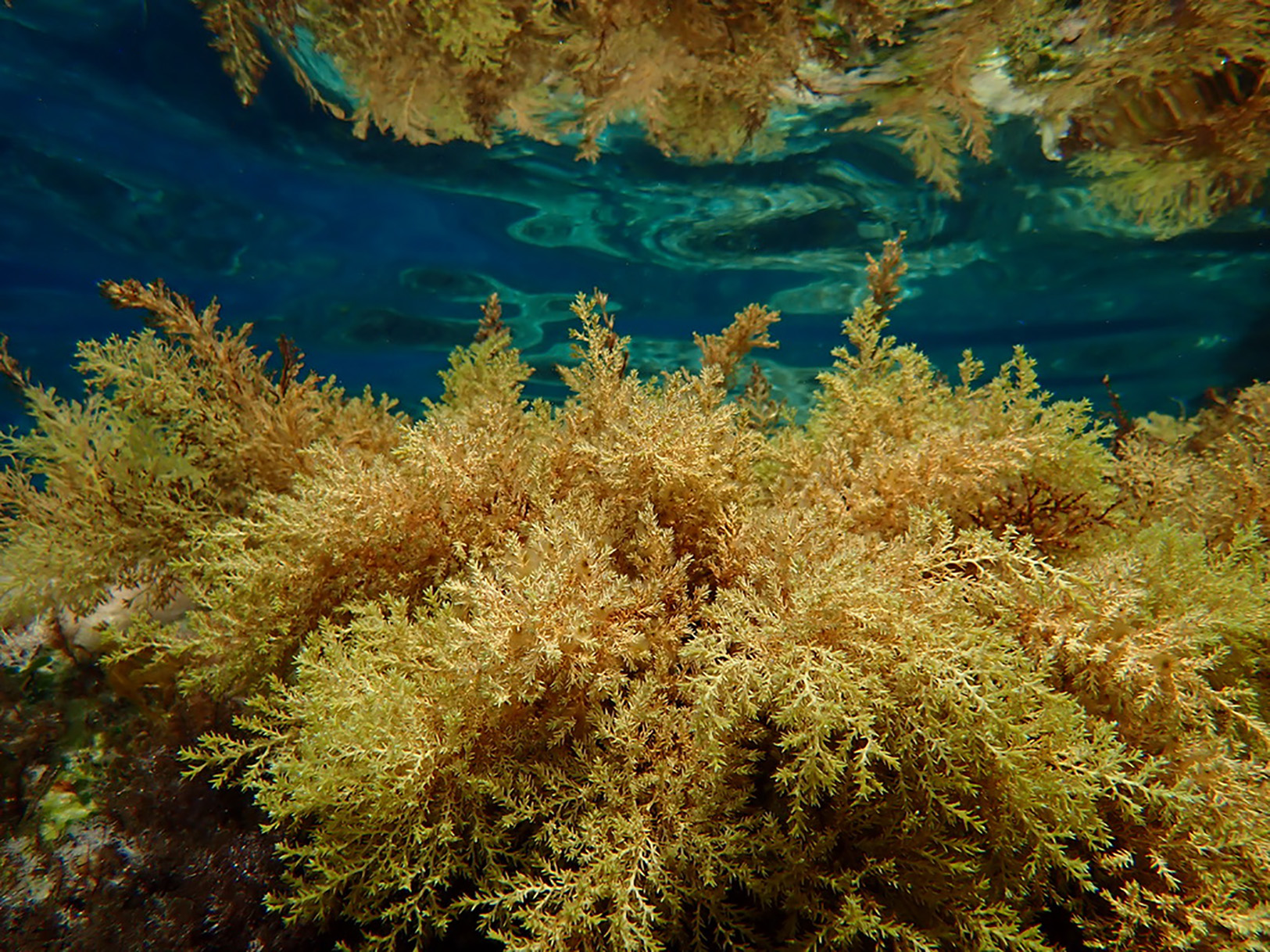
There are no multicolored coral reefs as in Polynesia. The fish population in the Mediterranean has been feeding people for eons, and in many areas that resource is depleted. There are, however, plenty of two-legged animals (usually wearing thongs in the summertime), especially in the chichi beach resorts of the Mediterranean.

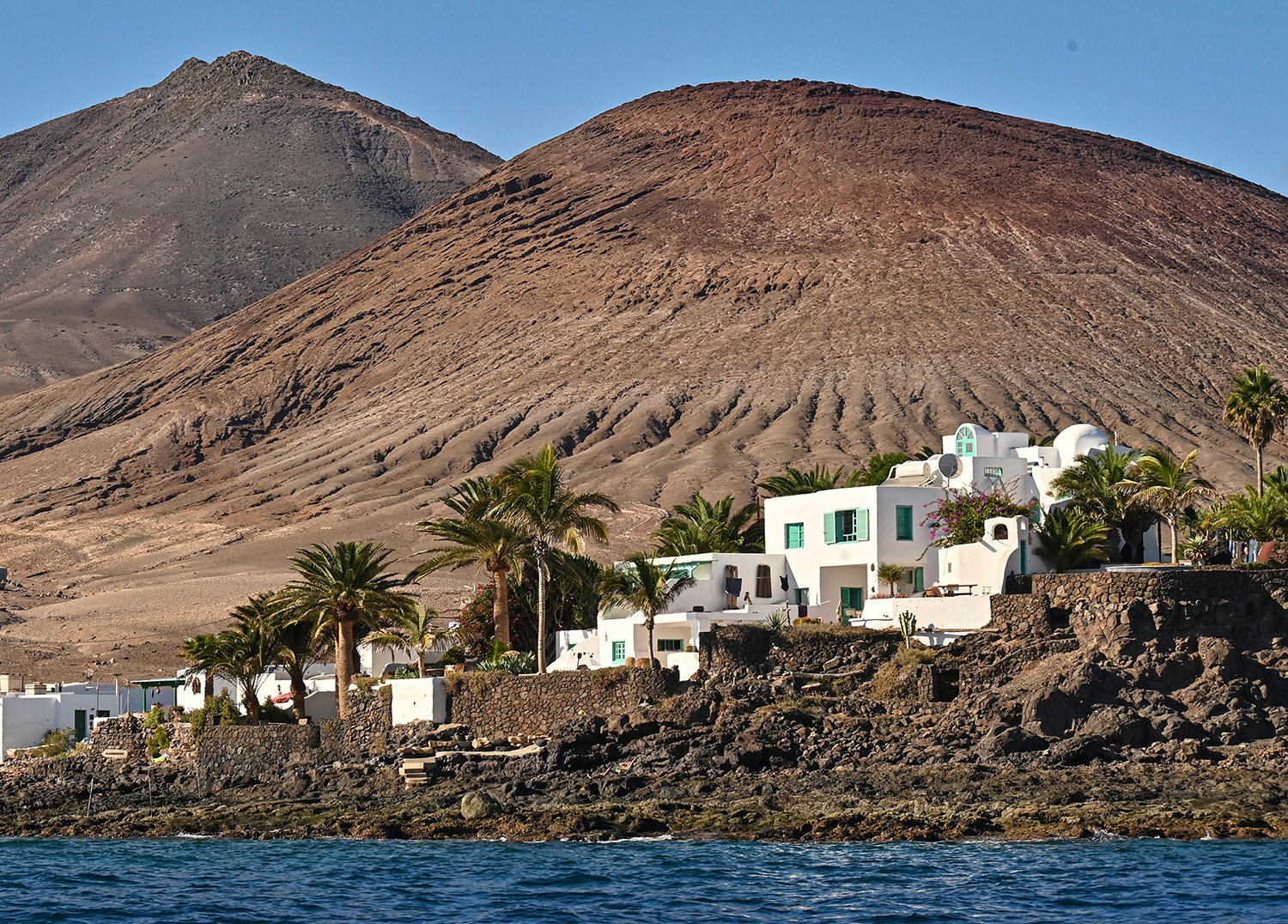
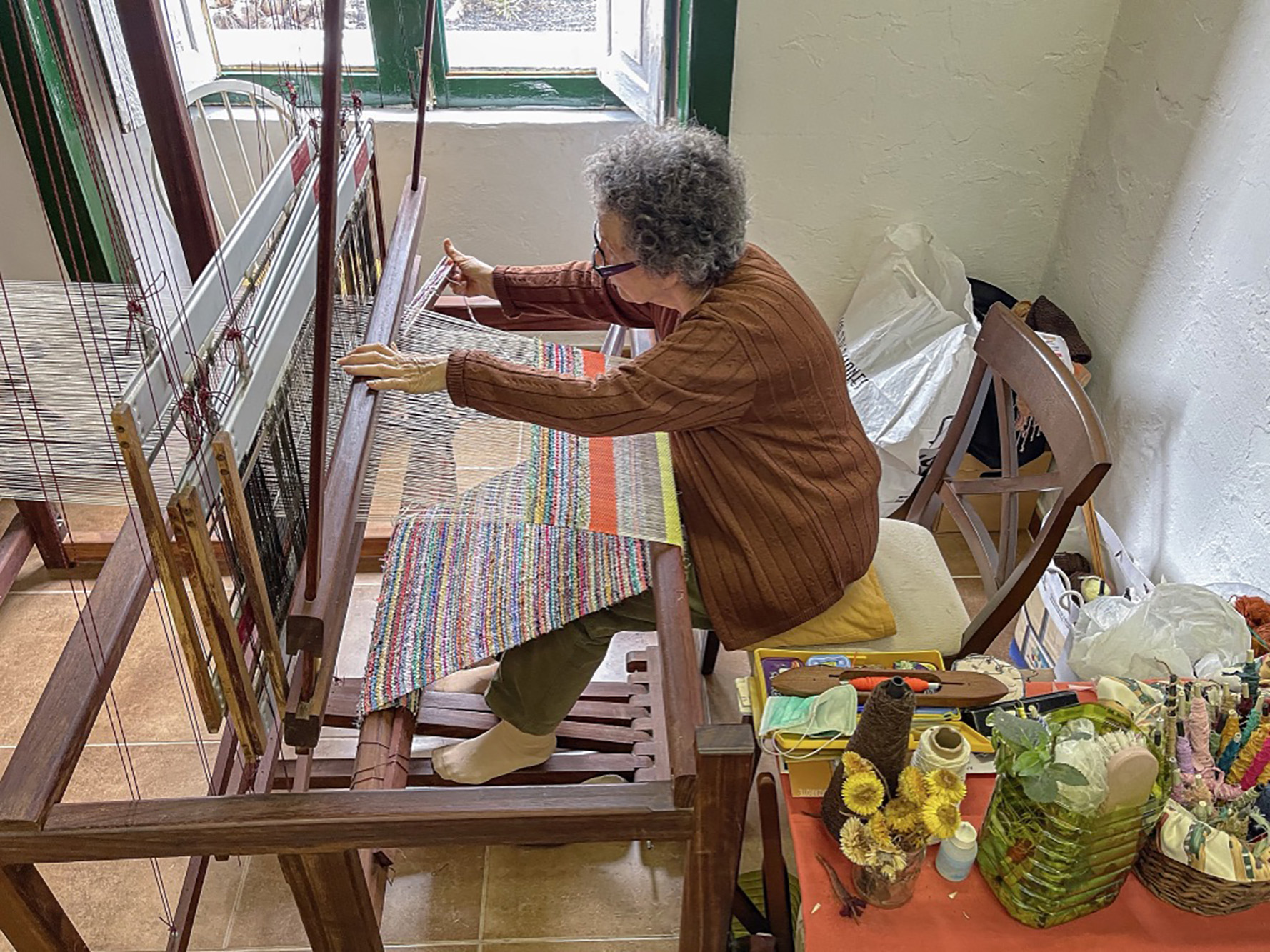
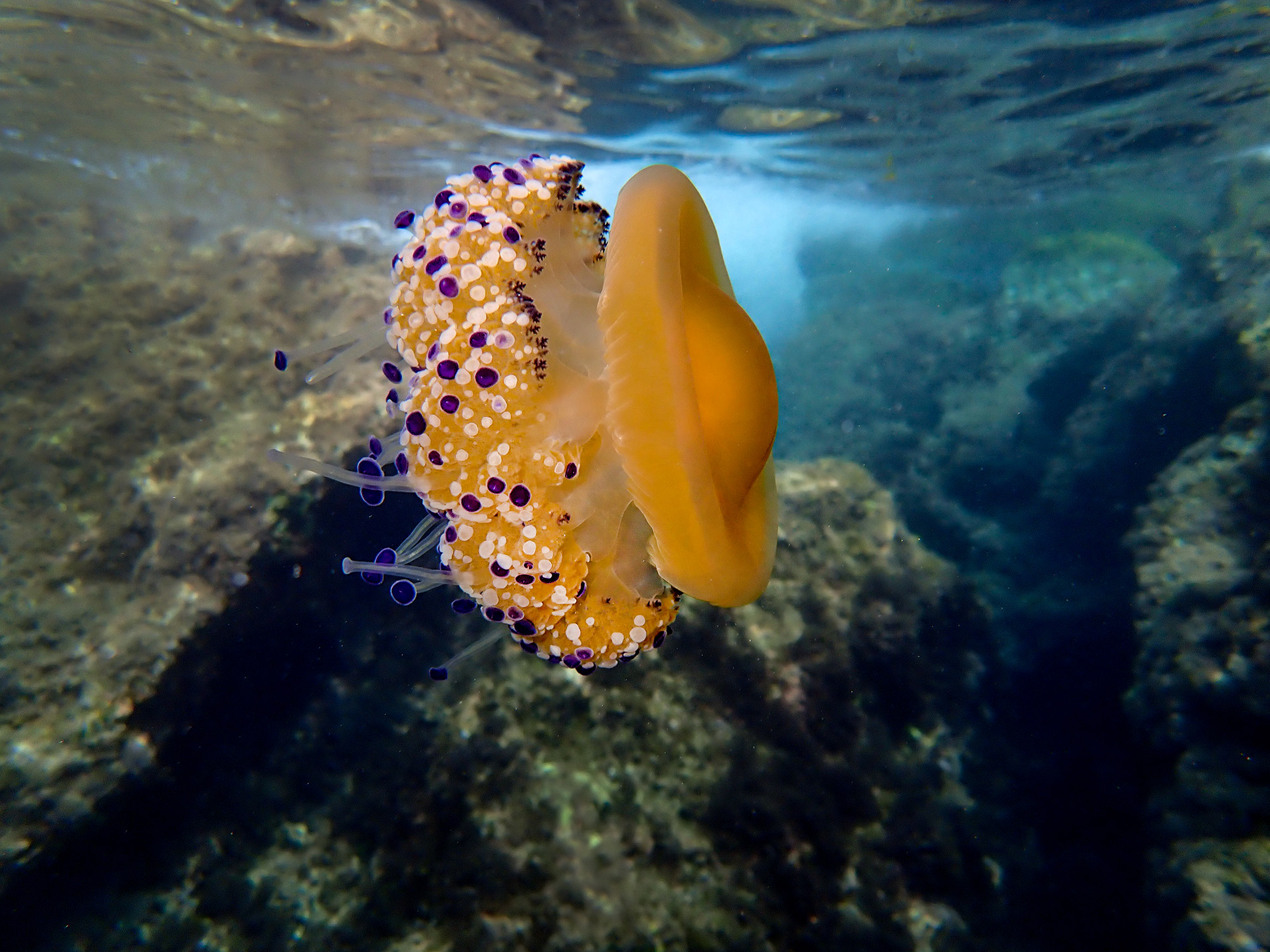
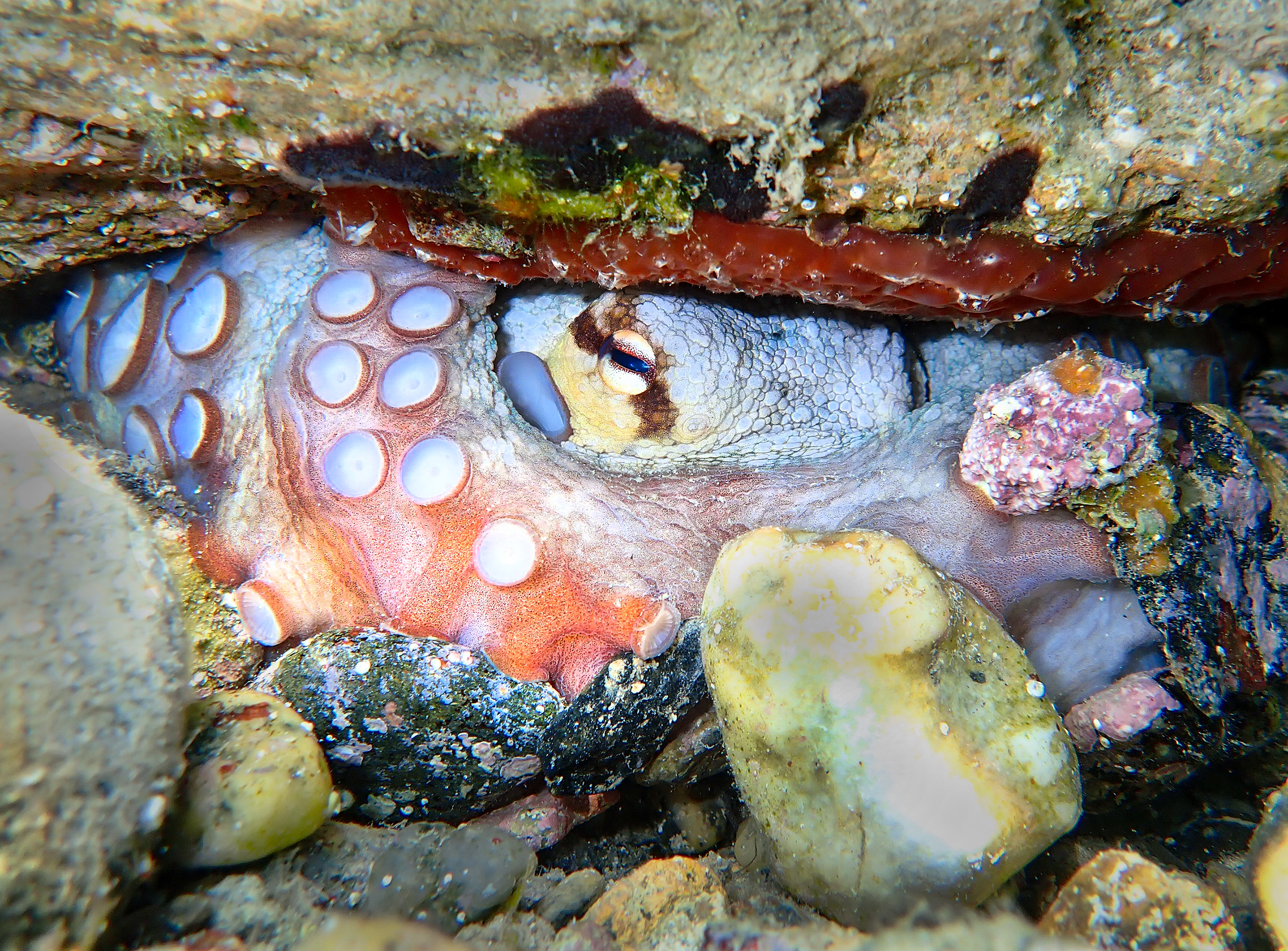
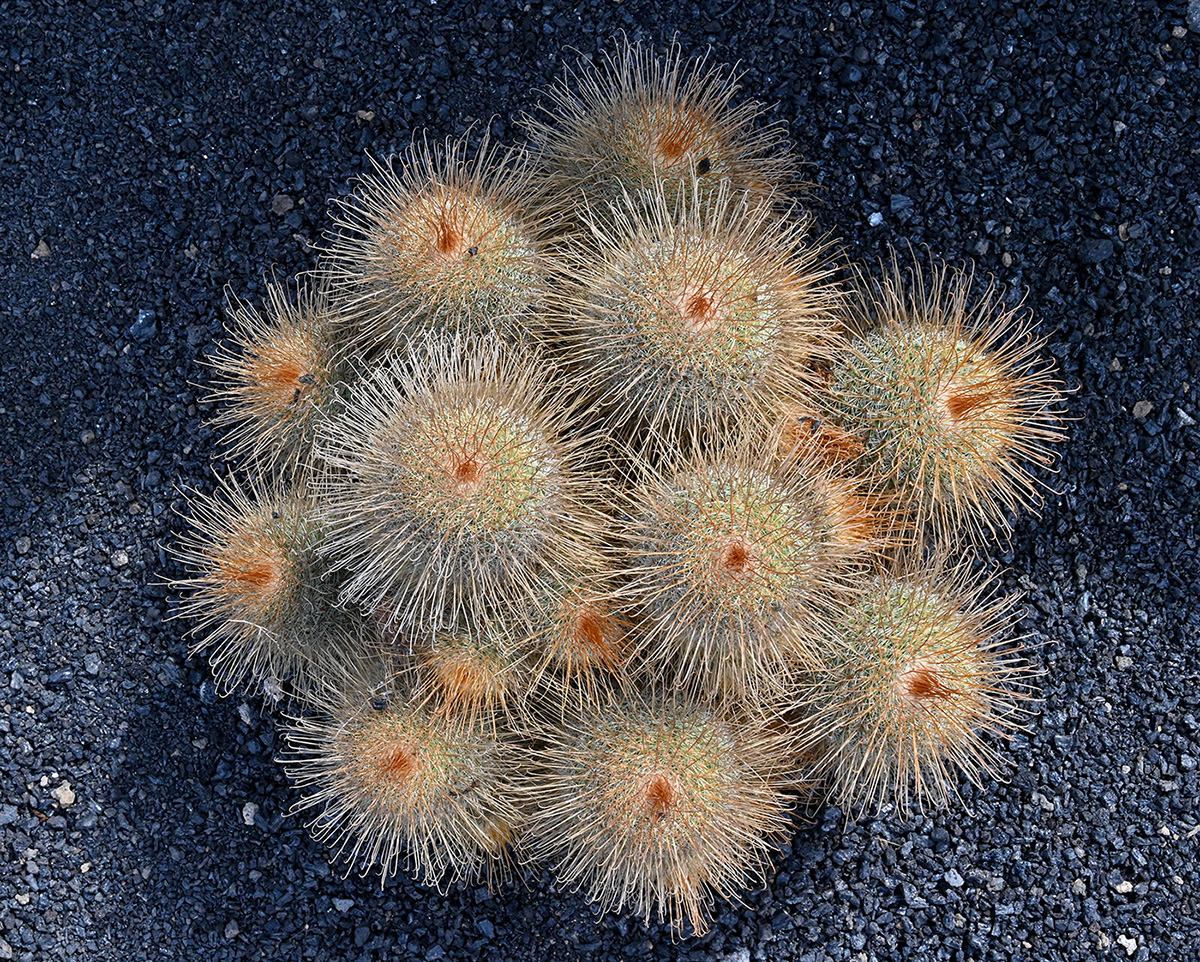
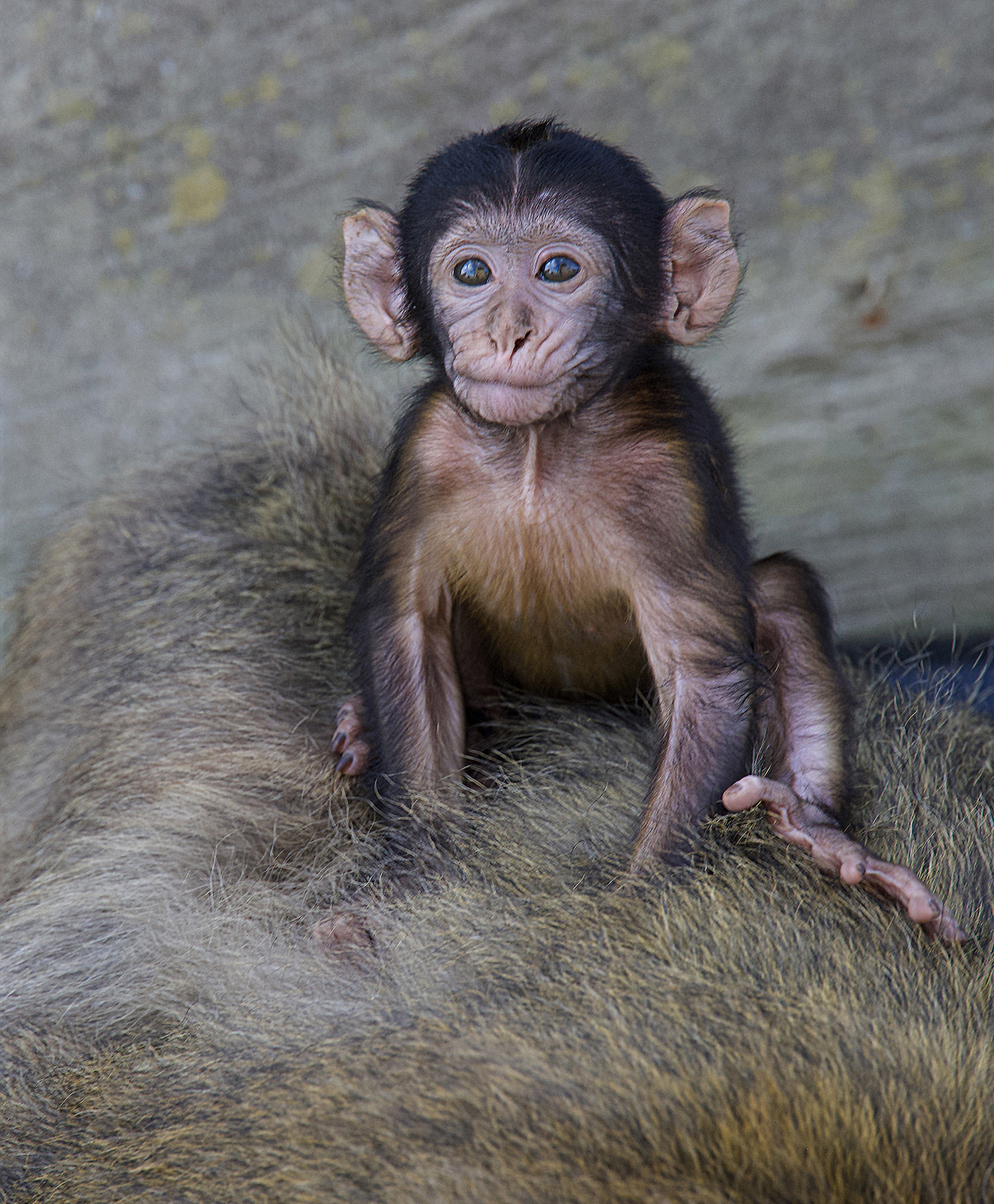
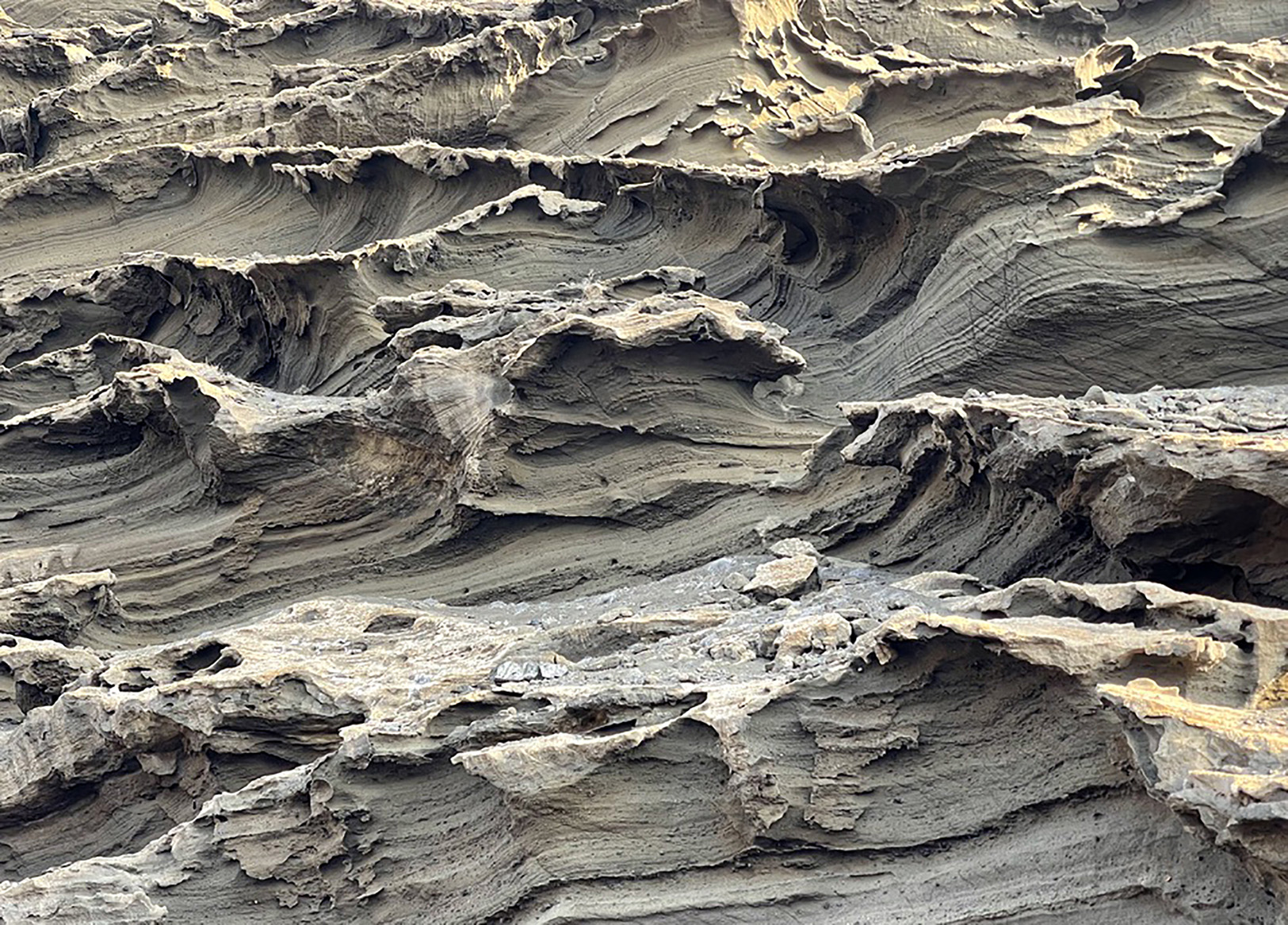
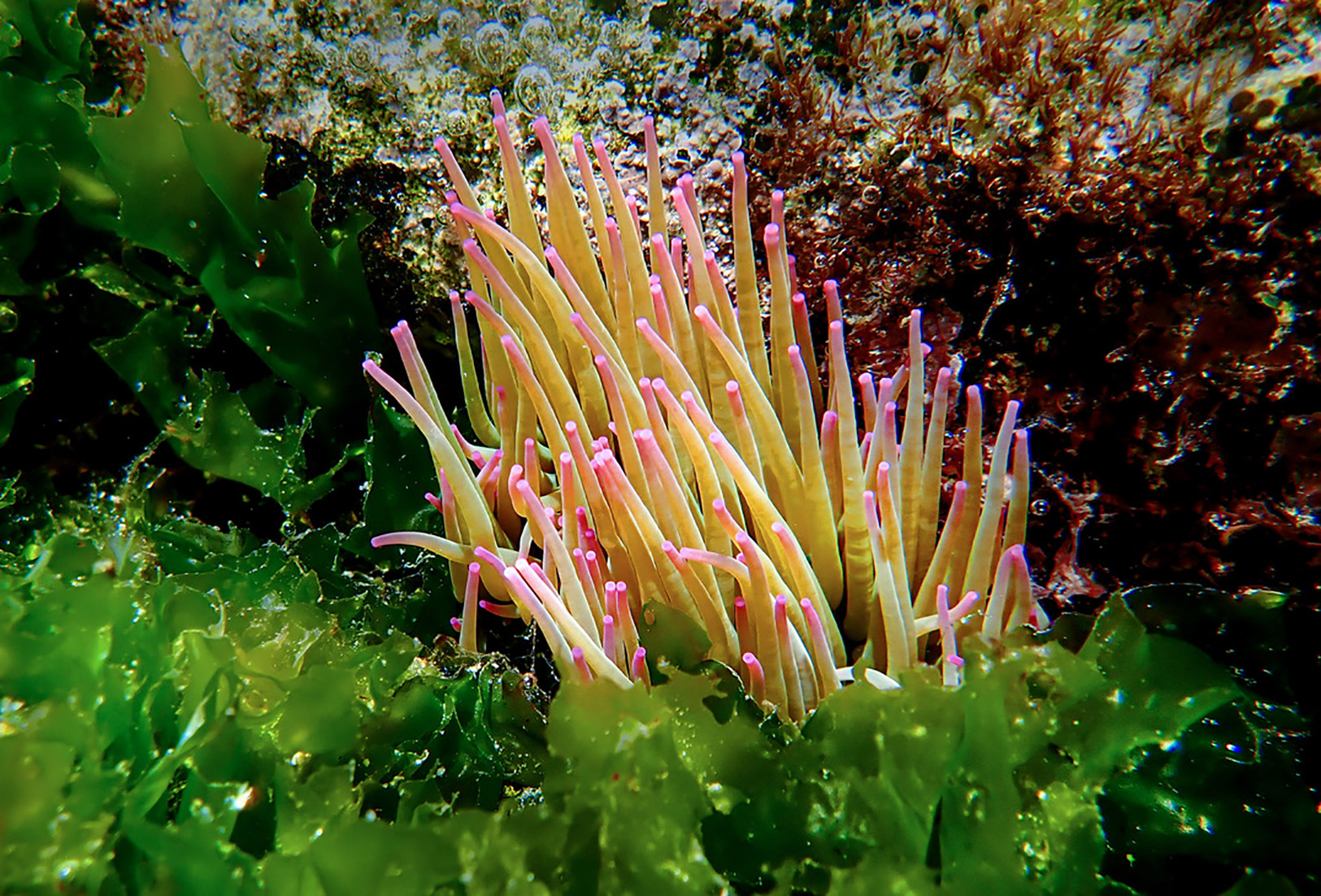
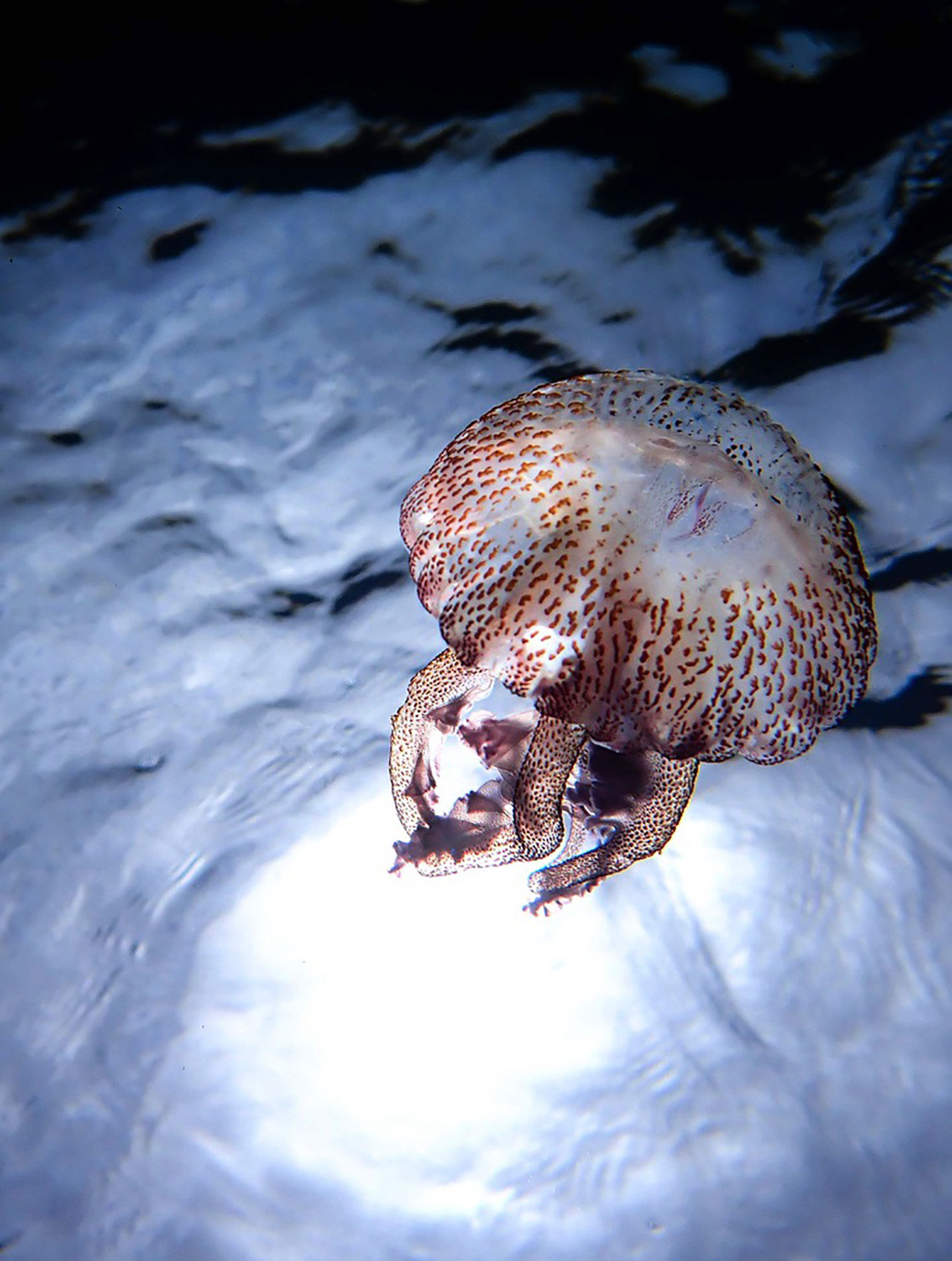
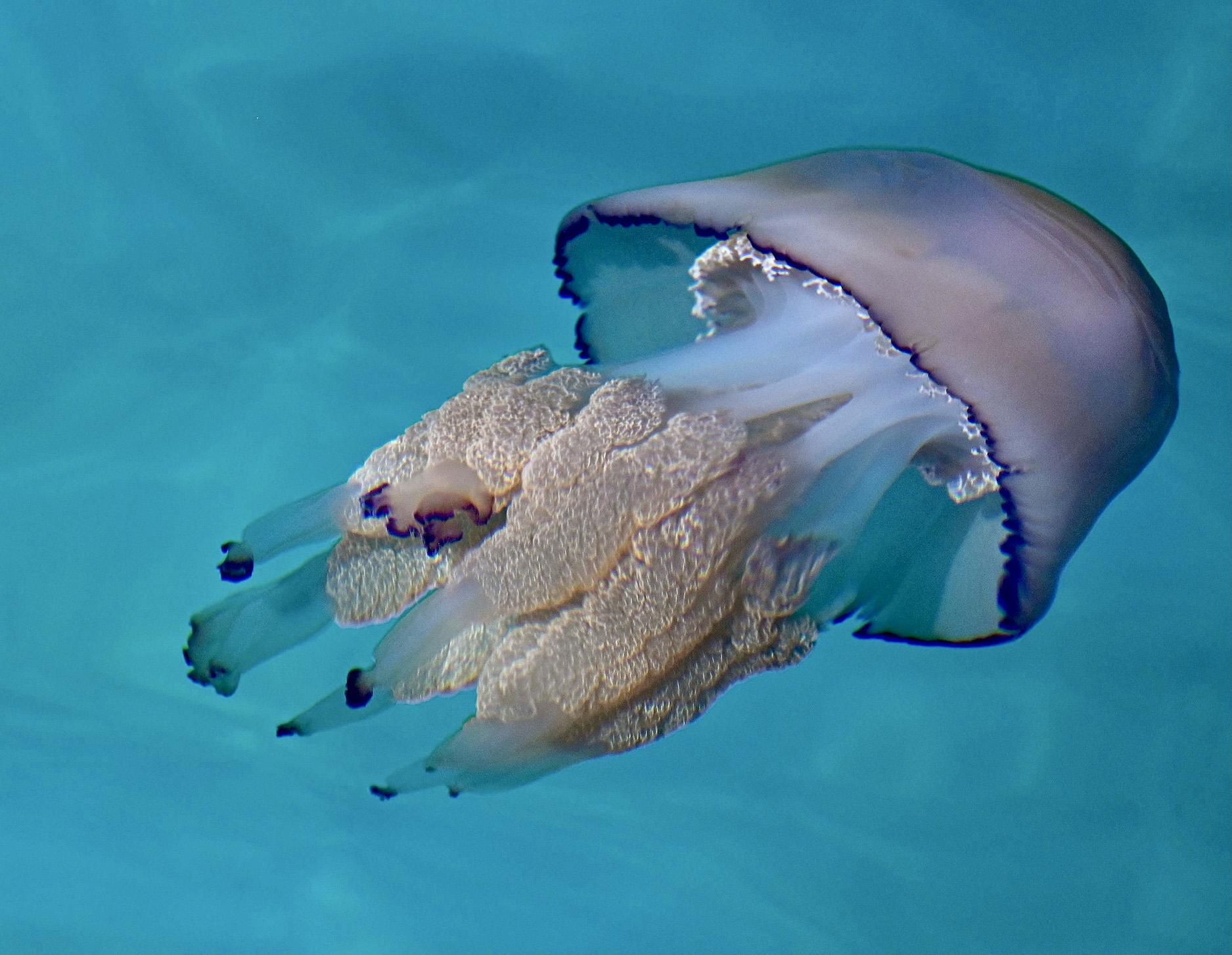
I was more fascinated in searching out the unusual lifeforms. Jellyfish intrigued me. The Fried Egg Jellyfish is being researched for properties to treat cancer patients. I had always loved eating octopus, until I became friendly with these hyper-intelligent creatures living in the Mediterranean. Octopus is no longer on my menu. In Gibraltar, I met the famous “Rock Apes,” macaque monkeys that suffered no fools among the thousands of tourists who visited there. Tease the monkeys with people food, and you are likely to get bitten. In Lanzarote, a volcanic island seemingly without shade, I spent days wandering among the exotic cacti that flourished there.

The basic tenet of nature is adapt or perish. It was a lesson that I would be reminded of during the final passage aboard Flying Fish this year.

Click a photo in the gallery below and scroll for captions and high-resolution images © Jeffrey Cardenas

A Memorable Passage

The year’s final passage aboard Flying Fish was the most memorable.

Ginny again joined me in Gran Canaria for the transatlantic passage to the Caribbean. We fueled and provisioned Flying Fish, and then waited for a perfect weather window to make the 3,000-mile crossing to the Caribbean. I had made this passage before. The Atlantic hurricane season had ended, and the forecast called for a 20-day downwind sleigh ride to Antigua.

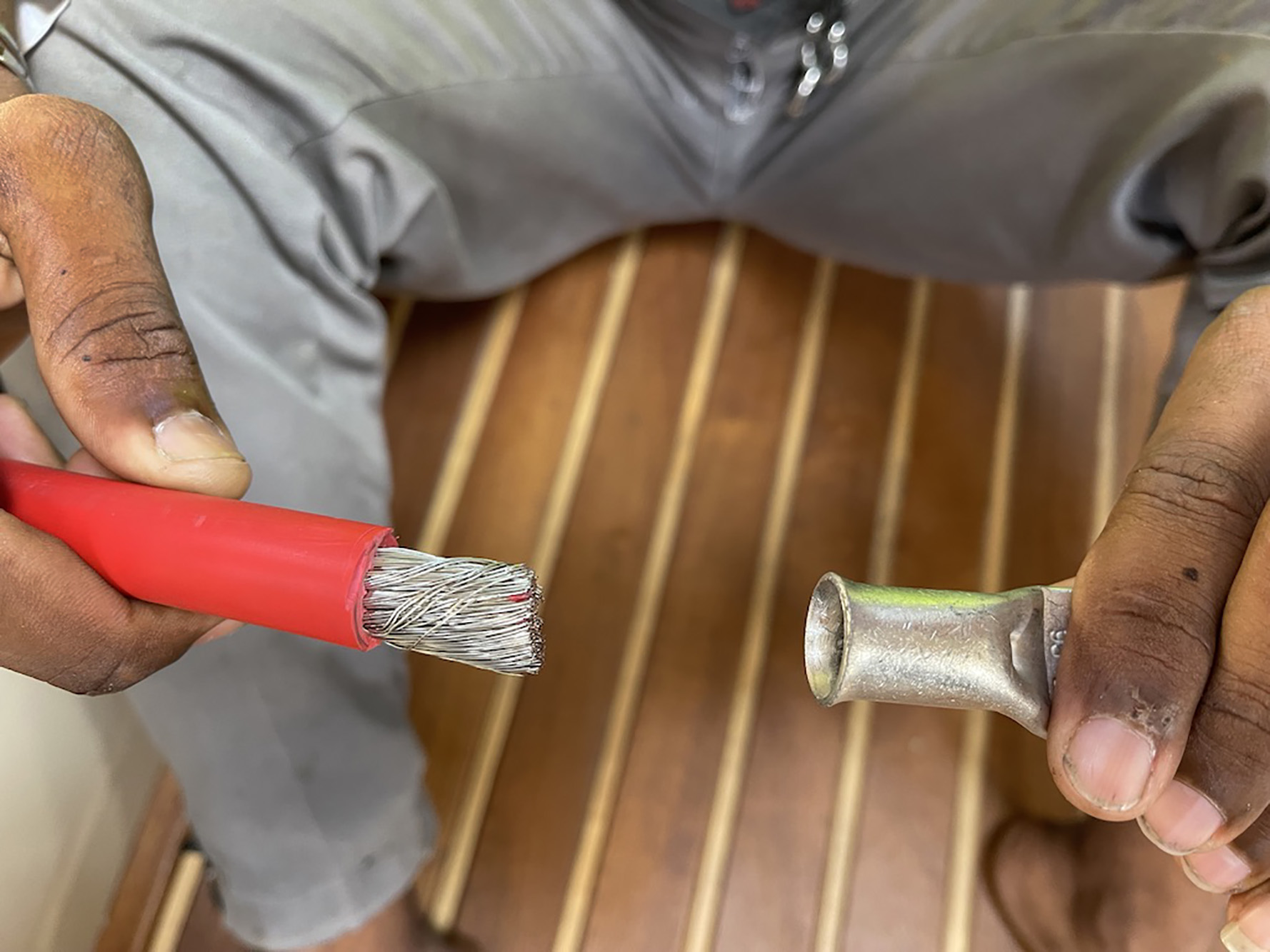
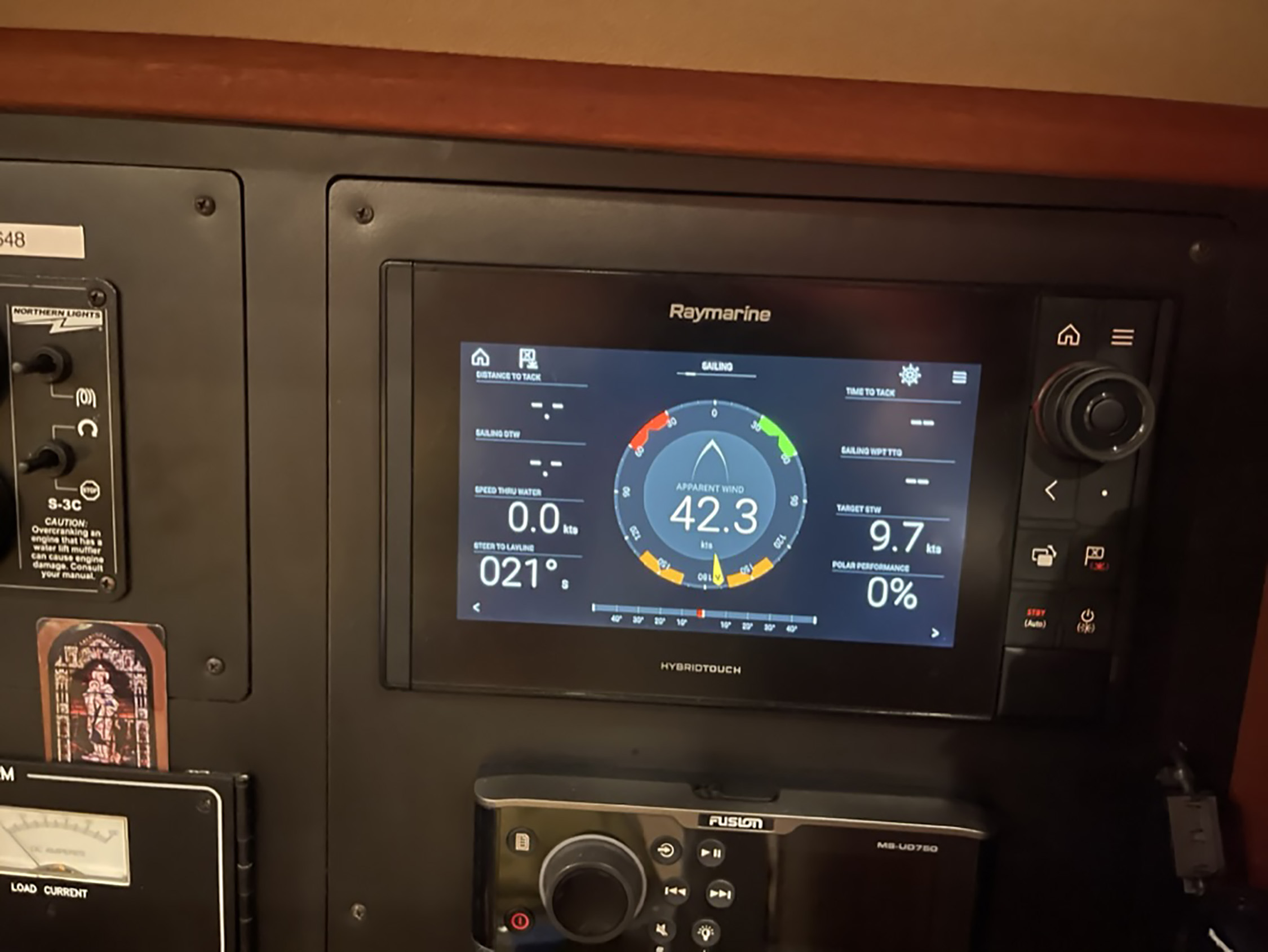
What we thought would be an idyllic sail became challenging in unexpected ways. Early on, the mainsail halyard parted, requiring a jury-rigged topping lift to get the sail back up. The weather intensified beyond its forecast, but the good ship Flying Fish is solid, and it handled 30-knot winds with ease. Suddenly, all DC electrical power quit (the result of an uncrimped battery cable, we found out later.) We were sailing traditionally with no autopilot, no navigation, no engine, no electric pumps, no lights, stove, or toilets. The wind increased to gale force near 40 knots. (A sailboat in the ARC Rally departing Gran Canaria at the same time suffered tragedy; a crew member was killed by a boom strike, another was injured, and the remaining crew member abandoned the boat at sea.) Our situation was not life threatening, but it was complicated to manage.

Rather than hand-steer our 22-ton cutter with no navigation except dead reckoning for the remaining three weeks to the Caribbean, Ginny and I decided instead to divert Flying Fish 500 miles to Cape Verde to sort things out. It was a difficult but correct decision.

Here’s the thing about undertaking and overcoming unexpected challenges at sea; the tough part is temporary, and when it is over the resulting feeling (endorphin rush, or whatever) is exhilarating–unlike anything ever experienced. Despite the hardship and disappointment, this memorable passage left me feeling vital, energetic, and present. It made me want more. Remembering the words of Oscar Wilde, I lived in 2021.

###

Click a photo in the gallery below and scroll for captions and high-resolution images © Jeffrey Cardenas

The 2021 route of Flying Fish from Didim, Turkey to Mindelo, Cape Verde

Flying Fish is being refitted in Cape Verde and will resume its passage toward Key West early in 2022.

As always, Sailing is not just about the wind and the sea; equally important are the places where Flying Fish carries me, and the flora, fauna, and people I encounter along the way.

Please click “Follow” at the bottom of this page so that you don’t miss a new update,- and please consider sharing this post with others who might enjoy following the voyage of Flying Fish. I welcome your commentsand I will always respond when I have an Internet connection. I will never share your personal information.

You can follow the daily progress of Flying Fish, boat speed (or lack thereof), and current weather as I sail into the Atlantic by clicking this satellite uplink: https://forecast.predictwind.com/tracking/display/Flyingfish. A Bonus: Click the “Legends and Blogs” box on the right side of the tracking page for passage notes while I am sailing offshore. 

To see where Flying Fish has sailed since leaving Key West in 2017, click here: https://cruisersat.net/track/Flying%20Fish.

Instagram: FlyingFishSail
Facebook: Jeffrey Cardenas

Text and Photography © Jeffrey Cardenas 2021
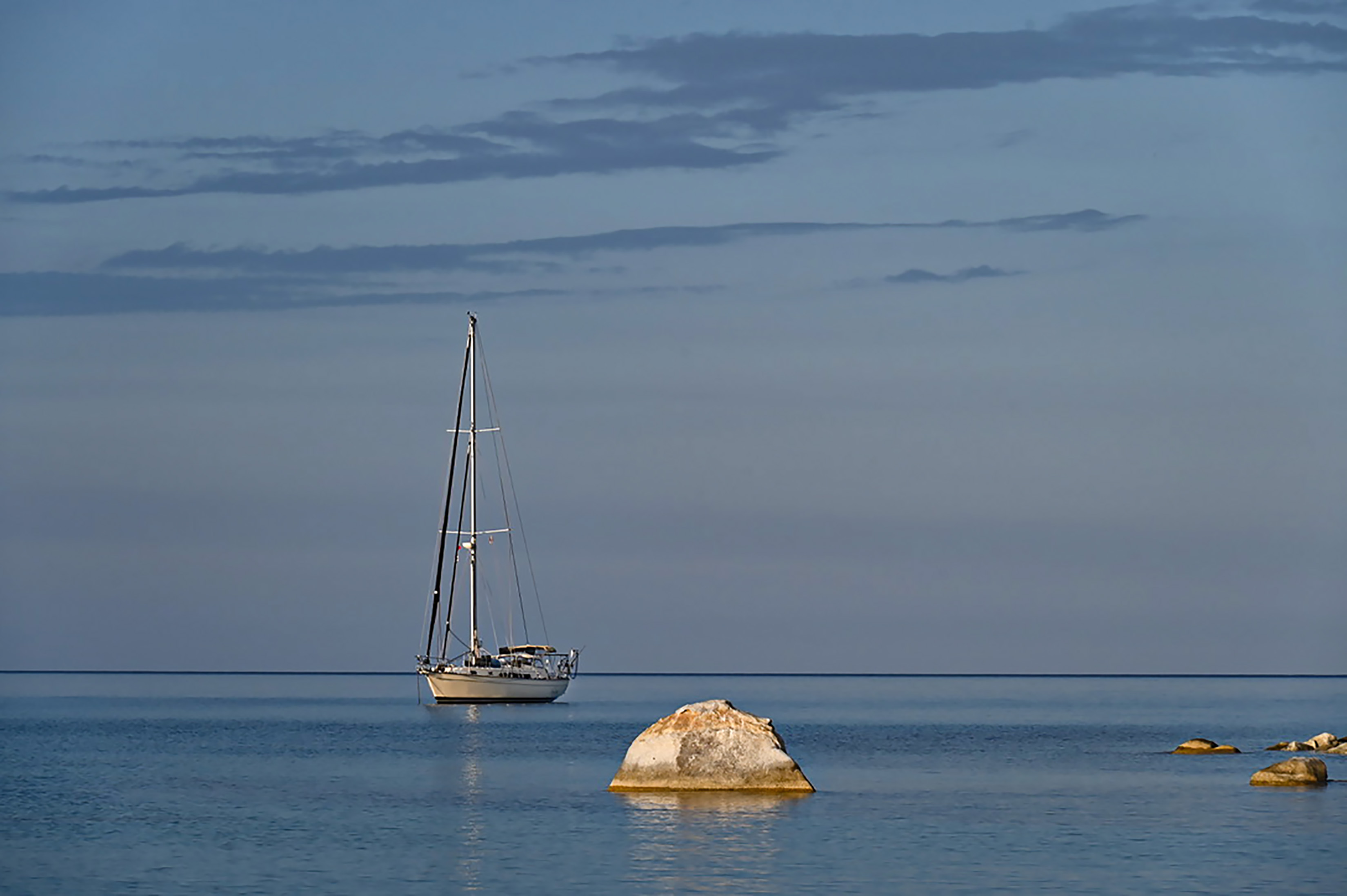
Let this be a time of grace and peace in our lives   – Fr. John Baker

Volcanic Landfall

A new resort is built upon the lava plain of the inactive Caldera Riscada in Lanzarote, Canary Islands. Photograph: © Jeffrey Cardenas

Puerto Calero, Lanzarote, Canary Islands — The first impression of this landfall is at once welcoming and foreboding.

I am thankful for a safe passage, and I am in a secure place. Still, I cannot help but think of the volcanic disaster occurring on the island of La Palma, 200 miles to the west. Today, three weeks into the eruption of the Cumbre Vieja volcano in La Palma, portions of the cone collapsed and blocks of molten lava the size of three-story buildings rolled down the hillside into an industrial park.

I cannot imagine what it must be like to have the land under your feet tremble, and then watch the mountain above your village explode into molten rock.

On Lanzarote, the Las Montañas del Fuego erupted for six years beginning in 1730, and then again in 100 years later, resulting in the Parque Nacional de Timanfaya. From the deck of Flying Fish, I look at the Caldera Riscada looming over my landfall. All is quiet for now, gracias a Dios.

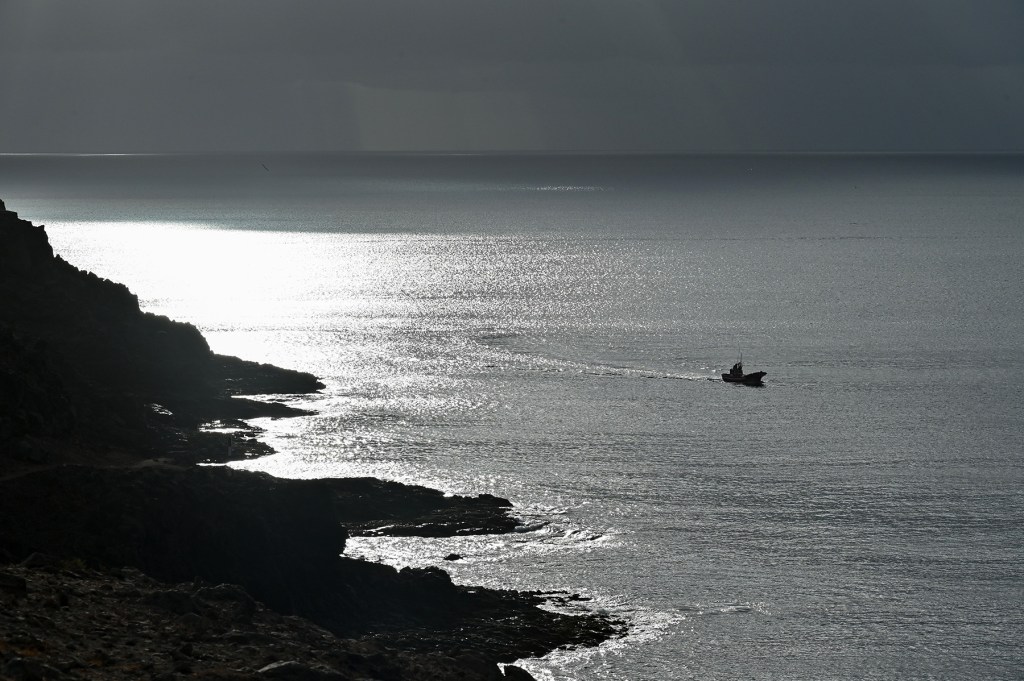
A solitary fisherman navigates his panga in the early morning light along the volcanic coastline of Lanzarote. Photograph: © Jeffrey Cardenas

Sailing is not just about the wind and the sea; equally important are the places where Flying Fish carries me.

Please click “Follow” at the bottom of this page so that you don’t miss a new update, and please consider sharing this post with others who might enjoy following the voyage of Flying Fish. I welcome your comments, and I will always respond when I have an Internet connection. I will never share your personal information.

You can follow the daily progress of Flying Fish, boat speed (or lack thereof), and current weather as I sail into the Atlantic by clicking this satellite uplink: https://forecast.predictwind.com/tracking/display/Flyingfish. A Bonus: Click the “Legends and Blogs” box on the right side of the tracking page for passage notes while I am sailing offshore. 

To see where Flying Fish has sailed since leaving Key West in 2017, click here: https://cruisersat.net/track/Flying%20Fish.

Instagram: FlyingFishSail
Facebook: Jeffrey Cardenas

Text and Photography © Jeffrey Cardenas 2021

Let this be a time of grace and peace in our lives   – Fr. John Baker

¡Vamos! Islas Canarias

Flying Fish charging into open water. The challenge, risk, and pure joy of being underway on another ocean passage. Photograph: © Jeffrey Cardenas

Into the blue again, into the silent water
Once in a Lifetime / David Byrne, Brian Eno

Thousands of sea miles have passed under the keel of Flying Fish since I set sail from Key West nearly four years ago. Still, the expectation of a new ocean passage remains as exhilarating as it was on the first day. The next leg of my journey begins soon, from Gibraltar to the Canary Islands, some 700 nautical miles southwest and five days en route.

There will be challenges; I will be 66 years old in a few months. I don’t move as quickly onboard, and I have lost some mobility and balance. These are ordinary issues associated with aging, but they are extraordinary when put into the context of a solo offshore passage.

There will also be risk; the passage along the West African coast is unforgiving and mostly without shelter. I will be traveling on a dark moon. Small Moroccan fishing boats setting nets must be avoided — as well as other boats emerging from the African coastline that may have more sinister intentions. And, in a bizarre twist of nature, there is an issue with aggressive killer whales intentionally colliding with sailing vessels just outside of the Straits of Gibraltar. Since March of this year, there have been more than 50 verified reports of orcas ramming sailboats. Biologists don’t understand why, but half of these encounters have been serious enough to disable boats and require towing to repair facilities ashore.[1]

Regardless of the risk, the pure and absolute joy of setting out on an open ocean passage cannot be overstated. In a world of rapidly diminishing nature, ocean voyaging allows access to one of the few unaltered places remaining on this planet. It is a world of silence and isolation. There can be long periods with no organic sound, generated light, or evidence of other human beings. The ocean provides a sense of timelessness. This is why I go.

I have been landbound for the past month in Gibraltar, but the time ashore has provided a much-needed health and wellness stop for both boat and captain. The sails went to a sailmaker in Tarifa for re-stitching. The captain went into a gym to address added kilos of body weight accumulated from epicurean excesses while cruising Sardinia, the Balearics, and the Costa del Sol. A Hungarian physical trainer in Gibraltar named Rita worked me back into shape.

The passage to the Canary Islands will be one of the final legs of this COVID-interrupted trip around the world aboard Flying Fish. The pandemic took hold of my itinerary two years ago. Now, I am slowly moving again as I anticipate the end of the Atlantic hurricane season. It is an above-average year for tropical cyclone activity. Rapidly warming sea temperatures are spawning stronger and more frequent storms.[2] Most late-season tropical cyclones form over Western Africa, south of the Canary Islands. I will monitor the weather (and the recent volcanic activity) carefully. My favorite sailing partner, Ginny, will join me on the passage from the Canaries to the Caribbean when the hurricane season ends in December. I hope to return home to Florida with Flying Fish in 2022.

Ironically, it is the return home that causes me the most uncertainty. As I sail toward the end of this journey, I wonder how difficult it will be to reckon with life after Flying Fish. In these four years, I floated in a bubble of unreality, immersed in the rarefied air of freedom and privilege while many others around the world could barely hold their heads above the water. I think of the anthem of entitlement, Once in a Lifetime, by songwriters David Byrne and Brian Eno:

“And you may ask yourself, ‘Well, how did I get here?‘”

While I may not fully understand “how I got here,” I am grateful for this time at sea. At the end of this journey, the transition from water to land will be my choice. There will be new challenges ashore during this time of uncertainty; re-socialization, commitment to faith, family, home, and community, and prioritizing my personal health. For me, a greater risk than any danger at sea would be spending the rest of my days in a chair in front of a TV with a cocktail in one hand and a bag of chips in the other. I will not succumb to that life of mediocrity.

I’m getting ahead of myself… For now, it is time to focus on the immediate passage forward. The boat is ready, and I am ready. The weather to Lanzarote looks good. I have route planning to avoid Moroccan nets, and contingencies in place for potential collision with whales. I will keep a sharp mind and maintain situational awareness. And I must stay onboard.

These are days that will sustain me.


Goodbye Gibraltar. The Rock is dissolving into the fog. Photography: © Jeffrey Cardenas

References:

[1] Iberian Orca, Atlantic Orca Working Group, www.orcaiberica.org

[2] NOAA National Hurricane Center

[3] Once in a Lifetime, David Byrne and Brian Eno, https://youtu.be/5IsSpAOD6K8


Sailing is not just about the wind and the sea; equally important are the places where Flying Fish carries me.

Please click “Follow” at the bottom of this page so that you don’t miss a new update, and please consider sharing this post with others who might enjoy following the voyage of Flying Fish. I welcome your comments, and I will always respond when I have an Internet connection. I will never share your personal information.

You can follow the daily progress of Flying Fish, boat speed (or lack thereof), and current weather as I sail into the Atlantic by clicking this satellite uplink: https://forecast.predictwind.com/tracking/display/Flyingfish. A Bonus: Click the “Legends and Blogs” box on the right side of the tracking page for Passage Notes once I am en route to the Canaries. 

To see where Flying Fish has sailed since leaving Key West in 2017, click here: https://cruisersat.net/track/Flying%20Fish.

Instagram: FlyingFishSail
Facebook: Jeffrey Cardenas

Text and Photography © Jeffrey Cardenas 2021

Let this be a time of grace and peace in our lives   – Fr. John Baker
Flamingos of Las Salinas

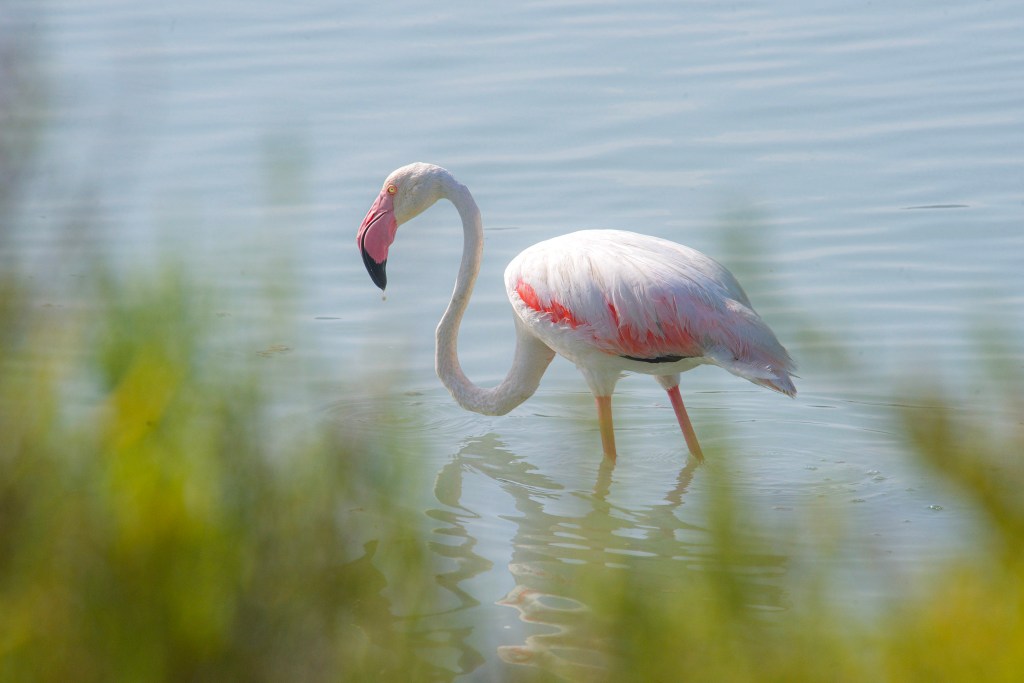
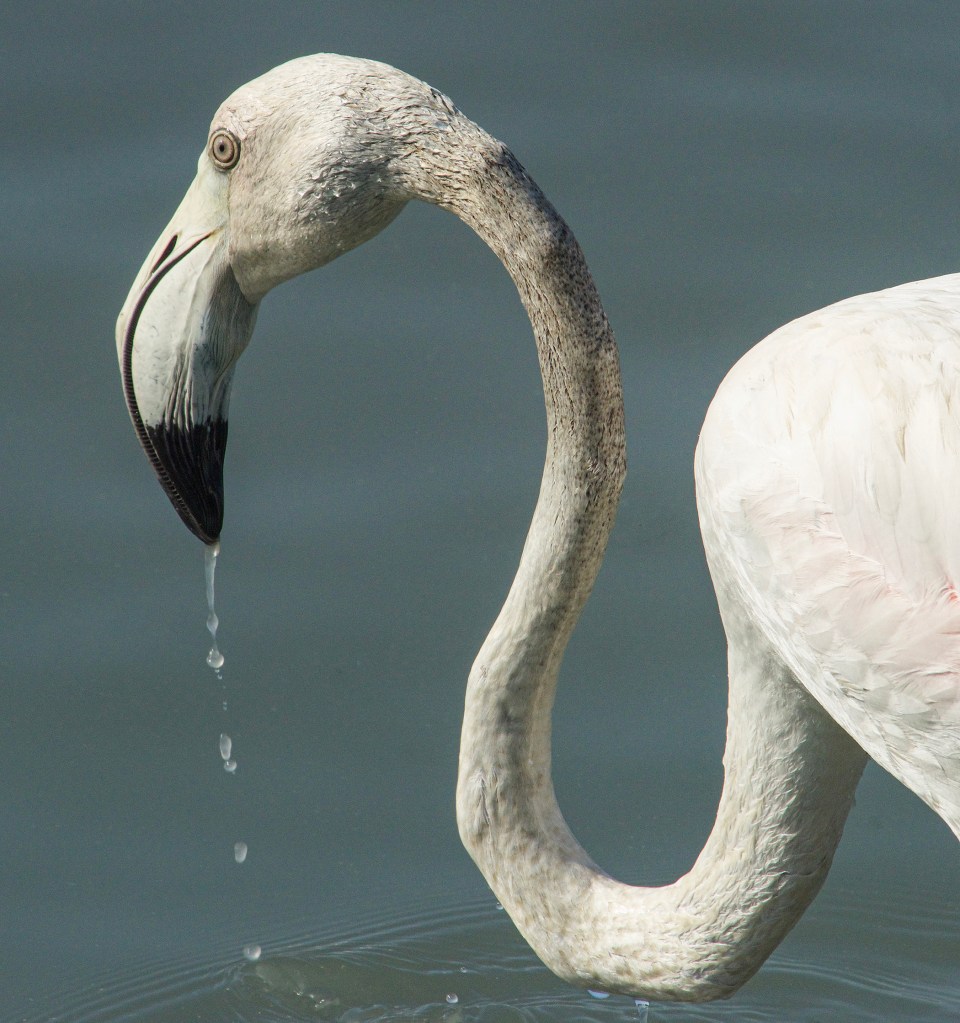
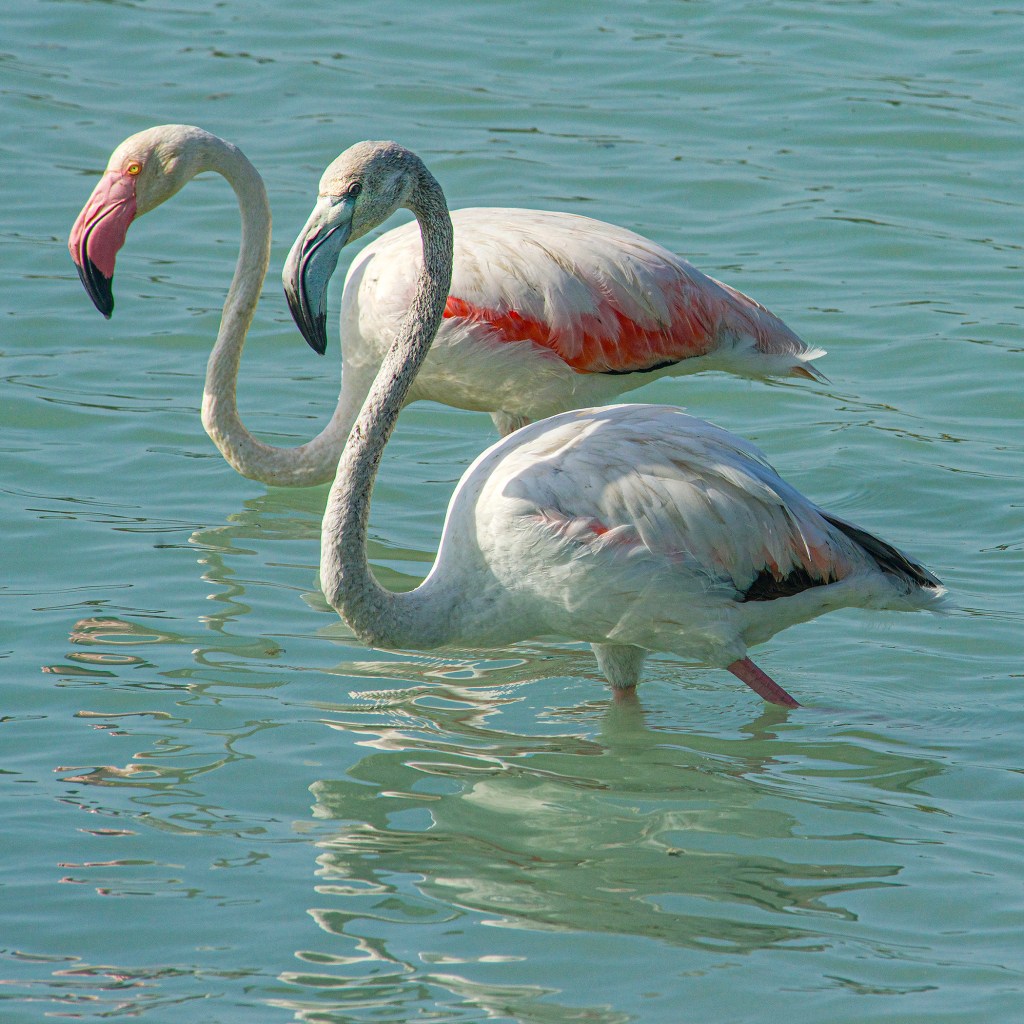
The earth’s Prime Meridian transits the salt flats of Calpe, where Flying Fish lays at rest after a passage from Ibiza. In a sense, this line of longitude is where time begins and ends each day. Time modifies and reorders the natural world: adaptation or extinction. These random thoughts occupy my mind as I share space on the salt flats with one of the world’s most iconic bird species. The greater flamingo has adapted and survived thousands of years of extraordinary change along Spain’s Costa Blanca.

The salt flats of Las Salinas were first utilized during the great Roman era of the 2nd century AD. Now, a busy marina and a European holiday center surround the edges of these ancient alluvial deposits. The greater flamingo continues to thrive here despite the high-rise apartments, Jet Skis, and música electrónica that have changed the shadow and sound of its environment. These flamingos are wild birds. Their wings are not clipped. They are not fenced in or fed. That they choose to return to Las Salinas, in the middle of this urban setting, is a testament to how nature adapts.

The salt flats and the city of Calpe are at the base of the massive rock Peñón de Ifach, a 1,000-foot massif of limestone rising from the Mediterranean Sea. Ifach is an important homing beacon for birds. Some 173 species, both nesting and migrating, have been recorded here, including black-winged stilts, avocets, the black wheatear, and the white wagtail. There is some ornithological tourism in Calpe, but most tourists come instead for a different variety of wagtail, and to get sunburned and drink sangria.

Tourists sharing Calpe with the birds date back at least two millennia. Across the sandbar delineating the salt flats and the edge of the sea, archeologists excavated the “Baños de la Reina.” Ancient Roman engineers designed a thermal complex including pools of different temperatures, a sophisticated heating system, and a piscinae for sunken gardens and the farming of live fish. But for whom this ultimate vacation villa was constructed is still unknown. Archeologists know that hidden tunnels allowed private access to the Baths of the Queen, but they do not know who the queen was. Whoever merited this elaborate architecture of marble and mosaics was most certainly “a person with a high purchasing power.”[1] Marcus Aurelius is famously quoted saying, “Accept the things to which fate binds you, and love the people with whom fate brings you together, but do so with all your heart.” Perhaps Marcus Aurelius kept a mistress at the salt flats of Calpe.

The history that has shaped the landscape of Las Salinas has also helped maintain its natural habit and biodiversity. Salt was a necessity for fish preservation, which Calpe used to market its catch. Eventually, salt from these lagoons supplied fishing industries in over 40 Spanish municipalities. At the end of the 18th century, Salt production declined when Las Salinas was thought to harbor yellow fever. In 1993, Spain declared Las Salinas a protected maritime-terrestrial zone.

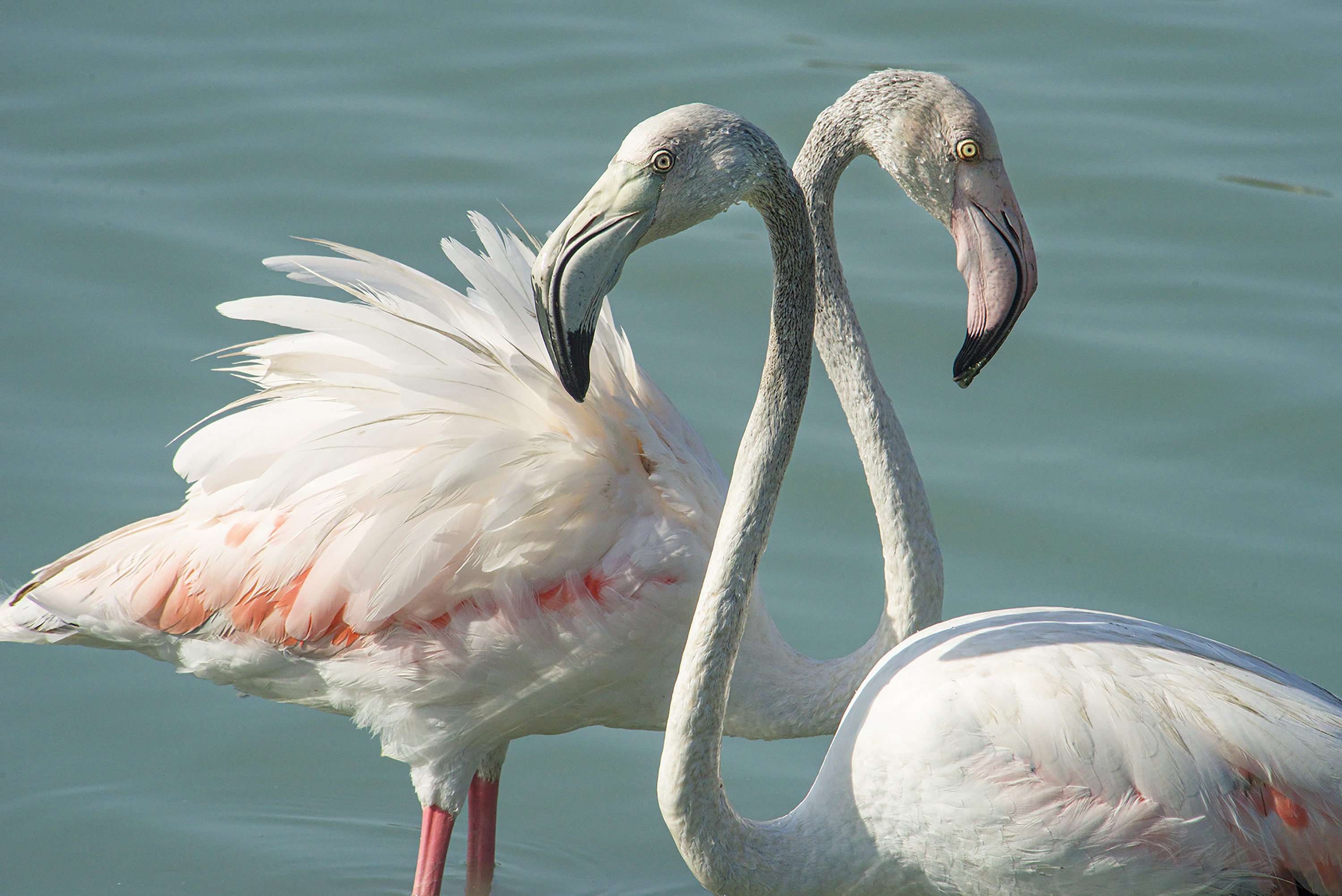
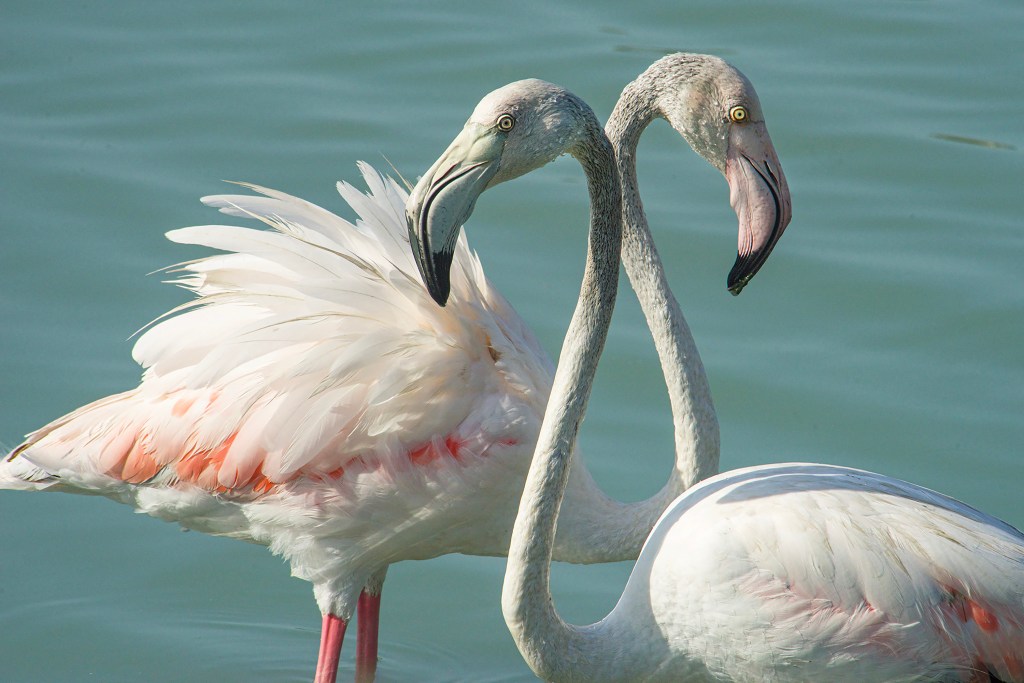
While many species make up the Las Salinas habitat, the population of flamingos generates the most attention. The coloration of all flamingos comes from the carotenoid pigments in the organisms that live in their feeding grounds. The greater flamingo, one of four distinct species, is less flashy than some of its genetic relatives like the hot-pink American flamingo. That doesn’t prevent them from wanting to look good. Secretions of their uropygial “preening” gland contain carotenoids–red pigments. During the breeding season, greater flamingos preen to spread these uropygial secretions over their feathers, enhancing their color. Ornithologists have described this cosmetic use of uropygial secretions by greater flamingos as “applying make-up.”[2]

The greater flamingo is an enthusiastic eater. It feeds with its head down; its upper jaw is movable and not rigidly fixed to its skull.[3] Using its feet, the bird stirs up mud, then sucks the slurry through its bill to filter small shrimp, seeds, blue-green algae, microscopic organisms, and mollusks. It is a healthy diet. Wild greater flamingos have an average lifespan of 30 – 40 years. The oldest known greater flamingo, named Greater, (duh) lived in an Adelaide, Australia zoo for between 85-93 years.[4] The bird’s exact age is unknown; he was already a mature adult when he arrived in Adelaide in 1933. Greater was euthanized in January 2014 due to “complications of old age.”

It is zero hundred hours, at zero degrees longitude. A full moon has risen in direct alignment with Jupiter and Saturn. Flying Fish is secure nearby at her mooring. Somewhere in the ruins of a partially submerged palace, the legacy of an unknown queen waits to be discovered. And on the salt flats of Las Salinas, flamingos secrete pigment over their feathers. Some days I, too, feel the complications of aging, but I’m not ready to be euthanized yet. There is still so much to see and so much to know.

###


References:

[1] “The Baths of the Queen, a Roman Palace,” The World (2012)

2] “Greater flamingos Phoenicopterus roseus use uropygial secretions as make-up,” . Behavioral Ecology and Sociobiology, J.A., Rendón, J Garrido-Fernández, A Garrido, M, Rendón-Martos, and A Pérez-Gálvez. (2011).

[3] Flamingo, Wikipedia

[4] “Flamingos at Adelaide Zoo,”  Vaughan Wilson; at Conservation Ark / Zoos South Australia 2008

Ornithologists have described the cosmetic use of secretions on the feathers of greater flamingos as “applying make-up.” Photograph: © Jeffrey Cardenas

Sailing is not just about the wind and the sea; equally important are the places to which Flying Fish carries me.

Please click Follow at the bottom of this page so that you don’t miss a new update, and please consider sharing this post with others who might enjoy following the voyage of Flying Fish. I welcome your comments. I will always respond to your comment when I have an Internet connection. And I will never share your personal information.

You can follow the daily progress of Flying Fish, boat speed (or lack thereof), and current weather as I sail into the Mediterranean by clicking this satellite uplink: https://forecast.predictwind.com/tracking/display/FlyingfishClick the “Legends and Blogs” box on the right side of the tracking page for en route Passage Notes. 

To see where Flying Fish has sailed since leaving Key West in 2017, click here: https://cruisersat.net/track/Flying%20Fish.

Instagram: FlyingFishSail
Facebook: Jeffrey Cardenas

Text and Photography © Jeffrey Cardenas 2021

Let this be a time of grace and peace in our lives   –Fr. John Baker

Posidonia

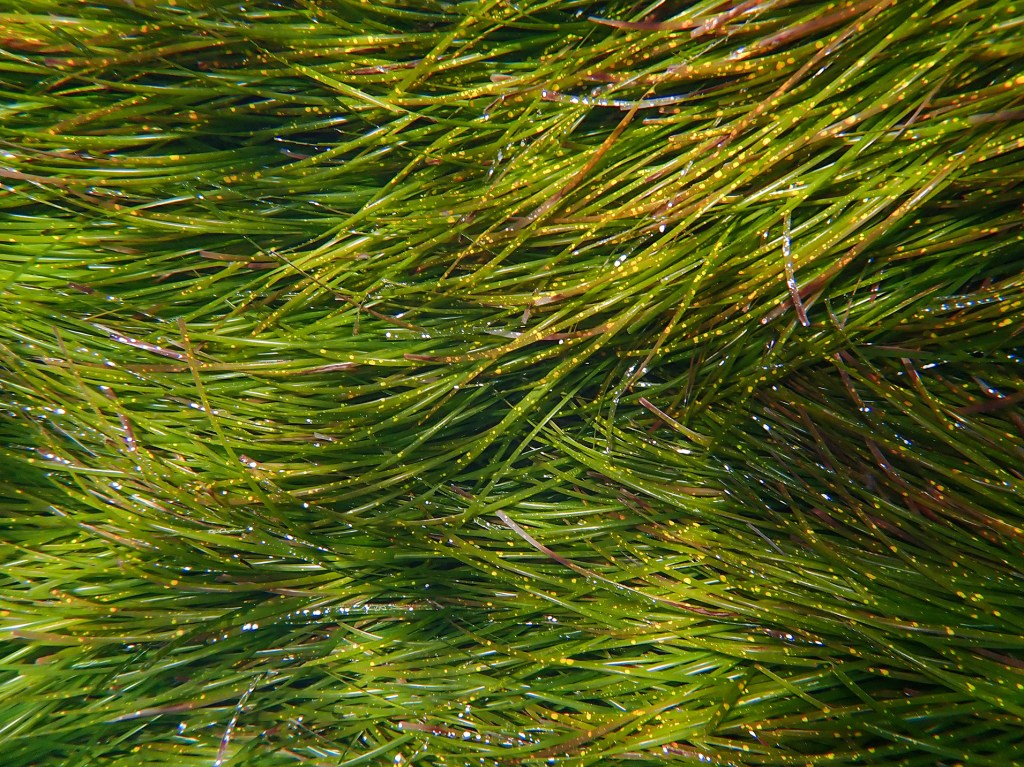
The lush carpet of a Posidonia prairie in Spain’s Balearic Islands. Photograph: Jeffrey Cardenas

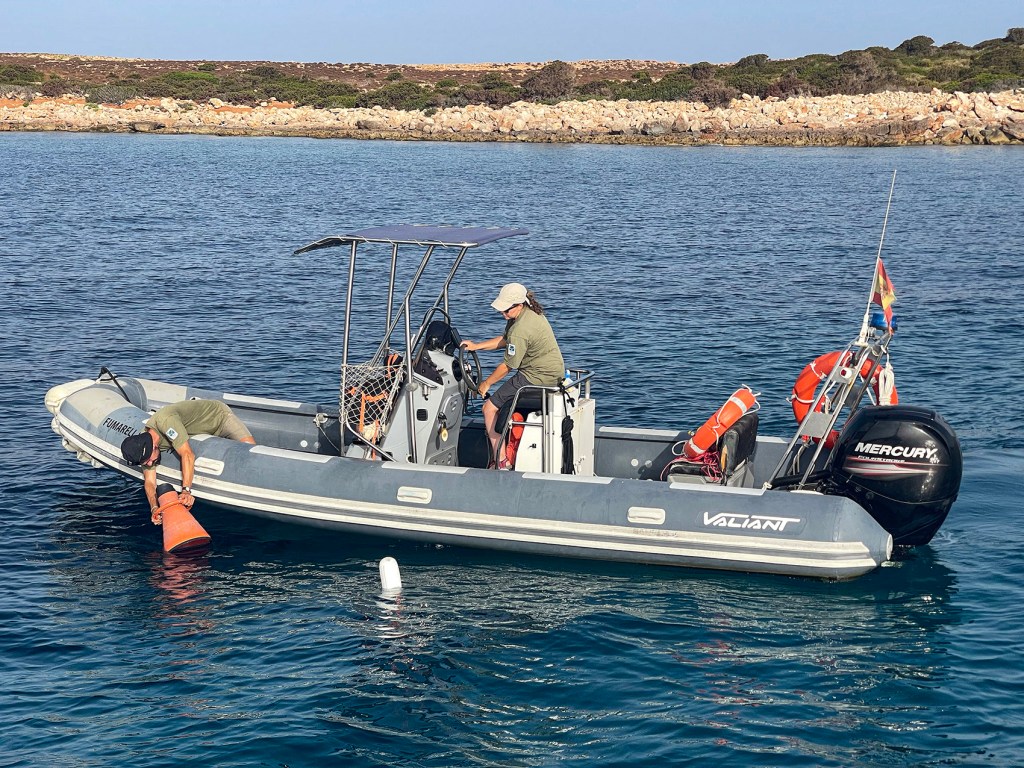
The Spanish Posidonia Police came calling on Flying Fish today. I was happy to see them.

Posidonia is a seagrass species that is endemic to the Mediterranean Sea. Like the turtlegrass of the subtropic Americas and the Caribbean, Posidonia forms large underwater meadows vital to the ecosystem. The aquatic grass has a high carbon absorption capacity. It is said to soak up 15 times more carbon dioxide every year than a similar-sized piece of the Amazon rainforest.1 In 2006, a vast colony of Posidonia was discovered south of Ibiza and is estimated at around 100,000 years old. It may be one of the largest and oldest clonal colonies on Earth.2

Posidonia grows best in clean waters, and its presence is a marker for lack of pollution. It is found only in the Mediterranean Sea, where it is in decline. The UNESCO world heritage site around the Balearic Islands includes about 140,000 acres of Posidonia, which has global significance because of the amount of carbon dioxide it absorbs. The meadows are being threatened by rising temperatures, slowing its growth, as well as damage from anchors.3 The Posidonia meadows of Ibiza are fiercely protected. Drop an anchor on Posidonia, and you are breaking the law.

This is why it astonished me when I watched the superyacht Chuck Taylor drop its anchor in a bed of Posidonia at an anchorage on Mallorca that we were sharing. (I don’t know that it was the shoe guy Chuck Taylor; who would name a boat after themselves?) Nonetheless, I wish the Posidonia Police had been in the bay that day. When Chuck Taylor departed, an entire square yard of the living colony was impaled on the tines of its anchor. 

Granted, anchoring in the Balearic Islands in July and August–especially during this post-lockdown year–is a challenge. Nowhere in the world have I seen so many boats, and so many inconsiderate boat operators, as I have here during the past two months. Because anchorage space is limited, boats battle for every square foot of sea bottom available without Posidonia. Many boats anchor regardless of the protected areas. Bays are so tightly packed that adequate anchor scope for holding is frequently compromised. Two nights ago, at 03:00, katabatic winds ripped through my anchorage at Benirràs, Ibiza, and tore the fleet apart. One sailboat dragging an anchor collided with two other sailboats, pulling their anchors from the bottom and sending them adrift. A boat ended up against a ragged rock wall. Two large powerboats also dragged and collided in the wind. In the darkness, shouts and curses in foreign languages echoed across the anchorage. Flying Fish somehow escaped the carnage, but the Posidonia meadow at Benirràs was most certainly plowed into oblivion by the dragging anchors.

The Posidonia Police encounter a repeat offender in the Illa Sa Conillera marine park who insisted that it was his “right” to drop an anchor anywhere he wanted. Photograph: © Jeffrey Cardenas

The Posidonia meadows are carefully identified on every chart. This morning over coffee, in the lovely anchorage of the Illa Sa Conillera marine park, I was startled by a heated argument coming from two boats. The Posidonia Police had arrived and warned a visiting sailboat owner (for the second time) that he anchored on the protected grass. His anchor was crushing the habitat of plants, fish, and juvenile crustaceans. The sailboat captain maintained it was his “right” to anchor where he wanted. The park ranger explained otherwise. The argument increased in volume and acrimony, and continued for 30 minutes. Then the guilty sailor pointed at me. I was anchored nearby.

The Posidonia Police motored up to Flying Fish with an underwater viewing scope. I passed the inspection; my anchor was embedded in a pocket of sand, where I had carefully placed it when I arrived.

“May I take your photograph,” I asked?

“¿Por qué?” was the reply.

“Because,” I said, “I think what you are doing is important.”

###

Park rangers inspect the placement of the anchor of Flying Fish at Illa Sa Conillera, Ibiza. Photograph: © Jeffrey Cardenas

References:

  1. Ibiza’s Monster Marine Plant, Ibiza Spotlight, 28 May 2006
  2. Oldest living thing on earth’ discovered, Jonathan Pearlman, The Telegraph. 7 February 2012
  3. Posidonia oceanica, Wikipedia

Sailing is not just about the wind and the sea; equally important are the places to which this boat takes me.

Please click Follow at the bottom of this page so that you don’t miss a new update, and please consider sharing this post with others who might enjoy following the voyage of Flying Fish. I welcome your comments. I will always respond to your comment when I have an Internet connection. And I will never share your personal information.

You can follow the daily progress of Flying Fish, boat speed (or lack thereof), and current weather as I sail into the Mediterranean by clicking this satellite uplink: https://forecast.predictwind.com/tracking/display/FlyingfishClick the “Legends and Blogs” box on the right side of the tracking page for en route Passage Notes. 

To see where Flying Fish has sailed since leaving Key West in 2017, click here: https://cruisersat.net/track/Flying%20Fish.

Instagram: FlyingFishSail
Facebook: Jeffrey Cardenas

Text and Photography © Jeffrey Cardenas 2021

Let this be a time of grace and peace in our lives   –Fr. John Baker