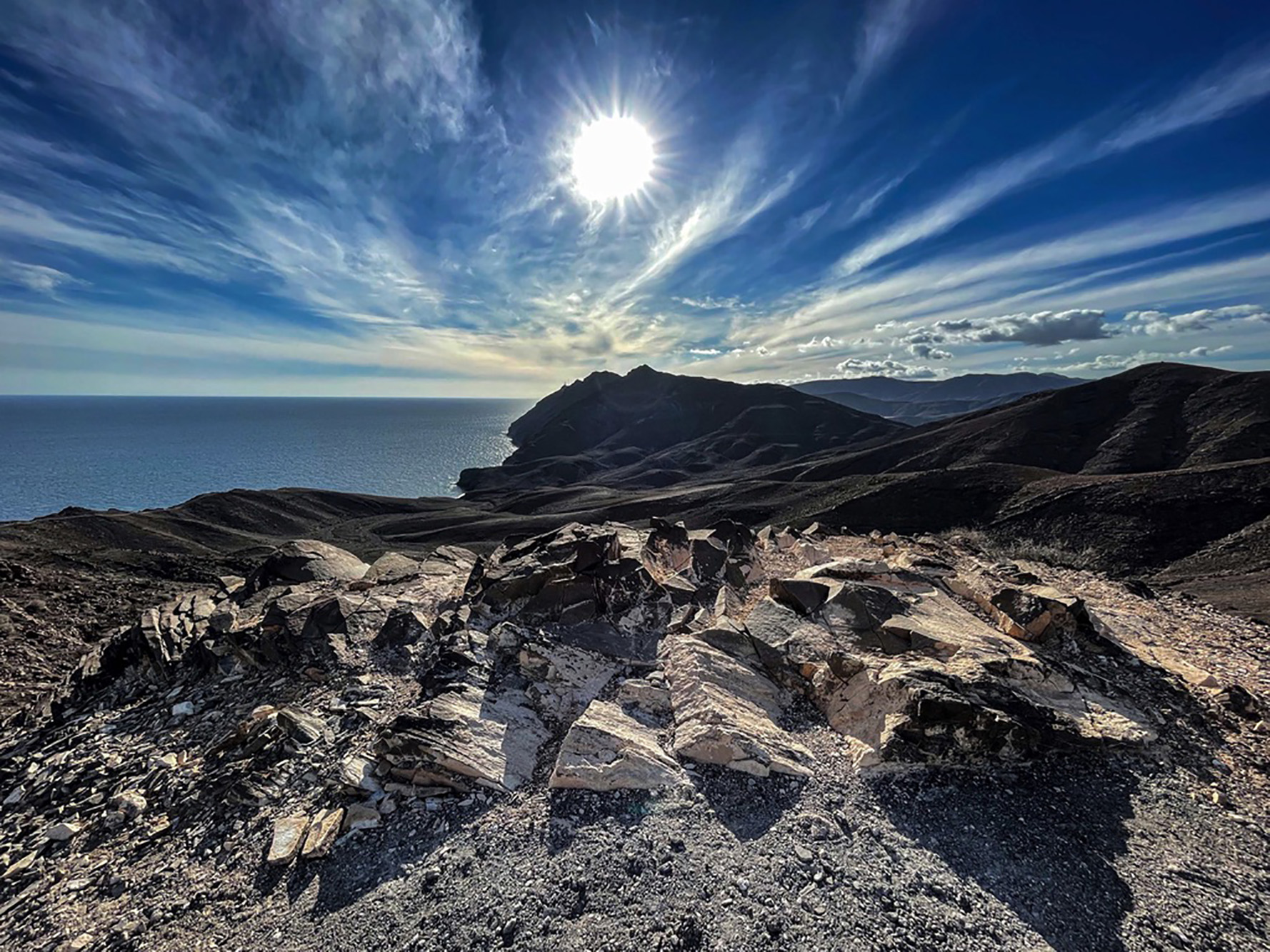
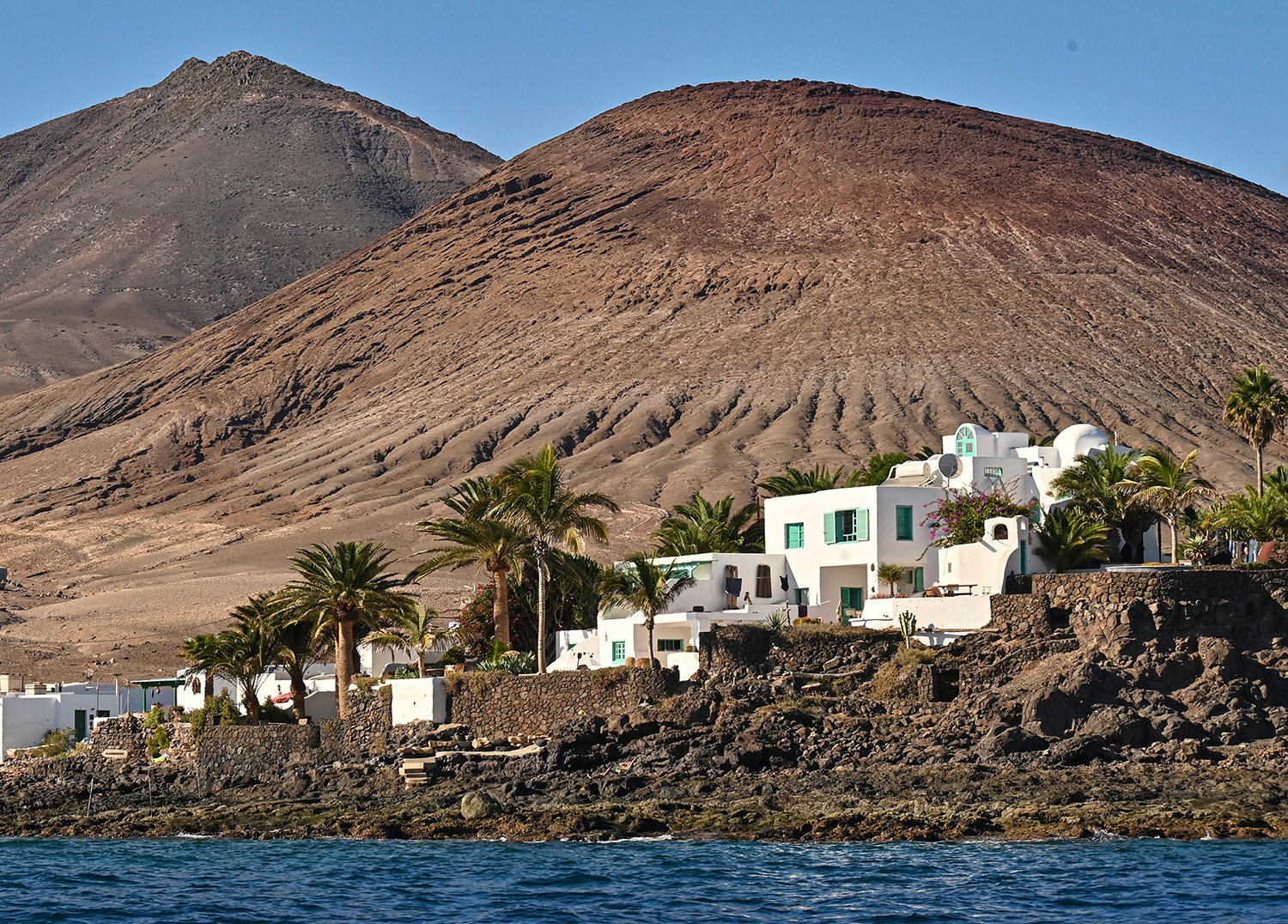
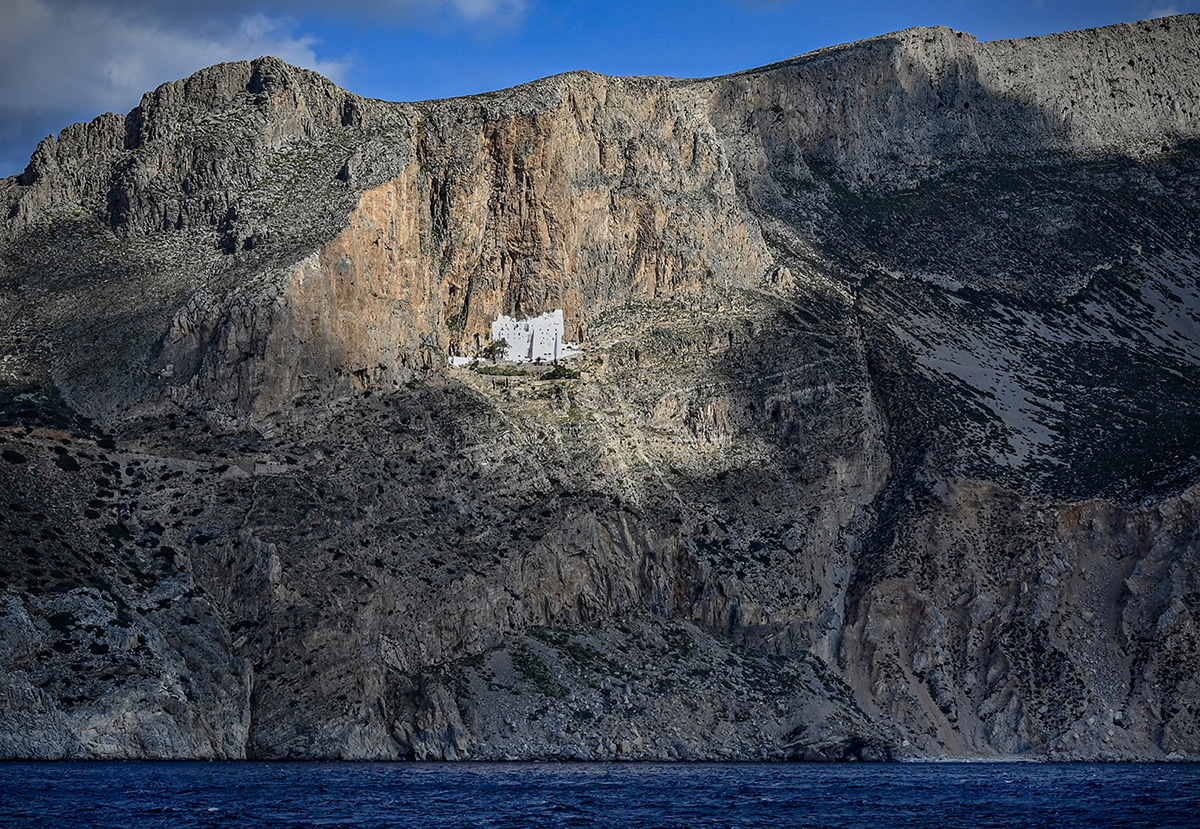
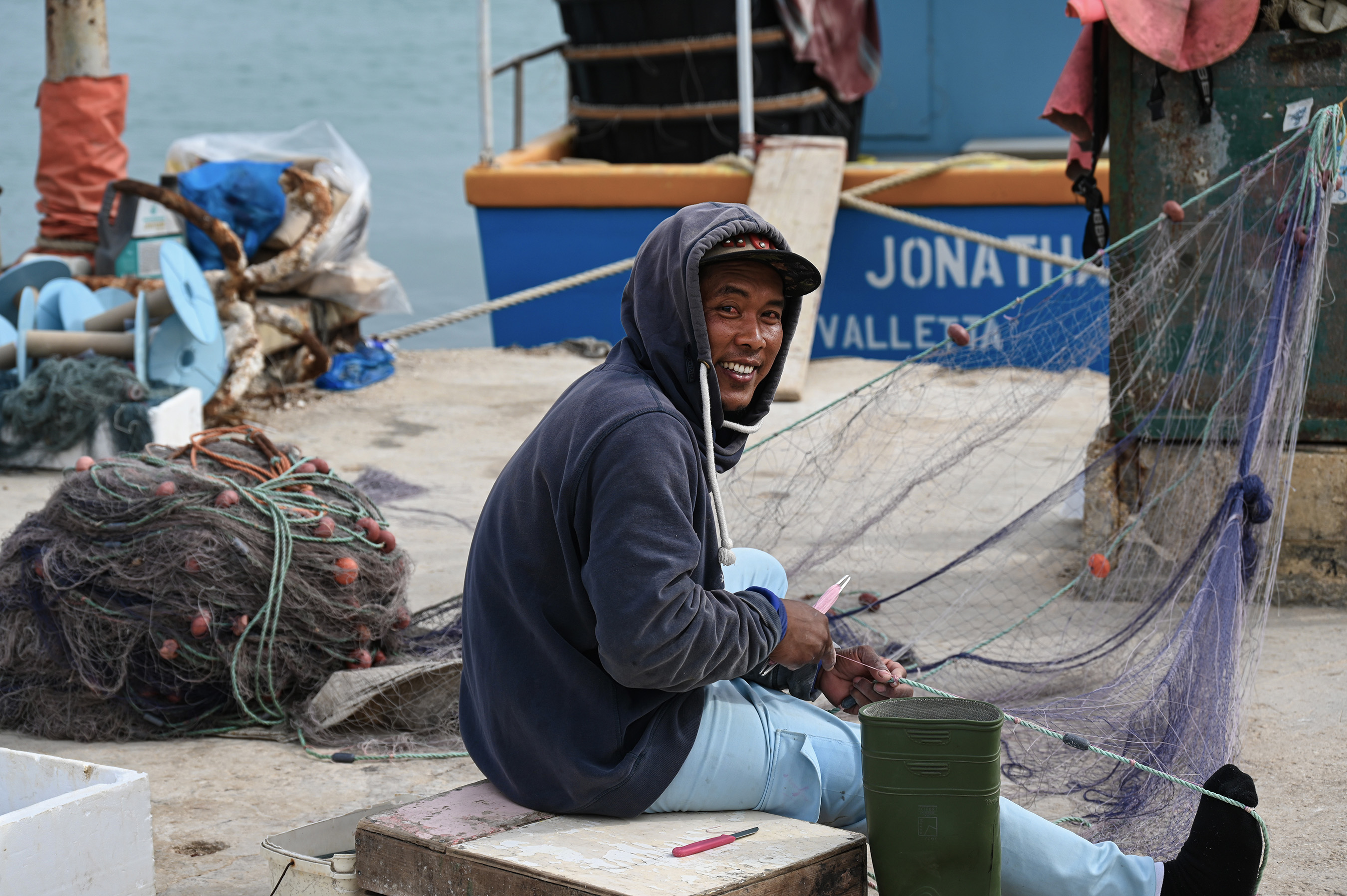
2021 Year in Review: Flying Fish Images

Eastern Mediterranean to The Cape Verde Islands

“To live is the rarest thing in the world…” -Oscar Wilde

Life aboard Flying Fish in 2021 featured a year of obstacles, astonishment, and kindness.

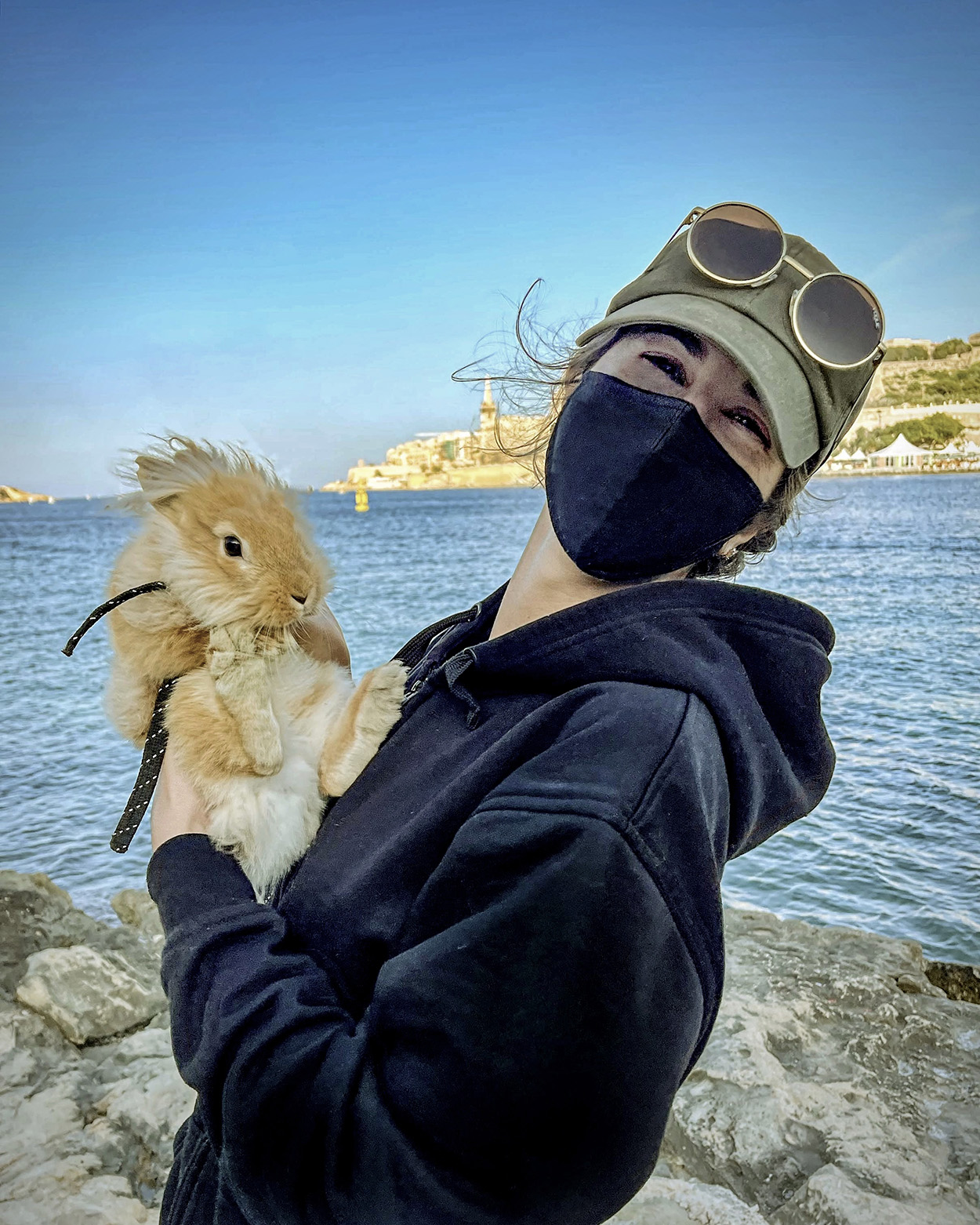
COVID still raged worldwide, but vaccines kept many people from dying. Generous souls in Malta found a way for me to receive a vaccination from one of the country’s thousands of unused doses, despite a bureaucratic edict prohibiting foreigners from receiving the jab.

As climate change accelerated, storms became more potent. Sahara Desert winds filled the sky with sand. Voyaging sailors banded together, helping one another with repairs and brainstorming solutions for staying safe in the changing conditions at sea.

On shore, despite another year of pandemic and political uncertainty, many people found solace in nature and creativity. On the salon bulkhead of Flying Fish, I kept a crayon drawing by Charlie Vialle, a spirited six-year-old French girl who was sailing the world with her parents. The drawing is of Flying Fish skipping across waves under a bright sun in the company of birds and porpoises. Charlie said, “Flying Fish is a good boat.”


Mid-Winter Departure

Mid-Winter sailing in the Mediterranean is for the (snow) birds

The 2021 sailing itinerary for Flying Fish was ambitious: I would depart the Turkish coastline in the eastern Mediterranean and sail to America. This was the beginning of my fourth year en route around the world, and it was time to think about closing the circle. To accomplish this, I would have to get started early.

The Eastern Mediterranean in January is cold. Temperatures dropped below freezing. On the first leg of the journey from Turkey to Malta, I encountered sleet onboard for the first time in my tropical life. I didn’t like it.

Shipping traffic in the Mediterranean backed up because the massive container ship Ever Given was stuck sideways in the Suez Canal, blocking the passage of 369 ships and causing billions of dollars of world supply chain delays that continue to affect global trade. Flying Fish dodged the traffic and bypassed the lovely Greek Islands, which remained closed to tourism because of COVID.

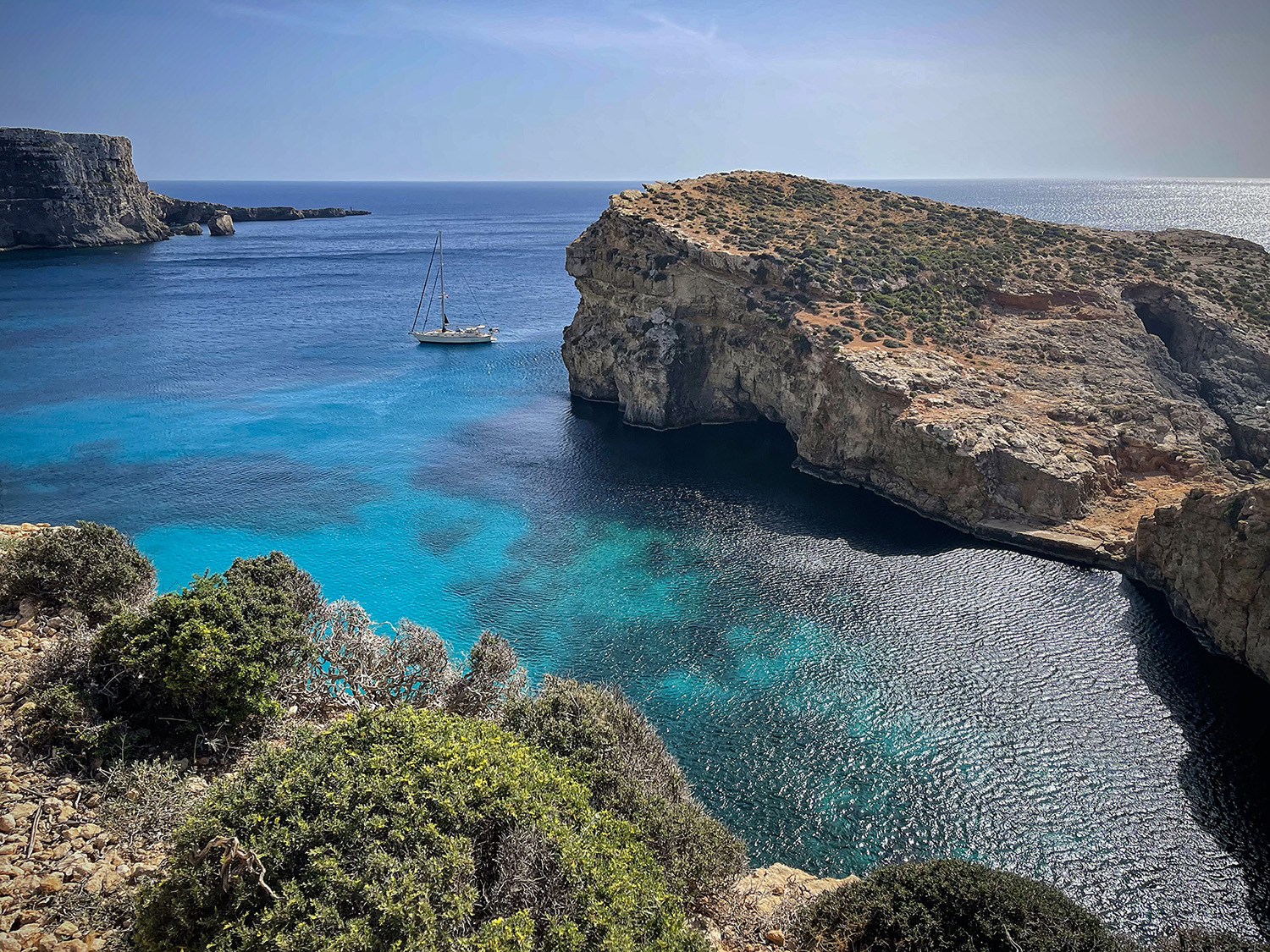
After 750 miles, Malta was a welcome landfall, but a series of storms known as gregales reminded me that it was still mid-winter in the Mediterranean.

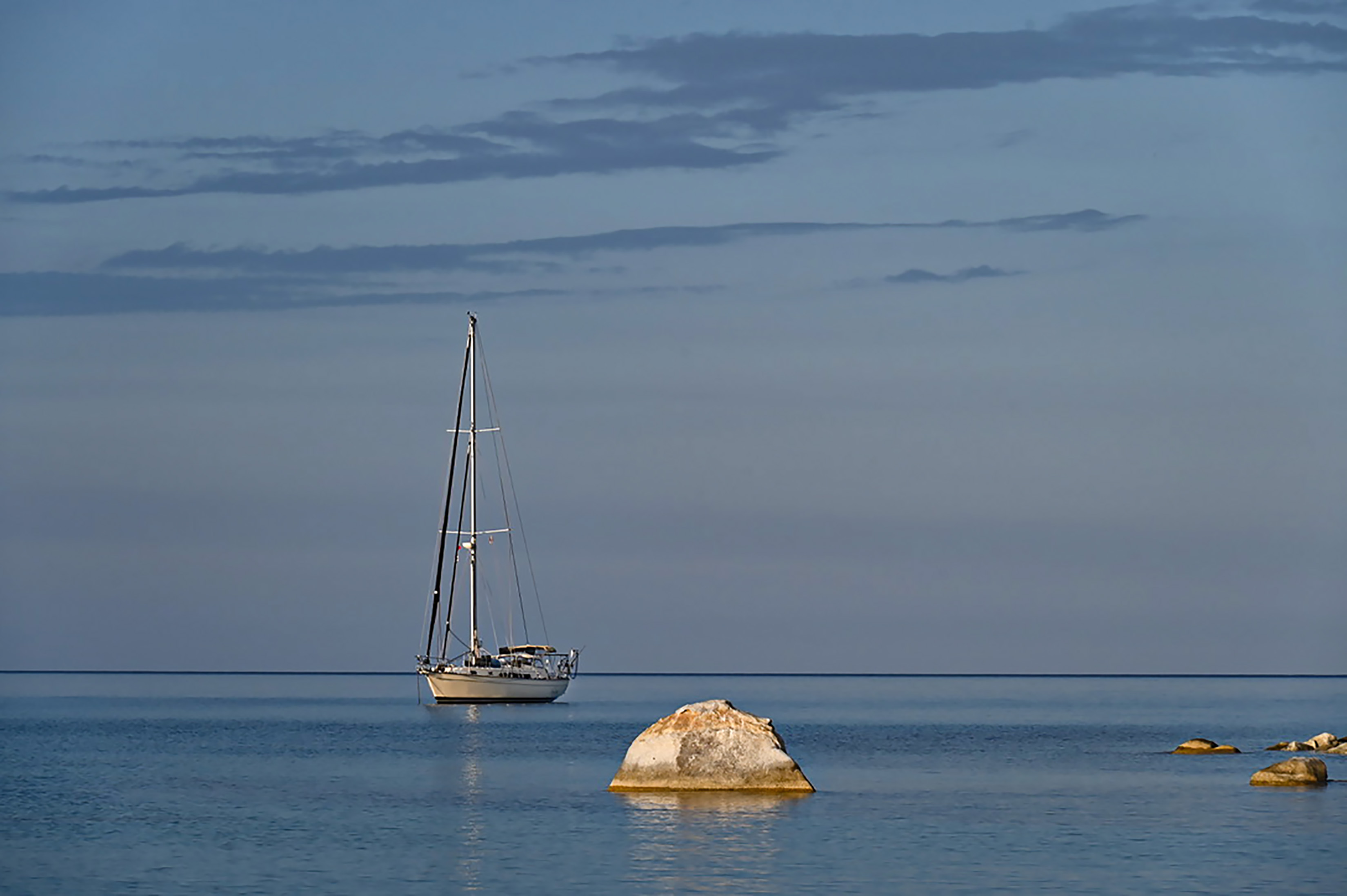
Click a photo in the gallery below and scroll for captions and high-resolution images © Jeffrey Cardenas


Places of Wonder

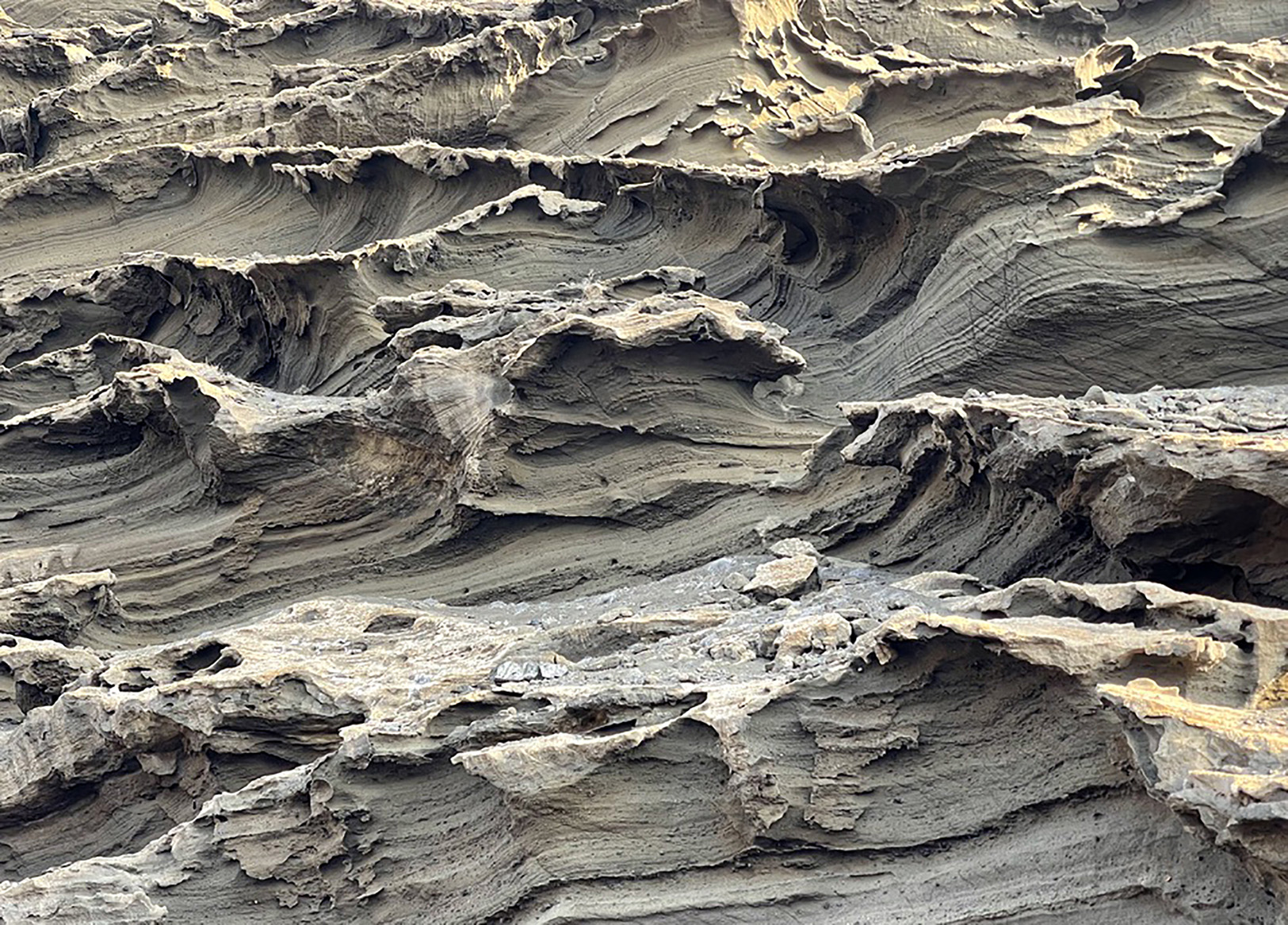
The engineering feat of Porto Flavia, Sardinia, cut into the sheer rock, made it unique at the time of its construction in 1923

I was continually in a state of wonder at the history surrounding this leg of the passage around the world.

I sailed in the wakes of the ancient Egyptians, Julius Cesar, and Admiral Horatio Nelson. In the Middle Sea, the Hellenic ruins of the Eastern Mediterranean were gradually replaced by surviving relics of the Renaissance and the ascension of Europe. At Malta, 2021 Easter services in the stunning St John’s Cathedral were cancelled because of the pandemic, but a generous security guard opened a side door, allowing me a glimpse of the cathedral’s Baroque grandeur.

I continued to Sardinia from Malta, and welcomed my sailing mate Ginny Stones aboard Flying Fish. We savored the food and wine and the rugged anchorages from Cagliari to the Gulf of Orosei. Ginny’s visit was brief, and after a month, I sailed onward to the Balearic Islands, mainland Spain, Gibraltar, and finally to the Atlantic Ocean islands of the Canaries and Cape Verde.

Click a photo in the gallery below and scroll for captions and high-resolution images © Jeffrey Cardenas


Joyful People

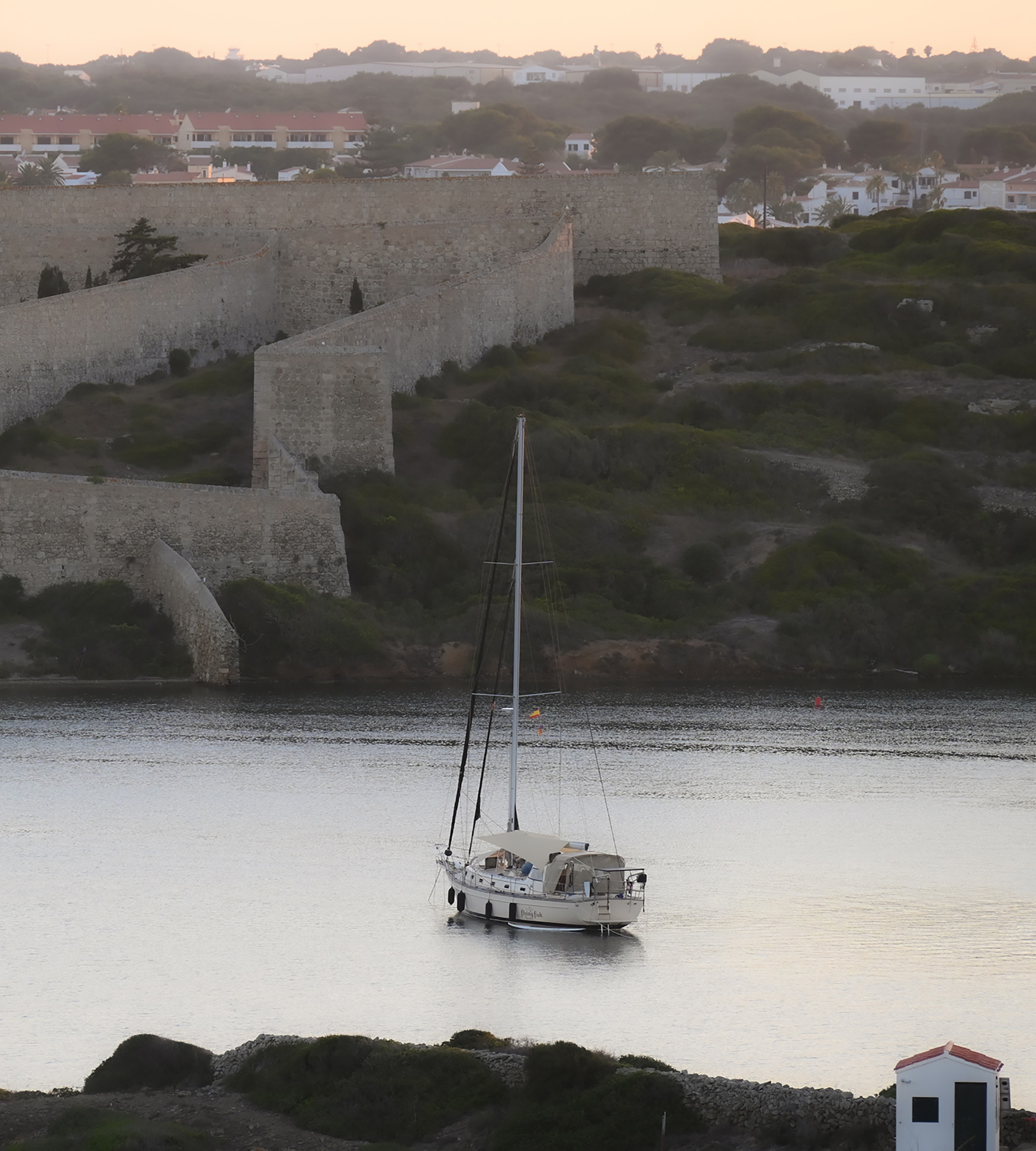
Charlie Vialle, age 6, takes the helm of Flying Fish at Cala Teulera in Menora

From Turkey to the Strait of Gibraltar, the people of the Mediterranean welcomed me as I journeyed into their towns and villages aboard Flying Fish. Despite my vaccination, I still needed COVID tests at every landfall. None was more enjoyable than in Sardinia, where a lovely Italian doctor came aboard Flying Fish and stuck a swab up my nose.

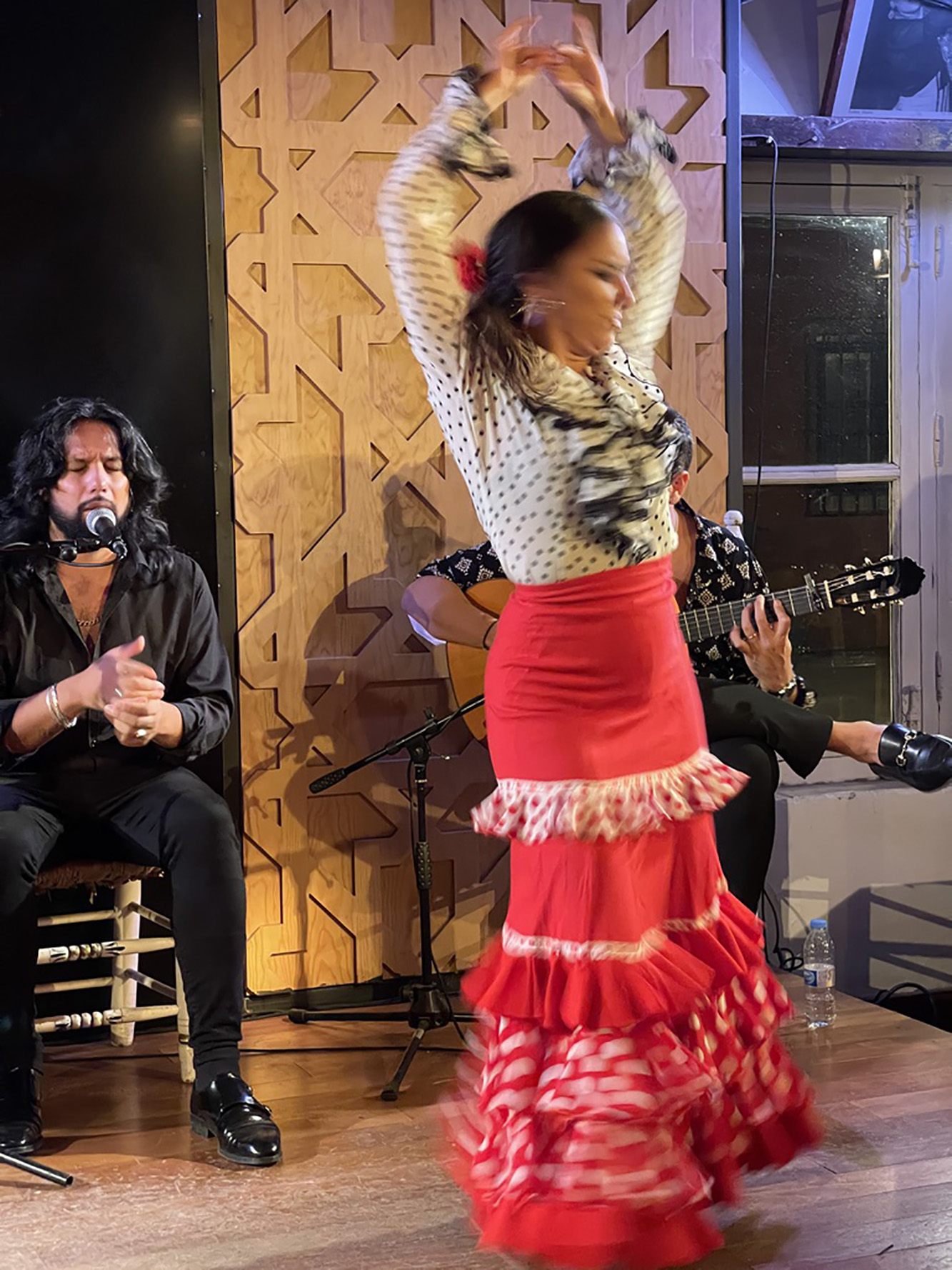
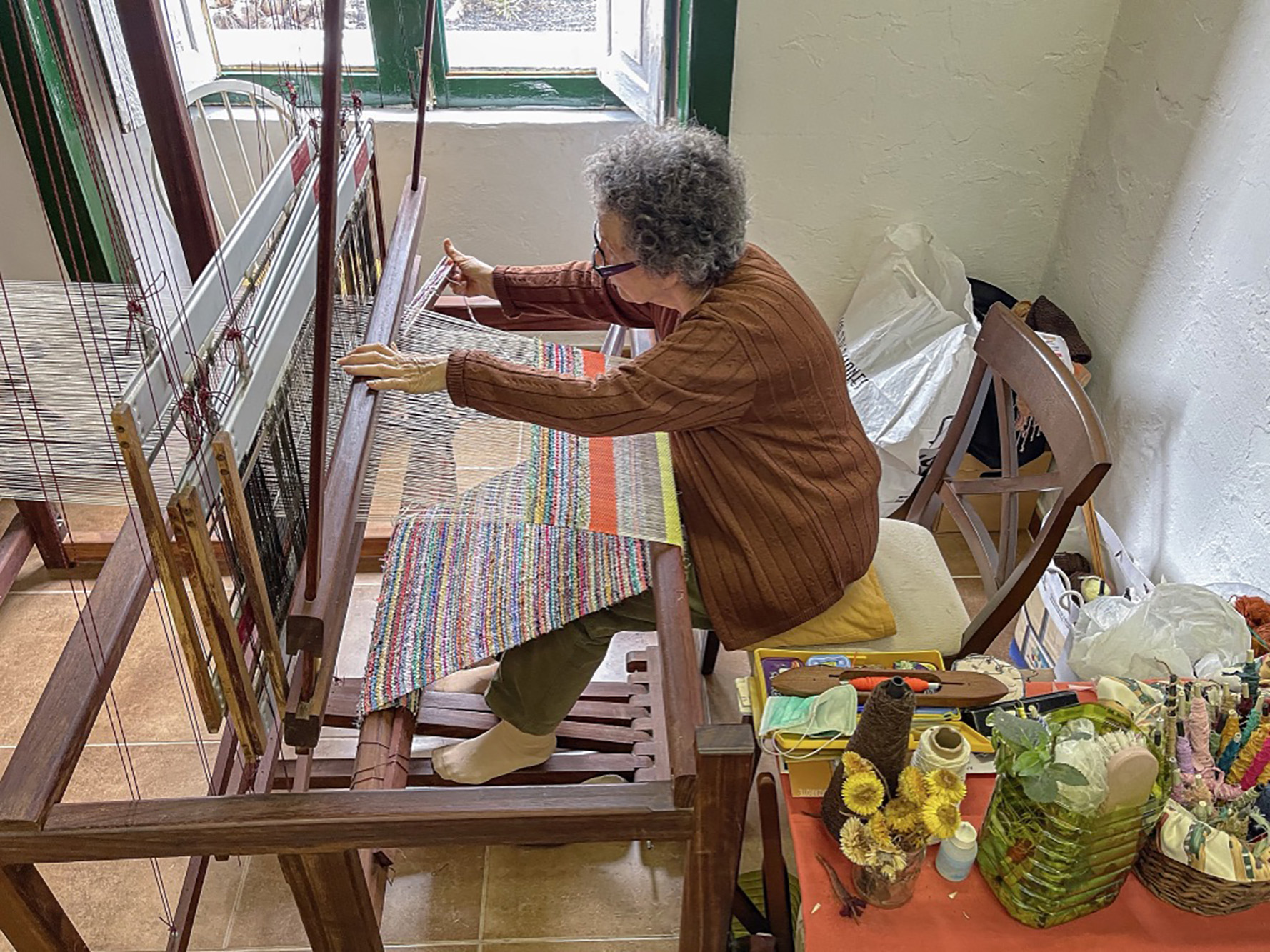
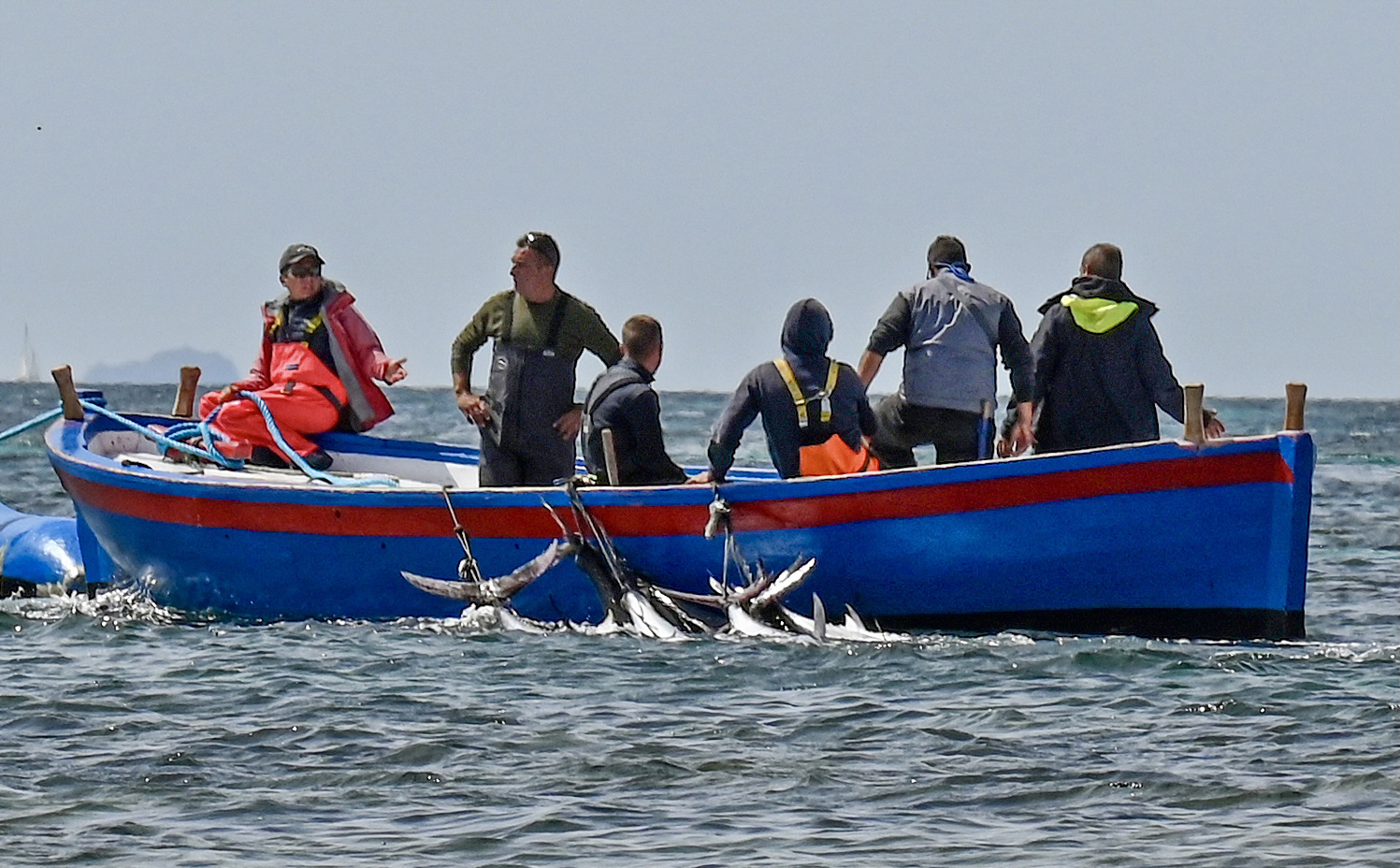
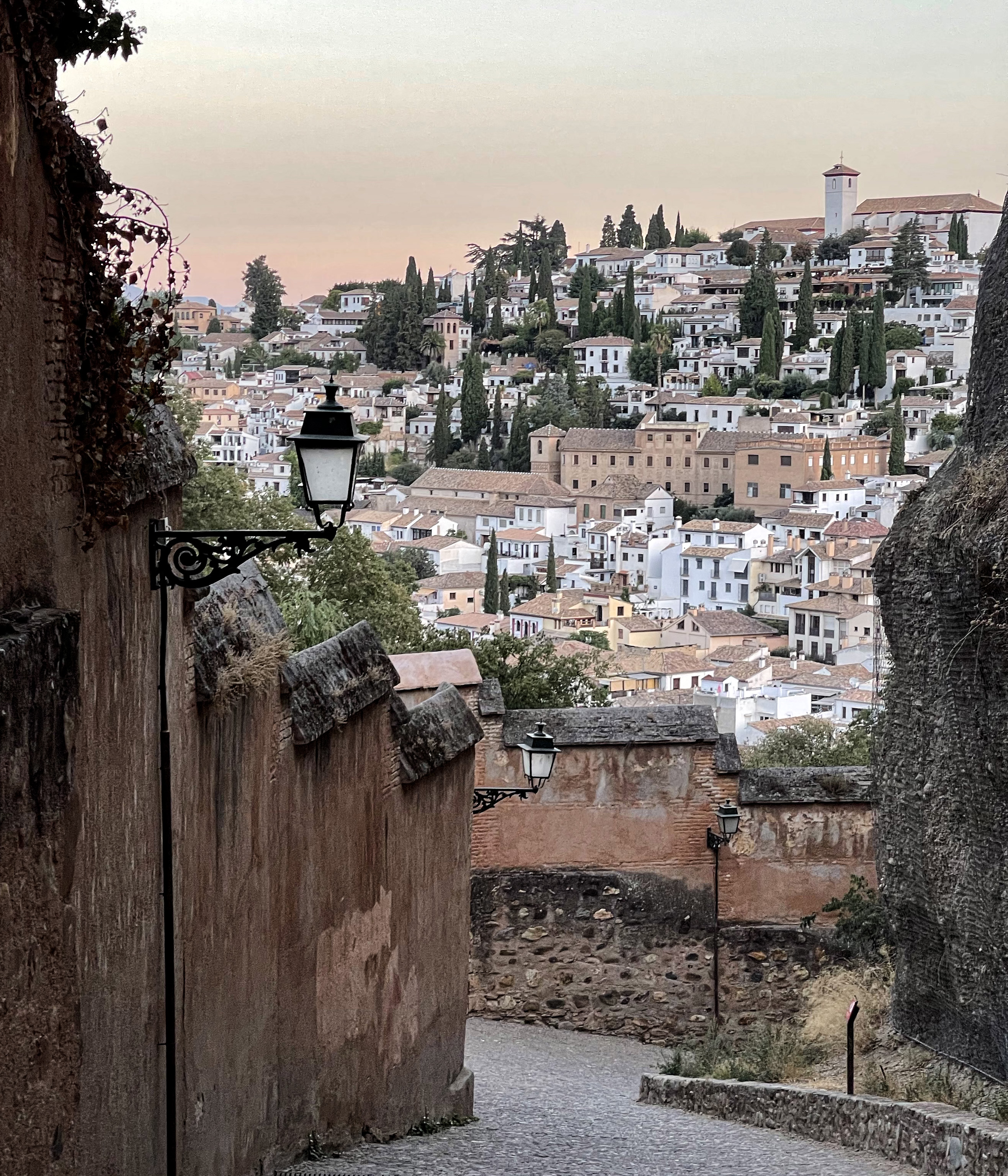
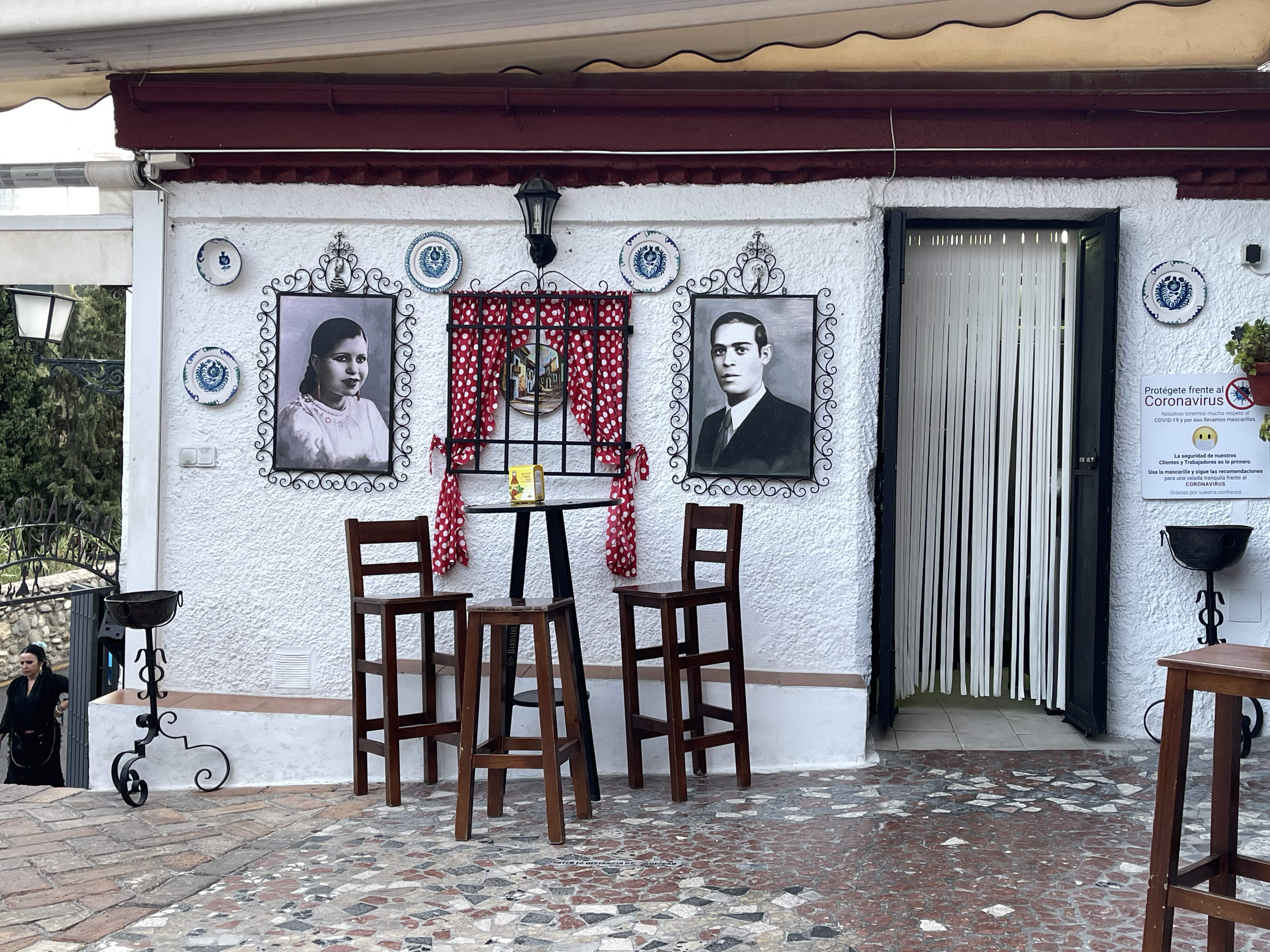
The cafes were full of life, and Ginny found herself surrounded by Italian schoolboys. Three men, all named Mehmet, helped make repairs to Flying Fish in Turkey. I swooned to Flamenco in Grenada, ate fresh tuna hand-caught by Italian fishermen, swayed to a drum circle on a dark beach in Ibiza, and watched a man exercise his swimming horse in the harbor of Marsaxlokk, Malta.

The world was still in the midst of a global pandemic, but you would never know it by the smile in the eyes of the people I met in the Mediterranean.

Click a photo in the gallery below and scroll for captions and high-resolution images © Jeffrey Cardenas


Bizarre Nature

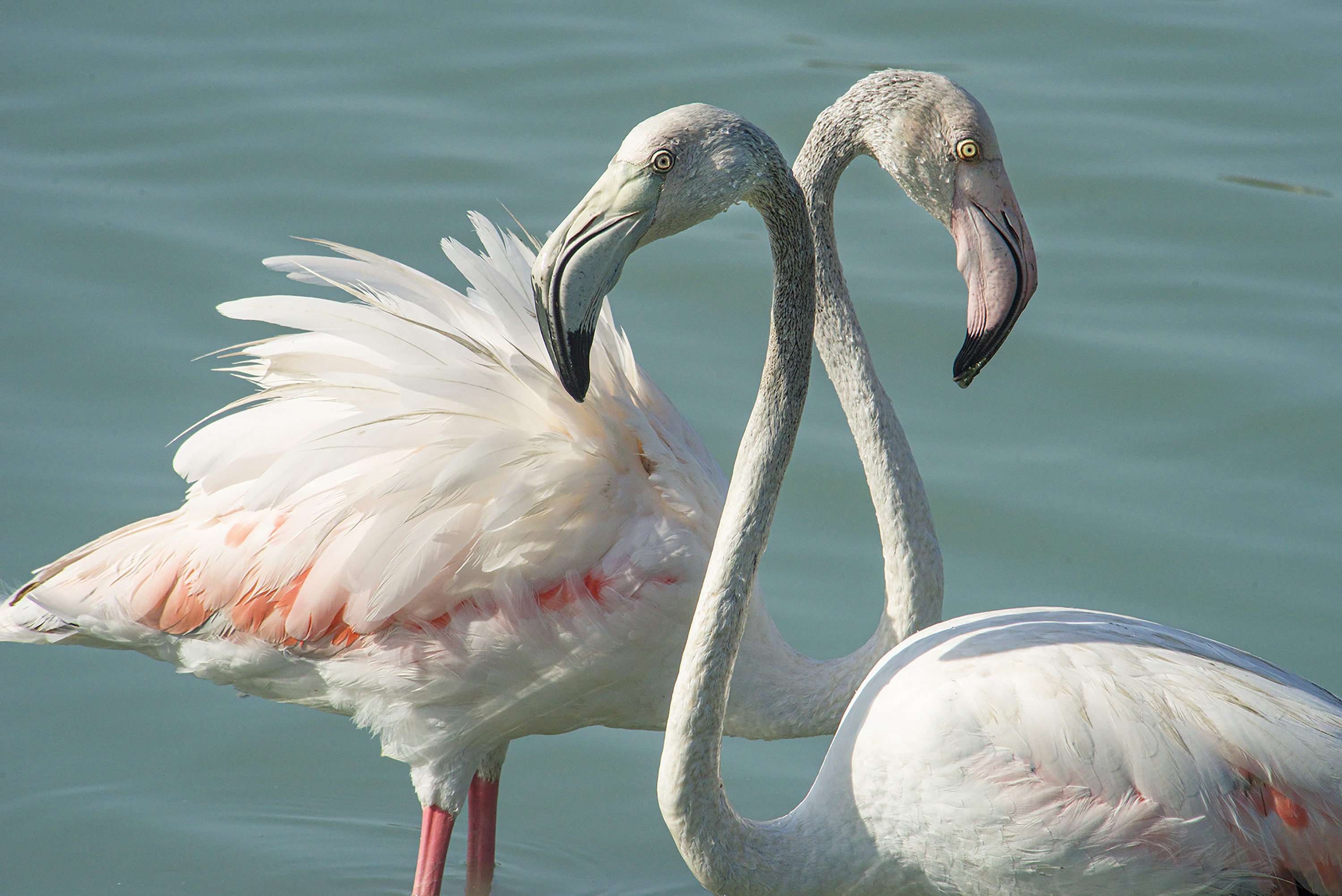
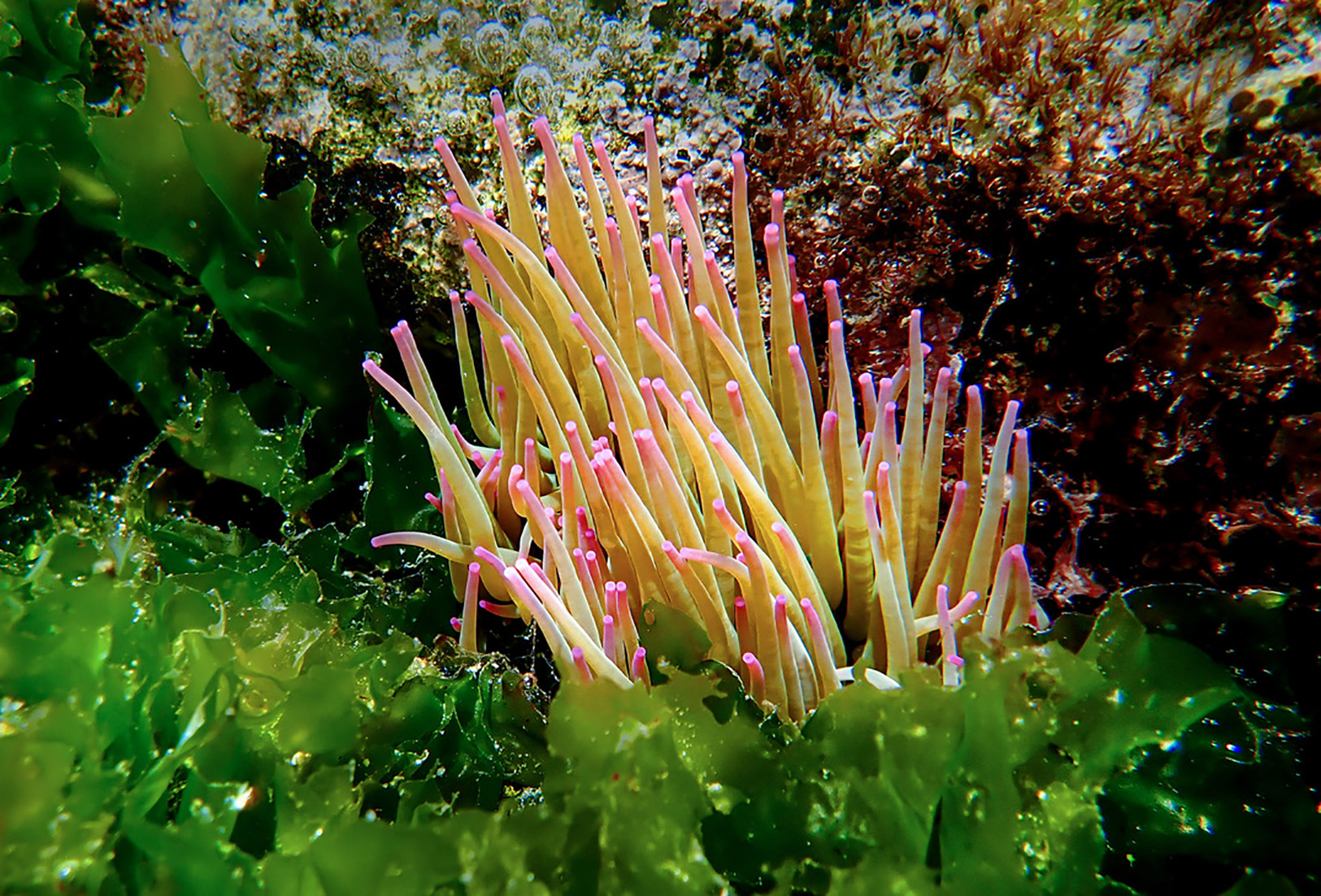
The natural beauty of the Mediterranean is unique in the world.

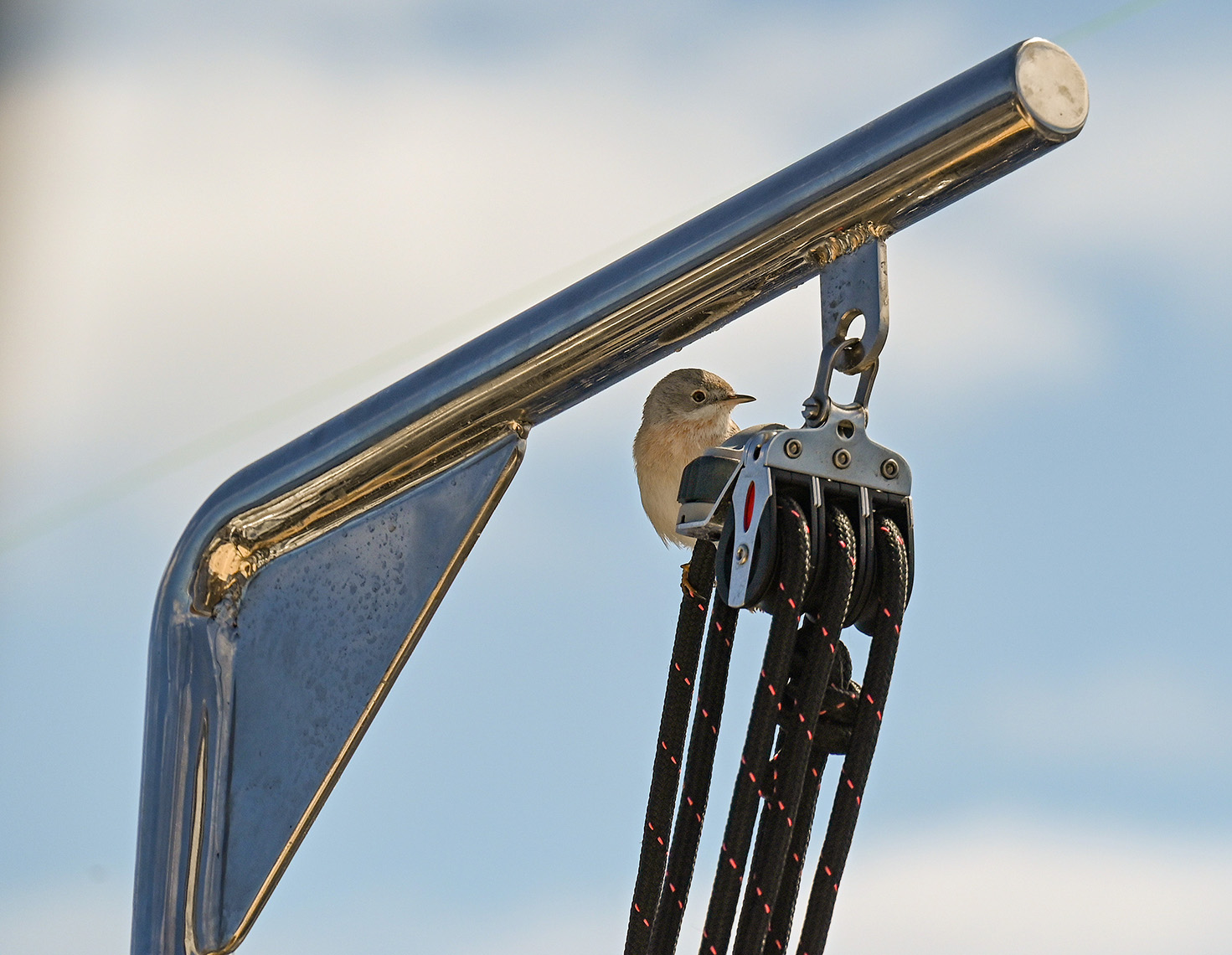
There are no multicolored coral reefs as in Polynesia. The fish population in the Mediterranean has been feeding people for eons, and in many areas that resource is depleted. There are, however, plenty of two-legged animals (usually wearing thongs in the summertime), especially in the chichi beach resorts of the Mediterranean.

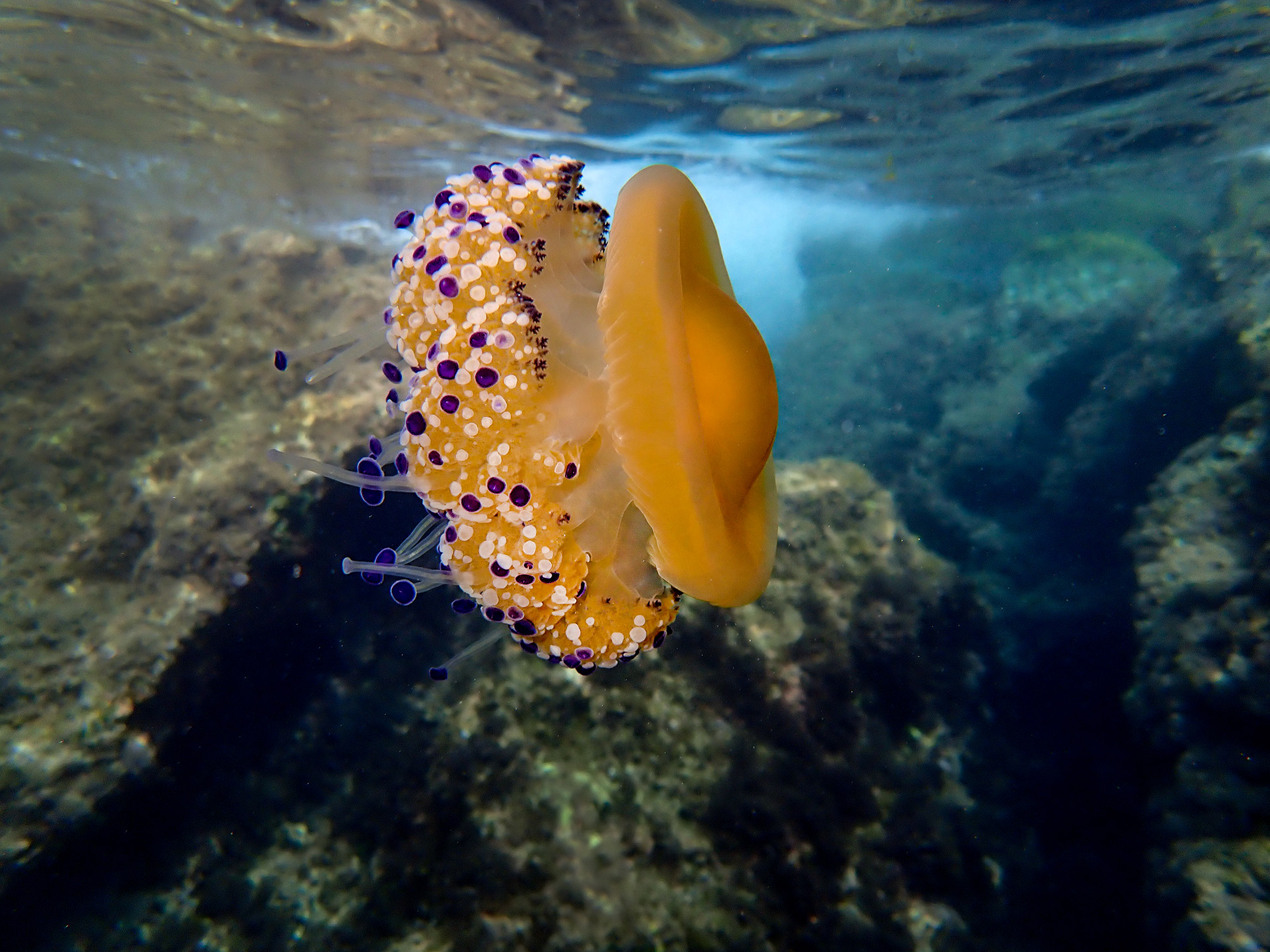
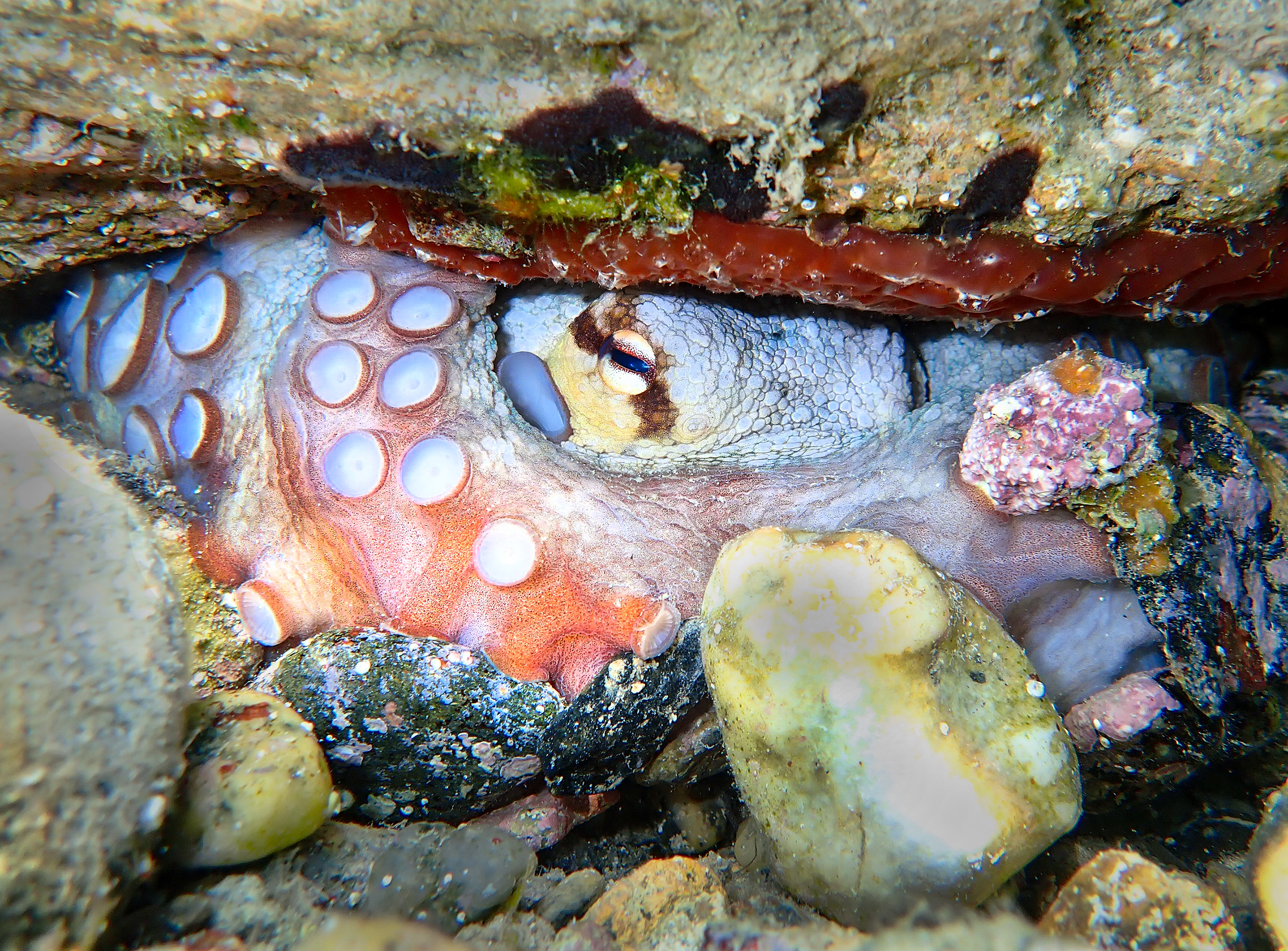
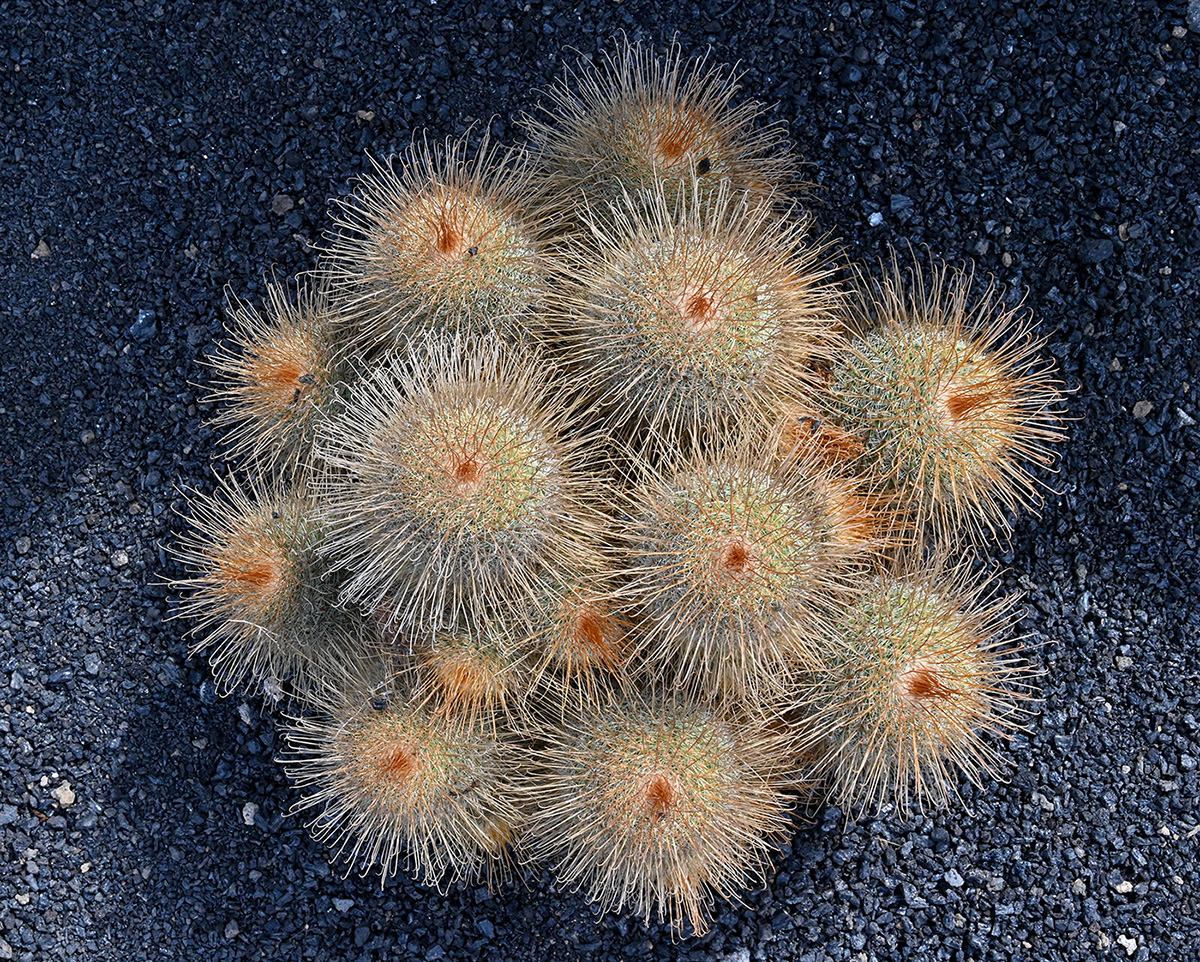
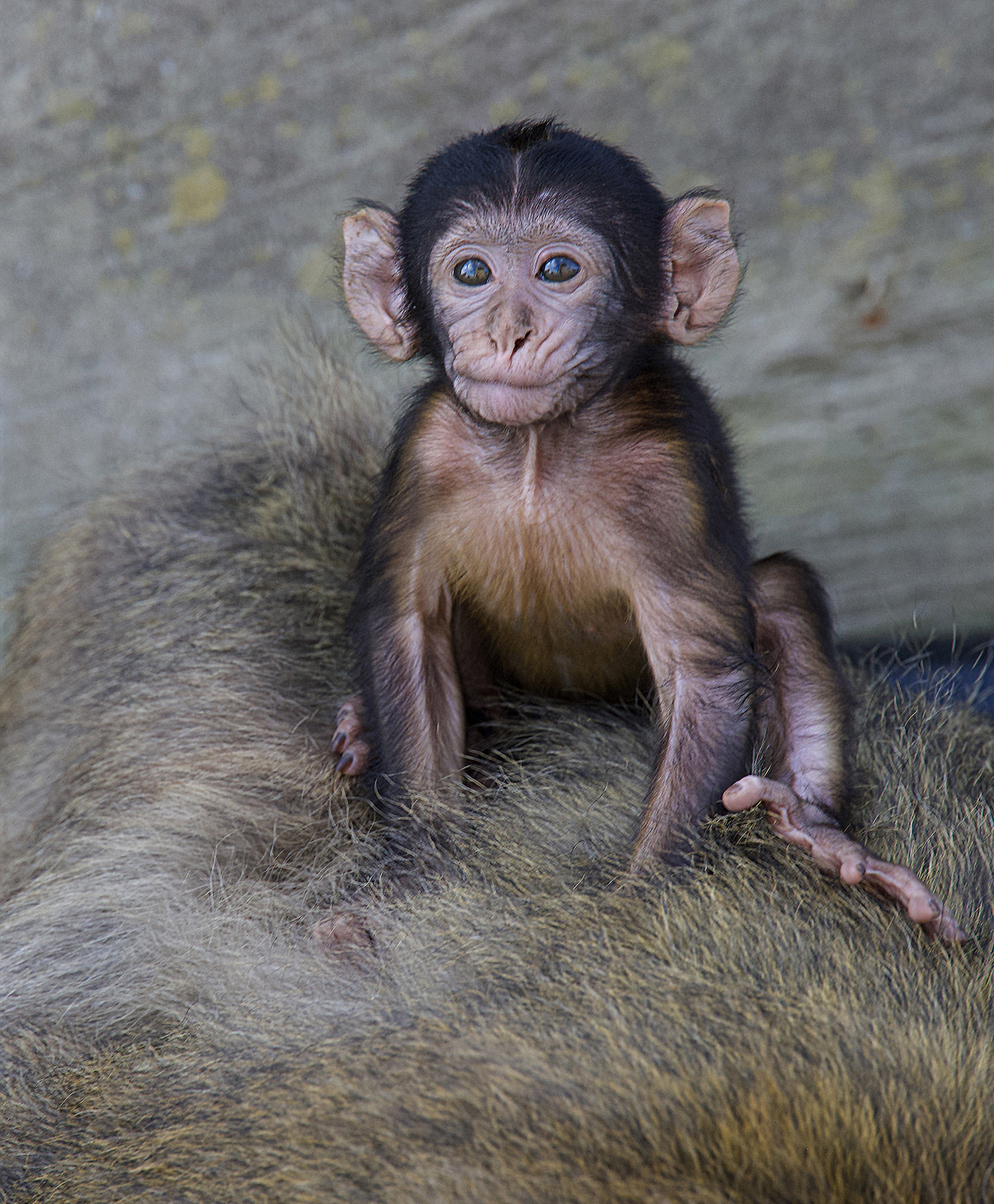
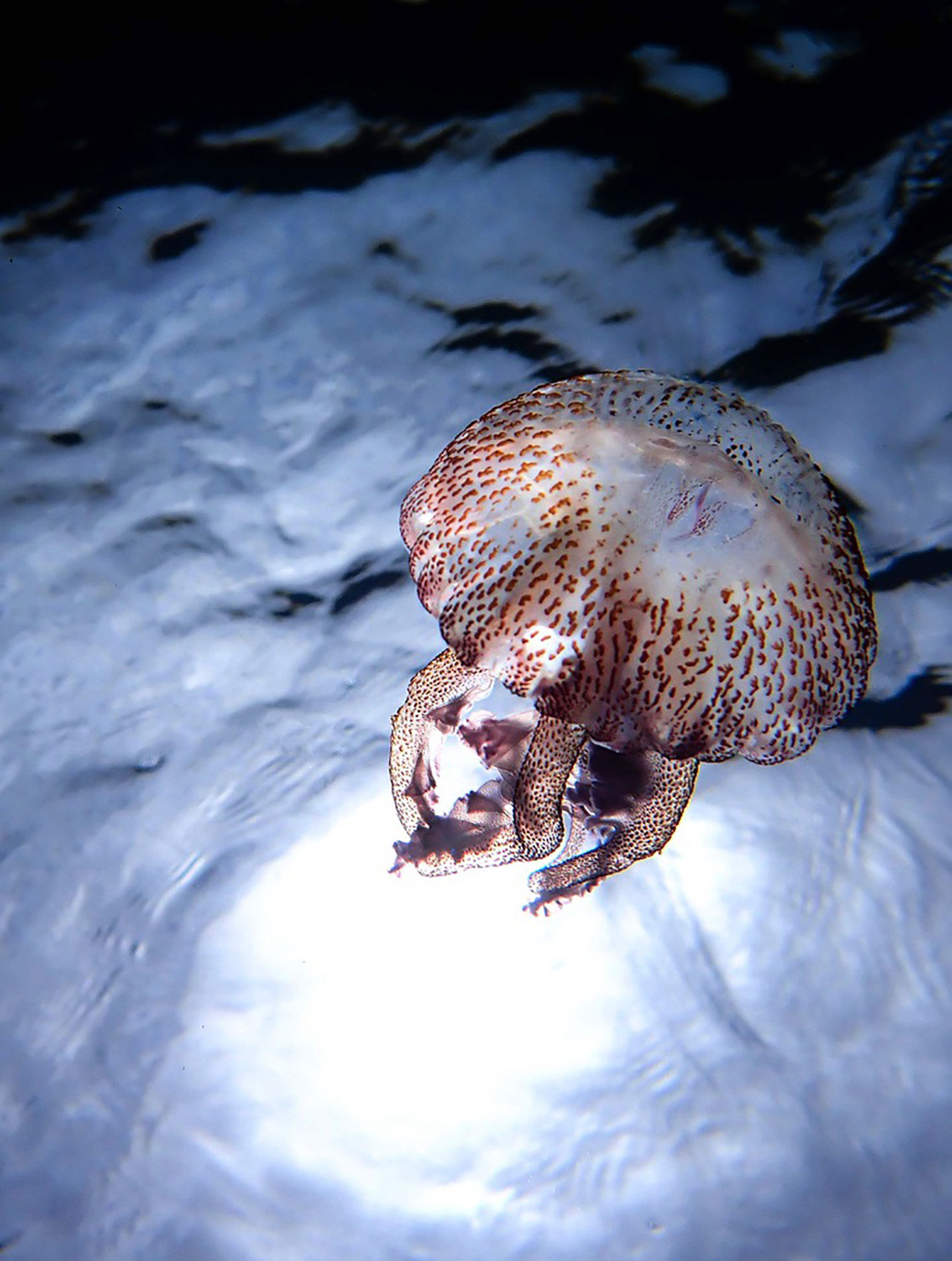
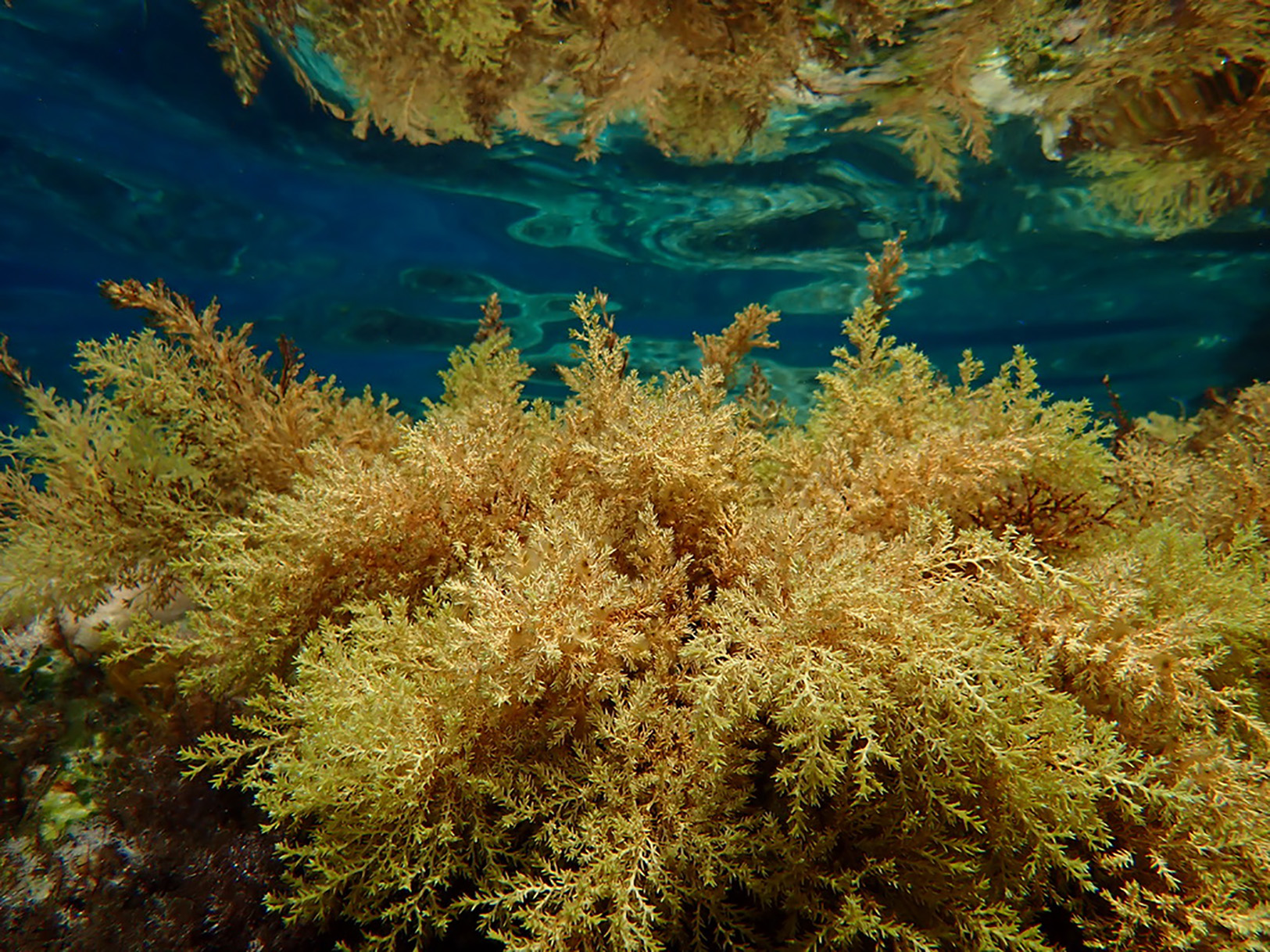
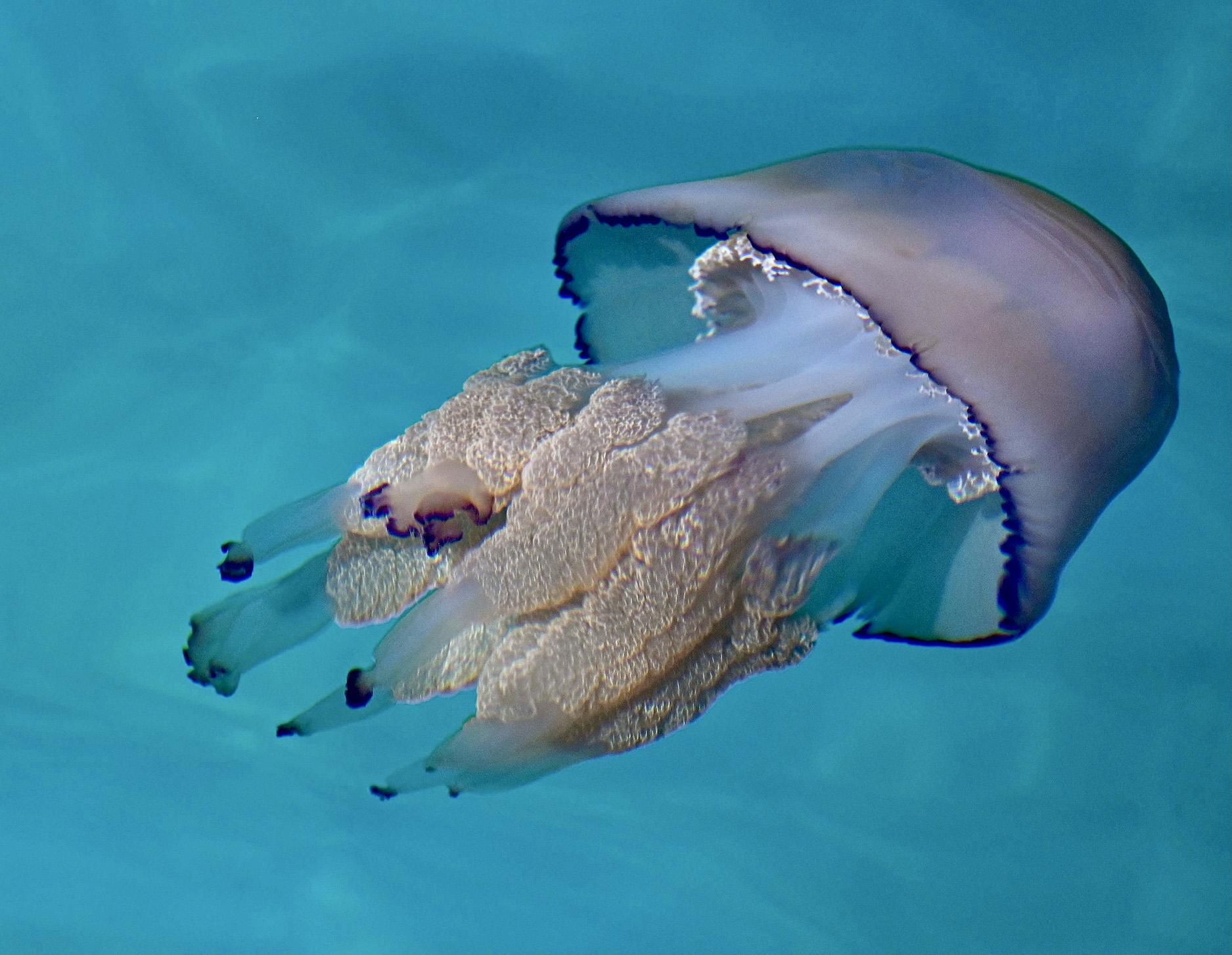
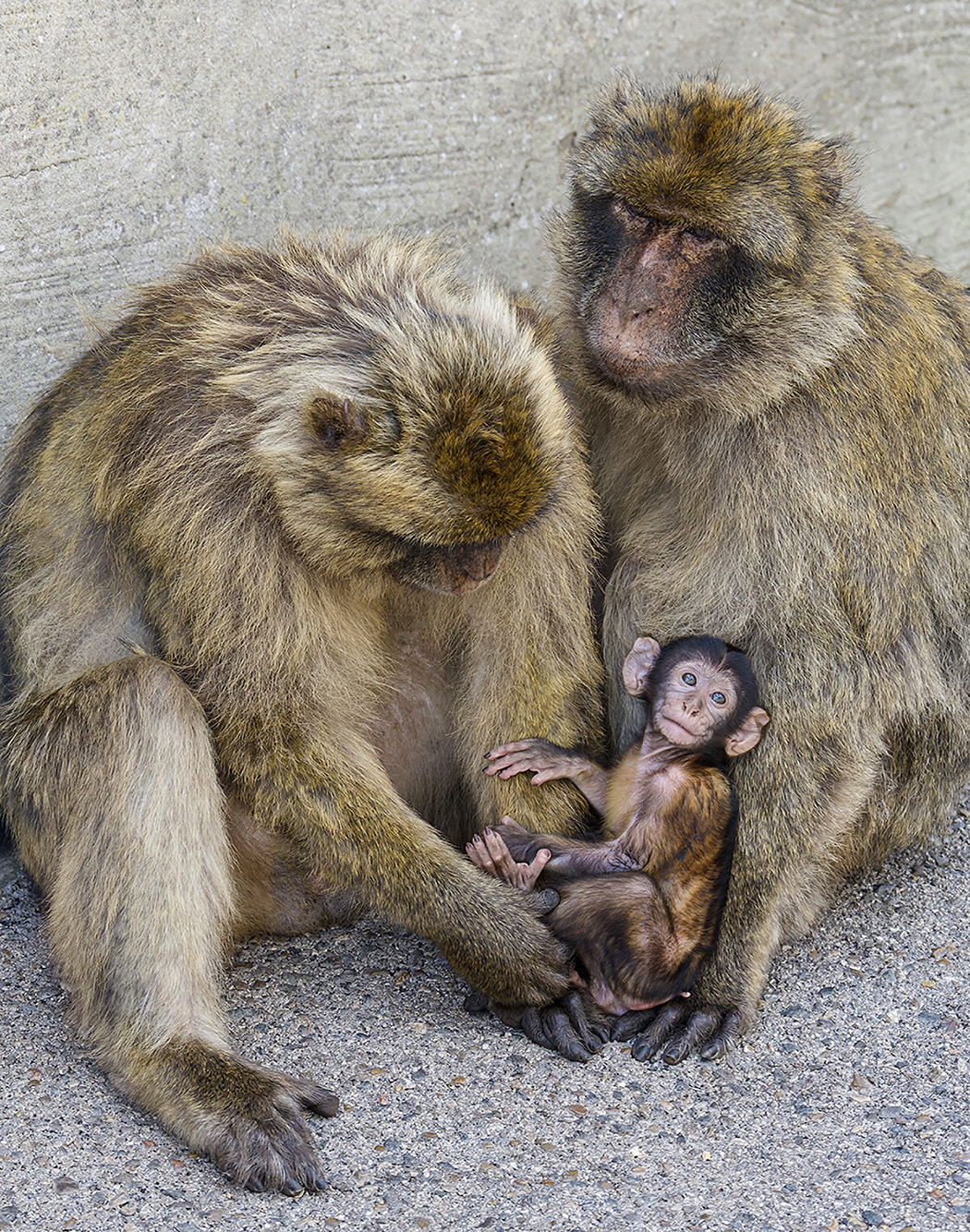
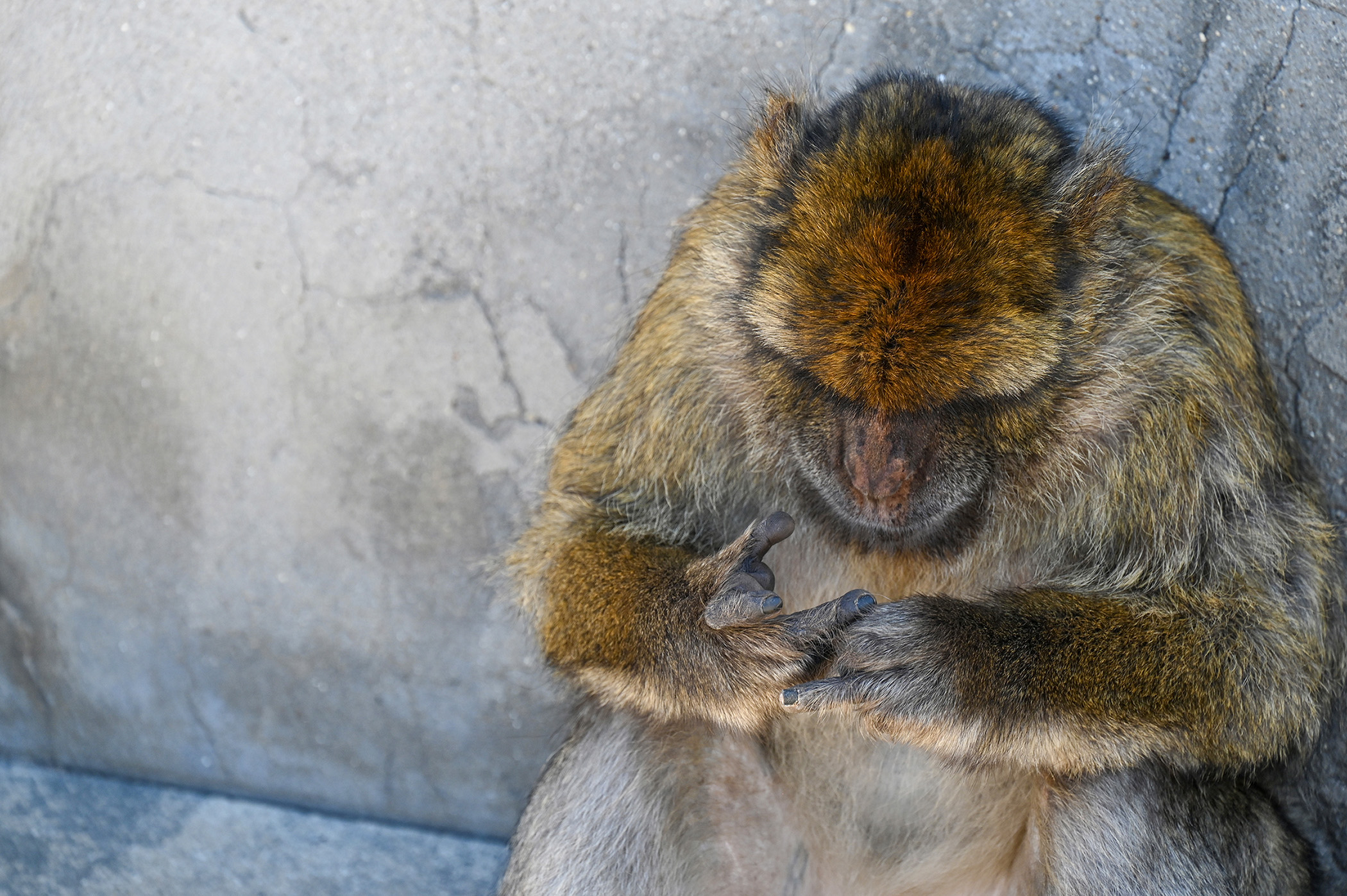
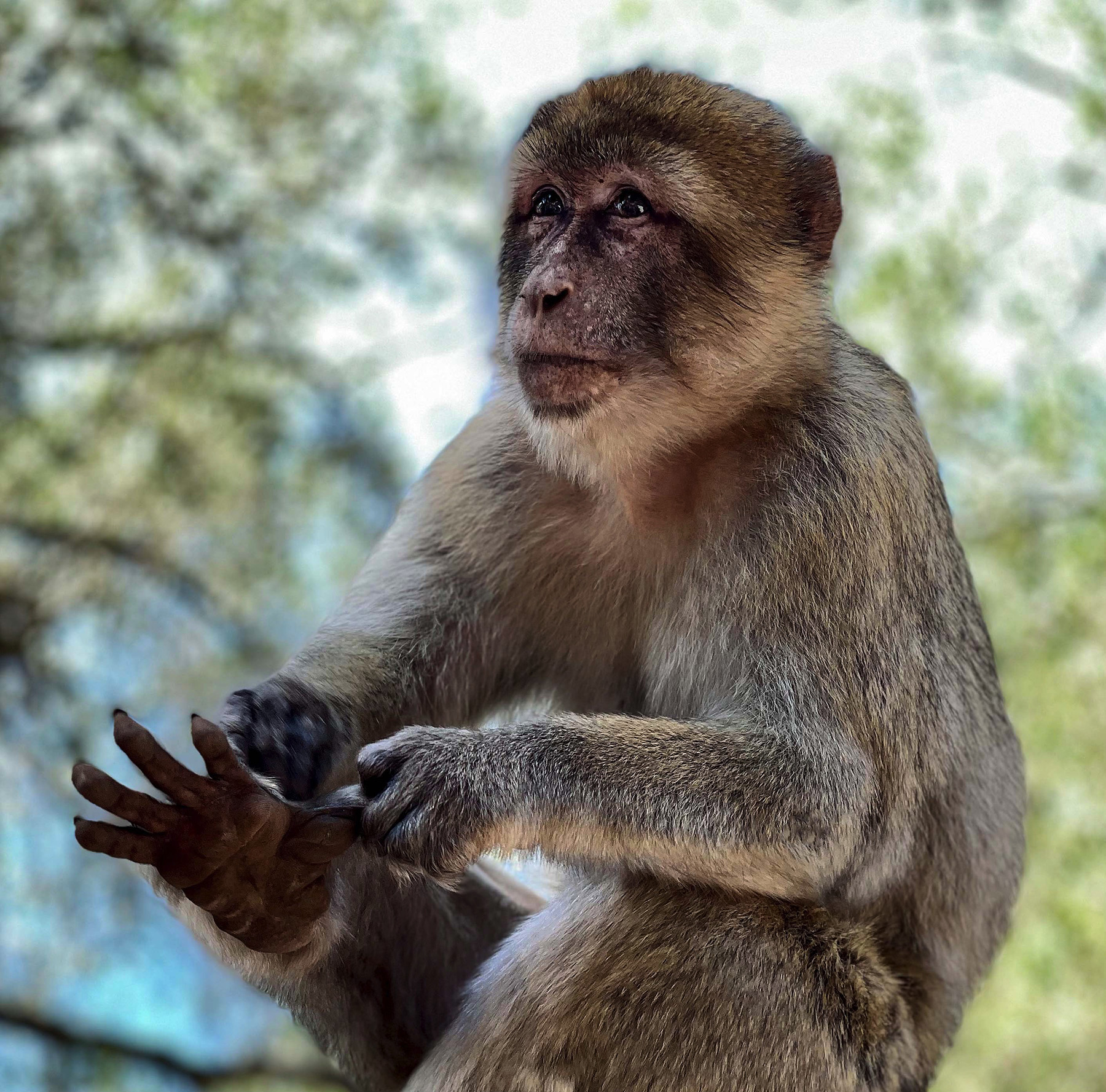
I was more fascinated in searching out the unusual lifeforms. Jellyfish intrigued me. The Fried Egg Jellyfish is being researched for properties to treat cancer patients. I had always loved eating octopus, until I became friendly with these hyper-intelligent creatures living in the Mediterranean. Octopus is no longer on my menu. In Gibraltar, I met the famous “Rock Apes,” macaque monkeys that suffered no fools among the thousands of tourists who visited there. Tease the monkeys with people food, and you are likely to get bitten. In Lanzarote, a volcanic island seemingly without shade, I spent days wandering among the exotic cacti that flourished there.

The basic tenet of nature is adapt or perish. It was a lesson that I would be reminded of during the final passage aboard Flying Fish this year.

Click a photo in the gallery below and scroll for captions and high-resolution images © Jeffrey Cardenas

A Memorable Passage

The year’s final passage aboard Flying Fish was the most memorable.

Ginny again joined me in Gran Canaria for the transatlantic passage to the Caribbean. We fueled and provisioned Flying Fish, and then waited for a perfect weather window to make the 3,000-mile crossing to the Caribbean. I had made this passage before. The Atlantic hurricane season had ended, and the forecast called for a 20-day downwind sleigh ride to Antigua.

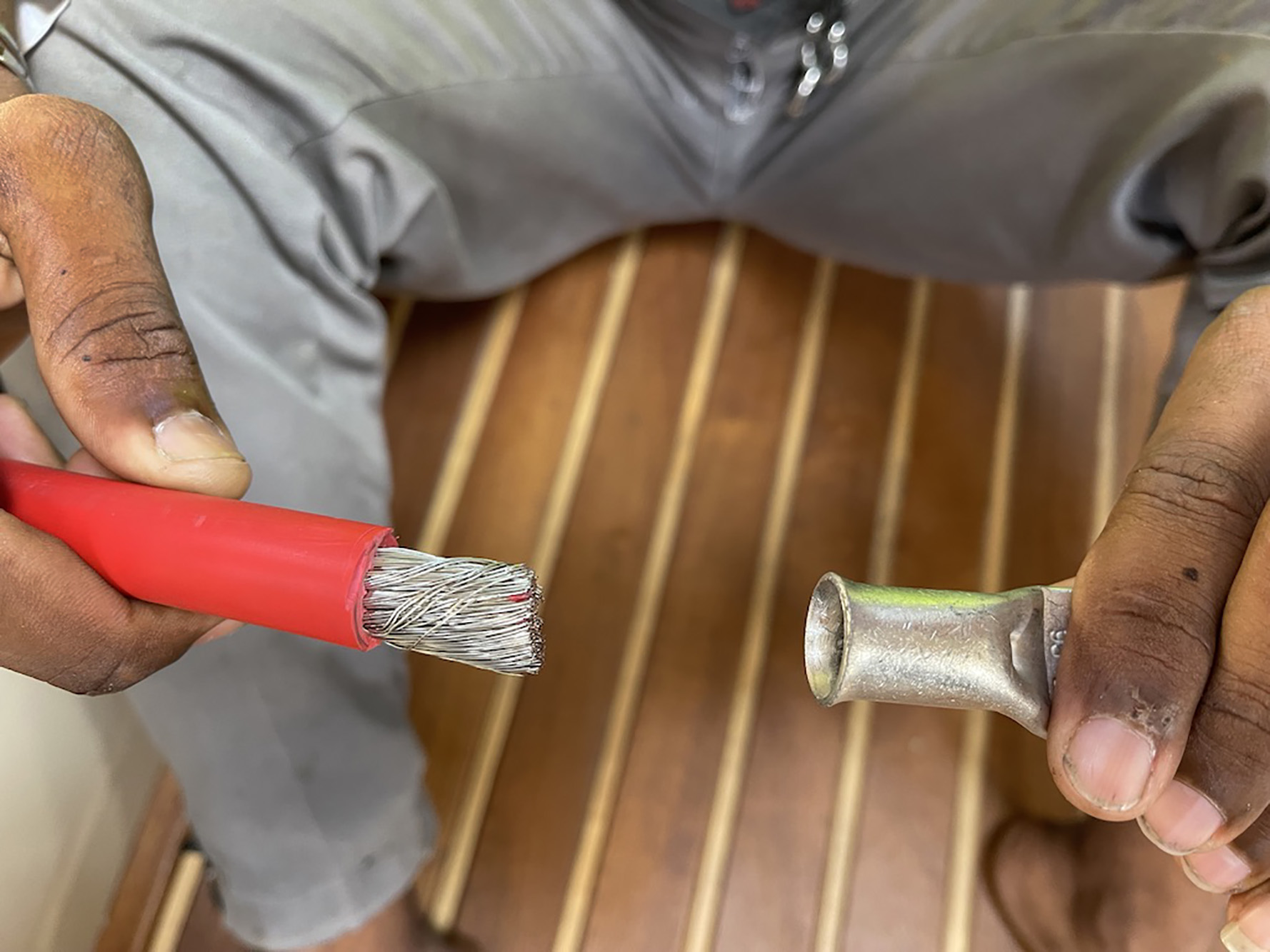
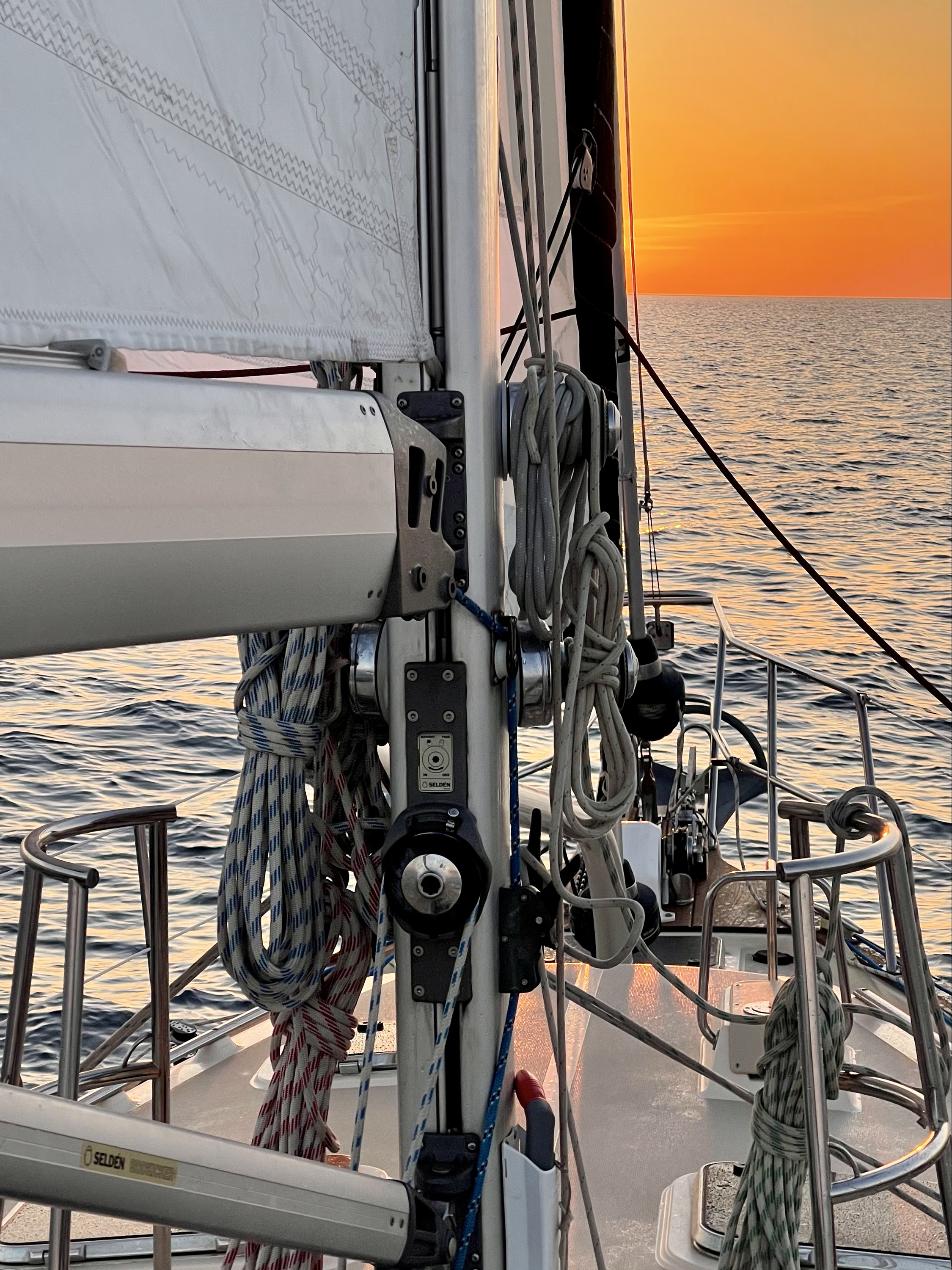
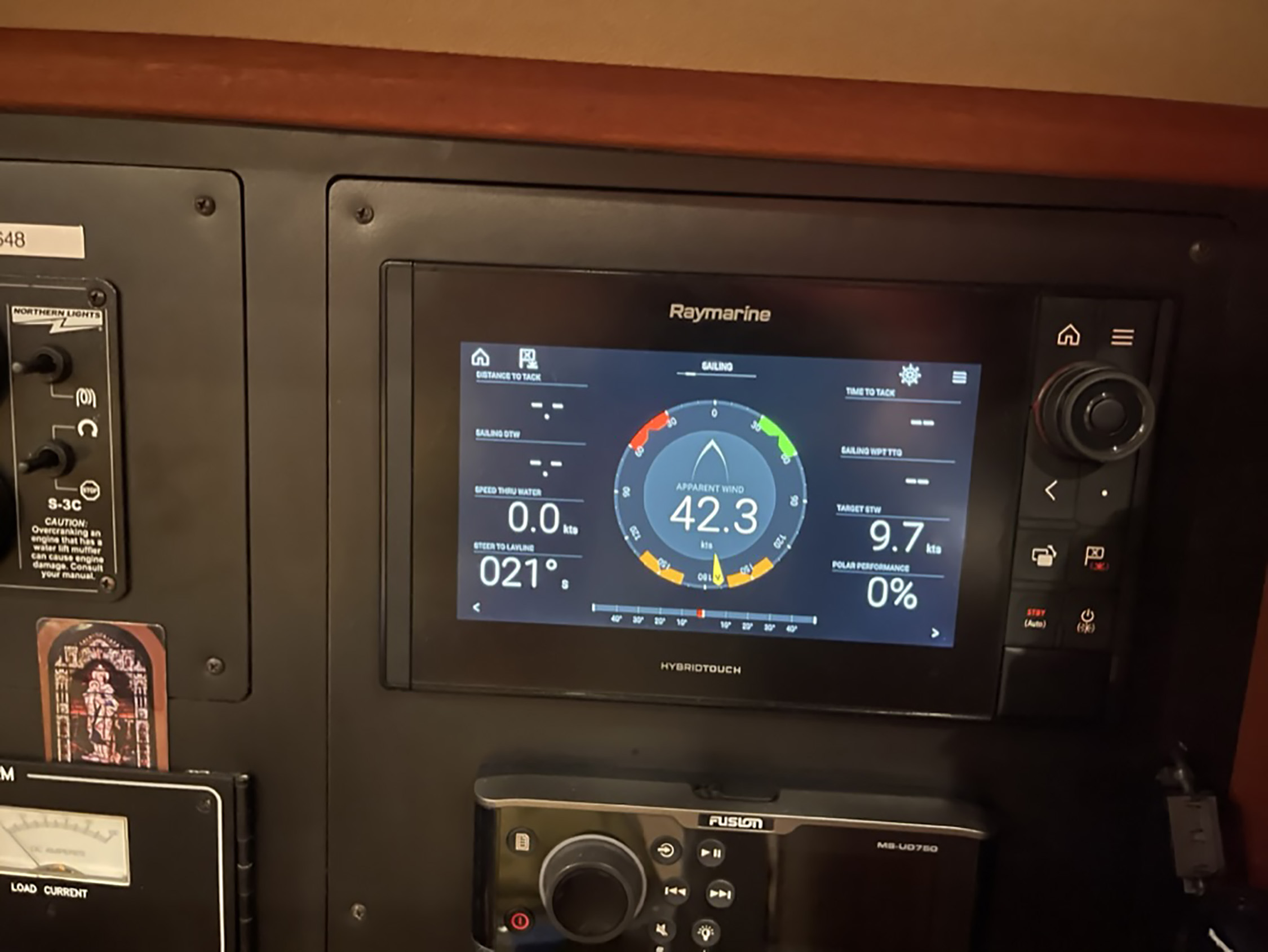
What we thought would be an idyllic sail became challenging in unexpected ways. Early on, the mainsail halyard parted, requiring a jury-rigged topping lift to get the sail back up. The weather intensified beyond its forecast, but the good ship Flying Fish is solid, and it handled 30-knot winds with ease. Suddenly, all DC electrical power quit (the result of an uncrimped battery cable, we found out later.) We were sailing traditionally with no autopilot, no navigation, no engine, no electric pumps, no lights, stove, or toilets. The wind increased to gale force near 40 knots. (A sailboat in the ARC Rally departing Gran Canaria at the same time suffered tragedy; a crew member was killed by a boom strike, another was injured, and the remaining crew member abandoned the boat at sea.) Our situation was not life threatening, but it was complicated to manage.

Rather than hand-steer our 22-ton cutter with no navigation except dead reckoning for the remaining three weeks to the Caribbean, Ginny and I decided instead to divert Flying Fish 500 miles to Cape Verde to sort things out. It was a difficult but correct decision.

Here’s the thing about undertaking and overcoming unexpected challenges at sea; the tough part is temporary, and when it is over the resulting feeling (endorphin rush, or whatever) is exhilarating–unlike anything ever experienced. Despite the hardship and disappointment, this memorable passage left me feeling vital, energetic, and present. It made me want more. Remembering the words of Oscar Wilde, I lived in 2021.

###

Click a photo in the gallery below and scroll for captions and high-resolution images © Jeffrey Cardenas

The 2021 route of Flying Fish from Didim, Turkey to Mindelo, Cape Verde

Flying Fish is being refitted in Cape Verde and will resume its passage toward Key West early in 2022.

As always, Sailing is not just about the wind and the sea; equally important are the places where Flying Fish carries me, and the flora, fauna, and people I encounter along the way.

Please click “Follow” at the bottom of this page so that you don’t miss a new update,- and please consider sharing this post with others who might enjoy following the voyage of Flying Fish. I welcome your commentsand I will always respond when I have an Internet connection. I will never share your personal information.

You can follow the daily progress of Flying Fish, boat speed (or lack thereof), and current weather as I sail into the Atlantic by clicking this satellite uplink: https://forecast.predictwind.com/tracking/display/Flyingfish. A Bonus: Click the “Legends and Blogs” box on the right side of the tracking page for passage notes while I am sailing offshore. 

To see where Flying Fish has sailed since leaving Key West in 2017, click here: https://cruisersat.net/track/Flying%20Fish.

Instagram: FlyingFishSail
Facebook: Jeffrey Cardenas

Text and Photography © Jeffrey Cardenas 2021

Let this be a time of grace and peace in our lives   – Fr. John Baker

The Green Lagoon

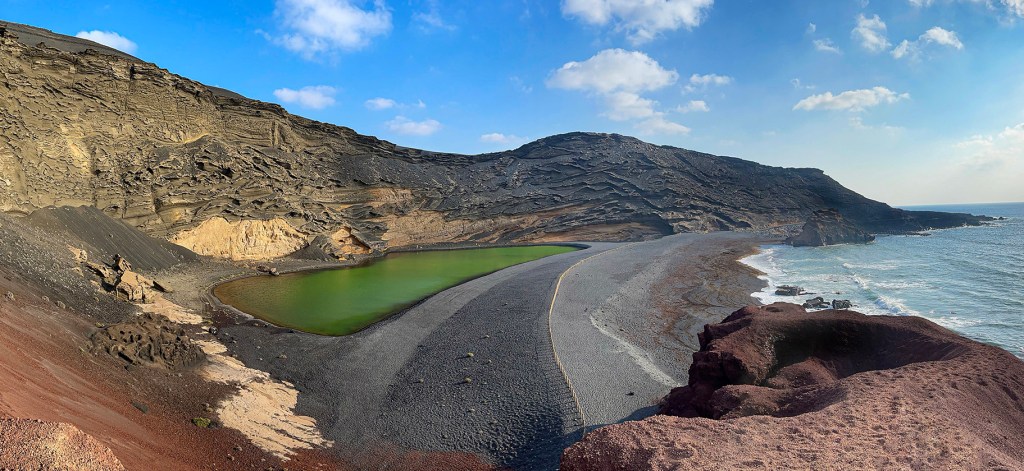
Charco de los Clicos, Lanzarote — If only I had been here 57 years ago… I might have seen Raquel Welch emerging from this green lagoon, her breasts spilling out of a fur bikini, only to be snatched from the beach by a carnivorous Pteranodon and flown to its nearby nest where the distraught “Loana the Fair One” was to be fed to the pterosaur’s offspring.

Ah, well, timing is everything.

Much of the 1966 cinematic fantasy, One Million Years B.C., was filmed in Lanzarote, including the epic green lagoon scene. The location director deserved an Oscar for choosing this island. If I blinked today and saw a 200-pound flying reptile swoop down out of the volcanic rocks to carry away a tourist climbing out of a tour bus, it would all seem perfectly normal. A million years and this place is still prehistoric.

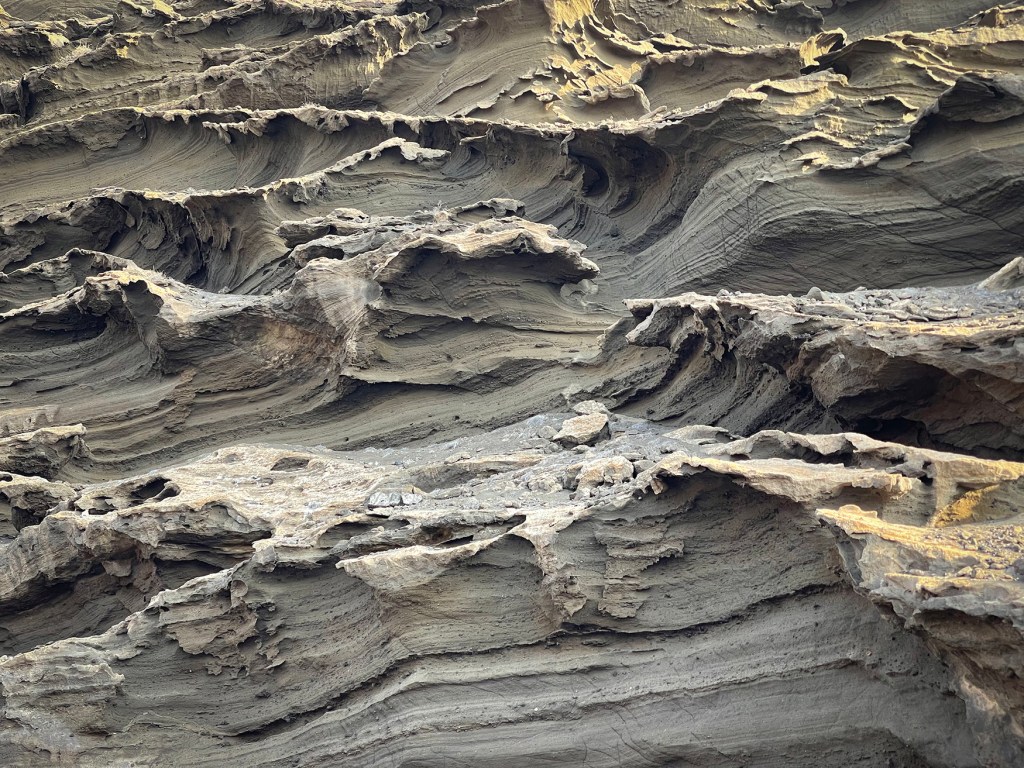
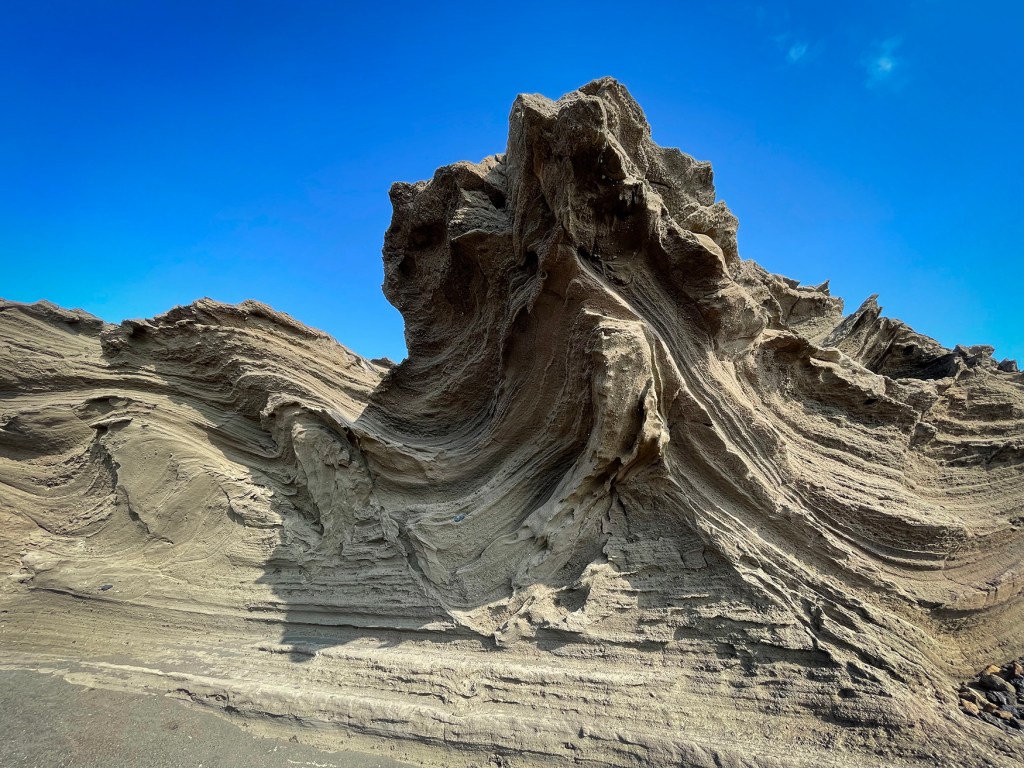
The island of Lanzarote bubbled up from a hot spot in the ocean 15 million years ago as plate tectonics transformed the earth. It has been nearly three centuries since the last major volcanic eruption and much of the island is unchanged. A dry climate and lack of erosion–and the protection of the spectacular Timanfaya National Park–have left the landscape pristine (translation: burnt to a crisp). NASA used this otherworldly topography to train the Apollo 17 crew.

Despite the current and severe volcanic activity on the Canary Island of La Palma 200 miles to the west, Lanzarote is known as the “Island of Volcanoes.” There are over 100 volcanic craters on this island that measures only 37 miles north to south. During the eruptions here in the 1730s, which lasted six years, the island grew by several square miles. Flames were visible 130 miles away and smoke hung in the air while lava and ash covered large areas of the island. Lives were lost, homes destroyed, and residents were plunged into years of darkness.[1]

All images © Jeffrey Cardenas

The Green Lagoon is one of the volcanic craters that formed during these powerful eruptions. The Atlantic Ocean eroded the western side of the cone flooding the crater with seawater. A berm of black volcanic rock and coarse sand now separates the lagoon from the ocean. Ancient lava tubes and underground fissures circulate the water. Charco de los Clicos was once home to a thriving colony of shellfish known locally as clicos (thus the name) until someone put a pair of turtles into the lagoon, and they devoured every last clico. Now the lagoon is inhabited by phytoplankton, microscopic marine algae, which gives the water its distinctive emerald green hue.

The Charco de los Clicos is a Natural Reserve bordering Timanfaya National Park. Regulations forbid swimming… unless, of course, you are Loana the Fair One and you come attired in a fur bikini.

The film production poster of Raquel Welch, in One Million Years B.C., an image that fueled the fantasies of 12-year-old boys everywhere. © 1966 Hammer Film Productions Ltd.

References:

[1] Alwyn Scarth, Volcanoes: An Introduction (Taylor & Francis, 2004)

[2] Hammer Film Productions Ltd. 1966

Official Trailer One Million Years B.C.: https://vimeo.com/125826115


Sailing is not just about the wind and the sea; equally important are the places where Flying Fish carries me.

Please click “Follow” at the bottom of this page so that you don’t miss a new update, and please consider sharing this post with others who might enjoy following the voyage of Flying Fish. I welcome your comments, and I will always respond when I have an Internet connection. I will never share your personal information.

You can follow the daily progress of Flying Fish, boat speed (or lack thereof), and current weather as I sail into the Atlantic by clicking this satellite uplink: https://forecast.predictwind.com/tracking/display/Flyingfish. A Bonus: Click the “Legends and Blogs” box on the right side of the tracking page for passage notes while I am sailing offshore. 

To see where Flying Fish has sailed since leaving Key West in 2017, click here: https://cruisersat.net/track/Flying%20Fish.

Instagram: FlyingFishSail
Facebook: Jeffrey Cardenas

Text and Photography © Jeffrey Cardenas 2021

Let this be a time of grace and peace in our lives   – Fr. John Baker

Volcanic Landfall

A new resort is built upon the lava plain of the inactive Caldera Riscada in Lanzarote, Canary Islands. Photograph: © Jeffrey Cardenas

Puerto Calero, Lanzarote, Canary Islands — The first impression of this landfall is at once welcoming and foreboding.

I am thankful for a safe passage, and I am in a secure place. Still, I cannot help but think of the volcanic disaster occurring on the island of La Palma, 200 miles to the west. Today, three weeks into the eruption of the Cumbre Vieja volcano in La Palma, portions of the cone collapsed and blocks of molten lava the size of three-story buildings rolled down the hillside into an industrial park.

I cannot imagine what it must be like to have the land under your feet tremble, and then watch the mountain above your village explode into molten rock.

On Lanzarote, the Las Montañas del Fuego erupted for six years beginning in 1730, and then again in 100 years later, resulting in the Parque Nacional de Timanfaya. From the deck of Flying Fish, I look at the Caldera Riscada looming over my landfall. All is quiet for now, gracias a Dios.

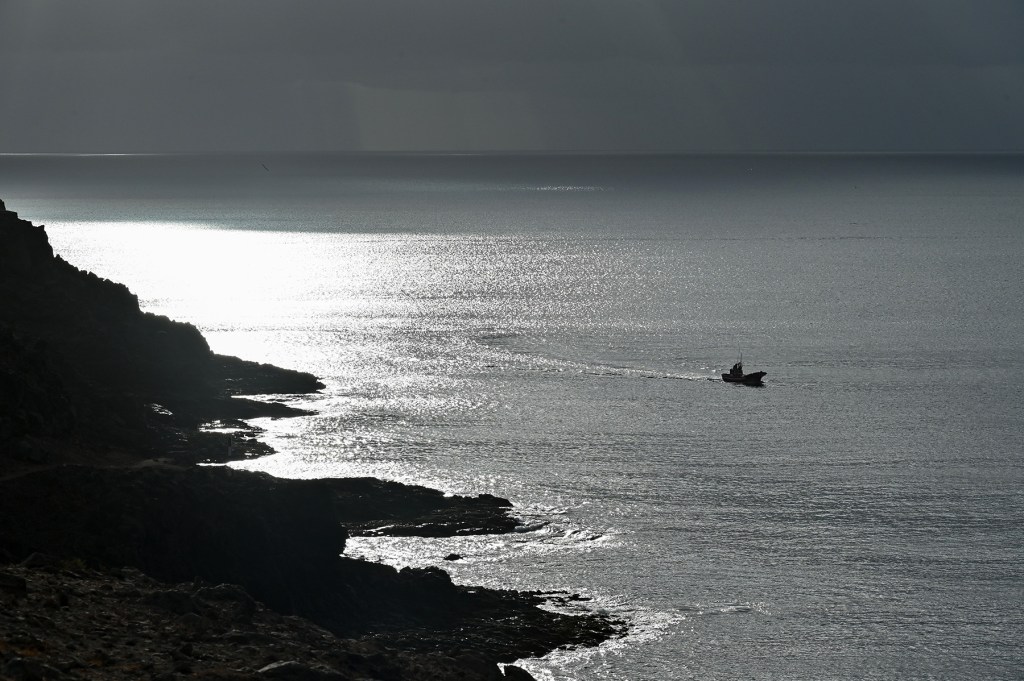
A solitary fisherman navigates his panga in the early morning light along the volcanic coastline of Lanzarote. Photograph: © Jeffrey Cardenas

Sailing is not just about the wind and the sea; equally important are the places where Flying Fish carries me.

Please click “Follow” at the bottom of this page so that you don’t miss a new update, and please consider sharing this post with others who might enjoy following the voyage of Flying Fish. I welcome your comments, and I will always respond when I have an Internet connection. I will never share your personal information.

You can follow the daily progress of Flying Fish, boat speed (or lack thereof), and current weather as I sail into the Atlantic by clicking this satellite uplink: https://forecast.predictwind.com/tracking/display/Flyingfish. A Bonus: Click the “Legends and Blogs” box on the right side of the tracking page for passage notes while I am sailing offshore. 

To see where Flying Fish has sailed since leaving Key West in 2017, click here: https://cruisersat.net/track/Flying%20Fish.

Instagram: FlyingFishSail
Facebook: Jeffrey Cardenas

Text and Photography © Jeffrey Cardenas 2021

Let this be a time of grace and peace in our lives   – Fr. John Baker

Gibraltar & the Barbary Apes

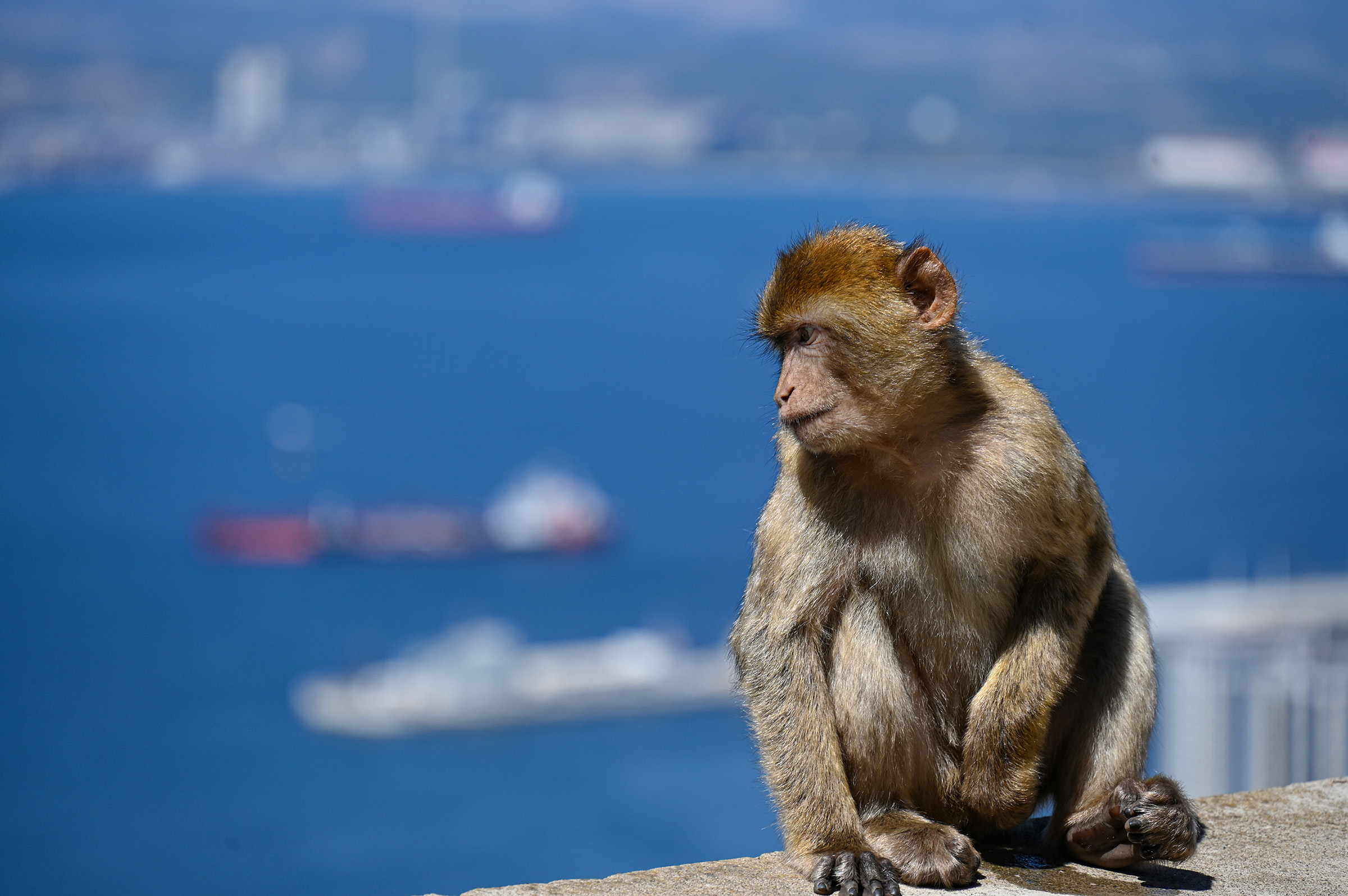
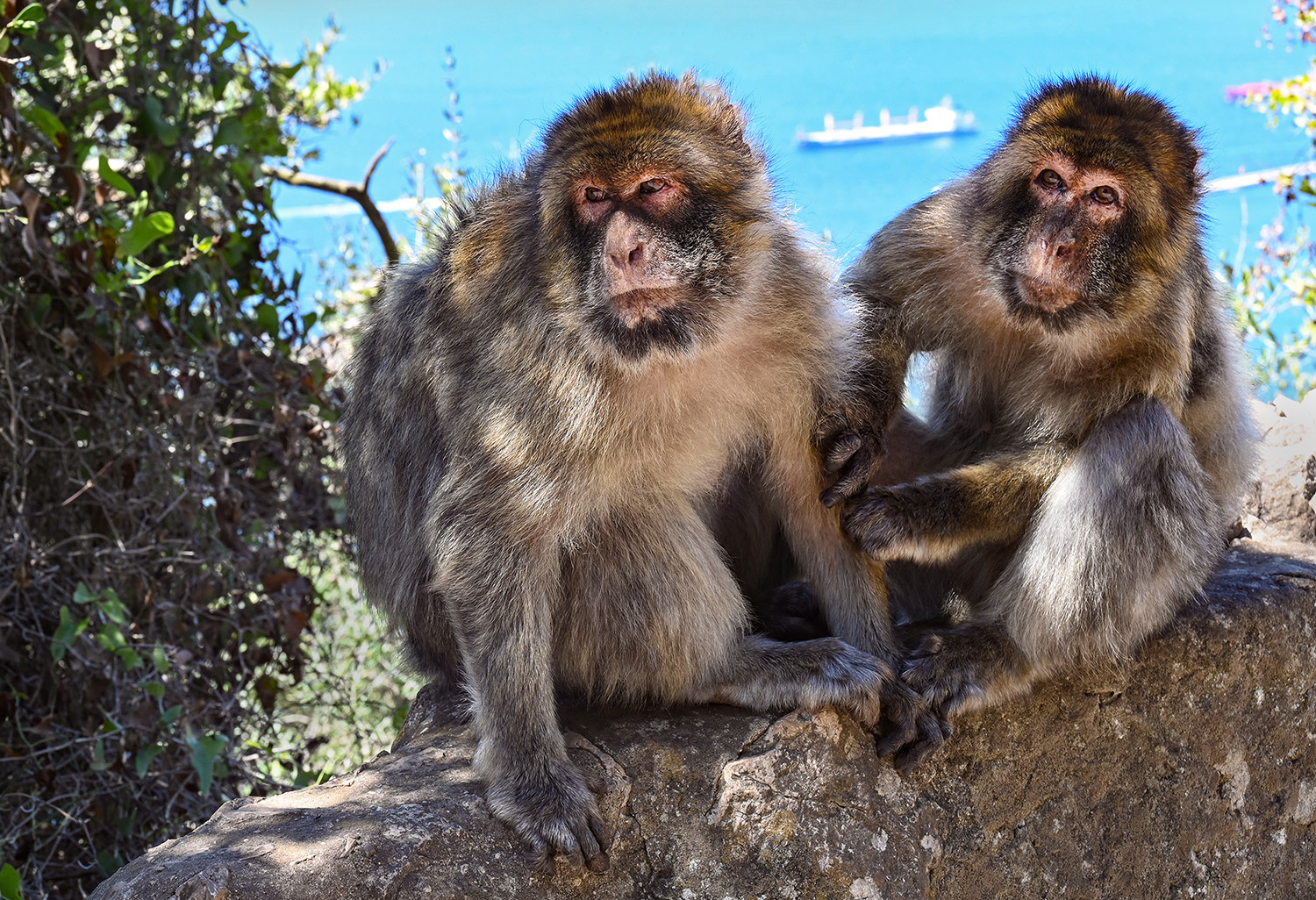
The Rock of Gibraltar is home to Europe’s only wild primate, macaque monkeys, locally known as Barbary Apes. © Jeffrey Cardenas

Aboard Flying Fish, I sense the Rock before I even see it. Gibraltar remains hidden by dense fog until Flying Fish is just a few hundred meters offshore. Then, the Rock appears like a specter off the starboard bow. Huge and close. I have frequently felt the presence of places I have visited on this voyage, but few affect me as powerfully as seeing this monolith emerging from the foggy Mediterranean Sea. A Gibraltar landfall is a rite of passage for many ocean sailors.

Neanderthals walked here, as did the Cro-Magnons. Arriving later were the Phoenicians, Goths, Moors, Romans, and centuries of European powers. Overlapping many of those civilizations, one group of survivors remained established on the Rock–Gibraltar’s Barbary Ape.

The “Ape” is an Old World monkey species, a Barbary macaque, originating in the Atlas and Rif Mountains of Morocco and Algeria, 20 kilometers across the Strait of Gibraltar. Some scientists speculate that the monkeys may also be related to macaques that migrated 5 million years ago across southern Europe. Regardless of their lineage, Gibraltar’s Barbary macaques are iconic to the Rock. Wrote historian Alonso Hernanández del Portillo of Gibraltar in the early 1600s: “There are monkeys, who may be called the true owners, with possession from time immemorial.”[1]

I cannot sail past the Rock of Gibraltar without reacquainting myself with this wild band of free-roaming monkeys I first met some 45 years ago. Much has changed, but the Barbary macaques are still the main attraction in Gibraltar.

A popular belief holds that as long as the macaques exist on Gibraltar, the territory will remain under British rule.[2] In 1942, after the macaque population dwindled to just seven monkeys, Winston Churchill ordered their numbers be replenished from North Africa (in the midst of World War II and Rommel’s Afrika Korps). The monkeys became so important to Gibraltar’s interests that until 1991 their care was entrusted to the British Army, and later, the Gibraltar Regiment. A “Keeper of the Apes” maintained up-to-date records for each macaque, listing births and names and supervising their diet. The War Office in 1944 gave the macaques a food budget of £4 a month for fruit, vegetables, and nuts. Each macaque was issued a serial number with its name. The Gibraltar Chronicle would announce births: “Rock Apes. Births: To Phyllis, wife of Tony, at the Upper Rock, on 30th June 1942— a child. Both doing well.” The names would often be associated with someone of stature in British society, like Elizabeth, named for the Queen, or Winston, for Churchill. If Elizabeth or Winston, or any ill or injured monkey needed surgery or medical attention they were taken to Royal Naval Hospital in Gibraltar, where they received the same treatment as an enlisted serviceman.[3] Queen Elizabeth II and the Duke of Edinburgh, along with Prince Charles and Princess Anne, met the Barbary Apes while visiting Gibraltar in 1954. A photograph shows the Queen and royal family happily feeding the macaques.


Click on any photo for a slideshow of high-resolution images with captions showing the many personalities of Gibraltar’s Barbary Apes. All photographs © Jeffrey Cardenas


About 250 macaques remain on the Rock. Although the human population of Gibraltar numbers only 34,000 people, this tiny territory of 6.8 square kilometers recorded 11 million visitors in 2019 (pre-COVID). It is one of the highest tourist-to-resident ratios in the world, and many of those visitors come to co-mingle with the free-roaming Barbary Apes. These days if the Queen fed a macaque in Gibraltar, she (or anyone else) could be fined £4,000. That penalty, however, doesn’t stop tourists from acting badly.

Early one morning, I pack a bag of cameras and climb to the top of the Rock at Prince Philips Arch, where I hope to see a troop of Barbary macaques. When I arrive, there is already a gridlock of taxi vans disgorging a mob of tourists insistent on capturing selfies with a monkey. Prince Philips Arch is in the Gibraltar Upper Rock Nature Reserve, an official feeding station for the macaques, and it is stocked today with carrots, corn, and watermelon. The monkeys, however, are more focused on the bags of snack food, candy bars, and surreptitious peanuts in the possession of the tourists. There are squeals of delight every time a macaque jumps on somebody’s head or unzips a backpack. Two young men speaking Russian tease the macaques with a peanut butter sandwich. The men are shirtless and sunburned, and possibly drunk because one man slaps the open face of his sandwich onto the bare back of his buddy, and they howl with laughter as the macaques go berserk and chase them.

Tourism reached its peak in Gibraltar in 1985, when, after years of hostilities with Spain, the border finally reopened. A flood of visitors poured onto the Rock. Some 45,000 people entered Gibraltar within the first week, increasing to over 10,000 per day. Within six months, a million people had visited. By 1986, five million visitors a year were arriving in Gibraltar. Nearly everyone who came wanted to see the Barbary Apes. To make room for visitors’ cars on Gibraltar’s crowded roads, 1,000 old vehicles were rounded up in Gibraltar and pushed off the cliffs into the sea at Europa Point on the southern tip of the territory.[4] The number of macaques rapidly increased as a result of illegal feeding by tourists. It also led to an increase in aggressive behavior as the monkeys associated humans with junk food. The problem culminated in 2008 with the Government of Gibraltar ordering the culling of a rogue troop of monkeys that was breaking into hotel rooms and scavenging garbage cans. Researchers and animal rights activists protested the cull, but the Government justified it because overly aggressive monkeys would frighten tourists and damage the economy.[5]

More recently, the Government of Gibraltar says it is making efforts to crack down on human interactions with the macaques, including daily patrols and microchips in the monkeys. In addition to fines for feeding the macaques, a new law was passed last year, making it an offense to touch or interfere in any way with the monkeys. In the 20 hours over several days that I recently spent among the monkeys in Gibraltar’s Upper Rock Nature Reserve, I saw many tourists feeding, touching, and interfering with the macaques. Not once did I see any official presence or enforcement of the tourist misbehavior.

Later, I hike to an isolated promontory above Europa Point, between what the Athenian philosopher Plato called the “Two Pillars of Hercules”–the Atlas Mountains of Africa to the south and the Rock of Gibraltar to the north. I think of the prehistoric description of this piece of land by Gibraltar Museum evolutionary biologist Clive Finlayson: “While the rest of Europe was cooling, the area around Gibraltar back then resembled a European Serengeti. Leopards, hyenas, lynxes, wolves and bears lived among wild cattle, horses, deer, ibexes, oryxes and rhinos – all surrounded by olive trees and stone pines, with partridges and ducks overhead, tortoises in the underbrush and mussels, limpets and other shellfish in the waters.”

Gibraltar’s Barbary Apes are survivors in a rapidly changing world. Among the dense pines above Europa Point, I watch a troop of macaques interact, away from the melee of tourists. They forage naturally and groom each other, a sign of reduced stress. I watch a female macaque nurse an infant while a male moves close to gently participate in the parenting. This idyllic scene has me questioning whether my presence among the macaques also makes me part of the problem. I may not torment the monkeys with peanut butter, but I am, along with millions of other visitors, encroaching upon the space of a wild thing that was here first. I wonder: How can humans learn to interact with less impact and more equitably share this natural world?

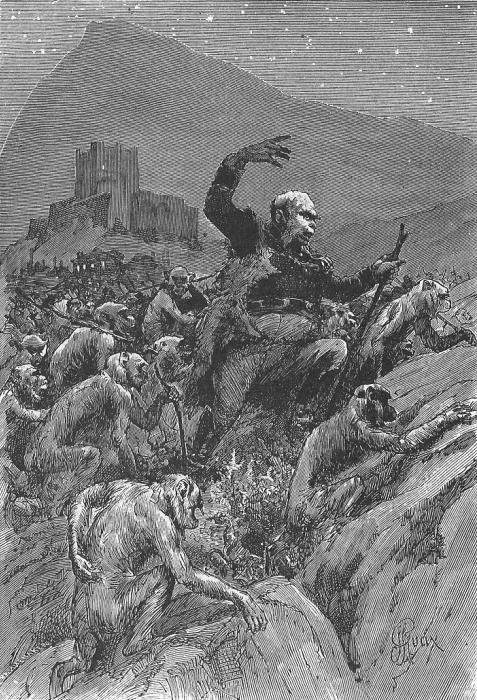
In an 1887 satire by Jules Verne, the Spaniard Gil Braltar invades the Rock with a macaque troop after disguising himself as one of them. Drawn by George Roux. Credit: Public Domain

References:

[1] “Historia de la Muy Noble y Más Leal Ciudad de Gibraltar,” Alonso Hernanández del Portillo (1605-1610)

[2] “The Curious Case of the Last ‘Wild’ Monkeys in Europe,” Atlas Obscura, Dan Nosowitz, 2019

[3] “Gib Monkeys,” Internet Archive, 2011, Wikipedia

[4] “Gibraltar: British or Spanish?” Peter Gold 2012, Wikipedia

[5]  “Tourism Management: An Introduction,” Clare Inkson, Lynn Minnaert, 2012, Wikipedia


Sailing is not just about the wind and the sea; equally important are the places where Flying Fish carries me.

Please click Follow at the bottom of this page so that you don’t miss a new update, and please consider sharing this post with others who might enjoy following the voyage of Flying Fish. I welcome your comments. I will always respond when I have an Internet connection. And I will never share your personal information.

You can follow the daily progress of Flying Fish, boat speed (or lack thereof), and current weather as I sail into the Mediterranean by clicking this satellite uplink: https://forecast.predictwind.com/tracking/display/FlyingfishClick the “Legends and Blogs” box on the right side of the tracking page for en route Passage Notes. 

To see where Flying Fish has sailed since leaving Key West in 2017, click here: https://cruisersat.net/track/Flying%20Fish.

Instagram: FlyingFishSail
Facebook: Jeffrey Cardenas

Text and Photography © Jeffrey Cardenas 2021
Let this be a time of grace and peace in our lives   –Fr. John Baker

Andalucían Flamenco

Flamenco is one of the symbols of Spanish national identity.
“I’ve often lost myself,
in order to find the burn that keeps everything awake.”

Federico García-Lorca

In the Andalucían city of Granada, one of the birthplaces of flamenco, there is a heightened state of emotion, expression, and authenticity known as duende. It is a “mysterious and ineffable charm” that seems to emanate from the whitewashed walls and ancient cobblestones in the gitano neighborhoods of Albayzín and Sacromonte. Poet Federico García-Lorca said, “To search for the duende there is no map or exercise.” Except when one spends a late night in the hills above the city among the tablaos and cuevas where flamenco is performed with intimate intensity.

All photos and video: © Jeffrey Cardenas

Sailing is not just about the wind and the sea; equally important are the places to which Flying Fish carries me.

Please click Follow at the bottom of this page so that you don’t miss a new update, and please consider sharing this post with others who might enjoy following the voyage of Flying Fish. I welcome your comments. I will always respond to your comment when I have an Internet connection. And I will never share your personal information.

You can follow the daily progress of Flying Fish, boat speed (or lack thereof), and current weather as I sail into the Mediterranean by clicking this satellite uplink: https://forecast.predictwind.com/tracking/display/FlyingfishClick the “Legends and Blogs” box on the right side of the tracking page for en route Passage Notes. 

To see where Flying Fish has sailed since leaving Key West in 2017, click here: https://cruisersat.net/track/Flying%20Fish.

Instagram: FlyingFishSail
Facebook: Jeffrey Cardenas

Text and Photography © Jeffrey Cardenas 2021

Let this be a time of grace and peace in our lives   –Fr. John Baker