
Lilly and Dad, 31 years ago, watching the schooners sail back into Key West at sunset
Flying Fish takes flight this week on the 2nd Leg of a three-year circumnavigation. For this passage I will have serious backup. Our daughter Lilly will join me across the Pacific to Tahiti .
This is no ordinary Key West kid on a sailboat. The family legend is that in Mom’s last month of pregnancy her labor was induced by a rough boat ride in a fishing skiff. Lilly soon followed us into the world. She tried a conventional lifestyle by earning a degree in Journalism at the University of Florida. The ocean’s siren was more persuasive. Lilly continued her education at sea and relocated to Maui where she now sails as a captain with USCG 100-Ton Master credentials.
I asked Lilly to note a few of the highlights from her work abroad in just the past 12 months. In her words:
Big Island, HI–Seeing lava dumping into ocean
Havana–Driving around in classic cars with my girlfriends
Bahamas–Swimming with sharks
Virgin islands–Seeing Tortola before the hurricane devastation a few months later
Sardinia and Corsica–Mooring within a fortress at the harbor of Bonifacio
Croatia–Picking and nibbling on raw figs and wild fennel sprouts on the island Komiza
Istanbul–Cruising between two continents
Greece–Sipping rosé at sunset on the sea walls of Hydra
Sicily–Sailing alongside the smoking volcano of Stromboli
Thailand–Swimming alone on a pristine reef near crowded Koh Phi Phi and exploring the hongs of Phang Nga National Park
Maui–Coming home and hiking a steep mountain trail during the lunar eclipse while listening to whales breathing below
After all that, why Lilly would want to sail with her old man remains a mystery.
Maybe it has something to do with love.
Stay tuned… It’s gonna be a great ride to the South Seas!

Master & Commander Lilly Cardenas Photo: © Joanna Rentz
Track the passage of Flying Fish here: https://forecast.predictwind.com/tracking/display/Flyingfish

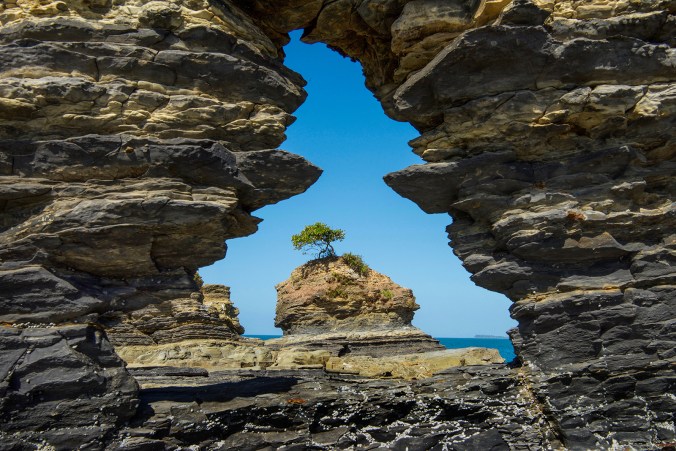


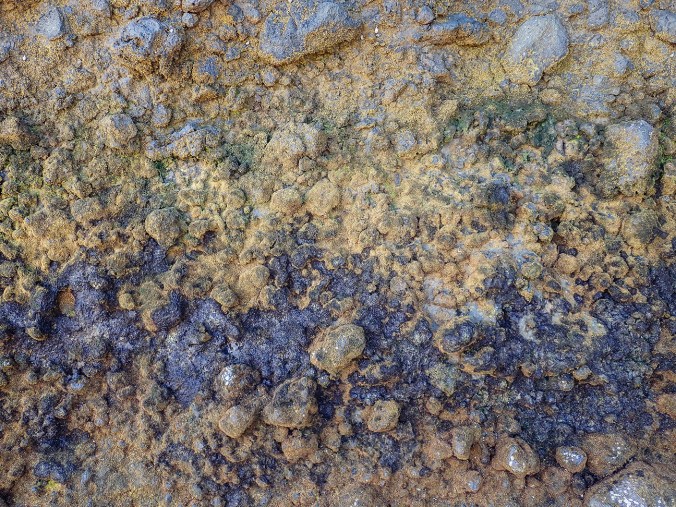 Last night was the Super Moon and it brought extraordinarily low tides to my anchorage at Isla de Fuenche. Many of the exposed rocks are ancient coral reefs that have been pushed to the surface of the ocean by tectonic forces. Geologists call it “marine sedimentary limestone,” but what I see in these rocks is fossilized proof of life. I see an imprint in a boulder where brain coral was once attached. Individual coral polyps are etched into the surface. What is now static was once alive. Millions of life forms lived right here. There were communities. Some colonies thrived while others struggled and then simply died out. The life and death recorded in these ancient coral reefs parallels the life cycle of the human beings who settled on these islands.
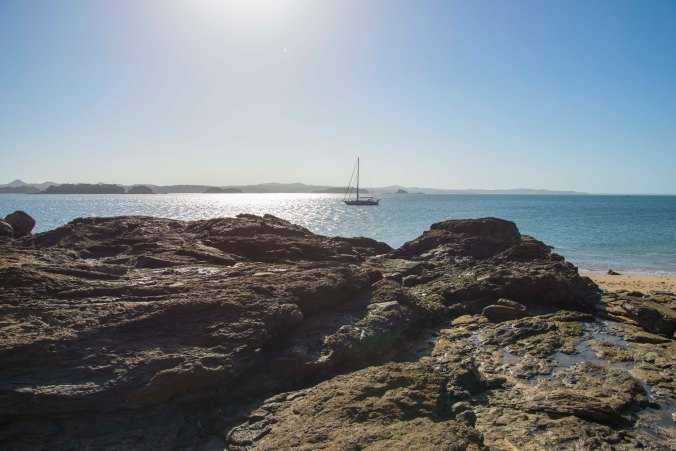 Panama is a young landmass, relatively speaking. The rise of the isthmus three million years ago was the “last big episode of global change,” according to former Smithsonian Geologist Tony Coates, who has also written that the changing shape of Panama played a significant role in ocean circulation coinciding with the last Ice Age. Three million years ago was the Pleistocene Epoch when glaciers covered huge parts of the earth. One could argue now that the melting of the glaciers are an indication of the next “big episode of global change.”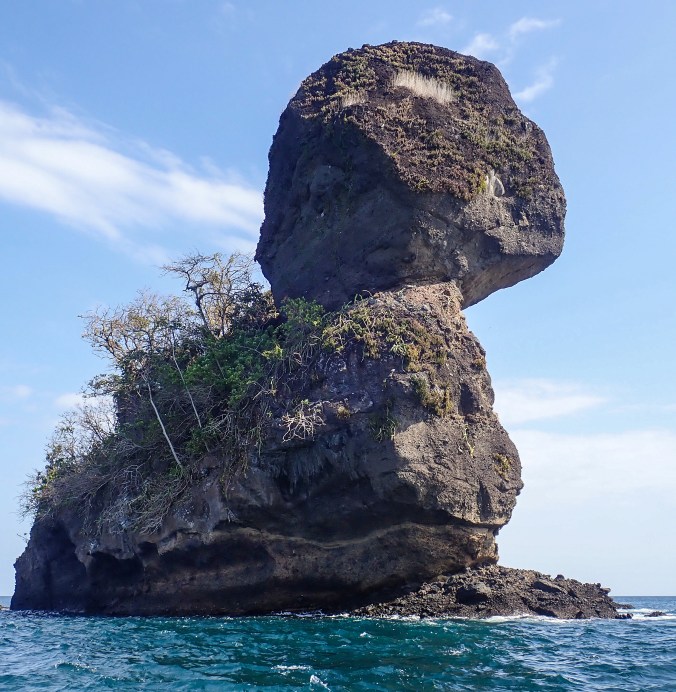
 Stella Maris Sail